EN
EN


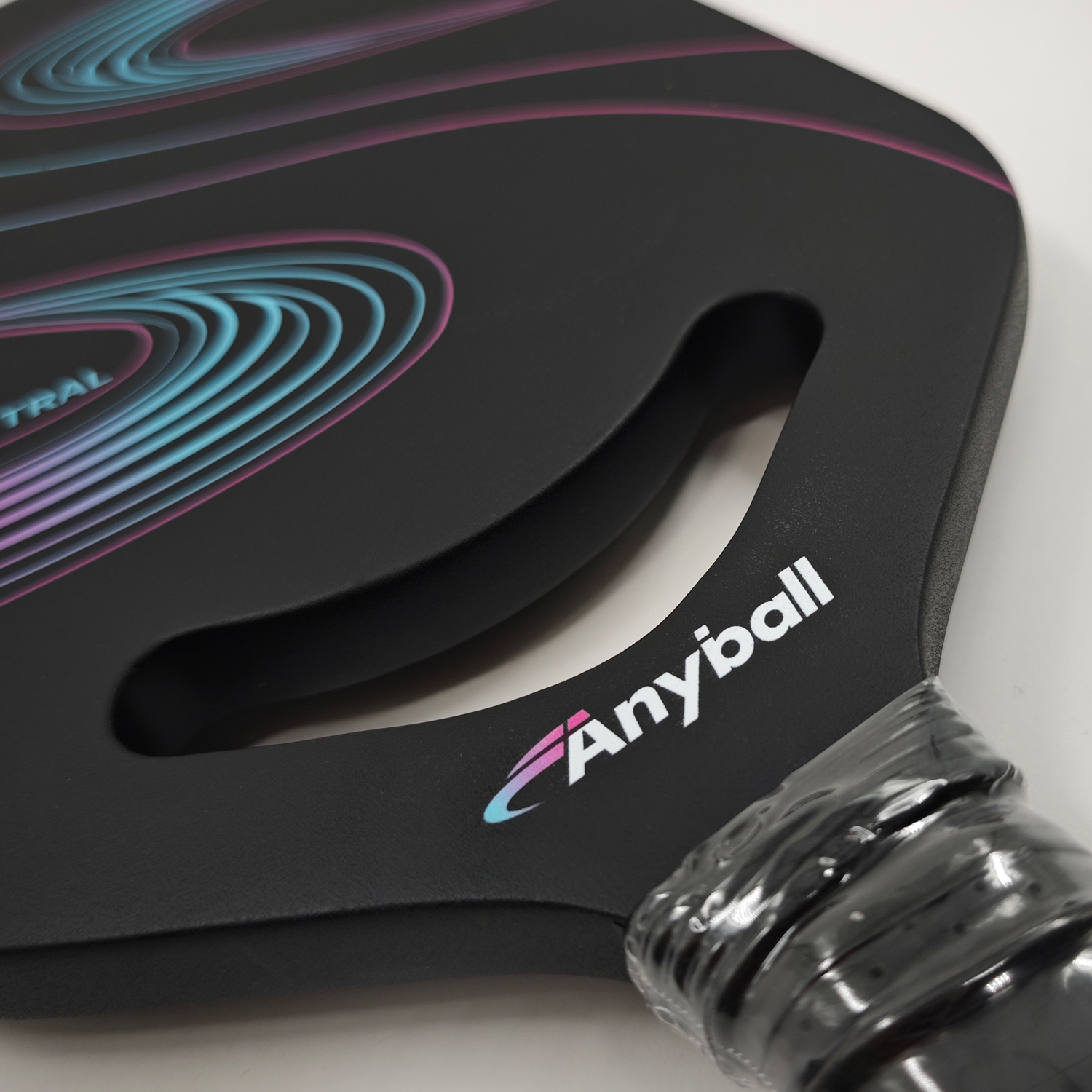
الخصائص الأداء لراكيتك في رياضة البدل مضرب الباديل تتغيّر بشكل كبير اعتمادًا على ما إذا كنت تلعب في الداخل أم في الخارج، مما يؤثر على كل شيء بدءًا من سرعة الكرة ووصولًا إلى التحكم في الدوران. وتُشكّل العوامل البيئية مثل درجة الحرارة والرطوبة وحركة الهواء ظروف لعبٍ مميَّزة تؤثِّر مباشرةً في استجابة راكيتك أثناء اللعب. ولذلك فإن فهم هذه الفروق في الأداء أمرٌ بالغ الأهمية بالنسبة للرياضيين الذين يغيّرون باستمرار بين الملاعب الداخلية والخارجية، إذ يؤثِّر ذلك في استراتيجيتهم واختيارات الضربات وفعالية أدائهم الكلي في المباراة.
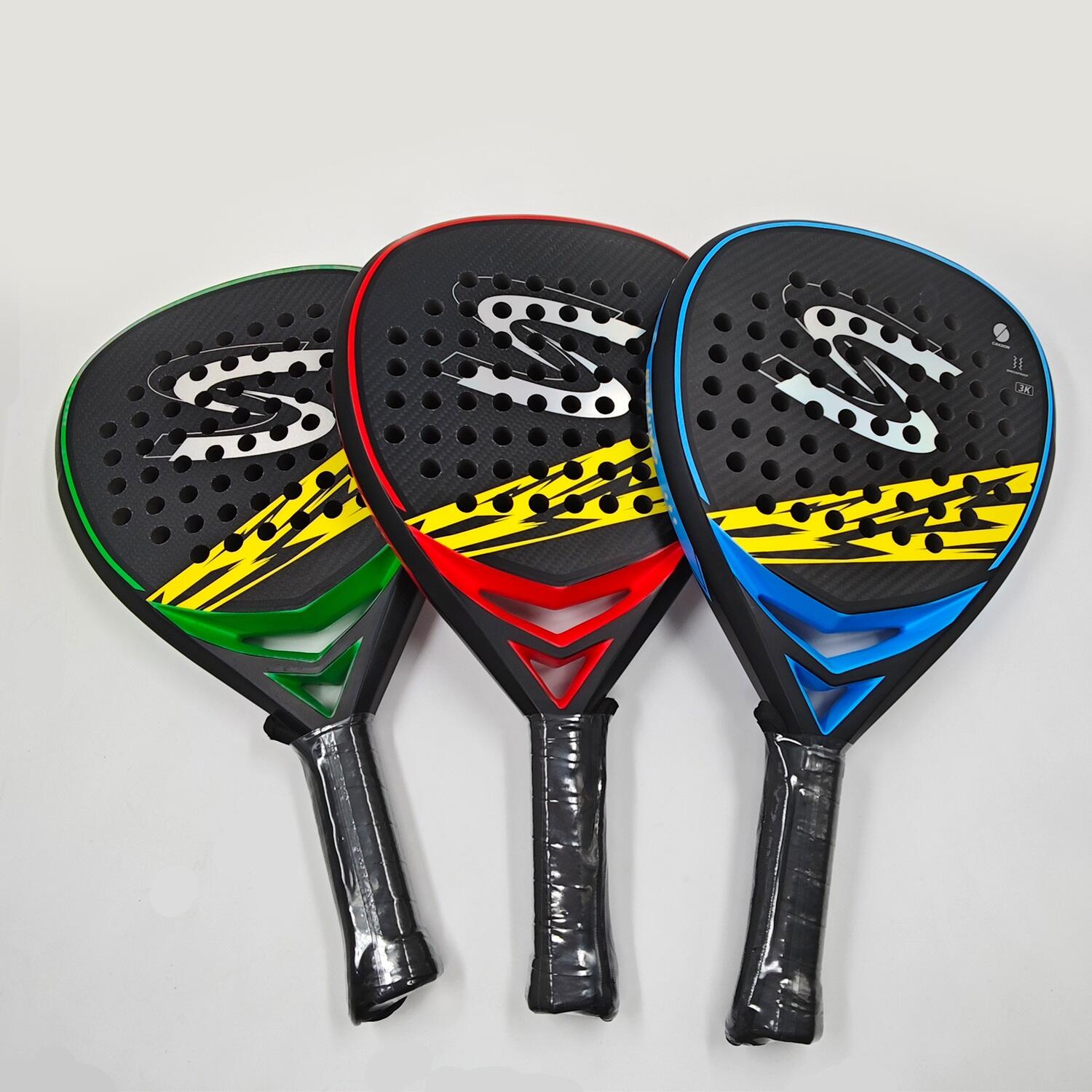
تؤدي التغيرات في درجات الحرارة بين البيئات الداخلية والخارجية إلى أكبر تأثيرٍ ملحوظٍ على أداء مضرب البدل. فعادةً ما تحافظ الملاعب الداخلية على درجات حرارة ثابتة تتراوح بين ١٨–٢٢°م، بينما تتعرض الملاعب الخارجية لتقلبات في درجات الحرارة قد تمتد من الظروف المتجمدة إلى الحرارة الشديدة. وتؤثر هذه الفروق في درجات الحرارة على مواد مضرب البدل، لا سيما طبقات ألياف الكربون ونواة رغوة الإيثيلين-أسيتات الفينيل (EVA)، التي تستجيب بشكل مختلف للتغيرات الحرارية، مما يؤثر مباشرةً على ديناميكية اتصال الكرة بالمضرب.
التأثير الناتج عن درجة الحرارة على مواد مضرب البدل
استجابة ألياف الكربون في درجات الحرارة المختلفة
تتفاوت درجات صلادة مكونات ألياف الكربون في مضرب البدل الخاص بك تبعًا لظروف درجة الحرارة. ففي البيئات الخارجية الباردة، تصبح ألياف الكربون أكثر صلابة، ما يؤدي إلى زيادة انتقال القوة لكن مع انخفاض الإحساس بالكرة والتحكم أثناء ملامستها. ويُنتج سطح ألياف الكربون الأكثر صلابة ضرباتٍ أكثر انفجارًا، لكنه يجعل تنفيذ الضربات الخفيفة مثل ضربات التساقط (Drop Shots) والضربات الدقيقة التي تتطلب لمسةً رقيقةً أكثر صعوبة.
وعلى العكس من ذلك، فإن استقرار درجة الحرارة في الأماكن المغلقة يسمح لألياف الكربون بالحفاظ على خصائص المرونة المتسقة طوال جلسة اللعب. وهذه الثباتية تتيح تنبؤًا أفضل بأداء الضربات، إذ يستجيب مضرب البدل بشكل موحد لنمط التأرجح نفسه. وغالبًا ما يلاحظ اللاعبون تحسنًا في التحكم والإحساس أثناء اللعب في الأماكن المغلقة، لا سيما خلال المواجهات الطويلة التي تكتسب فيها الاستجابة المتسقة للمضرب أهميةً بالغة للحفاظ على الإيقاع والدقة.
تؤدي الظروف الخارجية الحارة إلى تأثير عكسي، مما يجعل ألياف الكربون أكثر مرونة واستجابةً. وعلى الرغم من أن هذه المرونة المتزايدة قد تحسّن الراحة وتقلل من انتقال الاهتزازات، فقد تؤدي أيضًا إلى ضعف قوة الضربات وتتطلب تعديلات في تقنية التأرجح الخاصة بك. فالإحساس الأطرى للمضرب في الظروف الحارة يعني أن مضرب البادل يمتص طاقة أكبر من تأثير الكرة، ما يستدعي تنفيذ تأرجحات أكثر عدوانية لتحقيق نفس سرعة الضربة.
تباين أداء نواة الإيفا المطاطية
تخضع نواة الإيفا المطاطية في مضرب البادل لتغيرات كبيرة في الكثافة استنادًا إلى التقلبات الحرارية بين اللعب الداخلي والخارجي. ففي الظروف الخارجية الباردة، تنضغط نواة الإيفا المطاطية، ما يُنتج سطح ضربٍ أكثر صلادةً يولّد طاقةً أكبر لكنه يقلل من حجم النقطة المثلى (المنطقة الحلوة) على المضرب. ويؤدي هذا التأثير الانضغاطي إلى جعل الضربات غير المركزية أكثر وضوحًا، وقد يزيد من انتقال الاهتزازات إلى ذراعك عند حدوث الضربات الخاطئة.
تحافظ استقرار درجة حرارة الغرفة على كثافة رغوة الإيثيلين-أسيتات الفينيل (EVA) المثلى، مما يحافظ على التوازن المقصود بين القوة والتحكم الذي صمّمه المصنعون في كل مضرب الباديل توفر كثافة الرغوة الثابتة تغذيةً راجعةً موثوقةً حول جودة الضربة، وتحافظ على أبعاد النقطة المثلى (المنطقة الحلوة) طوال جلسة اللعب. ويساعد هذا الاتساق اللاعبين على تنمية الذاكرة العضلية والتوقيت، حيث يستجيب المضرب بشكل متوقع لمختلف سرعات التأرجح ونقاط الاتصال.
تؤدي الحرارة الشديدة إلى تمدد رغوة الإيثيلين-أسيتات الفينيل (EVA) وتليينها، ما يُنشئ سطح ضرب أكثر تساهلاً لكنه يقلل من توليد القوة. وتمتص الرغوة الممتدة طاقةً أكبر أثناء اتصال الكرة، ما يجبر اللاعبين على زيادة سرعة التأرجح للحفاظ على قوة الضربة. ومع ذلك، قد يكون لهذا الاستجابة الأطرى فائدة للاعبين الذين يعانون من عدم راحة في الذراع، لأن الرغوة الممتدة تخفف الاهتزازات بكفاءة أعلى من الرغوة المضغوطة في الظروف الباردة.
الاختلافات في كثافة الهواء وسلوك الكرة
تأثيرات دوران الهواء الداخلي
تتميز الملاعب الداخلية عادةً بأنظمة تحكم في تدوير الهواء تُنشئ ظروفاً متوقعة لكثافة الهواء، ما يسمح لمضرب البدل الخاص بك بالتفاعل مع الكرات التي تمر عبر ظروف جوية ثابتة. وبغياب الرياح، تزول القوى الخارجية التي قد تُغيّر مسار الكرة بعد خروجها من سطح المضرب، مما يمكّن اللاعبين من تحقيق دقة أكبر في وضع الضربات وتطبيق الدوران. وتتيح هذه الاستقرار للرياضيين تطوير توقيتٍ ومواقعَ ثابتة، إذ يبقى سلوك الكرة متوقعاً طوال مدة المباراة.
تحافظ أنظمة التحكم في المناخ في المرافق الداخلية على مستويات ثابتة من الرطوبة تؤثر على خصائص ارتداد الكرة وأداء قبضة مضربك في رياضة البادل. وعادةً ما تؤدي الرطوبة المنخفضة، التي توجد عادةً في الملاعب الداخلية المكيفة، إلى خفض ارتفاع ارتداد الكرة وزيادة سرعتها، مما يتطلب تعديلات في توقيت التأرجح وتحديد نقطة التماس. وتتفاعل نسيج سطح المضرب مع الكرات بشكل مختلف في ظروف الرطوبة المنخفضة، حيث يوفّر غالبًا قبضة محسَّنة لتوليد الدوران، لكنه يتطلب دقةً أكبر في التماس للحفاظ على السيطرة.
يُلغي البيئة المغلقة التغيرات في الارتفاع التي قد تؤثر تأثيرًا كبيرًا على سلوك الكرة، مما يضمن أداءً ثابتًا لمضربك في رياضة البادل بغض النظر عن ارتفاع المنشأة. فالملاعب الداخلية الموجودة عند مستوى سطح البحر أو على ارتفاعات عالية تحافظ على خصائصها البيئية، ما يسمح للاعبين بالتكيف مع معداتهم وتقنياتهم وفقًا لظروف الملعب المحددة، بدلًا من التعديل المستمر بسبب التغيرات في الضغط الجوي.
العوامل البيئية الخارجية
تؤثر ظروف الرياح في الملاعب الخارجية تأثيرًا دراماتيكيًّا للغاية على الطريقة التكتيكية والفنية التي يجب أن تُستخدم بها مضربك في رياضة البادل. فتؤثِّر الرياح الجانبية على مسار الكرة بعد الاصطدام بها، ما يجبر اللاعبين على تعديل نقاط التصويب وتطبيق الدوران لتعويض حركة الهواء. أما الرياح المواجهة فتزيد من مقاومة الهواء لضرباتك، مما يتطلَّب تنفيذ ضربات أكثر عدوانية وتعديل نقاط الاتصال لتحقيق العمق والسرعة المطلوبين في الضربة.
وتُحدث الرياح الخلفية التأثير المعاكس، إذ تجعل الضربات تطير أبعد مما هو مقصود، وقد تؤدي إلى الإفراط في الضرب إذا لم يُعدِّل اللاعبون شدة ضرباتهم. وتزداد أهمية الخصائص الهوائية لمضرب البادل في الظروف الريحية، لأن تصميم رأس المضرب يؤثِّر في سرعة الأرجحة والتحكم أثناء الظروف العاصفة. وغالبًا ما يحتاج اللاعبون إلى تعديل ضغط القبضة وطول الحركة التالية للضرب (الاستمرار بعد الاتصال بالكرة) للحفاظ على الدقة عندما تتغير ظروف الرياح خلال المباريات الخارجية.
تؤثر التغيرات في الارتفاع عن سطح البحر في المواقع الخارجية على كثافة الهواء، وبالتالي تؤثر على كيفية تفاعل مضرب البيدل الخاص بك مع ديناميكية حركة الكرة. ففي المواقع ذات الارتفاع العالي يكون الهواء أخفّ، ما يقلل من مقاومة الهواء، مما يؤدي إلى تحليق الكرات بسرعة أكبر وارتدادها بشكل مختلف عما هو عليه عند مستوى سطح البحر. ويستلزم هذا التغيُّر إجراء تعديلات على توقيت التأرجح وتطبيق القوة، لأن المضرب يولِّد سرعةً أعلى للكرة باستخدام نفس جهد التأرجح مقارنةً بالظروف التي يكون فيها الهواء أكثر كثافة.
التفاعل مع السطح وأداء القبضة
تأثير الرطوبة على قبضة المضرب
تؤثر مستويات الرطوبة الخارجية تأثيرًا كبيرًا على أداء قبضة مضرب البدل الخاص بك وخصائص التحكم العامة به. ففي ظروف الرطوبة العالية، يزداد إفراز العرق، ما يؤثر على قدرتك على الحفاظ على ضغط قبضة ثابت والتحكم في المضرب طوال المواجهات الطويلة. وتكتسب خصائص امتصاص الرطوبة لدى مواد القبض المختلفة أهميةً بالغةً أثناء اللعب في الأماكن المفتوحة، إذ قد تصبح القبضات الاصطناعية زلقةً بينما تحافظ القبضات الماصة على تشبّعٍ أفضل.
قد تتسبب ظروف الرطوبة المنخفضة في الهواء الطلق في جعل مواد القبض هشّةً وأقل استجابةً لتغيرات ضغط اليد. وقد يشعر اللاعب بأن مضرب البدل أقل ثباتًا في الظروف الجافة جدًّا، لا سيما أثناء الضربات العنيفة التي تتطلب أقصى درجات استقرار القبضة. كما يمكن أن يؤثر تراكم الكهرباء الساكنة في الهواء الجاف الخارجي على طريقة تفاعل يديك مع أسطح القبض، ما قد يؤدي إلى انزلاقات غير متوقعة في القبضة أثناء النقاط الحاسمة.
عادةً ما يحافظ التحكم في المناخ الداخلي على مستويات الرطوبة المثلى التي تحافظ على مرونة وحساسية مادة القبضة. ويتيح هذا الاتساق للاعبين التركيز على التقنية والاستراتيجية بدلًا من ضرورة تعديل ضغط القبضة باستمرار للتكيف مع العوامل البيئية. ويبدو المضرب وكأنه جزءٌ متكاملٌ من يدك في ظروف الأماكن المغلقة الخاضعة للتحكم، مما يمكّنك من تحقيق دقة أكبر في الضربات والثقة الأفضل أثناء المواقف الحرجة.
الاختلافات في أداء نسيج السطح
يؤدي النسيج الخشن الموجود على سطح مضرب البادل إلى أداء مختلف تحت ظروف الرطوبة ودرجة الحرارة المتغيرة بين الملاعب الداخلية والخارجية. فقد تؤدي الرطوبة الخارجية إلى تراكم الرطوبة على نسيج السطح، ما قد يقلل من الاحتكاك المتاح لتوليد الدوران والتحكم في الكرة. وقد يؤدي نسيج السطح الرطب أو الرطّاب إلى انزلاق الكرات عبر سطح المضرب بدلًا من الالتصاق به بشكل كافٍ عند تنفيذ ضربات الدوران العلوي (Topspin) أو ضربات التقطيع (Slice).
يمكن أن تؤدي الظروف الخارجية الجافة إلى جعل الملمس السطحي أكثر خشونة، ما قد يزيد من تآكل الكرة ويُحدث تباينًا في خصائص الدوران مع تقدّم المباريات. وقد يلتصق سطح مضرب البادل المُgetTextured بالكرات بشكلٍ أكثر قوةً في الظروف الجافة جدًّا، مما يتطلب تعديلات في سرعة التأرجح وضغط التماس للحفاظ على ثبات معدلات الدوران ودقة تحديد أماكن الضربات.
تحافظ الاستقرار البيئي داخل الصالات على فعالية الملمس السطحي طوال المباريات، مما يضمن بقاء إنتاج الدوران والتحكم في الكرة ثابتًا من النقطة الأولى وحتى انتهاء المباراة. وتمنع الظروف الخاضعة للرقابة تدهور السطح الناجم عن التعرّض للعوامل الجوية، وتحافظ بذلك على مستويات الاحتكاك المصمَّمة التي يُحسِّنها المصنعون لتحقيق أداء متوازن بين القوة والتحكم.
التكيفات الاستراتيجية حسب البيئات المختلفة
تعديلات توليد القوة
تتطلب الظروف الخارجية الباردة تقنيات معدلة لتوليد القوة لتعويض زيادة صلابة مضرب البيدل وانخفاض ارتداد الكرة. ويجب على اللاعبين زيادة سرعة التأرجح وضغط نقطة التماس لتحقيق سرعة مشابهة للضربات مقارنةً باللعب داخل الصالات. وتزداد القدرة التوليدية لقوة مضرب البيدل الخاص بك في الظروف الباردة، لكن الاستفادة من هذه القوة تتطلب آليات تأرجح أكثر عدوانية وتوقيتاً دقيقاً لتفادي ضربات تخرج عن حدود الملعب.
تتطلب البيئات الخارجية الحارة خفض شدة التأرجح لمنع ضربات مفرطة القوة عندما يصبح مضربك أكثر مرونة واستجابة. ويمكن أن تُحسّن هذه الزيادة في المرونة فعلاً كفاءة توليد القوة، ما يستدعي من اللاعبين تخفيف جهد التأرجح مع الحفاظ على الدقة والتحكم في وضع الضربة. وفهم كيفية تأثير درجة الحرارة على طراز مضربك المحدد يمكن أن يساعدك في تنظيم القوة بشكل أفضل وتحقيق ثبات أكبر في أداء الضربات عبر مختلف بيئات اللعب.
تتيح استقرار درجة حرارة الجو الداخلي تطبيق طاقة متسقة طوال المباريات، مما يمكّن اللاعبين من تطوير توقيتٍ موثوقٍ وأنماط ضربٍ منتظمة. ويستجيب مضرب البادل الخاص بك بشكل متوقع لمدخلات الضرب المتطابقة، ما يسمح بالتحكم بدقة أكبر في القوة واختيار الضربات بشكل أفضل استنادًا إلى توقعات أداءٍ ثابتة بدلًا من التعديلات المستمرة الناتجة عن التغيرات البيئية.
تعديلات التحكم في الدوران
تتطلب ظروف الرياح في الملاعب الخارجية تعديلات كبيرة في طريقة تطبيق الدوران وتخطيط مسار الكرة. ويمكن للرياح الجانبية أن تعزِّز أو تحيد الدوران الذي تُطبِّقه على الكرة باستخدام مضرب البادل، وذلك حسب اتجاه الرياح بالنسبة لاتجاه دوران الكرة. وعليه، يجب على اللاعبين تعلُّم كيفية الاستفادة من مساعدة الرياح في بعض الضربات، والتعويض عن مقاومة الرياح في ضربات أخرى، وهو ما يتطلَّب فهمًا متقدِّمًا لعلم الديناميكا الهوائية وتفاعل الدوران.
تؤثر التغيرات في الرطوبة على مدى فعالية سطح مضربك في الإمساك بالكرة أثناء توليد الدوران. فقد تقلل الرطوبة العالية من قوة الاحتكاك، ما يتطلب حركات كشط أكثر عدوانية لتحقيق معدلات الدوران المطلوبة، بينما قد تزيد الرطوبة المنخفضة من قوة الاحتكاك وتجعل التحكم في الدوران أكثر حساسيةً لتغيرات ضغط التماس. ولذلك يجب أن يتكيف أسلوب لعبك مع مستويات الاحتكاك المتغيرة هذه للحفاظ على فعالية ثابتة في إنتاج الدوران.
تُلغي الملاعب الداخلية متغيرات الرياح، مما يسمح بتطبيق الدوران بشكل نقي دون أي تدخل خارجي. ويمكن لمضربك الخاص بلعبة البادل أن يركّز بالكامل على التفاعل مع الكرة دون الحاجة إلى التعويض عن حركة الهواء، ما يتيح تحكّمًا أكثر دقةً في الدوران وتخطيطًا أدقّ للمسار. وتساعد هذه الثباتية اللاعبين على تطوير تقنيات متقدمة في إنتاج الدوران ودمجه مع تقنيات أخرى، وهي تقنيات قد يكون من المستحيل تنفيذها بموثوقية في الظروف الخارجية التي تشهد هبوب رياح.
الأسئلة الشائعة
ما مقدار تأثير درجة الحرارة على أداء مضرب البادل؟
تؤثر درجة الحرارة تأثيرًا كبيرًا على أداء مضرب البدل من خلال التغيرات التي تطرأ على خصائص المواد. ففي الظروف الباردة، تصبح ألياف الكربون أكثر صلابةً وتصبح رغوة الإيثيلين-أسيتات الفينيل (EVA) أكثر كثافةً، ما يزيد من القوة لكنه يقلل من التحكم وحجم النطاق الأمثل (النقطة الحلوة). أما في الظروف الحارة، فإن المواد تصبح أكثر مرونةً مما يحسّن الراحة، لكن قد يقلل ذلك من إنتاج القوة، ما يستدعي تعديل حركة التأرجح للحفاظ على ثبات سرعة الضربة ودقّتها.
هل ينبغي أن أستخدم مضارب بدل مختلفة للعب داخل الصالات وخارجها؟
ورغم شيوع استخدام مضرب بدل واحد لكل من البيئتين الداخليّة والخارجية، فإن بعض اللاعبين يستفيدون من اختلافات طفيفة في المعدات. فقد يفضّل اللعب الخارجي مضاربَ أقل صلابةً قليلًا لتعويض تأثيرات الرياح وتقلبات درجة الحرارة، بينما يمكن أن تستوعب البيئة الداخلية مضاربَ أكثر صلابةً لتحقيق تحكمٍ دقيق. والمفتاح هنا هو فهم كيفية أداء مضربك الحالي في كل بيئة، وتعديل تقنيتك وفقًا لذلك بدلًا من تغيير المعدات بالضرورة.
كيف أحافظ على أداءٍ ثابت عند التحوّل بين الملاعب الداخلية والخارجية؟
يتطلب الأداء المتسق فهم استجابة مضرب البدل الخاص بك للتغيرات البيئية وتعديل التقنية وفقًا لذلك. وتمرن في كلا البيئتين لتنمية الشعور بالتغيرات في القوة والتحكم، وغيّر ضغط القبضة حسب ظروف الرطوبة، وكيّف شدة التأرجح وفقًا لتأثيرات درجة الحرارة على صلابة المضرب. كما أن الاستعداد الذهني للتفاوتات البيئية يساعد في الحفاظ على الثقة وجودة تنفيذ الضربات.
ما التعديلات الموصى بها على القبضة لمواجهة ظروف الرطوبة في الهواء الطلق؟
تتطلب الرطوبة في الهواء الطلق حلول قبضة تحافظ على التماسك رغم وجود الرطوبة. وتُعد القبضات الإضافية الماصة أكثر فعالية من المواد الاصطناعية الناعمة في الظروف شديدة الرطوبة، بينما يمكن أن تساعد مواد تحسين القبضة أو مسحوق الراتنج في الظروف الرطبة جدًّا. ويُفضّل بعض اللاعبين استخدام مقابض ذات مقاس أكبر قليلًا للعب في الهواء الطلق لاستيعاب طبقات شريط القبضة المضافة، مما يضمن التحكم الآمن بالمضرب طوال المباريات بغض النظر عن مستويات التعرق.