EN
EN


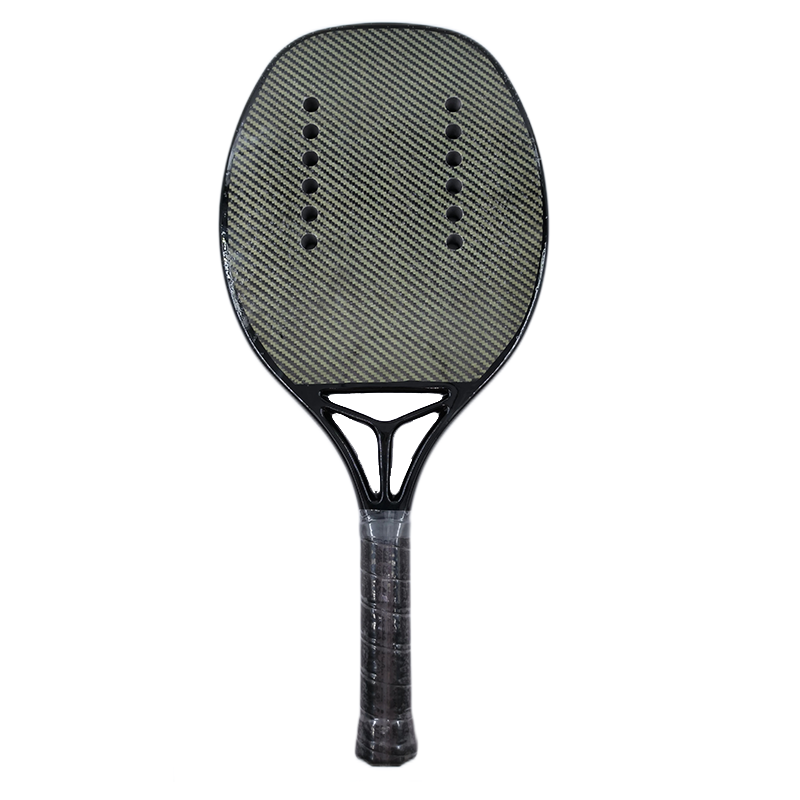
Das Verständnis der wesentlichen Unterschiede zwischen einem strandtennisschläger und einem herkömmlichen Tennisschläger ist für Spieler, die entweder diesen Sport oder den Tennis-Sport in Erwägung ziehen, ebenso wichtig wie für alle, die sich für Unterschiede bei der Ausrüstung interessieren. Obwohl beide Sportarten das Schlagen eines Balls mit einem Schläger beinhalten, sind die Konstruktionsmerkmale, Materialien und Leistungsmerkmale jedes Schlägertyps speziell darauf ausgelegt, den jeweiligen Spielumgebungen und sportartspezifischen Anforderungen zu entsprechen. Diese grundlegenden Unterschiede wirken sich auf sämtliche Aspekte aus – von der Schwungtechnik bis zur Ausführung einzelner Schläge – und machen jeden Schläger einzigartig geeignet für den Sport, für den er konzipiert wurde.
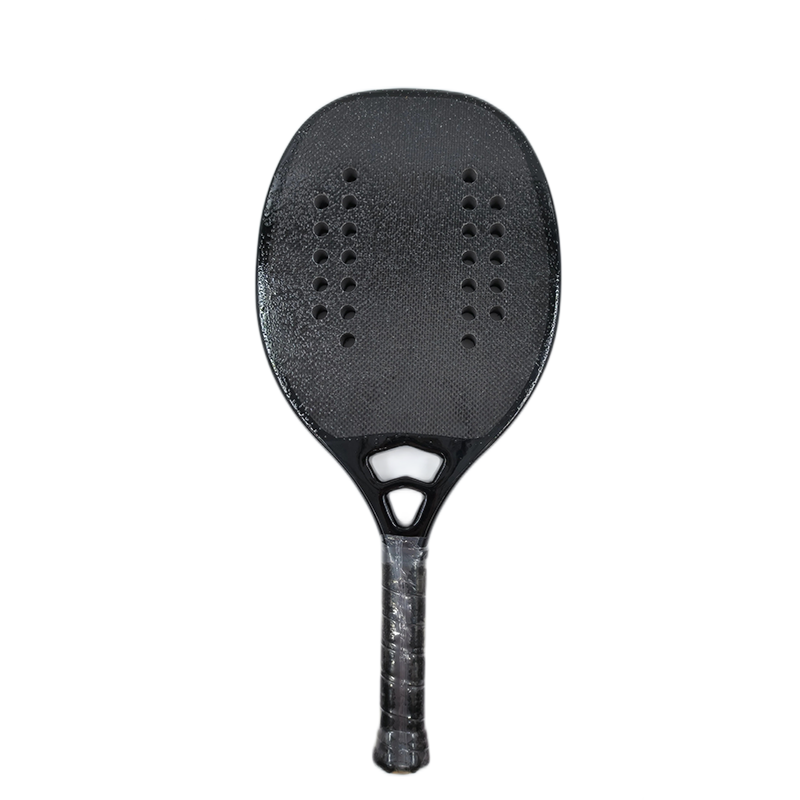
Der Unterschied zwischen diesen beiden Schlägertypen geht weit über das oberflächliche Erscheinungsbild hinaus und umfasst entscheidende Aspekte wie Gewichtsverteilung, Besaitungsspannung, Griffkonstruktion sowie die allgemeinen Anforderungen an die Haltbarkeit. Spieler, die vom Beach-Tennis zum regulären Tennis wechseln – oder umgekehrt – stellen oft fest, dass die Beherrschung der Ausrüstung einer Sportart nicht automatisch zu Kompetenz mit der jeweils anderen führt, da jeder Beach-Tennis-Schläger spezifische Techniken und Anpassungen erfordert, die die besonderen Herausforderungen des Spiels auf Sand im Vergleich zu traditionellen Court-Oberflächen widerspiegeln.
Physische Konstruktions- und Aufbaudifferenzen
Rahmenstruktur und Materialien
Ein Beach-Tennis-Schläger zeichnet sich durch eine deutlich solide Spielfläche ohne Saiten aus, was den grundlegendsten Unterschied zu herkömmlichen Tennisschlägern darstellt. Diese massive Konstruktion verwendet typischerweise hochentwickelte Verbundwerkstoffe wie Kohlefaser oder Fiberglas und erzeugt eine schlägerartige Oberfläche, die unabhängig von Umgebungsbedingungen einen konsistenten Ballkontakt gewährleistet. Das Fehlen von Saiten eliminiert Bedenken hinsichtlich Spannungsverlust, wetterbedingter Schäden oder der Notwendigkeit einer regelmäßigen Neubesaitung, mit denen herkömmliche Tennisspieler ständig konfrontiert sind.
Herkömmliche Tennisschläger hingegen beruhen vollständig auf einem präzise gespannten Saitenbett, das über einen offenen Rahmen gespannt ist. Diese Saiten, meist aus synthetischen Materialien oder Naturdarm gefertigt, müssen bei bestimmten Spannungswerten gehalten werden, um eine optimale Leistung zu erzielen. Das Saitemuster – üblicherweise im Bereich von 16×19 bis 18×20 – bildet die Schlagfläche und beeinflusst direkt Leistungsfähigkeit, Kontrolle sowie die Möglichkeiten zur Generierung von Spin.
Die Rahmennmaterialien unterscheiden sich bei diesen Schlägertypen ebenfalls erheblich. Während herkömmliche Tennisschläger häufig Aluminium, Graphit oder Verbundwerkstoffe für ihre Rahmenkonstruktion verwenden, stehen bei Beach-Tennis-Schlägern Materialien im Vordergrund, die Sandabrasion, Salzwassereinwirkung und intensive UV-Strahlung ohne Alterung oder Verschlechterung standhalten können. Diese Anforderung an Umweltbeständigkeit führt zu robusteren Konstruktionsmethoden und Materialauswahlen.
Gewicht und Balance-Eigenschaften
Die Gewichtsverteilung stellt eine weitere entscheidende Unterscheidung zwischen diesen Schlägerkategorien dar. Ein typischer Beach-Tennis-Schläger wiegt zwischen 330 und 370 Gramm – deutlich mehr als die meisten herkömmlichen Tennisschläger, die üblicherweise ein Gewicht von 250 bis 320 Gramm aufweisen. Dieses zusätzliche Gewicht beim Beach-Tennis-Schläger hilft, ohne Besaitung Power zu erzeugen, und sorgt gleichzeitig für Stabilität bei aggressiven Schlägen, wodurch die geringere Flexibilität der soliden Schlagfläche im Vergleich zu besaiteten Schlägerflächen ausgeglichen wird.
Die Balancepunkte variieren zwischen diesen Schlägertypen ebenfalls erheblich. Ein Beach-Tennis-Schläger weist typischerweise eine stärker kopflastige Balance auf, um das Drehmoment beim Aufschlag zu maximieren und den Spielern so zu helfen, aus der soliden Schlagfläche ausreichend Schlagkraft zu generieren. Herkömmliche Tennisschläger bieten verschiedene Balanceoptionen – von kopfleicht bis kopflastig – und ermöglichen es den Spielern, ihre Ausrüstung anhand ihrer bevorzugten Spielweise und technischen Anforderungen anzupassen.
Das Schwunggewicht, das die Rotations-Trägheit misst, unterscheidet sich zwischen diesen Schlägertypen aufgrund ihrer konstruktiven Unterschiede erheblich. Ein höheres Schwunggewicht bei Beach-Tennis-Schlägern trägt zur Stabilität der Schläge und zur effizienten Kraftentwicklung bei, während herkömmliche Tennisschläger ein breiteres Spektrum an Schwunggewichtsoptionen bieten, um unterschiedlichen Spielerpräferenzen und technischen Ansätzen Rechnung zu tragen.
Unterschiede in Leistung und Bespielbarkeit
Ballkontrolle und Spin-Generierung
Die Kontrollmechanismen zwischen einem Beach-Tennis-Schläger und einem herkömmlichen Tennisschläger unterscheiden sich grundlegend aufgrund ihrer konstruktiven Unterschiede. Ein Beach-Tennis-Schläger erzeugt Kontrolle durch die Oberflächenstruktur, die Winkelsteuerung und eine präzise Treffzeit, da die feste Oberfläche sich nicht wie Saiten verformen oder den Ball greifen kann. Die Spieler müssen eine außergewöhnliche Hand-Augen-Koordination sowie eine hohe Treffgenauigkeit entwickeln, um mit diesen Schlägern mit fester Oberfläche eine konsistente Ballplatzierung zu erreichen.
Die Erzeugung von Effet birgt bei jedem Schlägertyp besondere Herausforderungen und Chancen. Herkömmliche Tennisschläger eignen sich hervorragend zur Erzeugung von Topspin, Backspin und Slice durch Reibung der Saiten und Verformung des Balles während des Aufschlags. Das Saitenbett greift den Ball und gibt ihn wieder ab, wodurch sich bei korrekter Schwungtechnik ein natürlicher Effet ergibt. Ein strandtennisschläger erzeugt Effet anders, indem er sich auf die Oberflächenstruktur, den Auftreffwinkel und die Schwungbahn verlässt, um dem Ball eine Rotation zu verleihen.
Die Mechanismen zur Kraftübertragung unterscheiden sich bei diesen Schlägertypen ebenfalls erheblich. Herkömmliche Tennisschläger speichern und geben Energie durch die Durchbiegung des Besaitungsfeldes frei, wodurch ein Trampolin-Effekt entsteht, der die vom Spieler erzeugte Kraft verstärkt. Beach-Tennis-Schläger liefern ihre Leistung durch direkte Energieübertragung; der Spieler muss daher sämtliche Kraft allein über seine Schwungmechanik erzeugen, ohne Unterstützung durch die Elastizität der Saiten.
Vielfalt der Schläge und Anpassungen der Technik
Das Spektrum der möglichen Schläge mit jedem Schlägertyp spiegelt deren konstruktive Unterschiede wider. Ein Beach-Tennis-Schläger eignet sich hervorragend für aggressive Grundlinienschläge, Volley- und Überkopfschläge, da die massive Oberfläche eine konsistente Ballreaktion gewährleistet und saitenbedingte Variablen ausschließt. Die massiv ausgeführte Konstruktion beschränkt jedoch die Möglichkeiten für Feinschlüge und erfordert andere technische Ansätze bei Dropshots, Lobshots und feinfühligen Spielzügen.
Reguläre Tennisschläger bieten eine hervorragende Vielseitigkeit bei der Schlagauswahl und ermöglichen es Spielern, feine Dropshots, stark gespinte Vorbeischläge sowie präzise Winkelschläge durch gezielte Manipulation des Besaitungsbettes auszuführen. Die Möglichkeit, die Besaitungsspannung und das Besaitungsmuster zu variieren, erlaubt es Spielern, die Reaktionseigenschaften ihres Schlägers an ihren bevorzugten Spieltstil und taktischen Ansatz anzupassen.
Die Aufschlageigenschaften unterscheiden sich bei diesen Schlägertypen ebenfalls deutlich. Beach-Tennis-Schläger erzeugen aufgrund ihrer massiven Konstruktion in der Regel flachere, durchschlagskräftigere Aufschläge, während reguläre Tennisschläger durch gezielte Spinbeeinflussung und hohe Platzierungspräzision eine größere Aufschlagvielfalt ermöglichen. Die für jeden Schlägertyp erforderlichen Aufschlagtechniken und Griffanpassungen erfordern spezifisches Training sowie die Entwicklung entsprechender Muskelgedächtnisabläufe.
Anpassung an die Umwelt und Haltbarkeit
Witterungs- und Untergrundbeständigkeit
Die Umweltbeständigkeit stellt einen wesentlichen Unterscheidungsfaktor zwischen Beach-Tennis-Schlägern und herkömmlichen Tennisschlägern dar. Ein Beach-Tennis-Schläger muss einer ständigen Belastung durch Sand, Salzwasser, intensive Sonneneinstrahlung sowie extremen Temperaturen standhalten können – Bedingungen, die herkömmliche, mit Saiten bestückte Tennisschläger rasch beschädigen würden. Die massiv ausgeführte Konstruktion eliminiert Probleme wie Saitenkorrosion, UV-bedingte Alterung oder feuchtigkeitsbedingten Spannungsverlust, die herkömmliche Tennisausrüstung in Strandumgebungen beeinträchtigen.
Herkömmliche Tennisschläger erfordern bei Exposition gegenüber rauen Umgebungsbedingungen umfangreichen Schutz und Pflege. Die Saiten können bei hoher Luftfeuchtigkeit rasch an Spannung verlieren, unter intensiver UV-Strahlung spröde werden und durch salzhaltige Luft korrodieren. Auch die Rahmennmaterialien können sich im Laufe der Zeit abbauen, wenn sie ohne angemessene Pflege und Lagerung kontinuierlich Strandbedingungen ausgesetzt sind.
Die Oberflächenstruktur und die Griffsysteme passen sich zudem unterschiedlich an Umgebungsbedingungen an. Beach-Tennis-Schläger weisen häufig spezielle Griffmaterialien und -strukturen auf, die darauf ausgelegt sind, auch bei Nässe oder Sand eine sichere Griffigkeit zu gewährleisten. Herkömmliche Tennisschläger verwenden in der Regel Griffsysteme, die für saubere, trockene Bedingungen optimiert sind und bei Einsatz unter anspruchsvollen Umgebungsbedingungen häufig ausgetauscht oder mit einer zusätzlichen Überwicklung versehen werden müssen.
Wartungs- und Langlebigkeitsanforderungen
Die Wartungsanforderungen unterscheiden sich zwischen diesen Schlägerkategorien erheblich. Ein Beach-Tennis-Schläger erfordert nur eine minimale laufende Wartung – neben grundlegender Reinigung und gelegentlichem Austausch des Griffs – da keine Saiten gewartet oder ersetzt werden müssen. Diese geringe Wartungsintensität macht Beach-Tennis-Schläger besonders attraktiv für Freizeitspieler, die zuverlässiges Equipment ohne ständigen Pflegeaufwand wünschen.
Reguläre Tennisschläger erfordern eine regelmäßige Wartung, darunter ein Austausch der Besaitung alle 15 bis 40 Spielstunden – je nach Besaitungstyp und Spielfertigkeit des Spielers. Die Besaitungsspannung muss regelmäßig überwacht und angepasst werden, und die Rahmenintegrität bedarf einer periodischen Inspektion auf Risse oder Beschädigungen. Dieser Wartungsaufwand stellt sowohl einen finanziellen als auch einen zeitlichen Aufwand dar, den Beach-Tennis-Spieler vermeiden.
Die erwartete Lebensdauer unterscheidet sich zudem zwischen diesen Schlägertypen. Beach-Tennis-Schläger können bei regelmäßiger Nutzung mehrere Jahre lang halten; ihre Haltbarkeit ist hauptsächlich durch den Griffverschleiß und mögliche Oberflächenschäden infolge extremer Aufprallbelastungen begrenzt. Reguläre Tennisschläger müssen möglicherweise häufiger durch einen neuen Rahmen ersetzt werden – etwa aufgrund von Spannungsbelastungen durch die Besaitung, Aufprallschäden oder technologischen Fortschritten, die ambitionierte Spieler bevorzugen.
Übergang und Anpassung des Spielers
Anforderungen an die Technikanpassung
Spieler, die zwischen regulärem Tennis und Beach-Tennis wechseln, müssen ihre Technik erheblich anpassen, da grundlegende Unterschiede zwischen besaiteten und soliden Schlägeroberflächen bestehen. Ein Beach-Tennis-Schläger erfordert eine aggressivere Schwungvorbereitung und -durchführung, um vergleichbare Leistungsstufen zu erreichen, da die Spieler sich nicht auf die Elastizität des Saitenbetts verlassen können, um ihre eingebrachte Kraft zu verstärken.
Zeitliche Anpassungen stellen einen weiteren kritischen Bereich der Anpassung dar. Die solide Oberfläche eines Beach-Tennis-Schlagers liefert eine unmittelbare Ballreaktion, ohne die geringfügige Verzögerung, die typisch für die Kompression und Freigabe des Saitenbetts ist. Dieses sofortige Feedback erfordert von den Spielern eine Anpassung ihres Zeitpunkts des Ballkontakts sowie ihres Schwungrhythmus, um eine konstant hohe Schlagqualität und Platzierungsgenauigkeit zu gewährleisten.
Der Griffdruck und die Handpositionierung müssen ebenfalls angepasst werden, wenn zwischen verschiedenen Schlägertypen gewechselt wird. Bei Beach-Tennis-Schlägern ist oft ein festerer Griffdruck erforderlich, um den Aufprall auf der festen Oberfläche zu kontrollieren, während bei herkömmlichen Tennisschlägern ein entspannterer Griffdruck vorteilhaft ist, um die Flexibilität des Saitenbetts und die natürliche Ballreaktion zu ermöglichen.
Anpassungen im körperlichen Training
Die physischen Anforderungen, die jeder Schlägertyp stellt, erfordern unterschiedliche Trainingsansätze und Muster der Muskelentwicklung. Beach-Tennis-Schläger legen stärkeren Wert auf Schulter-, Unterarm- und Handgelenkstärke, um den geringeren Energierückstoß von festen Oberflächen auszugleichen. Die Spieler müssen eine verbesserte Rotationskraft und -stabilität entwickeln, um die Schlagkonsistenz über längere Spielphasen hinweg aufrechtzuerhalten.
Reguläre Tennisschläger verteilen die körperlichen Anforderungen anders und erfordern mehr präzises Timing und Koordination statt reiner Kraftentfaltung. Die Unterstützung durch das Besaitungsfeld verringert den Bedarf an roher Schlagkraft, verlangt jedoch eine höhere technische Präzision und Konsistenz in der Schlagtechnik.
Auch die Verletzungspräventionsstrategien unterscheiden sich zwischen diesen Schlägertypen. Beach-Tennis-Schläger können aufgrund ihrer massiven Bauweise und ihres höheren Gewichts die Belastung bestimmter Muskelgruppen und Gelenke erhöhen und erfordern daher gezielte Kräftigungs- und Flexibilitätsprogramme. Reguläre Tennisschläger weisen andere Verletzungsrisikomuster auf, die mit der Besaitungsspannung, der Stoßdämpfung und Variationen der Schlagtechnik zusammenhängen.
Häufig gestellte Fragen
Kann ich einen Beach-Tennis-Schläger für reguläres Tennis verwenden?
Nein, Sie können einen Beach-Tennis-Schläger nicht für das reguläre Tennis verwenden, da dies gegen die Tennisregeln und -vorschriften verstoßen würde. Offizielle Tennisregeln schreiben vor, dass Schläger eine besaitete Schlagfläche aufweisen müssen, während Beach-Tennis-Schläger durchgehende, unbesaitete Flächen besitzen. Zudem sind Gewicht, Balance und Leistungsmerkmale von Beach-Tennis-Schlägern speziell auf Beach-Tennis-Bälle und die Bedingungen des Spielfeldes abgestimmt und daher für das traditionelle Tennis ungeeignet.
Sind Beach-Tennis-Schläger haltbarer als reguläre Tennisschläger?
Ja, Beach-Tennis-Schläger sind im Allgemeinen robuster als herkömmliche Tennisschläger, da sie die am stärksten fehleranfällige Komponente eliminieren: die Saiten. Da keine Saiten reißen, an Spannung verlieren oder ausgetauscht werden müssen, können Beach-Tennis-Schläger harschen Umgebungsbedingungen und einer kontinuierlichen Nutzung mit minimalem Wartungsaufwand standhalten. Sie können jedoch anfälliger für Oberflächenschäden durch extreme Stöße sein als herkömmliche Tennisschläger mit ihrer stoßdämpfenden Besaitung.
Warum sind Beach-Tennis-Schläger schwerer als herkömmliche Tennisschläger?
Beach-Tennis-Schläger sind schwerer, weil sie die Schlagkraft ausschließlich durch Masse und Schwunggeschwindigkeit erzeugen müssen – ohne Unterstützung durch die Elastizität der Besaitung. Das zusätzliche Gewicht hilft, beim Aufschlag Momentum zu erzeugen und sorgt für Stabilität bei aggressiven Schlägen. Dieses Gewicht unterstützt zudem die Kontrolle des Schlägers bei windigen Bedingungen am Strand und kompensiert die geringere Energierückgabe harter Schlagflächen im Vergleich zu flexiblen Besaitungen.
Erfordern Beach-Tennis-Schläger andere Schlagtechniken?
Ja, Beach-Tennis-Schläger erfordern aufgrund ihrer massiven Bauweise und ihres höheren Gewichts deutlich andere Schlagtechniken. Die Spieler müssen mehr Schlagkraft durch ihre Schwungmechanik erzeugen, längere Schwungvorbereitungen einsetzen und ihren Timing an die unmittelbare Ballreaktion auf festen Untergründen anpassen. Das Fehlen einer flexiblen Besaitung erfordert zudem andere Ansätze zur Generierung von Topspin, zu Feinheiten wie Touch-Shots und zur Platzierung des Balles im Vergleich zu den Techniken, die bei herkömmlichen Tennisschlägern angewendet werden.