EN
EN


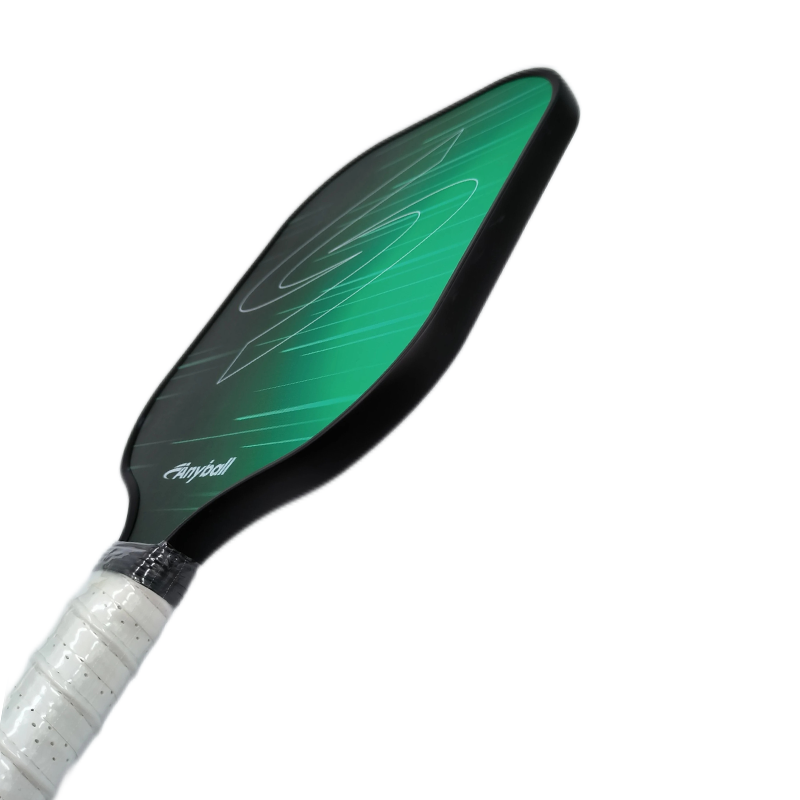
Selecting the right equipment for club members across various skill levels requires careful consideration of performance characteristics, durability, and cost-effectiveness. Fiberglass paddles have emerged as a versatile solution that bridges the gap between beginner-friendly options and advanced performance tools. Understanding how to match paddle specifications with player abilities ensures optimal development and enjoyment for all club members.
Club managers and coaching staff face the challenge of providing equipment that accommodates everyone from complete novices to competitive players. Fiberglass paddles offer unique advantages in construction and performance that make them suitable for diverse skill ranges. The composite nature of fiberglass provides consistent ball response while maintaining affordability compared to premium materials like carbon fiber.
The key lies in understanding how different paddle characteristics affect gameplay and player development. Weight distribution, surface texture, and core composition all influence how fiberglass paddles perform in various playing situations. By analyzing these factors alongside skill level requirements, clubs can make informed decisions that benefit their entire membership.
Understanding Fiberglass Paddle Construction
Core Materials and Their Impact
The core material significantly influences how fiberglass paddles perform across different skill levels. Polymer honeycomb cores provide excellent power and control balance, making them ideal for intermediate players who are developing their game. These cores offer consistent ball response while absorbing vibrations effectively, reducing arm fatigue during extended play sessions.
Nomex cores in fiberglass paddles deliver enhanced power for advanced players who can control their shots effectively. The harder surface provides more energy transfer but requires better technique to maintain accuracy. Beginner players may find Nomex cores too aggressive initially, making polymer cores more suitable for skill development.
Aluminum cores represent another option for clubs considering fiberglass paddles. These cores provide maximum power but can be unforgiving for newer players. Advanced club members often prefer aluminum-core fiberglass paddles for competitive play where power generation is crucial.
Surface Characteristics
Fiberglass surfaces offer varying degrees of texture that affect spin generation and ball control. Textured surfaces help players develop spin techniques more easily, making them excellent choices for intermediate players transitioning to advanced strategies. The consistent grip provided by fiberglass allows for reliable shot execution.
Smooth fiberglass surfaces provide predictable ball response without excessive spin, making them suitable for beginners who are still learning fundamental strokes. These paddles help develop proper technique without the complications that excessive spin can introduce to new players.
The durability of fiberglass surfaces ensures that club equipment maintains consistent performance characteristics over time. This reliability is essential for training environments where paddles receive heavy use from multiple players with varying skill levels.
Skill Level Considerations
Beginner Player Requirements
New players benefit from fiberglass paddles that emphasize control and forgiveness over raw power. Lighter weight options in the 7.5 to 8.2 ounce range allow beginners to develop proper swing mechanics without excessive strain. The consistent response of fiberglass helps new players build confidence in their shot-making ability.
Larger sweet spots in fiberglass paddles accommodate the less precise contact points common among beginners. This forgiveness factor reduces frustration and allows new players to focus on fundamental techniques rather than perfect ball placement on the paddle face.
The moderate price point of quality fiberglass paddles makes them accessible for clubs building beginner-friendly equipment inventories. Durability ensures that these paddles withstand the learning process while providing consistent performance as skills improve.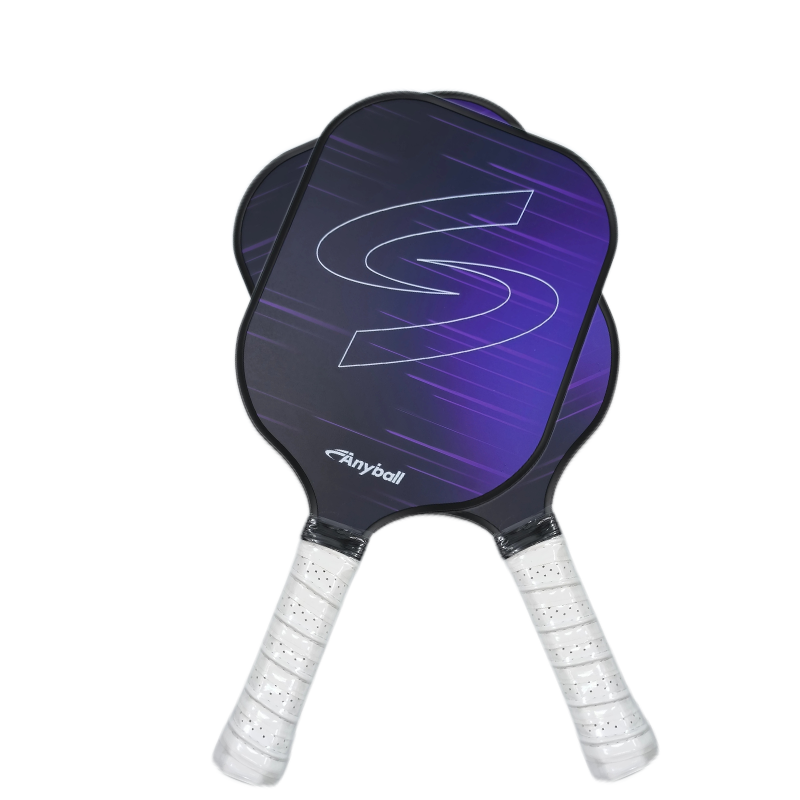
Intermediate Player Development
Players transitioning from beginner to intermediate levels need fiberglass paddles that support skill development while introducing advanced features. Medium weight options between 8.0 and 8.6 ounces provide the stability necessary for developing power while maintaining maneuverability for quick exchanges.
Textured fiberglass surfaces become more important at this level as players learn spin techniques and shot placement strategies. The consistent grip characteristics of quality fiberglass allow intermediate players to experiment with different stroke techniques safely.
Clubs should consider fiberglass paddles with balanced weight distribution for intermediate players. This balance helps develop proper swing mechanics while providing enough power for competitive play as skills advance.
Advanced Performance Features
Power Generation Capabilities
Advanced players require fiberglass paddles that can generate substantial power while maintaining control precision. Heavier options in the 8.4 to 9.0 ounce range provide the mass necessary for powerful drives while still allowing for quick defensive reactions.
The stiffness characteristics of fiberglass construction contribute to efficient energy transfer from player to ball. Advanced players can capitalize on this efficiency to create powerful shots while maintaining the control needed for strategic placement.
Edge guard design and paddle shape become more critical for advanced play. Fiberglass paddles with optimized edge guards reduce air resistance while maintaining structural integrity during aggressive play styles.
Control and Spin Generation
High-level players depend on fiberglass paddles that provide consistent spin generation capabilities. The surface texture and construction methods of quality fiberglass paddles enable reliable topspin, backspin, and side spin application for tactical advantage.
The vibration dampening properties of fiberglass construction help advanced players maintain control during extended rallies. This stability allows for precise shot placement even under pressure situations common in competitive play.
Consistent ball response from fiberglass paddles enables advanced players to develop signature shots and playing styles. The predictable performance characteristics support the muscle memory development necessary for high-level play.
Club Selection Strategies
Budget Considerations
Clubs must balance quality requirements with budget constraints when selecting fiberglass paddles for different skill levels. Bulk purchasing options often provide cost savings while ensuring consistent equipment quality across the membership.
The longevity of well-constructed fiberglass paddles provides excellent value for club investments. Durability testing and warranty considerations should factor into selection decisions to maximize long-term cost effectiveness.
Consider graduated pricing structures that allow members to upgrade their equipment as skills develop. This approach encourages continued engagement while managing club equipment costs effectively.
Inventory Management
Maintaining appropriate ratios of fiberglass paddles for different skill levels requires careful planning and monitoring. Track usage patterns and member skill development to optimize inventory distribution and replacement scheduling.
Standardizing on specific fiberglass paddle models can simplify maintenance and replacement processes while ensuring consistent playing experiences across skill levels. Member feedback should guide selection criteria and replacement timing.
Consider seasonal demand variations and new member influx when planning fiberglass paddle inventory levels. Adequate beginner equipment availability supports club growth while advanced options retain experienced members.
Maintenance and Longevity
Care Instructions
Proper maintenance extends the lifespan of fiberglass paddles across all skill levels. Establish cleaning protocols that preserve surface texture while removing dirt and oils that accumulate during play.
Temperature storage considerations protect fiberglass paddles from environmental damage. Extreme temperatures can affect the composite materials and adhesives used in construction, potentially compromising performance characteristics.
Regular inspection procedures help identify wear patterns and potential issues before they affect paddle performance. Early detection of edge guard damage or surface wear allows for timely replacement or repair decisions.
Replacement Criteria
Establish clear criteria for determining when fiberglass paddles need replacement based on usage levels and performance degradation. Consistent replacement standards ensure all members have access to properly functioning equipment.
Track paddle performance metrics such as weight changes, surface texture degradation, and structural integrity to make data-driven replacement decisions. This systematic approach optimizes equipment budgets while maintaining quality standards.
Consider member skill progression when evaluating fiberglass paddle replacement needs. Players advancing to higher skill levels may require different paddle specifications rather than simple replacements of existing equipment.
FAQ
What weight range works best for beginner players using fiberglass paddles?
Beginner players should start with fiberglass paddles weighing between 7.5 and 8.2 ounces. This weight range provides adequate control while preventing arm fatigue during the learning process. Lighter weights allow new players to develop proper swing mechanics and build strength gradually as their skills improve.
How do fiberglass paddles compare to composite options for club use?
Fiberglass paddles offer excellent durability and consistent performance at moderate price points, making them ideal for club environments. While premium composite materials may provide slight performance advantages, fiberglass paddles deliver reliable functionality across all skill levels while maintaining cost-effectiveness for bulk purchases.
What surface texture should clubs prioritize when selecting fiberglass paddles?
Clubs should maintain a mix of textured and smooth surface fiberglass paddles to accommodate different skill levels and playing preferences. Textured surfaces benefit intermediate and advanced players developing spin techniques, while smooth surfaces provide predictable ball response for beginners focusing on fundamental skills.
How often should clubs replace their fiberglass paddles?
Replacement frequency depends on usage intensity and care quality, but most club fiberglass paddles require replacement every 18-24 months under normal conditions. Regular inspection for surface wear, edge guard damage, and weight changes helps determine optimal replacement timing while maintaining performance standards for all members.