EN
EN


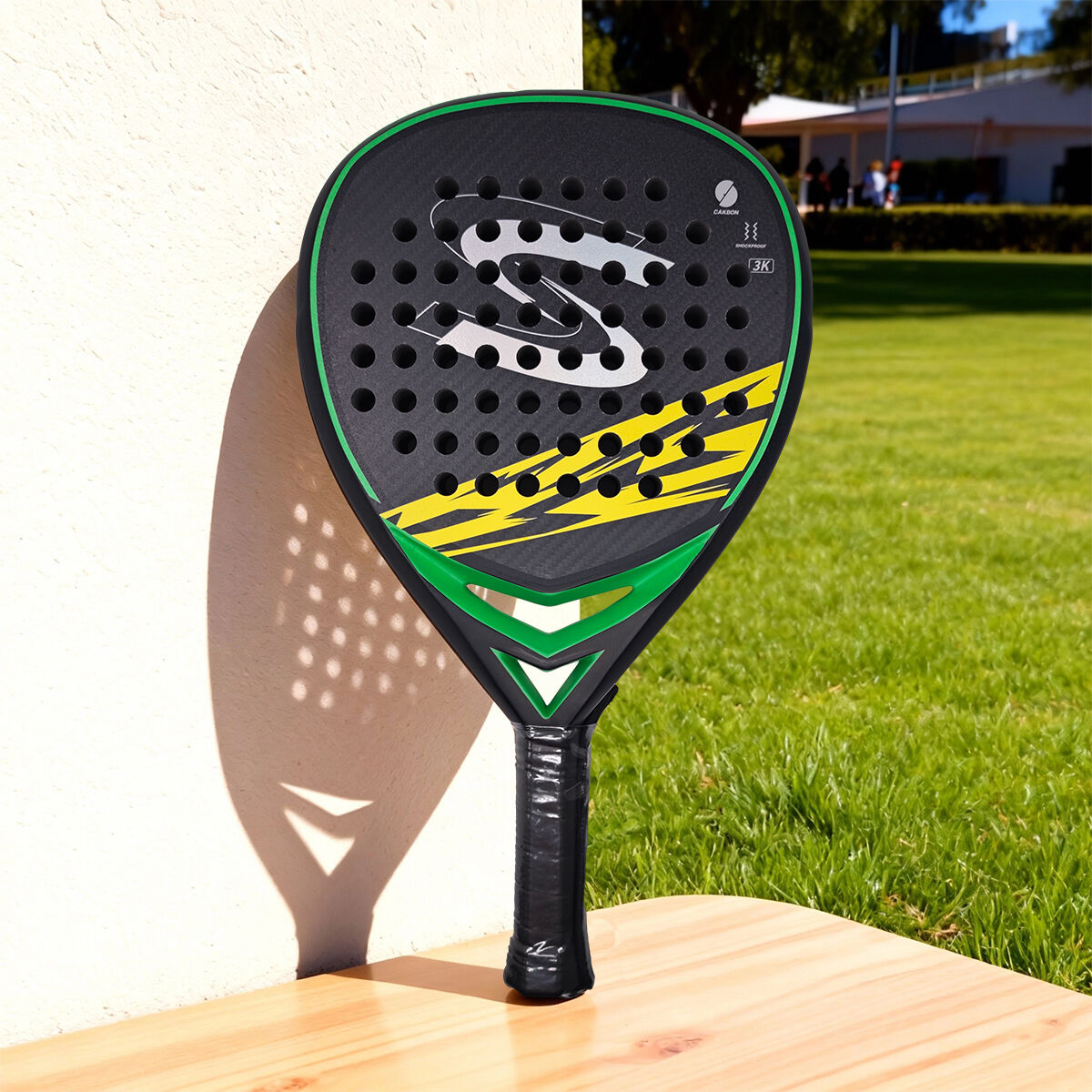
Customization has become a game-changing factor in modern beach tennis equipment, fundamentally transforming how players approach their game performance. A customized beach tennis racket allows players to optimize key performance characteristics such as power generation, control precision, and handling comfort to match their individual playing style and skill level. Unlike standard off-the-shelf equipment, customization enables players to fine-tune weight distribution, surface texture, grip size, and balance points to create a racket that responds precisely to their technique and tactical preferences.
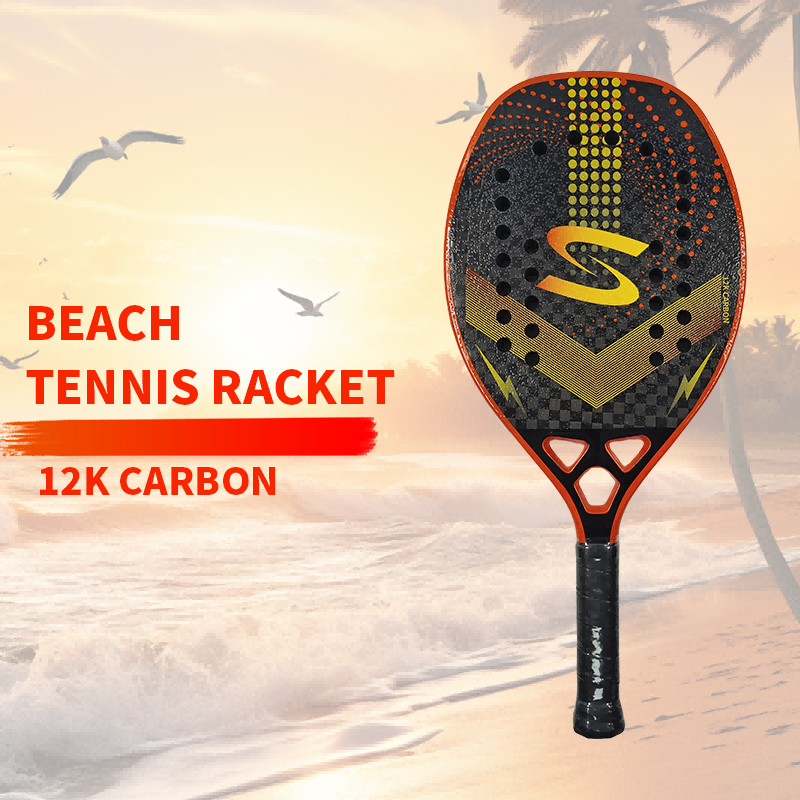
The performance improvements achieved through beach tennis racket customization extend far beyond simple comfort adjustments. Professional and recreational players alike report significant enhancements in shot consistency, power transfer efficiency, and tactical versatility when using equipment tailored to their biomechanics and playing approach. Customization addresses the unique demands of beach tennis, where factors like sand surface interaction, wind resistance, and extended rally durations require specialized equipment configurations that standard models cannot provide effectively.
Weight Distribution and Balance Optimization
Head-Heavy vs. Head-Light Configurations
The balance point of a beach tennis racket dramatically influences power generation and maneuverability during play. Customizing weight distribution allows players to optimize their racket for specific playing styles and court positions. Head-heavy configurations concentrate mass toward the racket face, creating increased momentum during swing motion and generating more power on baseline shots and aggressive volleys.
Players who favor powerful groundstrokes and attacking play benefit significantly from head-heavy customization, as the additional mass behind the ball creates deeper penetration and more pace on shots. However, this configuration requires stronger wrist and forearm stability, making it particularly suitable for players with developed technique and physical conditioning.
Conversely, head-light beach tennis racket configurations provide enhanced maneuverability and faster swing speeds, making them ideal for defensive players and those who prioritize quick reactions at the net. The reduced head weight allows for more precise placement and better control during rapid exchanges, though it may sacrifice some raw power potential.
Overall Weight Customization Benefits
Total racket weight customization addresses individual player strength and endurance capabilities while optimizing performance output. Heavier beach tennis racket models provide increased stability and power transmission but demand greater physical conditioning and technique refinement. Players with strong fundamentals often benefit from additional weight, as it reduces vibration on off-center hits and provides more consistent ball response.
Lighter customized rackets offer improved swing speed and reduced fatigue during extended matches, making them particularly valuable for recreational players and those developing their technique. The reduced mass allows for quicker recovery between shots and better defensive capabilities, though players must generate power through technique rather than equipment mass.
Custom weight distribution also affects the rotational inertia of the racket, influencing how quickly players can change direction during volley exchanges and defensive situations. Properly balanced customization creates an optimal relationship between power generation and maneuverability that matches each player's physical capabilities and tactical approach.
Surface Texture and Ball Control Enhancement
Rough Surface Technology Implementation
Surface texture customization represents one of the most significant performance advantages available in modern beach tennis racket design. Rough surface textures increase ball contact time and friction coefficient, allowing players to impart more spin and achieve better directional control during shots. This enhanced grip on the ball creates opportunities for more aggressive shot angles and improved defensive capabilities.
The textured surface interacts differently with the felt-covered balls used in beach tennis, creating micro-friction that enables players to generate topspin, slice, and sidespin more effectively. This spin generation capability becomes particularly valuable in windy coastal conditions where ball trajectory control is essential for consistent performance.
Customized surface textures also provide better response on touch shots and drop volleys, allowing players to execute more sophisticated tactical play. The increased ball control enables players to place shots with greater precision, opening up court positioning advantages and creating more opportunities for winning shots.
Material Composition and Feel Optimization
Advanced material combinations in customized beach tennis racket surfaces provide players with enhanced feedback and ball sensation during contact. Carbon fiber weaves, EVA foam cores, and specialized surface coatings can be customized to create specific feel characteristics that match player preferences and playing conditions.
Different material densities and compositions affect the dwell time of the ball on the racket face, influencing both power transfer and control capabilities. Softer surface materials provide increased feel and touch sensitivity, while firmer compositions deliver more direct power transmission and crisp ball response.
Customization allows players to optimize the balance between power and control based on their individual technique and tactical requirements. Players with refined touch can benefit from softer surface materials that provide enhanced ball sensation, while power players may prefer firmer compositions that maximize energy transfer efficiency.
Grip Size and Comfort Personalization
Handle Dimensions and Hand Compatibility
Proper grip size customization fundamentally impacts a player's ability to generate power, maintain control, and prevent injury during beach tennis play. An appropriately sized grip allows for optimal finger positioning and wrist mechanics, enabling players to execute their full range of shots with maximum efficiency and minimum strain.
Undersized grips force players to squeeze more tightly to maintain racket control, leading to premature fatigue and reduced shot precision. This excessive grip tension also interferes with wrist snap and follow-through mechanics, limiting power generation and increasing the risk of tennis elbow and other overuse injuries.
Oversized grips prevent proper finger positioning and reduce the ability to manipulate the beach tennis racket face angle during shots. Players with oversized grips often struggle with touch shots and volleys, as the reduced finger sensitivity makes it difficult to make subtle adjustments during ball contact.
Surface Texture and Moisture Management
Customized grip surfaces address the unique challenges of beach tennis environments, where sand, moisture, and extended sun exposure can compromise grip security and comfort. Specialized grip materials and textures provide consistent traction regardless of weather conditions or perspiration levels.
Moisture-wicking grip materials prevent slippage during intense rallies and maintain consistent feel throughout long playing sessions. Some customized grips incorporate perforations or channel designs that enhance ventilation and reduce heat buildup during extended play in sunny conditions.
The grip customization process also considers hand sensitivity and comfort preferences, as beach tennis often involves longer playing sessions than traditional tennis. Cushioning materials and ergonomic shaping reduce pressure points and vibration transmission, helping players maintain peak performance throughout extended matches and practice sessions.
String Pattern and Tension Customization
Open vs. Dense String Configurations
String pattern customization significantly influences the playing characteristics of a beach tennis racket, affecting power generation, spin potential, and ball control capabilities. Open string patterns with fewer crossing points provide larger sweet spots and enhanced power output, making them suitable for players who prioritize pace and penetration on their shots.
The increased spacing between strings in open patterns allows for greater string movement during ball contact, creating a trampoline effect that amplifies power generation. This configuration also enables more aggressive spin production, as the strings can grip and release the ball more dramatically during contact.
Dense string patterns with more crossing points offer superior control and precision, making them ideal for players who emphasize placement and tactical play. The reduced string movement provides more predictable ball response and better directional control, though it may sacrifice some power potential.
Tension Optimization for Playing Conditions
String tension customization allows players to fine-tune their beach tennis racket response to match playing conditions and personal preferences. Higher tensions provide more control and crisp ball response, while lower tensions offer increased power and larger effective sweet spots.
Beach tennis conditions often require specific tension adjustments to compensate for environmental factors such as humidity, temperature, and altitude. Coastal environments with high humidity may necessitate tension adjustments to maintain optimal string response and prevent excessive power loss.
The relationship between string tension and customized racket weight also influences overall performance characteristics. Heavier rackets often benefit from slightly higher tensions to maintain control, while lighter beach tennis racket models may perform better with reduced tensions to maximize power output and forgiveness on off-center hits.
Advanced Material Technology Integration
Carbon Fiber Layup Customization
Advanced carbon fiber construction allows for precise customization of flex patterns and stiffness zones throughout the beach tennis racket frame. Different carbon fiber weave orientations and density distributions create specific performance characteristics that can be tailored to individual playing styles and biomechanics.
Customized layup schedules enable manufacturers to create varying flex points that optimize energy storage and release during the swing motion. Stiffer racket throats provide better stability and power transmission, while more flexible tip sections can enhance maneuverability and touch shot capabilities.
The integration of different carbon fiber grades and weave patterns throughout the frame allows for fine-tuning of vibration characteristics and ball feedback. Players sensitive to impact shock can benefit from damping materials integrated into the layup, while others may prefer direct feedback for enhanced ball sensation.
Core Material Optimization
Core material customization in beach tennis racket construction affects power generation, comfort, and durability characteristics. EVA foam cores can be varied in density and cell structure to create specific performance profiles that match player requirements and playing intensity levels.
Higher density core materials provide more direct power transmission and longer durability, making them suitable for aggressive players and intensive training environments. These materials maintain their performance characteristics longer under heavy use and provide consistent response throughout the racket's lifespan.
Lower density cores offer enhanced comfort and shock absorption, reducing vibration transmission and providing a softer ball feel. This customization option benefits players prone to arm fatigue or those seeking maximum comfort during extended playing sessions on beach courts.
FAQ
How much performance improvement can I expect from customizing my beach tennis racket?
Performance improvements from beach tennis racket customization typically range from 15-30% in areas like shot consistency, power generation, and comfort, depending on how well the modifications match your playing style. Players often notice immediate improvements in ball control and reduced fatigue, with more significant gains developing over several weeks as they adapt to the optimized equipment characteristics.
What is the most important customization factor for recreational beach tennis players?
Grip size and weight distribution represent the most impactful customizations for recreational players, as these directly affect comfort, control, and injury prevention. Proper grip sizing reduces hand fatigue and improves shot accuracy, while optimized weight distribution makes the beach tennis racket feel more natural and responsive during play.
How often should I recustomize or adjust my beach tennis racket specifications?
Most players benefit from reassessing their beach tennis racket customization every 6-12 months, particularly as their skill level develops or playing frequency changes. Physical conditioning improvements, technique refinements, and tactical evolution may warrant adjustments to weight, balance, or grip specifications to maintain optimal performance alignment.
Can customization help address specific technical weaknesses in my beach tennis game?
Yes, targeted customization can address many technical limitations by optimizing equipment characteristics to support proper biomechanics and shot execution. For example, players struggling with power can benefit from head-heavy customization, while those lacking control may improve with denser string patterns and modified grip sizes that enhance precision and ball placement capabilities.
Table of Contents
- Weight Distribution and Balance Optimization
- Surface Texture and Ball Control Enhancement
- Grip Size and Comfort Personalization
- String Pattern and Tension Customization
- Advanced Material Technology Integration
-
FAQ
- How much performance improvement can I expect from customizing my beach tennis racket?
- What is the most important customization factor for recreational beach tennis players?
- How often should I recustomize or adjust my beach tennis racket specifications?
- Can customization help address specific technical weaknesses in my beach tennis game?