EN



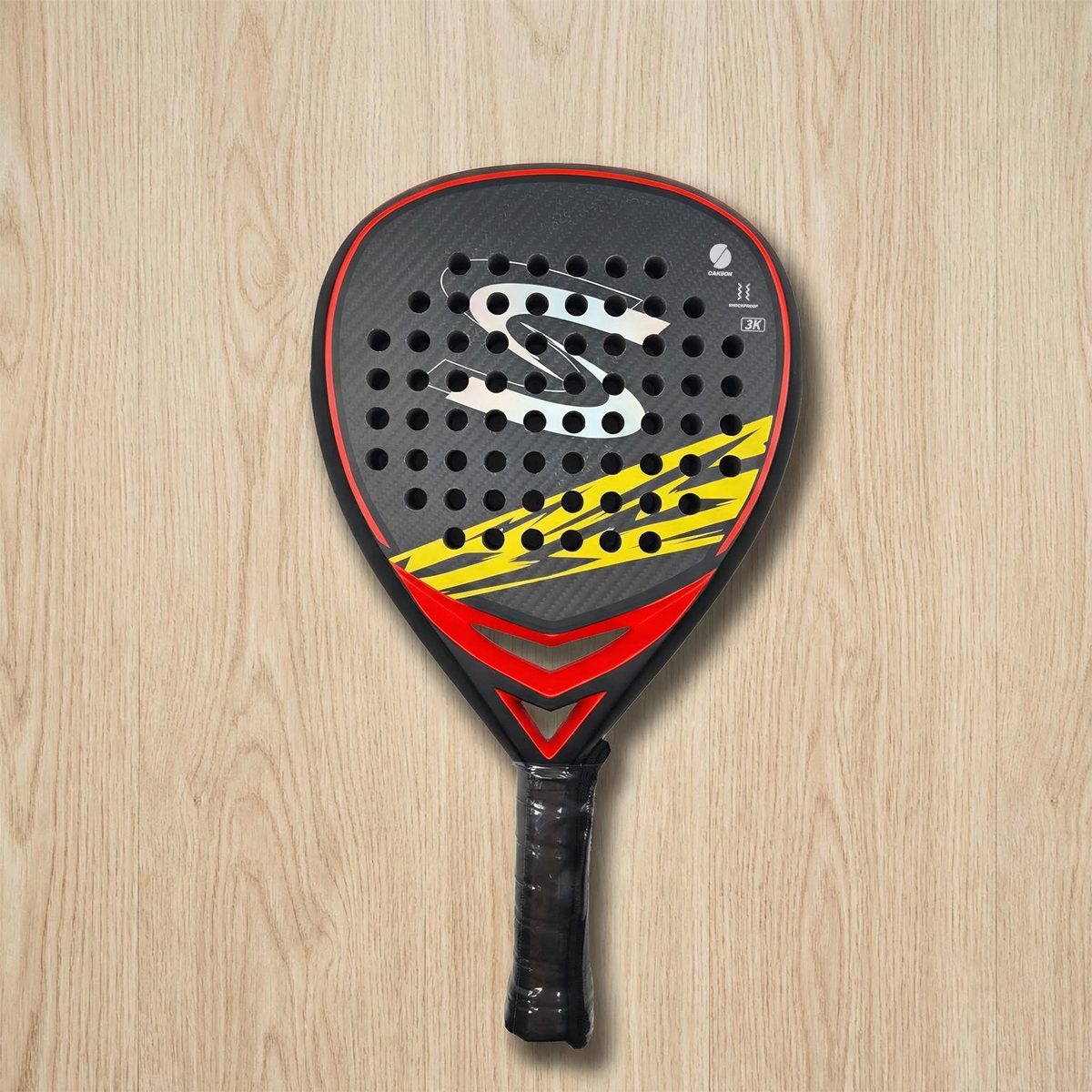
Your choice of racket padel directly shapes how you approach every point, rally, and match. The racket padel you select influences your court positioning, shot selection, and tactical decision-making in ways that go far beyond simple equipment preference. Whether you prioritize power, control, or balance, your racket padel fundamentally determines the range of strategies available to you during competitive play. Understanding this relationship is essential for players who want to elevate their game and make deliberate, data-driven choices about their equipment investments.
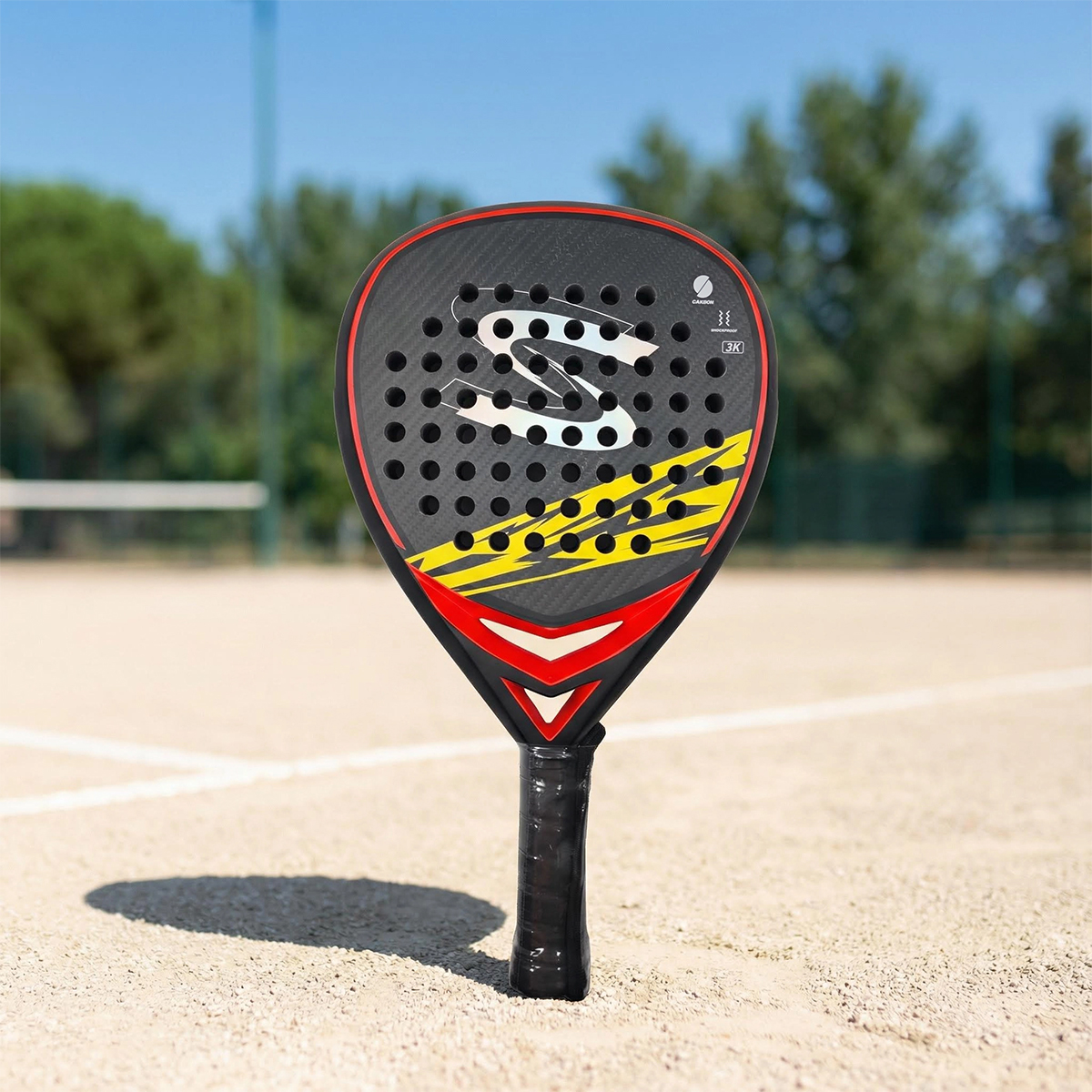
The racket padel you carry onto the court is not merely a tool; it is a strategic anchor that defines your offensive capabilities, defensive positioning, and tactical flexibility. A well-matched racket padel amplifies your strengths and compensates for technical limitations, allowing you to execute your intended game plan with confidence. Players who understand how their racket padel affects their performance gain a critical competitive edge, as they can align their equipment with their playing style and match conditions.
Power Output and Offensive Strategy
How Racket Padel Weight Affects Shot Force
The weight of your racket padel directly influences how much force you can generate on offensive shots. A heavier racket padel naturally transfers more momentum through the ball, enabling penetrating attacks that push opponents deeper into the court. However, increased weight also demands greater arm strength and increases fatigue over extended matches, which can degrade your consistency in the final set. Conversely, a lighter racket padel allows faster swing speeds and quicker recovery between shots, making it ideal for aggressive players who rely on timing and reflexes rather than raw power. Your choice between these extremes defines whether your racket padel strategy emphasizes sustained power or rapid ball acceleration.
Sweet Spot Size and Consistency
The effective striking zone, or sweet spot, of your racket padel determines how forgiving it is on off-center hits. A racket padel with a larger sweet spot delivers consistent power even when you do not make perfect contact, which is critical during fast-paced exchanges at the net. Conversely, a compact racket padel with a smaller sweet spot demands precise technique but rewards pure strikes with superior directional control. Players developing their racket padel strategy must balance the security of a forgiving frame against the precision demanded by competitive opponents. This choice fundamentally shapes your confidence level during high-pressure moments and influences whether you attack or consolidate during rallies.
Control Precision and Defensive Tactics
Frame Stiffness and Touch Sensitivity
The stiffness rating of your racket padel determines how much feedback you receive through each shot and how precisely you can place the ball. A stiffer racket padel provides instant feedback and allows surgical placement on delicate drop shots and angled attacks, giving you superior tactical options near the net. A more flexible racket padel absorbs impact energy, reducing vibration and arm strain, while offering greater margin for error on mistimed shots. Your racket padel's stiffness directly correlates with your ability to execute defensive passing shots and recovery strokes when opponents attack. Understanding your racket padel's flex profile allows you to design rallies that exploit your control advantages and neutralize your opponent's power game.
Spin Generation and Ball Movement
The surface texture and frame geometry of your racket padel influence spin generation capabilities, which are fundamental to padel strategy. A racket padel designed for high spin enables aggressive topspin attacks and severe slice serves that force errors and defensive responses from opponents. Players using a spin-optimized racket padel can shorten rallies through aggressive angles and steep net approaches, fundamentally changing match dynamics. Conversely, a racket padel optimized for penetrating drives prioritizes pace and directional control over spin variety. Your racket padel choice here determines whether your tactical approach emphasizes rally variation or sustained pressure, substantially altering how opponents must prepare for each point.
Movement Efficiency and Endurance Strategy
Balance Point and Court Coverage
The balance point of your racket padel affects how quickly you recover between shots and how efficiently you cover the court. A racket padel balanced toward the head generates power but requires greater muscle activation during recovery movements, increasing fatigue accumulation. A racket padel balanced toward the handle improves maneuverability and reduces energy expenditure on positioning, allowing sustained pressure throughout longer matches. Your racket padel selection here directly impacts your ability to maintain aggressive positioning at the net, where matches are won and lost in padel. Players who choose a racket padel suited to their physical fitness levels and match duration expectations maintain superior court position and tactical control as fatigue increases across the contest.
Aerodynamics and Swing Speed
The aerodynamic profile and frame design of your racket padel affect how quickly you can execute shots from various court positions. A racket padel with optimized frame geometry minimizes air resistance, enabling faster preparation times and shorter reaction windows against attacking opponents. This aerodynamic advantage directly translates to tactical superiority at the net, where quick hands are essential for offensive finishing. Players using a streamlined racket padel can execute aggressive net volley strategies with confidence, knowing their racket padel geometry supports rapid shot execution. Conversely, a more traditional racket padel frame may impose slight delays in swing initiation, subtly shifting your tactical approach toward patience and positioning rather than aggressive finishing at net.
FAQ
How does racket padel weight affect match performance over time?
Racket padel weight directly impacts fatigue accumulation and shot consistency as matches progress. A heavier racket padel delivers powerful opening attacks but progressively increases arm strain in extended rallies, potentially degrading accuracy in the third set. A lighter racket padel distributes physical demands more evenly across the match duration, enabling consistent shot execution even as fatigue increases. Players should select a racket padel weight that balances their desired power output against their realistic endurance capacity during competitive play.
Can a racket padel alone improve my tactical decision-making?
A racket padel cannot independently improve tactical judgment, but it can expand or constrain your available tactical options. A versatile racket padel suited to your playing style removes equipment-based barriers to executing your preferred strategies, allowing your tactical knowledge to translate into consistent match results. Conversely, a poorly matched racket padel forces you to adopt uncomfortable tactics that do not align with your strengths. The racket padel you choose should align with your strategic vision, not force unwanted adjustments to your game plan.
Should I change my racket padel strategy during matches?
Your racket padel is fixed for the duration of a match, but your tactical approach should adapt to match conditions and opponent responses. However, understanding your racket padel's capabilities allows you to shift tactics confidently within its design parameters. A racket padel optimized for aggressive net play may limit defensive options, whereas a balanced racket padel offers broader tactical flexibility. Successful players know their racket padel intimately and adjust their strategic emphasis based on how effectively their chosen equipment is functioning in real-time competitive conditions.