EN
EN



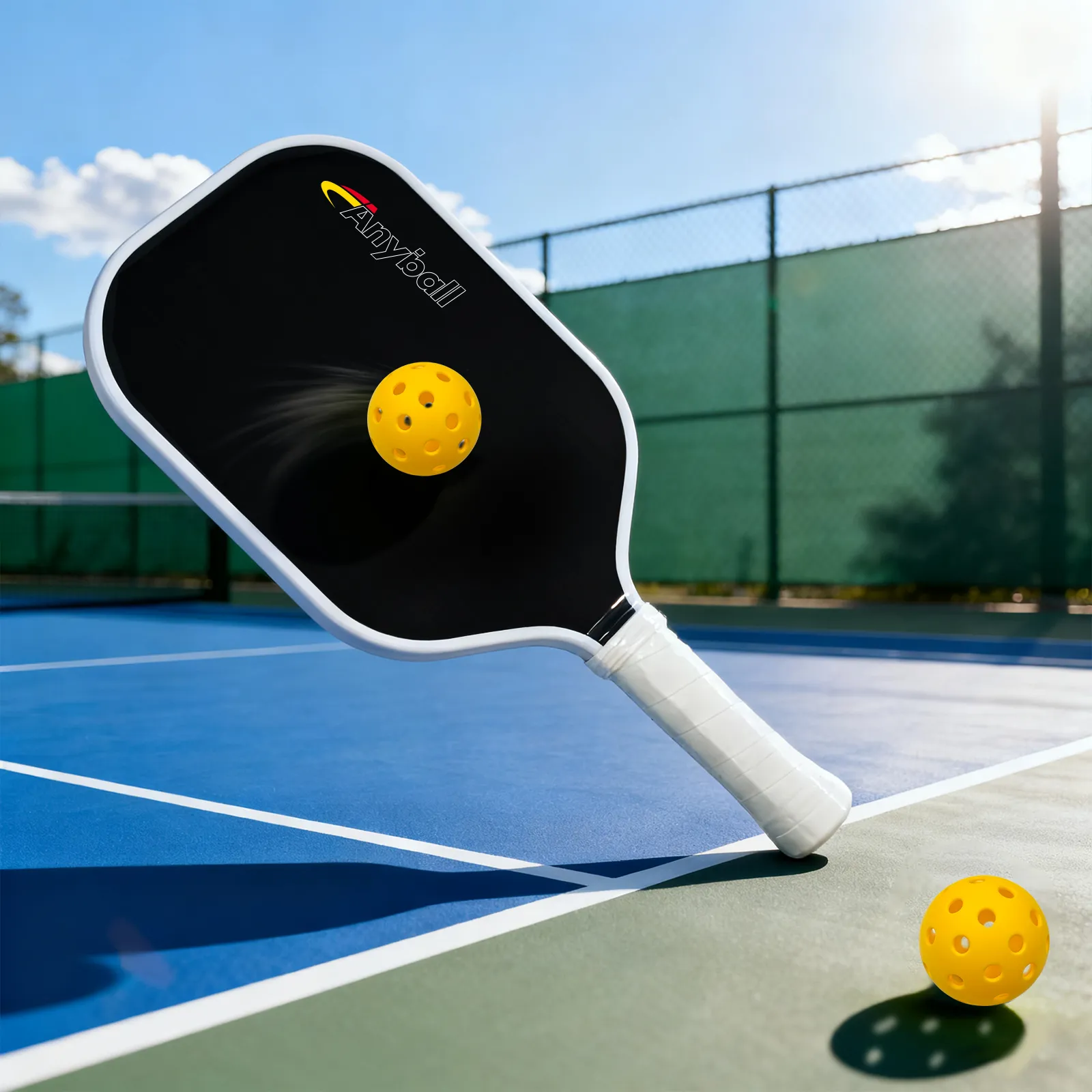
Selecting the right gen 4 pickleball paddle for club training programs requires careful consideration of multiple technical and practical factors that directly impact player development and program effectiveness. Club managers and coaches face the critical decision of choosing equipment that serves diverse skill levels while maintaining consistency across training sessions and providing long-term value for their investment.
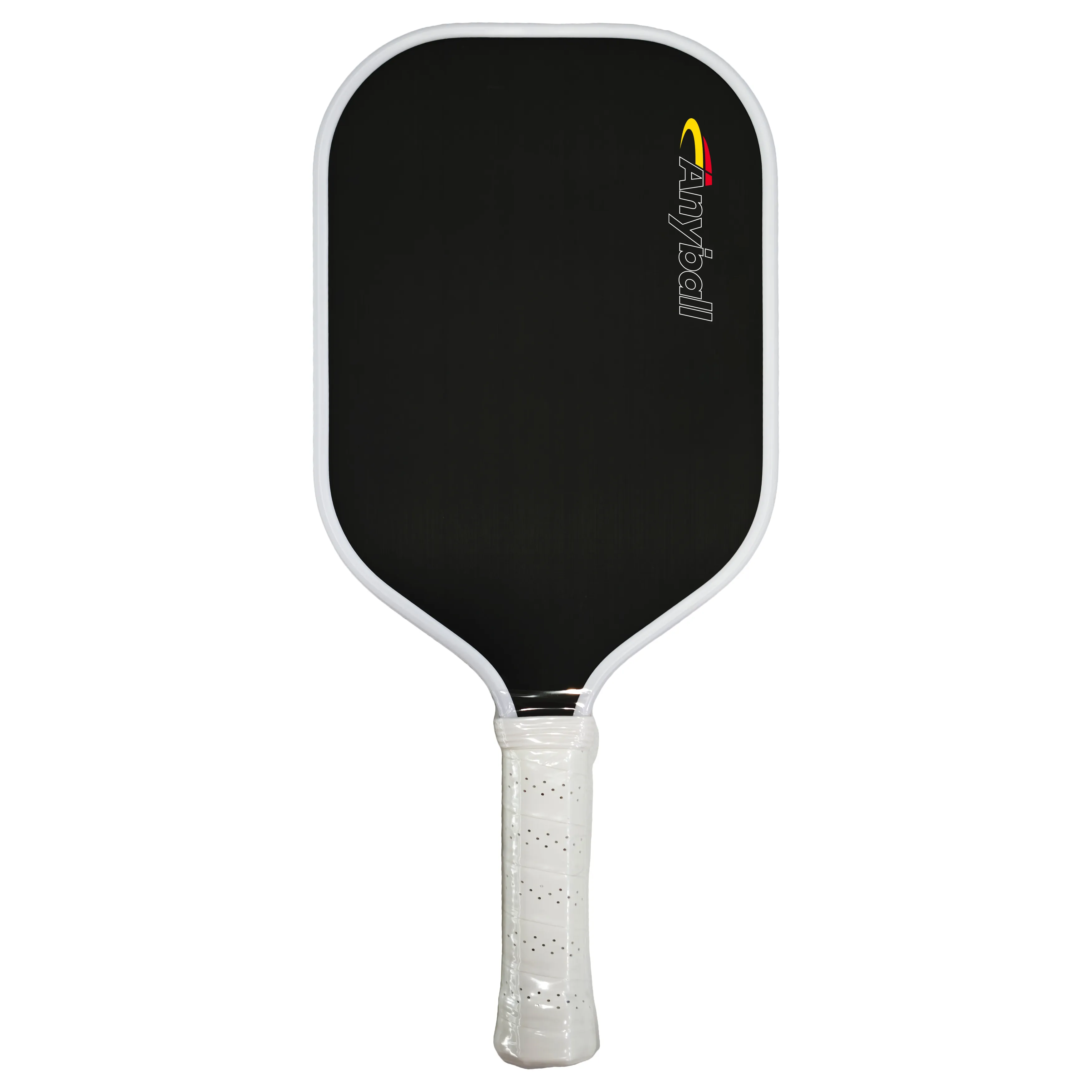
The selection process becomes more complex when considering that training programs serve players ranging from complete beginners to competitive athletes, each requiring specific performance characteristics from their equipment. Modern gen 4 pickleball paddle technology offers advanced features that can significantly enhance training effectiveness when properly matched to program objectives and participant needs.
Understanding Gen 4 Technology Requirements for Training
Core Construction Standards for Training Durability
Training programs demand exceptional durability from their equipment due to intensive daily use across multiple skill levels. A quality gen 4 pickleball paddle designed for training environments should feature polymer honeycomb core construction that withstands repeated impact stress while maintaining consistent performance characteristics throughout extended use periods.
The core thickness specification plays a crucial role in training paddle selection, with 16mm cores providing enhanced power generation suitable for strength development drills, while 14mm cores offer superior control characteristics ideal for precision training exercises. Clubs should evaluate their primary training focus when selecting between these core thicknesses for their paddle inventory.
Advanced gen 4 pickleball paddle designs incorporate thermoformed edge construction that eliminates traditional edge guard systems, creating seamless paddle profiles that resist damage from aggressive training sessions. This construction method significantly extends paddle lifespan while maintaining consistent weight distribution throughout the paddle face.
Surface Technology for Skill Development
Modern training programs benefit from gen 4 pickleball paddle surface technologies that provide predictable ball response across varying swing speeds and contact angles. Carbon fiber face materials offer superior consistency compared to traditional composite surfaces, enabling students to develop muscle memory with reliable feedback from their equipment.
The surface texture specifications directly influence spin generation capabilities, making this factor essential for clubs focused on advancing player technique. Approved surface roughness levels provide optimal grip for teaching spin techniques while remaining compliant with tournament regulations that students may eventually encounter.
Training-specific gen 4 pickleball paddle designs often feature graduated texture patterns that help instructors demonstrate varying spin effects during lessons. These visual and tactile cues assist students in understanding paddle positioning and contact point optimization for different shot types.
Weight and Balance Considerations for Training Programs
Optimal Weight Distribution for Multi-Level Training
Training program paddle selection must balance the needs of beginners who benefit from lighter paddles with advanced players who require additional mass for power development. A comprehensive gen 4 pickleball paddle inventory should include options ranging from 7.5 to 8.5 ounces to accommodate this spectrum of training requirements.
The balance point specification significantly affects how players develop their stroke mechanics during training sessions. Head-light balanced paddles promote faster swing speeds and improved maneuverability for beginners, while head-heavy designs help advanced players develop power and stability in their groundstrokes.
Progressive training programs often utilize multiple paddle weights within individual lessons to help students understand how equipment characteristics affect their playing style. This approach requires careful paddle selection to ensure smooth transitions between different weight categories during skill development exercises.
Handle Specifications for Extended Training Sessions
Extended training sessions demand careful attention to handle comfort and grip security to prevent fatigue and maintain proper technique throughout practice periods. Gen 4 pickleball paddle handles should feature appropriate circumference measurements that accommodate various hand sizes commonly found in club training programs.
Handle length specifications affect two-handed backhand development and overall paddle maneuverability during training drills. Standard 5-inch handles provide optimal control for most training applications, while slightly longer handles may benefit players transitioning from tennis backgrounds.
The grip material quality becomes critical during intensive training sessions where moisture management and tactile feedback directly impact student learning. High-quality cushioned grips reduce vibration transmission and provide consistent feel throughout extended practice periods.
Performance Characteristics for Effective Training
Power and Control Balance for Skill Development
Effective training programs require gen 4 pickleball paddle designs that allow students to experience both power and control aspects of the game without compromising learning progression. Paddles with moderate power ratings enable beginners to generate sufficient ball speed while maintaining accuracy during fundamental stroke development.
The sweet spot size specification directly impacts training effectiveness, with larger sweet spots providing more forgiving performance for developing players. Gen 4 pickleball paddle designs often feature expanded sweet spots through advanced core engineering and face construction techniques.
Training paddles should provide consistent response characteristics across the entire face area to help students develop reliable contact point recognition. This consistency enables instructors to focus on technique refinement rather than compensating for equipment variables during lessons.
Spin Generation Capabilities for Advanced Training
Advanced training programs benefit significantly from gen 4 pickleball paddle designs that facilitate spin generation teaching and practice. Approved surface textures provide sufficient ball grip to demonstrate spin effects while remaining tournament legal for students who advance to competitive play.
The paddle face flexibility characteristics affect spin potential and ball dwell time during contact. Training-focused gen 4 pickleball paddle designs balance these factors to provide clear tactile feedback that helps students understand spin mechanics and timing requirements.
Consistent spin generation capabilities across the paddle inventory enable instructors to standardize their teaching methods and ensure all students receive similar learning experiences regardless of their assigned training paddle.
Budget and Inventory Management for Training Programs
Cost-Effectiveness Analysis for Club Purchases
Training program paddle selection requires careful cost analysis that considers both initial purchase price and long-term replacement costs. High-quality gen 4 pickleball paddle designs often provide superior value through extended lifespan and consistent performance maintenance compared to budget alternatives.
Volume purchasing considerations can significantly impact the overall cost per paddle when establishing or expanding training program inventories. Many manufacturers offer educational discounts or bulk pricing for clubs purchasing multiple paddles simultaneously.
The total cost of ownership includes factors beyond initial purchase price, such as maintenance requirements, replacement frequency, and performance degradation over time. Premium gen 4 pickleball paddle designs typically offer lower total ownership costs despite higher initial investment.
Inventory Standardization Benefits
Standardizing training program inventories around specific gen 4 pickleball paddle models provides numerous operational advantages for club management and instruction staff. Consistent equipment characteristics enable instructors to develop standardized teaching methods that apply across all training sessions.
Maintenance and replacement procedures become more efficient when clubs utilize consistent paddle specifications throughout their training programs. This standardization reduces inventory complexity and simplifies purchasing decisions for future equipment additions.
Student progression tracking becomes more accurate when equipment variables remain consistent across different training levels and instructors. This consistency enables clubs to focus assessment efforts on skill development rather than equipment adaptation.
Implementation Strategies for Training Program Success
Paddle Assignment and Rotation Systems
Effective training programs require systematic approaches to paddle assignment that match student skill levels with appropriate equipment specifications. Beginning students benefit from lighter gen 4 pickleball paddle options that promote proper swing development, while intermediate players may progress to heavier paddles for power development.
Rotation systems help ensure even wear across the paddle inventory while exposing students to slight equipment variations that improve adaptability. Regular rotation schedules also facilitate equipment inspection and maintenance procedures that extend paddle lifespan.
Documentation systems for tracking paddle usage and performance help identify equipment that requires replacement or maintenance attention. This systematic approach prevents equipment failures during training sessions that could disrupt learning progression.
Student Progression and Equipment Transition
Advanced training programs incorporate graduated equipment progression that mirrors student skill development throughout their learning journey. Students typically begin with lighter, more forgiving gen 4 pickleball paddle designs before transitioning to performance-oriented specifications as their technique improves.
Transition timing requires careful assessment of individual student development to ensure equipment changes support rather than hinder learning progression. Premature transitions to advanced paddle specifications can impede technique development, while delayed transitions may limit student advancement.
The final transition involves helping students understand paddle selection criteria for their personal equipment purchases. Training programs serve as testing grounds where students can experience various gen 4 pickleball paddle characteristics before making individual purchasing decisions.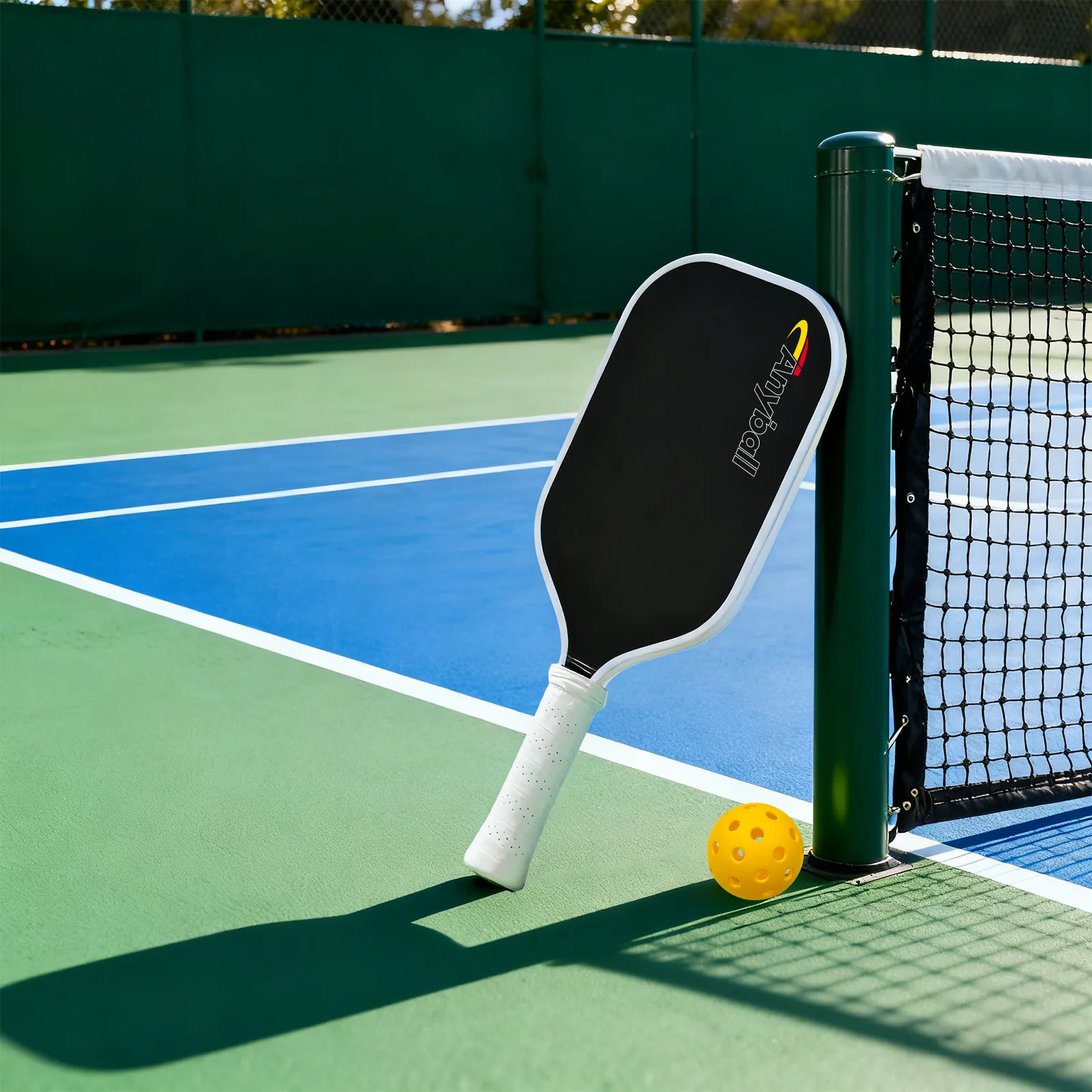
FAQ
What weight range should clubs prioritize when selecting gen 4 pickleball paddles for training programs?
Clubs should prioritize paddle weights between 7.5 and 8.2 ounces for training programs, as this range accommodates most student skill levels while providing appropriate balance between maneuverability and stability. Beginning students typically benefit from lighter paddles around 7.5-7.8 ounces, while intermediate and advanced students can effectively use paddles in the 8.0-8.2 ounce range for power development and improved stability during aggressive play.
How many gen 4 pickleball paddles should a club maintain for a typical training program?
A typical club training program should maintain 1.5 to 2 paddles per maximum class capacity to account for simultaneous sessions, equipment rotation, and maintenance requirements. For example, a club with maximum class sizes of 12 students should maintain 18-24 training paddles to ensure adequate equipment availability while allowing for cleaning, maintenance, and replacement scheduling without disrupting program operations.
What core thickness provides the best balance for mixed-skill training groups?
A 16mm core thickness provides the optimal balance for mixed-skill training groups because it offers sufficient power for beginners to generate effective ball speed while maintaining enough control for advanced students to practice precision shots. This thickness specification allows instructors to teach fundamental techniques across skill levels without requiring equipment changes during lessons, while still providing the performance characteristics needed for skill development.
Should clubs choose gen 4 pickleball paddles with specific surface textures for training programs?
Clubs should select gen 4 pickleball paddles with moderate surface textures that provide adequate spin generation capabilities while remaining tournament legal and durable under intensive training use. Excessive surface texture may wear quickly under training conditions, while insufficient texture limits the ability to teach spin techniques effectively. Approved surface textures that comply with USA Pickleball standards offer the best combination of teaching capability and equipment longevity.
Table of Contents
- Understanding Gen 4 Technology Requirements for Training
- Weight and Balance Considerations for Training Programs
- Performance Characteristics for Effective Training
- Budget and Inventory Management for Training Programs
- Implementation Strategies for Training Program Success
-
FAQ
- What weight range should clubs prioritize when selecting gen 4 pickleball paddles for training programs?
- How many gen 4 pickleball paddles should a club maintain for a typical training program?
- What core thickness provides the best balance for mixed-skill training groups?
- Should clubs choose gen 4 pickleball paddles with specific surface textures for training programs?