EN
EN



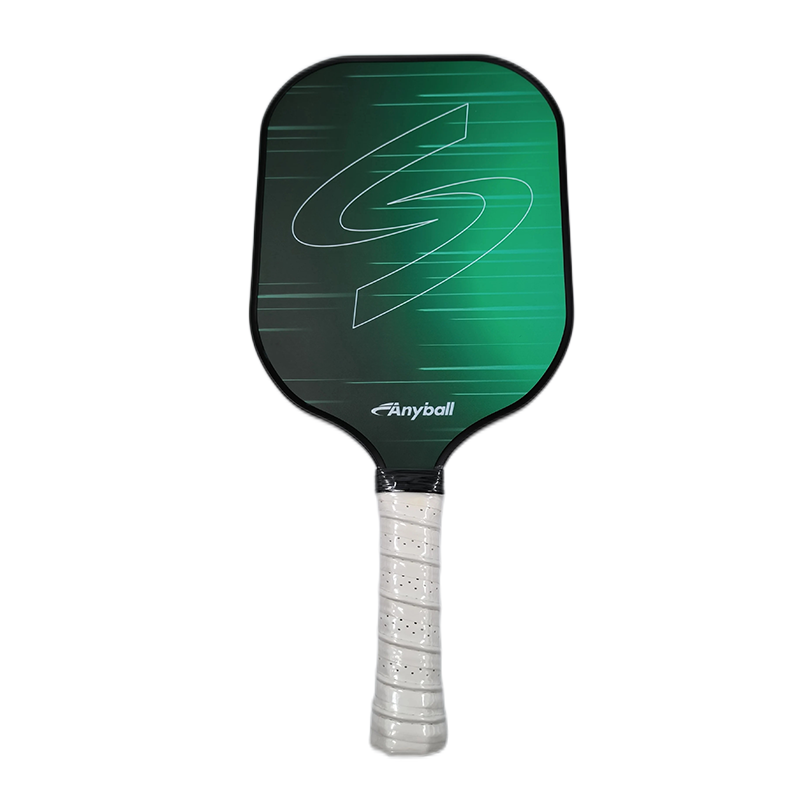
High-end carbon fiber pickleball paddles represent the pinnacle of paddle engineering, incorporating sophisticated design features that directly impact player performance on the court. Understanding these key design elements is essential for players seeking to optimize their game through equipment that delivers consistent power, control, and durability. The evolution of carbon fiber technology in pickleball equipment has resulted in paddles that offer unprecedented precision and responsiveness.
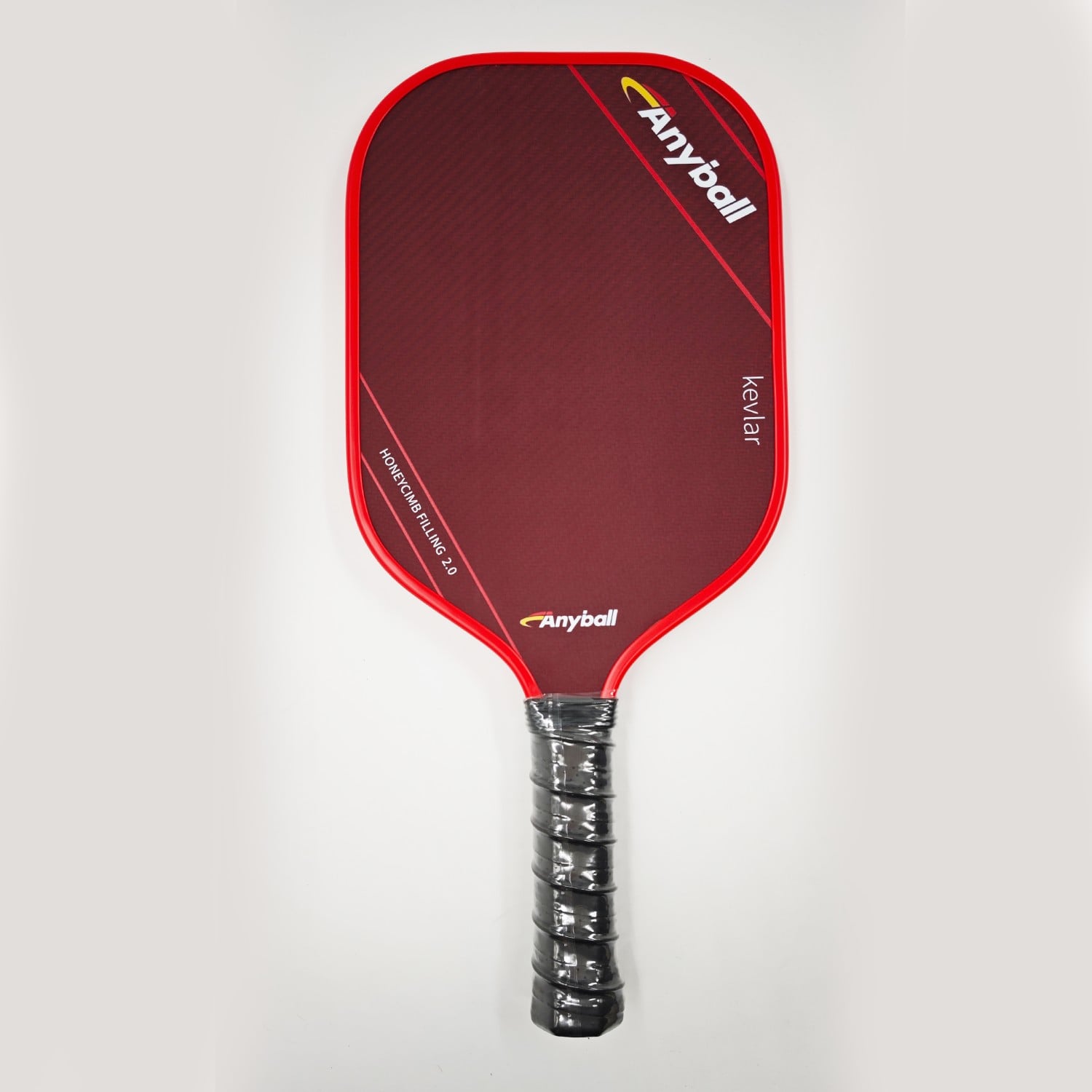
The sophisticated construction of a premium carbon fiber pickleball paddle involves multiple layers of carefully engineered materials that work together to create the optimal playing experience. Each design feature serves a specific purpose, from the face texture that enhances spin generation to the core composition that determines the paddle's power characteristics. These design elements are not arbitrary choices but rather the result of extensive research and development aimed at maximizing player performance across various playing styles and skill levels.
Face Construction and Material Engineering
Carbon Fiber Weave Patterns and Surface Texture
The face of a high-end carbon fiber pickleball paddle features precisely engineered weave patterns that directly influence ball interaction and spin potential. The carbon fiber weave creates a distinctive surface texture that grips the ball during contact, allowing players to generate more spin with less effort. This textured surface is achieved through specific manufacturing processes that maintain the structural integrity of the carbon fiber while optimizing its grip characteristics.
Premium carbon fiber paddles often incorporate varying densities of carbon fiber across different zones of the face. The sweet spot typically features a denser weave pattern that provides maximum power transfer, while the outer edges may have a slightly different configuration to maintain control during off-center hits. This strategic variation in material density ensures that the paddle performs consistently across its entire hitting surface.
The thickness of the carbon fiber face layer also plays a crucial role in paddle performance. High-end models typically use multiple thin layers of carbon fiber rather than a single thick layer, creating a more responsive surface that provides better feel and feedback to the player. This layered construction allows for fine-tuning of the paddle's characteristics during the manufacturing process.
Edge Guard Integration and Protection Systems
The edge guard system on a premium carbon fiber pickleball paddle serves both protective and performance functions. Advanced edge guard designs seamlessly integrate with the paddle face to maintain aerodynamic efficiency while providing comprehensive protection against impact damage. The materials used for edge guards must be carefully selected to complement the carbon fiber construction without adding unnecessary weight.
Modern edge guard systems often extend slightly beyond the paddle face to create a protective barrier that prevents chips and cracks from developing along the paddle's perimeter. This protective feature is particularly important for carbon fiber paddles, as edge damage can compromise the structural integrity of the entire paddle. The edge guard also helps maintain the paddle's shape and prevents delamination of the face material over time.
Core Technology and Power Transfer Systems
Honeycomb Core Architecture
The core of a high-end carbon fiber pickleball paddle typically features a sophisticated honeycomb structure that optimizes weight distribution and power transfer characteristics. This honeycomb architecture provides exceptional strength-to-weight ratio while creating the ideal balance between power and control. The cell size and wall thickness of the honeycomb core are precisely engineered to work in harmony with the carbon fiber face layers.
Different core materials offer varying performance characteristics, with polymer honeycomb cores being particularly popular in premium carbon fiber paddles. These cores provide consistent ball response across the entire face while maintaining the lightweight properties essential for quick hand movements and precise ball placement. The honeycomb structure also contributes to the paddle's distinctive sound and feel during ball contact.
The bonding process between the carbon fiber face and the honeycomb core represents a critical aspect of paddle construction. Advanced manufacturing techniques ensure complete adhesion between these components, preventing delamination and maintaining consistent performance over the paddle's lifespan. This integration creates a unified structure that responds predictably to ball impact forces.
Weight Distribution and Balance Engineering
Premium carbon fiber pickleball paddles feature carefully calculated weight distribution that influences swing characteristics and shot precision. The balance point of the paddle affects how it feels in the hand and how easily players can maneuver it during rapid exchanges. High-end paddles often incorporate strategic weight placement to achieve the optimal balance between head-heavy and head-light characteristics.
The total weight of a carbon fiber pickleball paddle typically ranges from 7.5 to 8.5 ounces, with the distribution of this weight being more important than the absolute value. Advanced paddle designs may incorporate small amounts of additional weight in specific locations to fine-tune the balance and swing weight characteristics.
Handle Design and Grip Interface
Handle Shape and Circumference Optimization
The handle of a high-end carbon fiber pickleball paddle features precisely engineered dimensions that accommodate different grip sizes and playing styles. The circumference of the handle directly affects how securely players can hold the paddle and how effectively they can generate power through proper wrist action. Premium paddles often offer multiple handle size options to ensure optimal fit for individual hand dimensions.
Handle shape profiles vary among high-end carbon fiber paddles, with some featuring octagonal cross-sections that provide additional grip security, while others use rounded profiles for smoother hand repositioning. The length of the handle also influences paddle performance, with longer handles providing more leverage for two-handed shots while shorter handles offer better maneuverability for quick net exchanges.
The construction materials used in the handle core affect both the feel and durability of the paddle. Many premium carbon fiber paddles extend the carbon fiber construction into the handle area, creating a seamless transition that enhances the overall structural integrity and provides consistent flex characteristics throughout the paddle.
Grip Texture and Moisture Management
The grip surface of a premium carbon fiber pickleball paddle incorporates advanced texture patterns designed to maintain secure hand contact even during intense play. These texture patterns are engineered to provide optimal friction without being abrasive to the player's hands. The grip material must also resist moisture absorption while providing a comfortable playing experience over extended periods.
High-end carbon fiber paddles often feature perforated grip surfaces that enhance moisture management and air circulation around the player's hands. This ventilation system helps prevent the buildup of moisture that could compromise grip security during long matches or tournament play. The perforation patterns are strategically placed to maximize airflow without weakening the grip structure.
Advanced Performance Features
Vibration Dampening Technology
Premium carbon fiber pickleball paddles incorporate sophisticated vibration dampening systems that reduce the shock and vibration transmitted to the player's arm during ball impact. These systems typically involve strategically placed dampening materials or design features that absorb unwanted vibrations while preserving the tactile feedback that players need for shot control.
The carbon fiber construction itself provides natural vibration dampening characteristics, but high-end paddles often enhance this effect through additional engineering features. Some paddles incorporate small dampening inserts at key stress points, while others use varying carbon fiber layup patterns to create natural vibration absorption zones.
The effectiveness of vibration dampening directly impacts player comfort and endurance during long playing sessions. A well-designed carbon fiber pickleball paddle minimizes the jarring sensations that can lead to arm fatigue while maintaining the crisp feel that allows players to judge shot quality accurately.
Aerodynamic Design Elements
The aerodynamic characteristics of a high-end carbon fiber pickleball paddle influence swing speed and shot accuracy, particularly during quick defensive movements and overhead shots. The paddle's profile and edge design are optimized to minimize air resistance while maintaining the structural strength necessary for powerful shots.
Advanced paddle designs may incorporate subtle aerodynamic features such as tapered edges or streamlined transitions between the face and handle areas. These design elements reduce drag during swing motion, allowing players to generate higher paddle speeds with less effort. The aerodynamic efficiency becomes particularly important during rapid exchanges at the net where split-second reactions can determine the outcome of the point.
Quality Control and Manufacturing Precision
Consistency in Production Standards
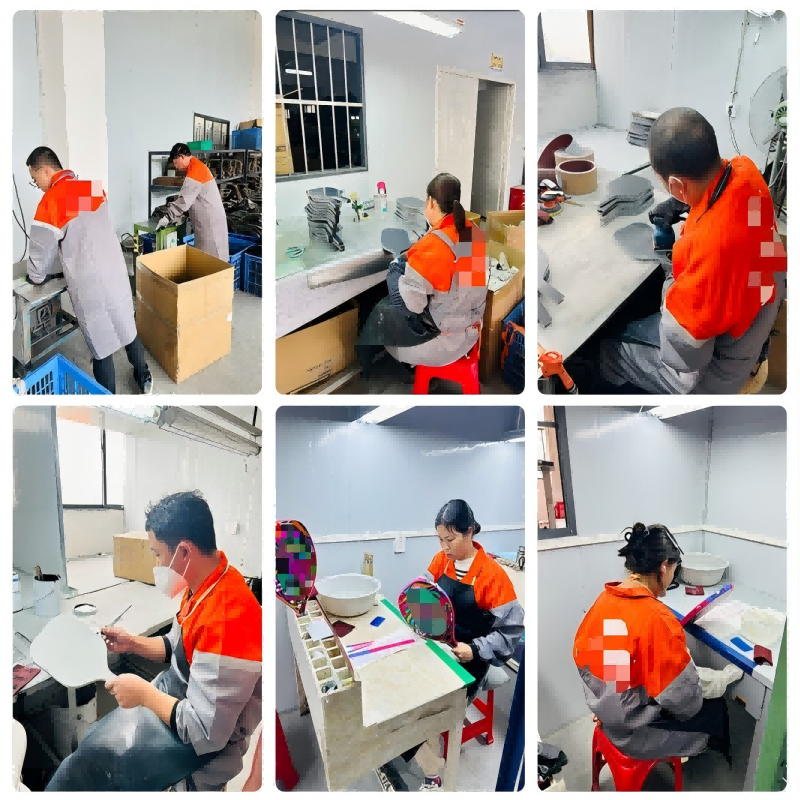
High-end carbon fiber pickleball paddle manufacturing requires strict quality control measures to ensure consistency across production batches. Each paddle must meet precise specifications for weight, balance, and performance characteristics. Advanced manufacturing facilities use sophisticated testing equipment to verify that every carbon fiber pickleball paddle meets the established quality standards.
The layup process for carbon fiber construction requires precise control of resin content, curing temperatures, and pressure application. Variations in any of these parameters can significantly affect the final paddle characteristics, making quality control an essential aspect of premium paddle production. Manufacturers of high-end paddles typically implement multiple inspection points throughout the production process.
Testing protocols for premium carbon fiber pickleball paddles include both mechanical testing and on-court performance evaluation. These comprehensive testing procedures ensure that each paddle not only meets structural requirements but also delivers the expected playing characteristics that define high-end equipment.
Durability and Longevity Features
The durability of a high-end carbon fiber pickleball paddle depends on both material selection and construction techniques that protect against common failure modes. Premium paddles incorporate design features that prevent edge cracking, face delamination, and handle separation even under intensive use conditions.
Advanced carbon fiber paddles often include protective measures such as reinforced stress points and enhanced bonding agents that extend the paddle's competitive lifespan. The investment in high-quality materials and construction techniques ensures that these paddles maintain their performance characteristics over thousands of hits and multiple seasons of play.
FAQ
What makes carbon fiber superior to other paddle materials?
Carbon fiber offers an exceptional strength-to-weight ratio that allows paddle designers to create equipment that is both lightweight and incredibly strong. The material's natural stiffness provides excellent power transfer while its vibration dampening properties reduce arm fatigue. Carbon fiber also allows for precise engineering of paddle characteristics through controlled layup patterns and varying fiber orientations.
How do the design features affect spin generation?
The textured surface created by carbon fiber weave patterns grips the ball during contact, allowing players to impart more spin with less effort. The face texture works in combination with the paddle's weight distribution and balance to optimize the contact time and angle during shots. Premium carbon fiber paddles are specifically designed to enhance spin potential while maintaining control and consistency.
What should players look for in handle design?
Handle design should prioritize proper fit for the individual player's hand size and grip preference. The circumference should allow secure grip without causing hand fatigue, while the handle length should match the player's style and shot preferences. Quality grip materials with moisture management features ensure consistent performance during extended play sessions.
How long do high-end carbon fiber paddles typically last?
With proper care and normal recreational use, a high-quality carbon fiber pickleball paddle can maintain its performance characteristics for several years. Tournament-level players who practice daily may need to replace their paddles more frequently due to the intensive use, but the advanced construction of premium paddles ensures they retain their playing qualities longer than lower-quality alternatives.