EN
EN



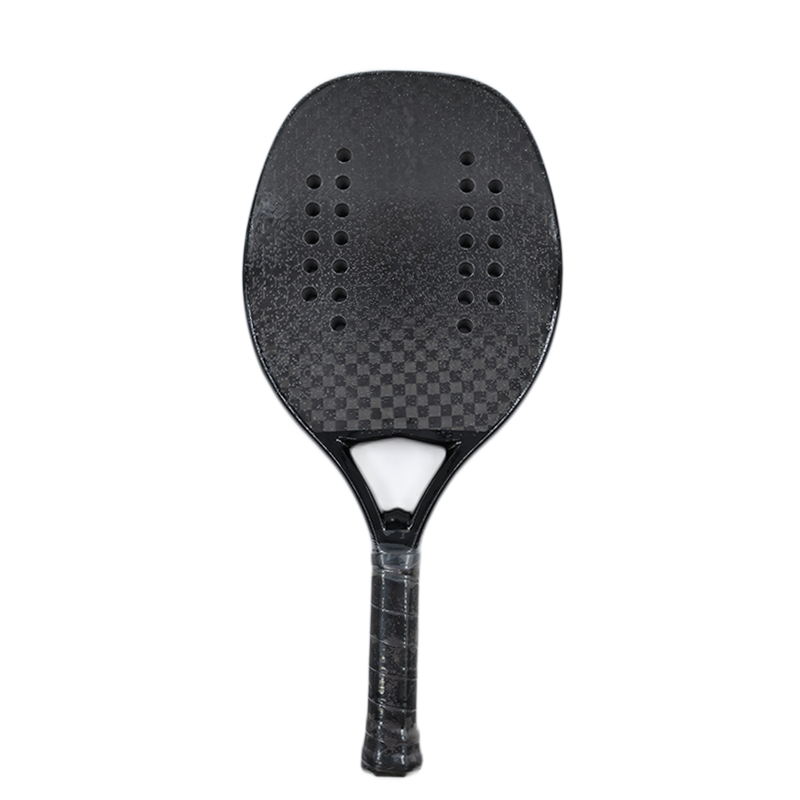
Whether you're stepping onto a padel court for the first time or considering the sport as your next recreational activity, understanding the fundamental rules of padel is essential to enjoying the game and playing safely. Padel has grown exponentially in popularity over the past decade, attracting players from all skill levels who appreciate its blend of accessibility and competitive intensity. Unlike some sports that require extensive athletic background, padel welcomes beginners with open arms, though knowing the key rules ensures you'll integrate smoothly into matches and club environments. This guide walks you through the most important padel rules that every newcomer should master before stepping onto the court.
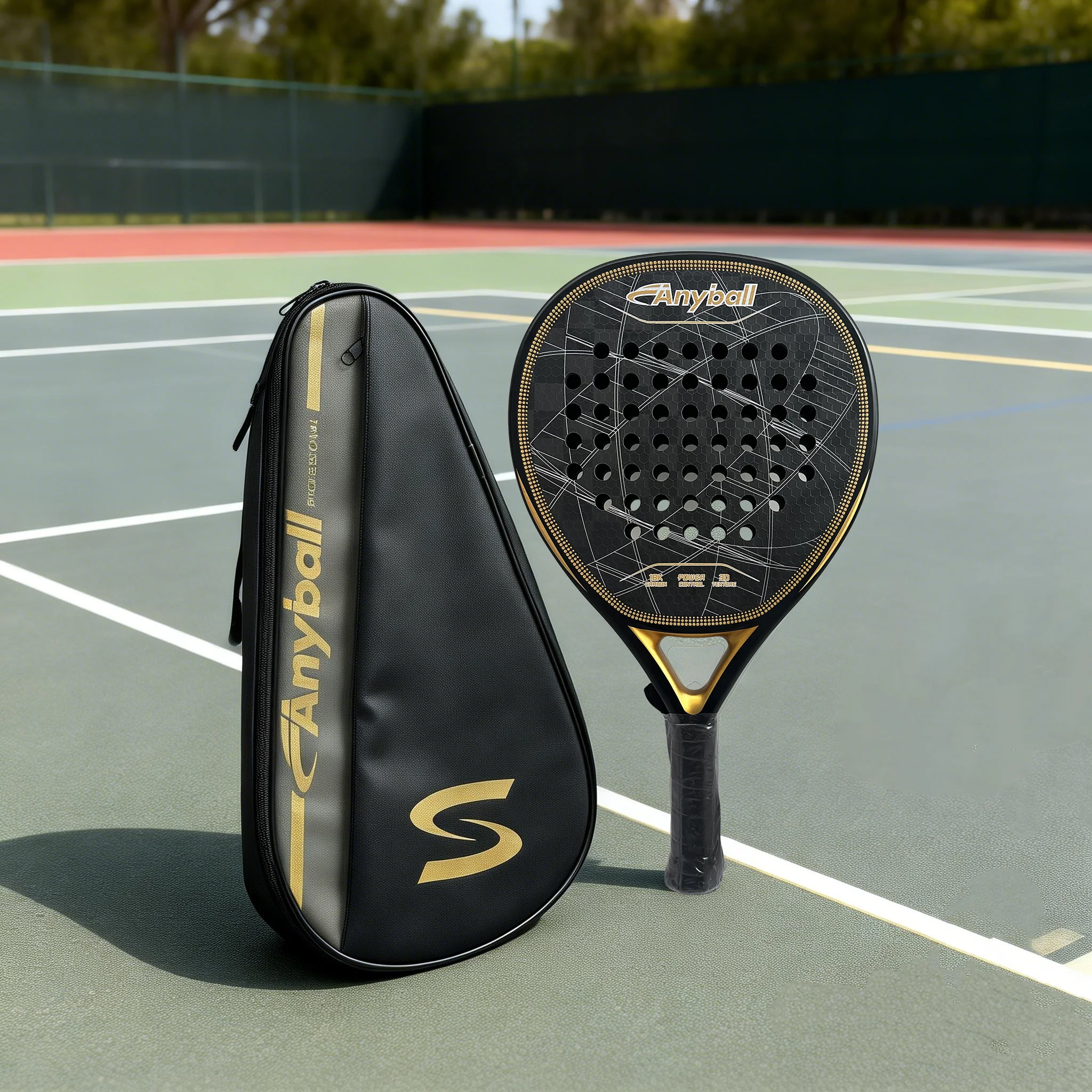
Understanding padel rules transforms your first game from overwhelming to empowering. The sport combines elements of tennis with the confined space of a squash court, creating a unique dynamic that makes padel instantly engaging for beginners. Padel courts are smaller than tennis courts and enclosed by walls, which changes how the ball behaves and how you must think strategically about positioning and shot selection. Learning these rules not only helps you avoid common mistakes but also accelerates your improvement as you play alongside more experienced players who can guide your development through proper padel gameplay.
Court Layout and Basic Padel Dimensions
Understanding the Padel Court Structure
A standard padel court measures 20 meters long and 10 meters wide, making it significantly smaller than a tennis court. The court is divided by a net positioned 88 centimeters high at the edges and 87 centimeters at the center, similar to tennis. What distinguishes padel from tennis is the presence of glass and metal walls surrounding the entire playing area, which are integral to padel gameplay and strategy. These walls are not out-of-bounds; instead, they form part of the court, and the ball can be played off them during rallies. For beginners, understanding that padel walls are 'in play' is crucial because shots that bounce off walls create unpredictable angles and require different tactical responses than traditional tennis.
Service Box and Baseline Rules in Padel
The padel service boxes are located at the far end of the court, and serves must land within these boxes to be considered valid in padel. The server stands behind the baseline, though unlike tennis, serves in padel must be underhand and struck below waist level. This fundamental rule of padel service changes how you approach the serve itself; instead of powerful overhead shots, padel serves emphasize accuracy and placement. The underhand serve in padel makes the serve less dominant, which is intentional in padel's design to keep the sport accessible and encourage rally play rather than ace-dependent tennis-style scoring.
Scoring and Point-Winning Rules in Padel
How Padel Scoring Works
Padel uses the same scoring system as tennis: zero points called 'love,' then 15, 30, 40, and game. A player or team must win by two clear points once both sides reach deuce (tied at 40-40 in padel). Games are won when a player reaches four or more points with a two-point advantage, and sets are won when a player wins six or more games with a two-game lead. Understanding padel scoring terminology helps you keep track during matches and communicate score accurately with your partner and opponents. Most beginner padel players find the scoring system straightforward since it mirrors tennis closely, allowing those with any tennis background to transition easily into padel.
Valid Points and Faults in Padel
In padel, a point is won when your opponent fails to return the ball before it bounces twice on their side of the court. The ball can bounce once and then be played off the wall, but if it bounces twice before being touched, the point goes to your team in padel. Conversely, a fault occurs when you fail to serve the ball correctly, such as serving overhand or serving above waist level, which violates fundamental padel serving rules. Two consecutive faults result in loss of serve, just as in tennis. Understanding these point-winning and fault conditions helps beginners play legally and avoid unnecessary errors during their early padel experience.
Service Rules and Rotation in Padel
The Underhand Serve Requirement and Technique
Every padel player must understand that the serve is always executed underhand, with the racket below waist height and the ball struck upward into the opponent's service box. The server's feet must remain behind the baseline throughout the padel serve, and the ball must be dropped and struck before it bounces in padel play. If the ball bounces before being struck, you must retake the serve in padel, though this doesn't count as a fault. The underhand serve rule is perhaps the most distinctive feature of padel compared to tennis, and mastering this technique early in your padel journey prevents bad habits and ensures compliance with padel regulations.
Serve Order and Team Rotation in Padel
In doubles padel, which is the standard format, players rotate serving positions throughout the match. The server stands in one service box and serves diagonally to the opponent's service box in padel, just like tennis. After the serving team loses the point, the serve moves to the partner, and then to the opposing team's first player. This rotation continues throughout the padel match, ensuring fair distribution of serving opportunities. For beginners playing padel, remembering the serve rotation order prevents confusion about whose turn it is to serve and maintains proper game flow during recreational and competitive padel sessions.
Ball Movement and Wall Play Rules
Using Walls During Padel Rallies
One of the most important padel rules to grasp is that walls are 'in play' throughout the entire rally. The ball may bounce off any wall and still be in play during padel matches, and players can strike the ball before or after it contacts a wall. This wall rule fundamentally changes padel strategy compared to tennis, as your opponent can position themselves near the wall and play seemingly impossible angles in padel. Beginners learning padel must practice positional awareness near walls and understand that retreating toward the back wall is sometimes a tactical advantage rather than defensive weakness in padel play.
Ball Handling and Bounce Rules in Padel
The ball must bounce once before being played after it crosses the net, though it can land on the line and still be considered in during padel. If the ball bounces twice on your side before you touch it, the point is lost in padel. Players cannot catch or carry the ball on the racket; it must be cleanly struck, and a ball that lands on the line is always in play within padel rules. These clear-cut padel ball-handling rules prevent disputes and ensure consistency across different skill levels. Understanding these padel mechanics helps beginners avoid infractions and play legitimate points from the start of their padel experience.
FAQ
What is the basic objective in padel?
The objective in padel is to hit the ball over the net and land it on your opponent's side of the court in such a way that they cannot return it before it bounces twice. Padel scoring follows tennis conventions, with games, sets, and matches determining the winner. The enclosed walls in padel add strategic complexity because the ball can be played off walls, creating angles impossible in traditional tennis. Winning in padel requires understanding court positioning, wall play, and coordinating with your doubles partner to control the net and force errors from opponents.
Can beginners play padel without prior tennis experience?
Yes, beginners can absolutely learn padel without any tennis background. While tennis experience helps, the smaller padel court and underhand serve actually make padel more accessible to people of all athletic abilities. Padel's rule structure is straightforward, and most newcomers grasp fundamental padel mechanics within the first few sessions of play. The sport's emphasis on teamwork and positioning means that beginners can contribute meaningfully to their team in padel even while still learning proper technique and strategy.
How long does it typically take to understand padel rules?
Most beginners grasp the essential padel rules within one to two sessions on the court. Since padel rules closely mirror tennis scoring and court dynamics, players with any racket sport experience typically learn padel rules very quickly. Understanding the practical application of padel rules takes longer than memorizing them, but experienced padel coaches can accelerate this learning through structured lessons focused on proper technique and strategic padel play. Consistent practice and watching others play padel accelerates your comprehension of advanced padel tactical concepts beyond basic rules.