EN
EN


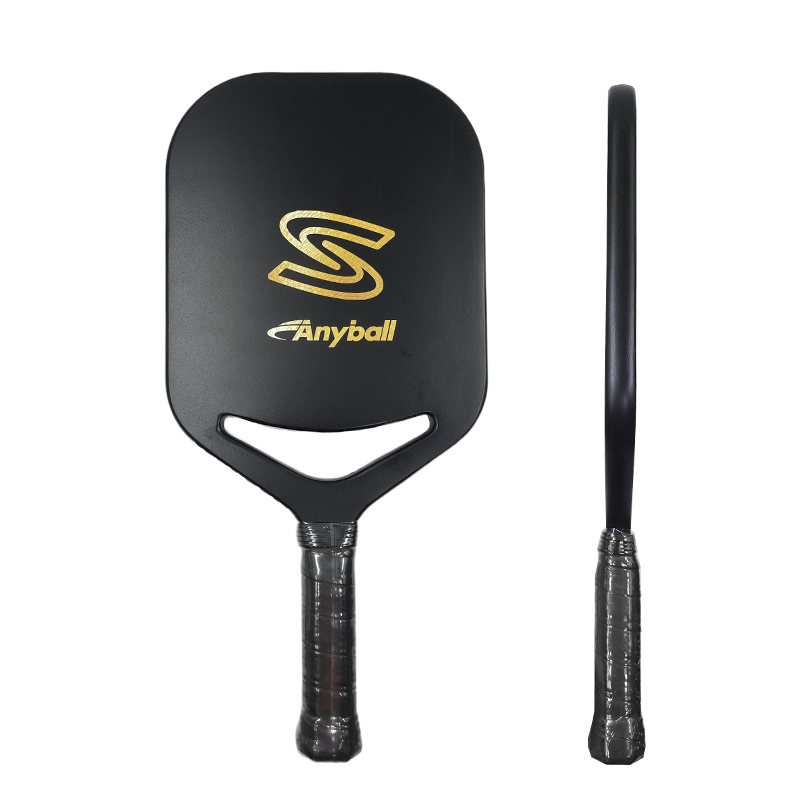
Pickleball clubs across the country face a critical decision when equipping their members with quality paddles. The carbon fiber pickleball paddle has emerged as the premium choice for serious players, offering exceptional performance characteristics that traditional materials simply cannot match. When considering bulk purchasing for club inventory, understanding the nuances of carbon fiber construction becomes essential for making informed procurement decisions that will satisfy diverse player needs while maintaining budget considerations.
Understanding Carbon Fiber Construction Quality
Material Grade Classifications
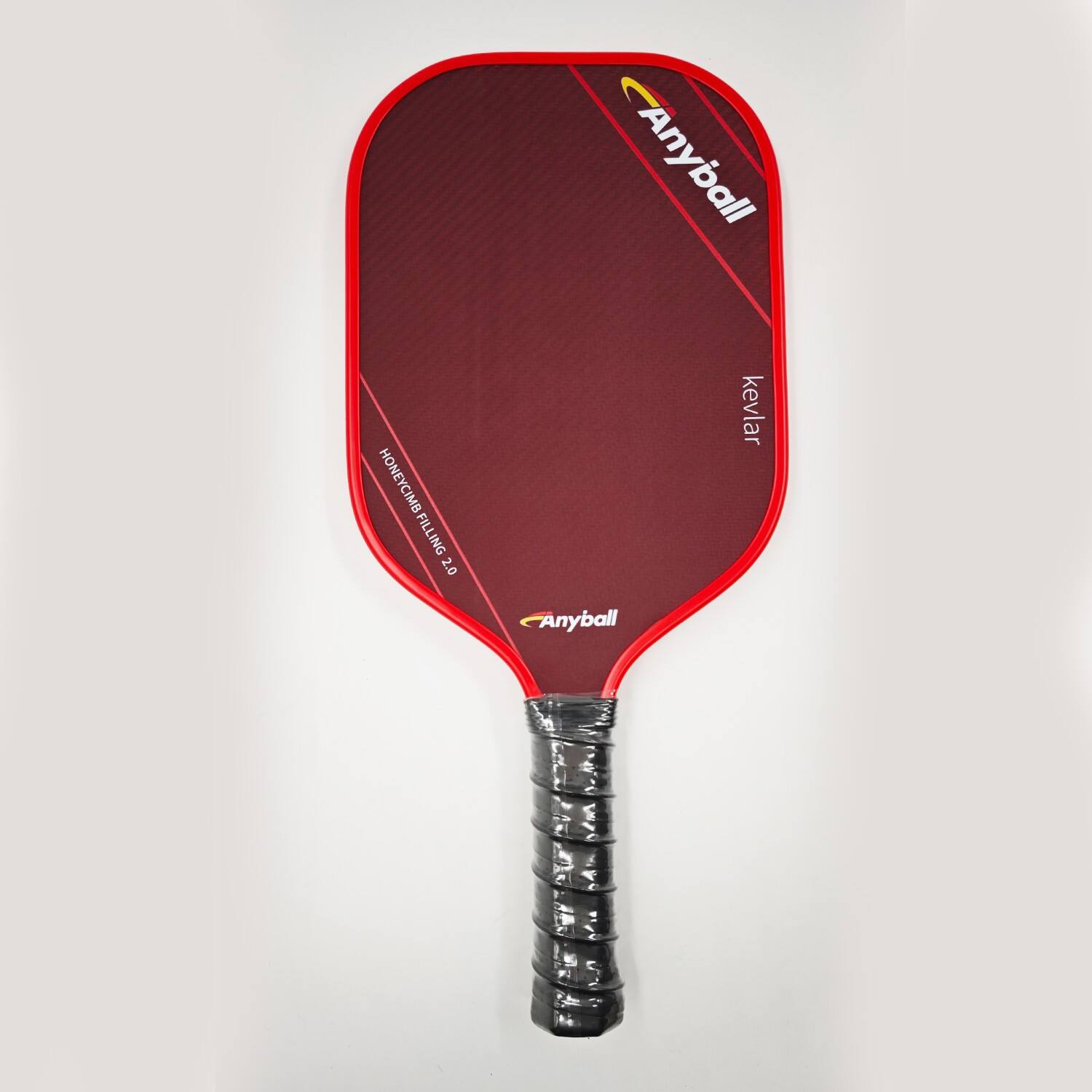
The quality of carbon fiber varies significantly between manufacturers, with aerospace-grade materials representing the pinnacle of performance. High-end carbon fiber pickleball paddle construction utilizes T700 or T800 carbon fiber weaves, which provide superior strength-to-weight ratios compared to standard automotive-grade materials. Clubs should prioritize suppliers who transparently disclose their carbon fiber specifications, as this transparency often correlates with manufacturing quality and long-term durability expectations.
Manufacturing processes also impact the final product quality substantially. Prepreg carbon fiber construction involves pre-impregnated fibers with resin, creating more consistent layering and superior bonding compared to wet-layup methods. This construction technique results in paddles with more predictable performance characteristics across the entire production batch, reducing quality variations that could frustrate club members who expect consistent equipment performance.
Surface Texture and Performance Characteristics
The surface finish of a carbon fiber pickleball paddle directly influences ball control and spin generation capabilities. Textured surfaces provide enhanced grip on the ball, allowing players to generate more spin and execute advanced shot techniques effectively. Clubs should evaluate different surface treatments, from light texturing for beginners to aggressive textures preferred by tournament-level players, ensuring their bulk purchase accommodates various skill levels within their membership base.
Durability testing reveals that properly textured carbon fiber surfaces maintain their grip characteristics longer than smooth alternatives. This longevity consideration becomes particularly important for clubs planning to loan or rent paddles frequently, as surface degradation can significantly impact player satisfaction and equipment replacement costs over time.
Weight Distribution and Balance Points
Core Material Integration
The core material significantly influences how a carbon fiber pickleball paddle performs during gameplay. Polymer honeycomb cores provide excellent responsiveness and control, while aluminum cores offer more power generation at the expense of some touch sensitivity. Clubs should consider their membership demographics when selecting core materials, as recreational players often prefer forgiving polymer cores, while competitive players may gravitate toward more responsive aluminum alternatives.
Weight distribution affects paddle maneuverability and shot execution in measurable ways. Head-heavy paddles generate more power but require greater arm strength, while handle-heavy designs offer superior control and quick reactions at the net. A balanced carbon fiber pickleball paddle provides versatility that appeals to the broadest range of playing styles, making it an excellent choice for club inventory intended to serve diverse membership needs.
Grip Size and Handle Ergonomics
Handle dimensions directly impact player comfort and performance during extended play sessions. Standard grip circumferences range from 4 inches to 4.5 inches, with smaller grips generally favoring players with smaller hands or those preferring more wrist action. Clubs should stock multiple grip sizes to accommodate their membership diversity, as an improperly sized grip can lead to discomfort, reduced performance, and potential injury concerns.
Grip material quality becomes crucial for paddles experiencing frequent use. Cushioned grips with moisture-wicking properties maintain their texture and comfort longer than basic rubber alternatives. Some carbon fiber pickleball paddle manufacturers offer replaceable grip systems, which can significantly extend paddle lifespan and reduce long-term maintenance costs for club equipment managers.
Budget Optimization Strategies
Volume Pricing Negotiations
Bulk purchasing power enables clubs to negotiate significant discounts on premium carbon fiber pickleball paddle inventory. Manufacturers typically offer tiered pricing structures, with substantial savings beginning at quantities of 25 or more units. Clubs should request detailed pricing breakdowns for different quantity levels, as the optimal purchase quantity may vary based on storage capabilities, member demand, and budget constraints.
Payment terms can significantly impact the effective cost of bulk purchases. Many manufacturers offer additional discounts for advance payment or provide favorable financing options for qualified clubs. Seasonal timing also influences pricing, with end-of-year purchases often yielding better deals as manufacturers clear inventory for new product introductions.
Total Cost of Ownership Analysis
Beyond initial purchase price, clubs must evaluate maintenance, replacement, and storage costs associated with their carbon fiber pickleball paddle inventory. Higher-quality paddles typically require less frequent replacement, reducing long-term costs despite higher upfront investments. Clubs should calculate cost per play session rather than focusing solely on initial purchase price to make economically sound decisions.
Insurance considerations may impact total ownership costs, particularly for clubs maintaining valuable equipment inventories. Some insurance policies provide better coverage for documented premium equipment, while others may require additional riders for high-value sporting goods. Understanding these requirements before purchase can prevent unexpected costs and coverage gaps.
Member Satisfaction and Performance Considerations
Skill Level Accommodation
Club inventory should reflect the diverse skill levels within the membership base. Entry-level carbon fiber pickleball paddle options provide the benefits of advanced materials while maintaining forgiveness for developing players. These paddles typically feature larger sweet spots and more flexible construction, helping newer players achieve consistent results while learning proper technique fundamentals.
Advanced players require paddles with more precise control characteristics and enhanced spin generation capabilities. Tournament-grade carbon fiber construction offers the responsiveness and consistency that competitive players demand, though these paddles may prove challenging for recreational players to master effectively. Maintaining separate inventory categories ensures appropriate equipment availability for all membership segments.
Durability and Maintenance Requirements
Professional-grade carbon fiber pickleball paddle construction typically provides superior durability compared to composite alternatives. Edge guard quality becomes particularly important for club equipment, as frequent use increases the likelihood of paddle-to-paddle contact and court surface impacts. Reinforced edge guards protect the carbon fiber face from delamination and extend overall paddle lifespan significantly.
Regular inspection protocols help clubs identify wear patterns and potential safety issues before equipment failure occurs. Carbon fiber paddles require specific care procedures, including protection from extreme temperatures and moisture exposure, which clubs must communicate to members using borrowed or rented equipment to maintain inventory condition.
Supplier Evaluation and Selection Criteria
Manufacturing Quality Assurance
Reputable carbon fiber pickleball paddle manufacturers maintain comprehensive quality control systems throughout their production processes. Clubs should prioritize suppliers who provide detailed specifications, testing data, and quality certifications for their products. ISO certification and adherence to USA Pickleball Association standards indicate commitment to consistent manufacturing quality and regulatory compliance.
Warranty coverage reflects manufacturer confidence in their products and provides clubs with protection against premature failures. Comprehensive warranties should cover manufacturing defects, delamination issues, and structural failures under normal use conditions. Extended warranty options may justify higher initial costs for clubs planning long-term equipment usage.
Customer Support and Service Infrastructure
Ongoing support capabilities become crucial when managing substantial equipment inventories. Manufacturers offering replacement parts, repair services, and technical assistance provide additional value that extends beyond initial purchase transactions. Local distributor networks can reduce shipping costs and delivery times for replacement equipment and maintenance supplies.
Training resources and educational materials help club staff understand proper equipment care and member education requirements. Suppliers providing installation guides, maintenance schedules, and troubleshooting support enable clubs to maximize their carbon fiber pickleball paddle investment while maintaining member satisfaction levels.
FAQ
How many carbon fiber pickleball paddles should a club purchase initially
The optimal initial purchase quantity depends on active membership numbers and equipment sharing policies. Most clubs benefit from maintaining paddle inventory equal to 40-60% of their regular players, assuming some members own personal equipment. This ratio provides adequate availability during peak usage periods while avoiding excessive inventory carrying costs. Consider starting with smaller quantities and expanding based on actual usage patterns and member feedback.
What is the typical lifespan of a carbon fiber pickleball paddle in club use
Professional-grade carbon fiber pickleball paddle equipment typically maintains performance characteristics for 200-400 hours of play under normal club conditions. Factors affecting lifespan include usage intensity, storage conditions, and maintenance quality. Clubs can expect 2-4 years of service from quality paddles with proper care, though high-usage situations may require more frequent replacement cycles to maintain member satisfaction and safety standards.
Are there specific storage requirements for carbon fiber paddle inventory
Carbon fiber materials require protection from extreme temperature fluctuations and moisture exposure to maintain structural integrity. Ideal storage conditions include temperature ranges between 50-80°F with relative humidity below 70%. Paddles should be stored vertically or laid flat to prevent warping, with adequate spacing to prevent damage from contact. Avoid storage in direct sunlight or areas prone to temperature extremes like vehicle trunks or unheated sheds.
How do bulk purchase warranties differ from individual consumer warranties
Bulk purchase agreements often include enhanced warranty terms, extended coverage periods, and expedited replacement processes not available to individual consumers. Commercial warranties may cover broader usage scenarios and provide batch replacement options for widespread defects. However, warranty terms vary significantly between manufacturers, so clubs should carefully review coverage limitations, claim procedures, and documentation requirements before finalizing large orders to ensure adequate protection for their investment.