EN
EN


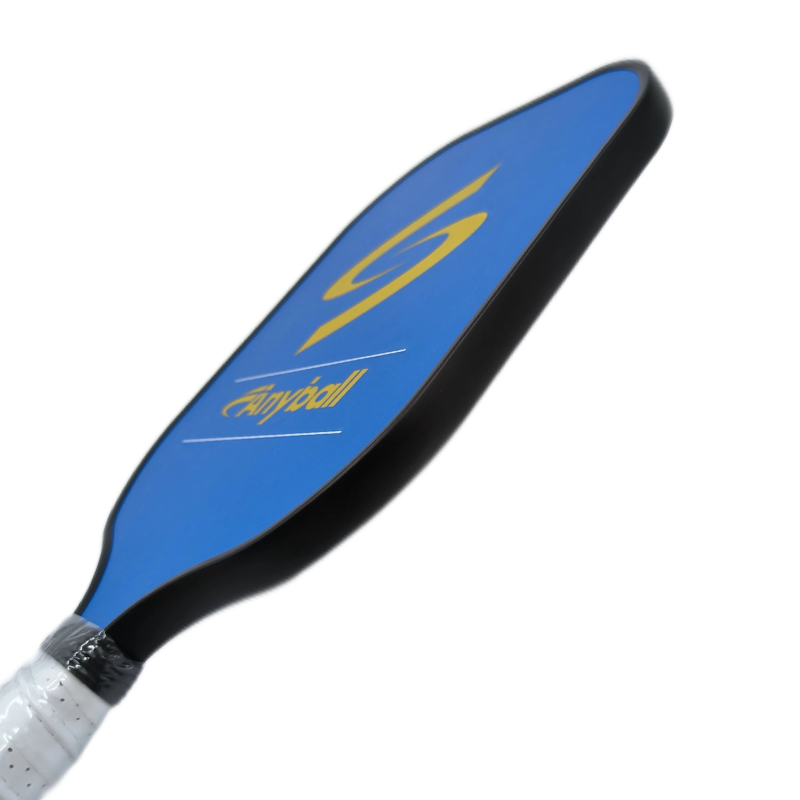
Los pedidos al por mayor de raquetas de pickleball representan un enfoque estratégico de adquisición que ofrece ventajas sustanciales a minoristas y clubes que buscan optimizar su gestión de inventario y su rentabilidad. A medida que la industria del pickleball continúa su trayectoria de crecimiento explosivo, comprender cómo afecta la compra por volumen a las operaciones comerciales se vuelve cada vez más crítico para lograr el éxito en este mercado competitivo. Los beneficios financieros, las eficiencias operativas y las mejoras en el servicio al cliente que surgen de la compra por volumen constituyen razones convincentes para que las empresas adopten esta estrategia de adquisición.
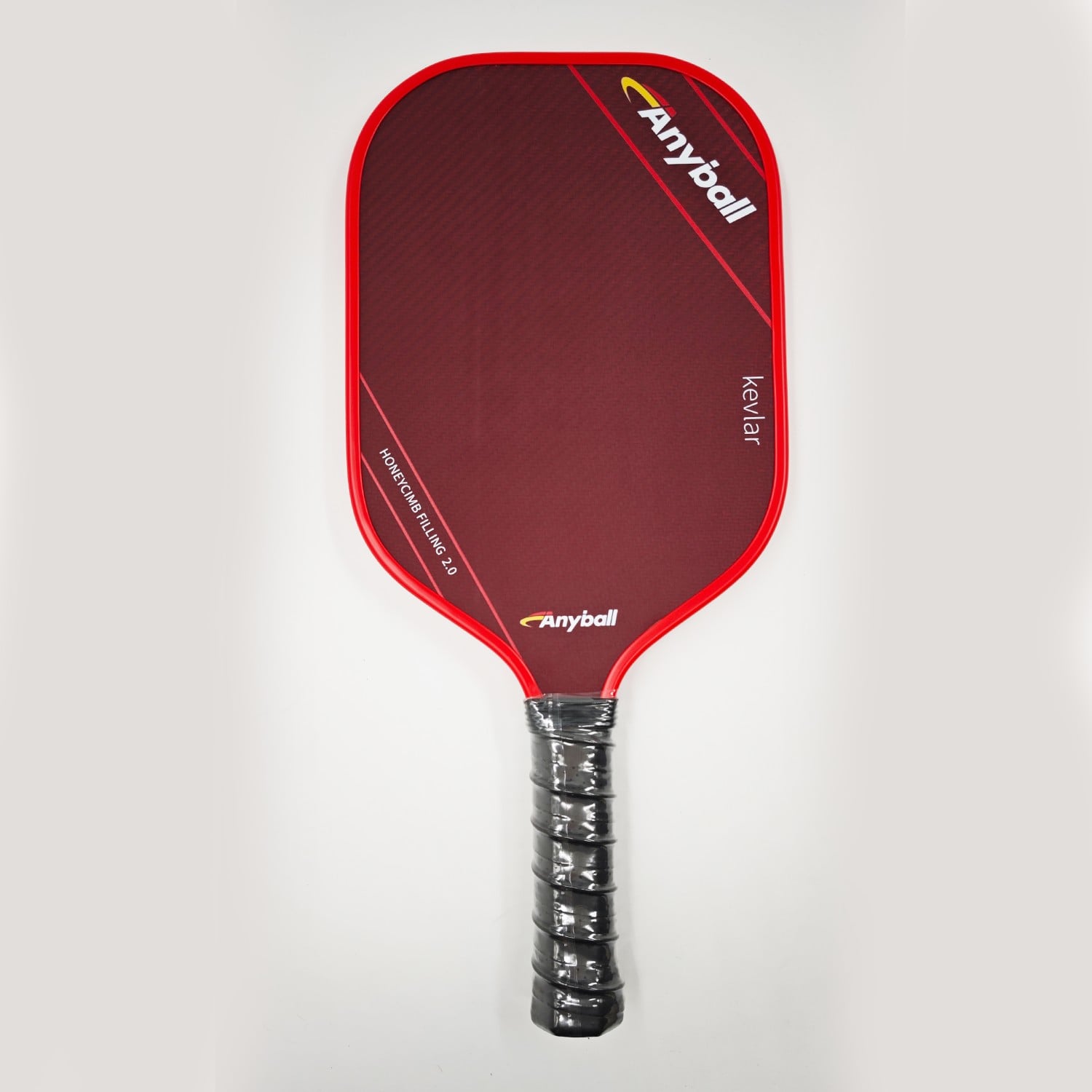
La economía de la compra al por mayor de raquetas para pickleball va mucho más allá de la mera reducción del costo unitario, abarcando la optimización de inventarios, la mejora de la satisfacción del cliente y la sostenibilidad empresarial a largo plazo. Los minoristas y clubes que adoptan estrategias de pedidos por volumen se posicionan para aprovechar las oportunidades del mercado, al tiempo que fortalecen sus relaciones con proveedores y clientes. Este enfoque integral de la adquisición transforma la relación transaccional tradicional en una asociación estratégica que impulsa el crecimiento y el éxito mutuos.
Ventajas financieras de la compra por volumen
Reducción significativa de costos mediante economías de escala
El pedido al por mayor de raquetas de pickleball permite a los minoristas y clubes acceder a importantes descuentos que mejoran drásticamente sus márgenes de beneficio y su posición competitiva. Los fabricantes suelen ofrecer estructuras de precios escalonados que recompensan las cantidades mayores de pedido con costos unitarios progresivamente más bajos. Esta estrategia de precios permite a las empresas reducir su costo de los bienes vendidos entre un 20 % y un 40 % en comparación con compras de menor cantidad, generando mejoras inmediatas en la rentabilidad.
El impacto acumulado de estos ahorros resulta especialmente significativo al considerar los requisitos de volumen de los minoristas y clubes activos. Una instalación típica de pickleball puede vender cientos de raquetas anualmente, lo que hace que la diferencia entre el precio minorista y el precio al por mayor sea lo suficientemente sustancial como para financiar inversiones adicionales en el negocio o estrategias competitivas de precios. Estas ventajas de coste permiten a las empresas ofrecer precios más atractivos a sus clientes, manteniendo al mismo tiempo márgenes de beneficio saludables.
Los costos de transporte y logística también disminuyen proporcionalmente con pedidos más grandes, ya que los gastos de envío se distribuyen entre un mayor número de unidades. Esta reducción de los costos logísticos por unidad potencia aún más los beneficios financieros de la compra en grandes volúmenes, lo que hace que el costo total de propiedad sea significativamente menor que el de realizar con frecuencia pedidos pequeños.
Mejora de la gestión y previsibilidad del flujo de caja
La compra en grandes volúmenes genera patrones de flujo de caja más predecibles al consolidar los momentos de compra y reducir la frecuencia de transacciones. En lugar de gestionar múltiples pagos pequeños a lo largo del año, las empresas pueden planificar un número menor de desembolsos mayores que se alineen con los patrones estacionales de demanda y los ciclos de flujo de caja. Esta previsibilidad permite una mejor planificación financiera y una asignación más eficaz del presupuesto en otras áreas de la empresa.
Los plazos de pago extendidos suelen acompañar a los pedidos de mayor volumen, lo que brinda beneficios adicionales en términos de flujo de efectivo mediante cronogramas de pago diferidos. Muchos proveedores ofrecen plazos de pago de treinta a sesenta días para pedidos al por mayor, lo que permite a las empresas generar ingresos a partir de las ventas iniciales antes de que llegue la fecha límite de pago. Esta ventaja financiera proporciona, en esencia, capital de trabajo gratuito que puede reinvertirse en marketing, mejoras de instalaciones o expansión de inventario.
La reducción de la carga administrativa asociada con un menor número de transacciones también se traduce en ahorros de costos, ya que los departamentos de compras pueden centrarse en actividades estratégicas en lugar de tareas rutinarias de adquisición. Esta ganancia de eficiencia permite que el personal se concentre en la gestión de relaciones con proveedores, análisis de mercado y actividades de planificación estratégica que impulsan el crecimiento empresarial a largo plazo.
Ventajas en la gestión de inventario y la eficiencia operativa
Operaciones de Cadena de Suministro Optimizadas
Los pedidos al por mayor simplifican significativamente la gestión de la cadena de suministro al reducir la frecuencia de los ciclos de pedido y la coordinación de entregas. En lugar de gestionar múltiples envíos pequeños a lo largo del año, las empresas pueden consolidar su adquisición de raquetas de pickleball en menos entregas de mayor volumen, que requieren menos supervisión administrativa y coordinación. Este enfoque optimizado reduce la complejidad del seguimiento de inventario y de la gestión de proveedores.
La menor frecuencia de pedidos también minimiza el riesgo de rupturas de stock y pedidos pendientes, que pueden interrumpir el servicio al cliente y el desempeño de las ventas. Al mantener mayores niveles de inventario mediante la compra al por mayor, los minoristas y clubes pueden adaptarse mejor a picos inesperados de demanda o a interrupciones en la cadena de suministro, sin comprometer la satisfacción del cliente. Esta estabilidad operativa resulta especialmente valiosa durante las temporadas de mayor auge, cuando la demanda de raquetas de pickleball se intensifica.
Las mejoras en la eficiencia de almacén y almacenamiento surgen de forma natural de los patrones de pedidos por volumen, ya que los envíos más grandes pueden procesarse de manera más eficiente que las entregas frecuentes de menor tamaño. Los procesos consolidados de recepción y gestión de inventario reducen los costos laborales, al tiempo que mejoran la precisión y la organización dentro de las instalaciones de almacenamiento.
Selección y disponibilidad mejoradas de productos
La compra por volumen permite a los minoristas y clubes mantener una selección integral de raquetas de pickleball que satisfaga las diversas preferencias y niveles de habilidad de los clientes. Los pedidos mayores justifican el mantenimiento de múltiples modelos, pesos y tamaños de empuñadura que podrían no ser económicamente viables con compras de cantidades menores. Esta capacidad ampliada de selección mejora la satisfacción del cliente y aumenta el valor promedio de las transacciones.
La capacidad de mantener en stock productos premium y especializados raqueta de picle las opciones se vuelven económicamente viables mediante pedidos por volumen, lo que permite a las empresas atender a jugadores avanzados y entusiastas que buscan equipos de alto rendimiento. Estas ofertas premium suelen generar márgenes de beneficio más altos, al tiempo que posicionan al negocio como un destino serio para equipos de pickleball de calidad.
La disponibilidad constante de productos también fomenta la lealtad y la confianza del cliente, ya que los jugadores adquieren confianza en que su distribuidor o club preferido tendrá el equipo que necesitan, cuando lo necesitan. Este factor de fiabilidad se convierte en una ventaja competitiva significativa en mercados donde la gestión inconsistente del inventario frustra a los clientes y los impulsa a buscar proveedores alternativos.
Ventajas en el servicio al cliente y el crecimiento empresarial
Satisfacer la demanda máxima sin desabastecimientos
Las posiciones de inventario en grandes volúmenes permiten a los minoristas y clubes aprovechar plenamente los picos estacionales de demanda y las oportunidades promocionales sin la ansiedad derivada de niveles insuficientes de existencias. Durante las temporadas principales de juego o eventos especiales, las empresas con inventarios sólidos de raquetas de pickleball pueden atender eficazmente a todos sus clientes, mientras que sus competidores luchan contra agotamientos de stock y pedidos pendientes. Esta capacidad se traduce directamente en un aumento de los ingresos y del crecimiento de la cuota de mercado.
La confianza que brinda una adecuada cobertura de inventario también permite llevar a cabo actividades de marketing y promoción más audaces, ya que las empresas pueden comprometerse con eventos comerciales sabiendo que cuentan con suficiente producto para satisfacer la demanda. Esta flexibilidad comercial posibilita estrategias de precios más dinámicas y campañas de adquisición de clientes que impulsan el crecimiento empresarial.
Las necesidades de sustitución de emergencia, comunes en las comunidades activas de pickleball, pueden atenderse de inmediato cuando existe un inventario suficiente en grandes cantidades. Los jugadores que rompen o dañan su equipamiento durante el juego valoran a los minoristas y clubes que pueden ofrecer opciones de sustitución inmediatas, lo que fortalece las relaciones con los clientes y fomenta la repetición de compras.
Reputación profesional y posición en el mercado
Mantener un inventario sustancial de raquetas de pickleball mediante compras al por mayor posiciona a las empresas como operaciones serias y profesionales dentro de la comunidad de pickleball. Los clientes perciben a los minoristas y clubes bien surtidos como más confiables y comprometidos con el servicio del deporte, lo que mejora la reputación de la marca y la lealtad del cliente. Esta imagen profesional adquiere especial importancia a medida que las empresas compiten por clientes exigentes que cuentan con múltiples opciones de compra.
La capacidad de ofrecer disponibilidad inmediata de los productos también permite a las empresas captar compras por impulso y decisiones de compra espontáneas que contribuyen significativamente a los ingresos totales. Cuando los clientes pueden manipular, probar e inmediatamente adquirir raquetas de pickleball, las tasas de conversión aumentan considerablemente en comparación con situaciones que requieren pedidos especiales o una gratificación diferida.
Los beneficios del marketing boca a boca surgen de forma natural gracias a experiencias positivas constantes del cliente, posibilitadas por una gestión adecuada del inventario. Los clientes satisfechos se convierten en defensores de la marca que recomiendan la empresa a otros jugadores, generando un crecimiento orgánico que complementa los esfuerzos de marketing tradicionales.
Beneficios de las relaciones y asociaciones con los proveedores
Relaciones reforzadas con los proveedores y estatus prioritario
La compra al por mayor convierte a los minoristas y clubes en clientes importantes, merecedores de un trato prioritario y un apoyo reforzado por parte de los fabricantes y distribuidores de raquetas de pickleball. Los proveedores suelen ofrecer niveles de servicio preferenciales a los clientes de alto volumen, incluyendo asignación prioritaria durante períodos de escasez, notificación anticipada de nuevos pRODUCTOS , y soporte técnico reforzado. Estos beneficios derivados de la relación van mucho más allá del simple procesamiento de transacciones.
Los clientes de gran volumen suelen obtener acceso a ofertas de productos exclusivos, ediciones limitadas y modelos previos al lanzamiento oficial, lo que les brinda oportunidades de diferenciación competitiva. Los fabricantes utilizan a los compradores al por mayor como campos de pruebas para nuevos conceptos y diseños, otorgándoles acceso temprano a tecnologías innovadoras en raquetas de pickleball que pueden atraer a entusiastas y primeros adoptantes.
El apoyo formativo y educativo suele acompañar a las relaciones de compra significativas, ya que los proveedores invierten en ayudar a sus clientes mayoristas a tener éxito mediante el desarrollo de conocimientos sobre los productos y la mejora de las técnicas de venta. Este componente educativo potencia la capacidad del personal y la calidad del servicio al cliente, al tiempo que fortalece la relación comercial con los proveedores.
Condiciones flexibles y oportunidades de personalización
Los volúmenes de pedido más elevados generan poder de negociación que permite obtener condiciones contractuales más favorables, más allá de simples consideraciones de precio. Los compradores al por mayor suelen lograr plazos de pago ampliados, calendarios de entrega flexibles y opciones de embalaje o marca personalizados que refuerzan su posición en el mercado. Estos beneficios adicionales potencian las ventajas financieras de la compra por volumen.
Las oportunidades de etiquetado privado y marca personalizada suelen estar disponibles para compradores al por mayor significativos, lo que permite a los minoristas y clubes desarrollar sus propias líneas de raquetas de pickleball o modelos exclusivos. Esta capacidad permite diferenciarse de la competencia y, al mismo tiempo, fortalecer la identidad de marca y la lealtad del cliente mediante ofertas de productos únicos.
Las políticas de devolución y cambio suelen ser más flexibles para los compradores al por mayor, lo que reduce el riesgo financiero asociado a la inversión en inventario. Los proveedores suelen ofrecer un soporte ampliado en materia de garantías, procesos de devolución más sencillos y políticas de cambio más generosas para mantener relaciones con clientes de alto volumen, mejorando así aún más la rentabilidad de las compras al por mayor.
Preguntas frecuentes
¿Cuáles son las cantidades mínimas de pedido que normalmente califican para precios al por mayor en raquetas de pickleball?
La mayoría de los fabricantes consideran que los pedidos de cincuenta a cien raquetas de pickleball califican para los niveles iniciales de precios por volumen, aunque los umbrales específicos varían según el proveedor y la línea de productos. Las marcas premium pueden requerir pedidos mínimos más pequeños debido a sus mayores valores unitarios, mientras que los productos de entrada suelen exigir cantidades mayores para acceder a los precios por volumen. Las reducciones de precio más significativas suelen producirse a partir de 250 unidades o más, donde los fabricantes pueden lograr eficiencias importantes en producción y logística.
¿Cómo deben gestionar los flujos de efectivo los minoristas y los clubes al realizar compras al por mayor?
La compra al por mayor exitosa requiere una planificación cuidadosa del flujo de efectivo que sincronice el momento de los pedidos con los patrones estacionales de la demanda y el capital de trabajo disponible. Muchas empresas coordinan sus pedidos al por mayor con sus períodos de mayores ventas para minimizar el tiempo entre la inversión y la generación de ingresos. Negociar plazos de pago extendidos con los proveedores, normalmente de treinta a sesenta días, brinda mayor flexibilidad en el flujo de efectivo, al tiempo que permite que las ventas iniciales generen fondos para cumplir con las obligaciones de pago.
¿Qué consideraciones sobre almacenamiento y depósito son importantes para pedidos al por mayor de raquetas de pickleball?
Un espacio de almacenamiento adecuado con control climático apropiado resulta esencial al gestionar inventarios a granel, ya que las raquetas de pickleball requieren protección frente a temperaturas extremas y humedad, factores que pueden afectar sus características de rendimiento. Los sistemas de organización que permiten un acceso fácil a distintos modelos y tamaños previenen daños por manipulación y garantizan una gestión eficiente de los pedidos. Asimismo, las medidas de seguridad adquieren mayor importancia con valores de inventario más elevados, lo que exige una cobertura de seguros adecuada y protocolos de prevención de robos.
¿Pueden los minoristas más pequeños competir de forma efectiva contra competidores más grandes mediante estrategias de compra al por mayor?
Los minoristas más pequeños pueden aprovechar las compras al por mayor mediante acuerdos de compra cooperativa con otras pequeñas empresas, programas de distribuidores diseñados específicamente para minoristas independientes o centrándose en categorías específicas de raquetas de pickleball, donde puedan alcanzar volúmenes significativos. Muchos proveedores ofrecen programas escalonados que hacen accesibles los precios por volumen incluso para operaciones más pequeñas, mientras que la especialización en segmentos de mercado concretos puede generar una concentración suficiente de demanda como para justificar pedidos al por mayor, incluso dentro de volúmenes totales de negocio reducidos.
Tabla de contenidos
- Ventajas financieras de la compra por volumen
- Ventajas en la gestión de inventario y la eficiencia operativa
- Ventajas en el servicio al cliente y el crecimiento empresarial
- Beneficios de las relaciones y asociaciones con los proveedores
-
Preguntas frecuentes
- ¿Cuáles son las cantidades mínimas de pedido que normalmente califican para precios al por mayor en raquetas de pickleball?
- ¿Cómo deben gestionar los flujos de efectivo los minoristas y los clubes al realizar compras al por mayor?
- ¿Qué consideraciones sobre almacenamiento y depósito son importantes para pedidos al por mayor de raquetas de pickleball?
- ¿Pueden los minoristas más pequeños competir de forma efectiva contra competidores más grandes mediante estrategias de compra al por mayor?