EN
EN


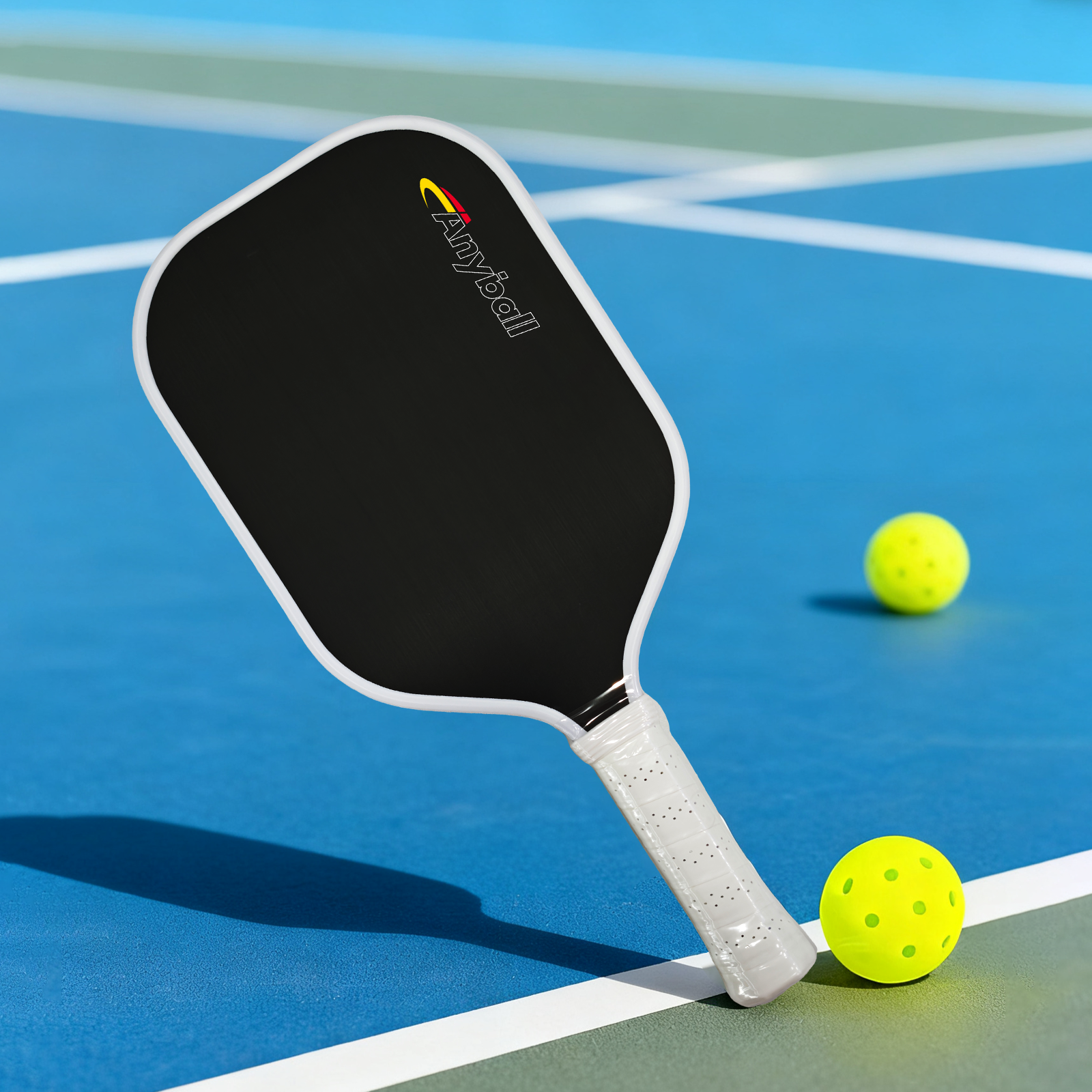
Raketti kohandamine on muutunud mängu muutvaks lähenemiseks mängijatele, kes soovivad oma tenniseväljakul esitlust optimeerida. Padeliraketite puhul võimaldab varustuse kohandamine individuaalsele mängustiilile ja füüsilistele omadustele oluliselt mõjutada nii mugavustaseme kui ka mängukontrolli. Kaasaegsed kohandusmeetodid võimaldavad mängijatel muuta kaalujaotust, kinnituse suurust, köitete pingutust ja pinnatekstuuri, et luua isikupärane mängukogemus, mis täiendab nende loomulikke võimeid ning vähendab väsimuse ja vigastuste riski.
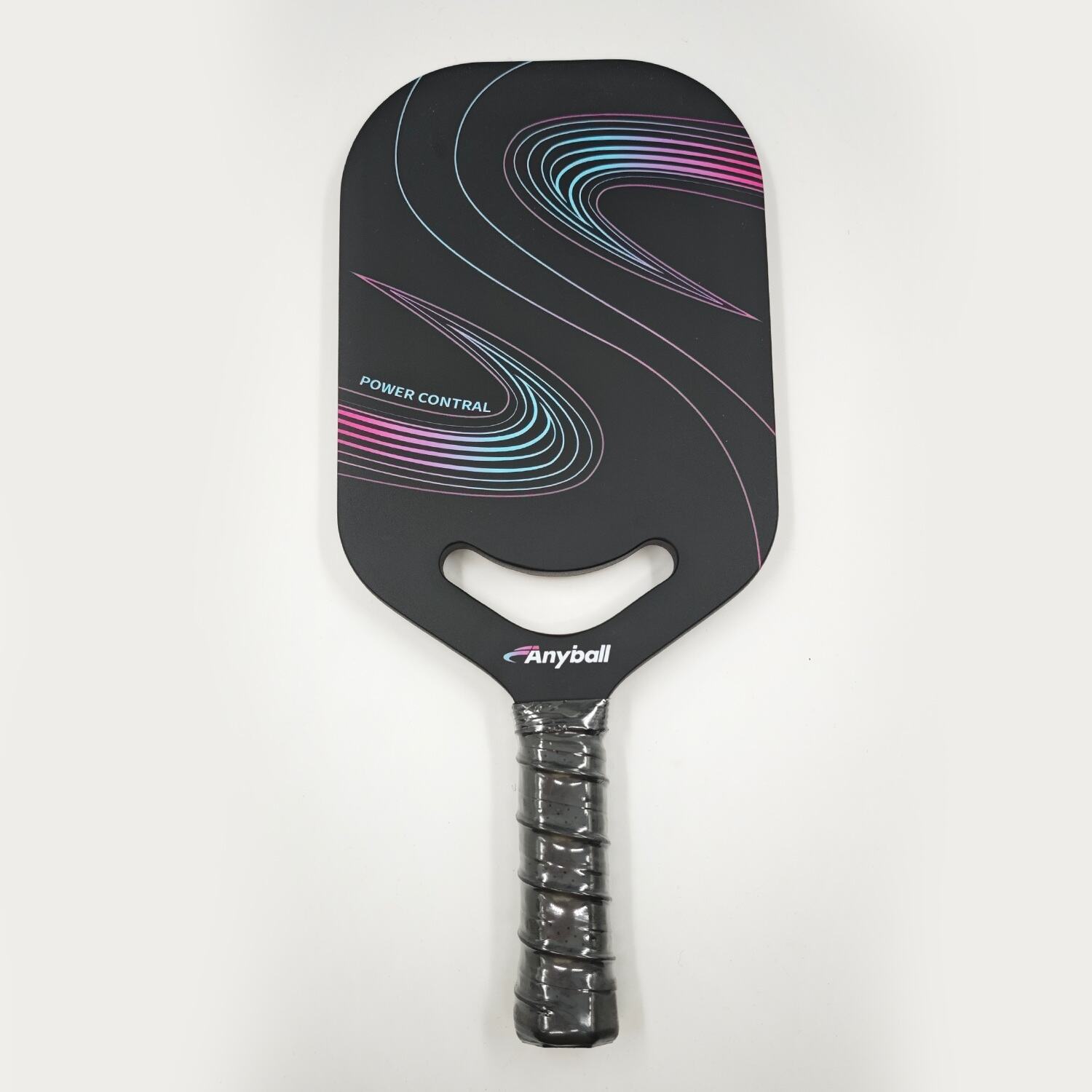
Kohandamise ja mängutulemuste parandamise vaheline seos ulatub kaugemale lihtsatest eelistustest. Nii professionaalsed mängijad kui ka harrastajad on avastanud, et strateegilised muudatused oma raketitele või padelivarustusele võivad kõrvaldada konkreetseid nõrgkohti nende mängus ning samal ajal tugevdada nende tugevaid külgi. Erinevate kohandusvõimaluste mõju mõistmine mugavusele ja kontrollile võimaldab mängijatel teha teadlikke otsuseid, mis viivad mõõtmatavatele parandustele nende mängukogemuses ja võistluslikus tulemuslikkuses.
Raketti kohandamise alused
Kaalujaotus ja tasakaalupunkti muudatused
Raketti padelis kasutatava tasakaalupunkti asukoht mõjutab oluliselt seda, kuidas varustus mängu ajal tunneb ja kuidas see mõjutab löögi täpsust. Pea-rasked raketid pakuvad rohkem võimu agressiivsete löökide jaoks, kuid nende kasutamiseks on vaja suuremat käe tugevust ja pikema mänguaja jooksul võivad nad põhjustada väsimust. Vastupidi, pea-kerged raketid pakuvad ülimat liikumisvõimet ja kontrolli ning on seega ideaalsed mängijatele, kes eelistavad täpsust puhta võimu ees. Tasakaalupunkti saab kohandada kaalutehnoloogia spetsialistid, lisades või eemaldades raketi kindlatelt osadelt kaalu strateegiliselt.
Täpsemad kohandustehnikad hõlvavad pliiatape või erisorte kaalukoormi paigaldamist täpselt määratud kohtadesse raketi raami ümber. Mängijad, kes soovivad suuremat stabiilsust, saavad lisada kaalu raketipea külgedele, mis suurendab polaarmomenti ja vähendab raami pöördumist löögi tegemisel väljaspool õige löögikoha (sweet spot). See muudatus on eriti kasulik mängijatele, kes ei suuda tagada piisavalt järjepidevust, kui löövad palli väljaspool õige löögikoha. Raketipadelite kohandamise protsess nõuab täpset mõõtmist ja järgmist kohandust, et saavutada optimaalne tunne ilma mõjutamata mängija löögikiirust.
Kaasaegsed kohandamislahendused võtavad arvesse ka mängija füüsilisi omadusi ja mängustiili, et määrata kaalujaotus. Lühemad mängijad saavad sageli kasu veidi peaga raskematest konfiguratsioonidest, mis kompenseerivad lühema ulatuse, samas kui pikkemad mängijad eelistavad peata kergemaid seadeid, mis võimaldavad kiiremaid reageerimisi võrgus. Kohandamise protsess hõlmab erinevate konfiguratsioonide katsetamist treeningutes, et leida iga üksiku mängija jaoks parim kombinatsioon võimu, kontrolli ja mugavuse osas.
Käepideme kohandamine suurendatud mugavuse jaoks
Käepideme suuruse ja tekstuuriga tehtavad muudatused on üks tõhusamaid kohandamisvõimalusi, et parandada mugavust pikaajalisel mängimisel. Sobimatult suur käepide võib põhjustada käe väsimust, vähendada kontrolli ja suurendada tenniselboga või muude korduvate koormusvigade tekke ohtu. Professionaalsed raketite padeli kohandamiste teenused võivad muuta käepideme ümbermõõtu käepidemelindiga lisamise või eemaldamisega, erinevate käepidemematerjalide paigaldamisega või käepideme profiili ümberkujundamisega, et see vastaks mängija käe mõõtmetele.
Kinnituspinnakihistuse tekstuur ja kleepuvus mõjutavad otseselt seda, kui kindlalt saavad mängijad oma reketit intensiivsete vahetustega mängu ajal kinni hoida. Mõned mängijad eelistavad siledaid, traditsioonilisi kinnituspindu, mis võimaldavad subtiilseid käte kohandamisi mängu ajal, samas kui teised kasutavad kasu tekstureeritud või perforeritud kinnituspindadest, mis tagavad maksimaalse turvalisuse ka siis, kui käed muutuvad niisketeks. Kohandamisvõimalused hõlmavad spetsiaalseid kinnituspinnamaterjale, mis imavad niiskust, pakuvad suuremat amortiseerimist või on tugevamad kui tavapärased tehases valmistatud kinnituspinnad.
Täpsem käepideme kohandamine võib ka lahendada konkreetseid mugavusprobleeme, näiteks rõhupunkte või ebapiisavat amortiseerimist. Mõned mängijad saavad kasu kohandatud kujuliste käepidemete kasutamisest, mis sobivad nende käe erilistesse kontuuridesse või eelnevasse vigastustesse. Raketiga mängitava padeli kohandamise protsess võib hõlmata käepideme kindlate osade ülessehitamist, et vähendada stressi tundlikkustega liigestele, või teravnurksete servade loomist, mis soodustavad õiget käe asendit. Need muudatused võivad oluliselt vähendada ebamugavust pika mänguperioodi jooksul ning samal ajal parandada üldist kontrolli ja löögi täpsust.
Koormuste kohandamine ja pingutuse optimeerimine
Erinevate mängustiilide jaoks sobivate koormuste valik
Koordivalik mänguvarustuses on oluline tegur, mis määrab, kuidas padeliraaket tunneb ja käitub mängu ajal. Erinevad koordimaterjalid pakuvad erinevaid omadusi, sealhulgas võimsus, kontroll, vastupidavus ja mugavus. Looduslikud soolakordid pakuvad väga head tunde ja võimsust, kuid nende vahetamine on sagedamini vajalik, samas kui sünteetilised kordid pakuvad paremat vastupidavust ja ilmastikukindlust. Ko-polüesterkordid tagavad erilise kontrolli ja pöördepotentsiaali, kuid nad võivad edastada rohkem vibratsiooni mängija käe poole.
Hübriidsete köisude paigaldus võimaldab mängijatel ühendada erinevate köistüüpide eelised ühes raketti. Tavaline lähenemine hõlmab peamiste köiste (vertikaalsete köiste) asendamist pehmemaga, et parandada tunnet ja võimu, samas kui ristköised (horisontaalsed köised) paigaldatakse kõvemad köised, mis tagavad parema kontrolli ja vastupidavuse. See kohandusmeetod võimaldab mängijatel täpselt kohandada oma raketi tööomadusi ilma teiste omaduste kaotamiseta. Raketiga seotud padeli kohandamise protsess hõlmab erinevate köiskombinatsioonide testimist, et tuvastada iga mängija eelistuste ja mängustiili jaoks optimaalne seadistus.
Koordi läbimõõt ehk paksus mõjutab ka tegevuskõlblikkust ja mugavustasemeid. Õhemad kordid pakuvad tavaliselt rohkem tunnet ja pöördepotentsiaali, kuid ohverdavad vastupidavust, samas kui paksemad kordid tagavad suurema eluiga, kahjuks osa puudutusest ja võimsusest. Kohandamisspetsialistid saavad soovitada konkreetseid koordiläbimõõte mängija mängusageduse, löögitaotluste ja hooldusnõuete põhjal. Valikuprotsessis arvestatakse tegureid nagu koordivõrgu tihedus, raami jäikus ja mängija loomulik lööguliikumine.
Pinge optimeerimine kontrolli ja mugavuse huvides
Köite pingutus mõjutab oluliselt nii raketti tunnet kui ka palli käitumist kokkupuutel. Kõrgemad pingutused pakuvad tavaliselt rohkem kontrolli ja täpsust, kuid võivad tunduda karmid ja edastada rohkem löögienergiat mängija käe poole. Madalamad pingutused pakuvad rohkem võimsust ja mugavust, kuid võivad ohverdada osa täpsusest ja teha palli reageerimise vähem ennustatavaks. Professionaalne padelraketti kohandamine hõlmab optimaalse pingutusvahemiku leidmist, mis tasakaalustab neid vastuolulisi tegureid lähtuvalt üksikmängija vajadustest.
Kohandamisprotsess hõlmab sageli personaalse pingekarta koostamist, mis määrab erinevad pingeid põhi- ja ristnööpide jaoks. Mõned mängijad saavad kasu veidi kõrgemast põhinööpide pingest, et parandada kontrolli maapõhjelöökides, samas kui madalamat pinget ristnööpides kasutatakse mugavuse ja tunnetuse säilitamiseks. See erinev pingealustusviis võimaldab täpselt kohandada reketi tööomadusi ning samaaegselt arvestada konkreetseid mugavusnõudeid.
Keskkonnategurid mõjutavad ka optimaalse pinge valikut. Mängijad, kes sageli võistlevad erinevates kliimatingimustes või kõrgustes, võivad saada kasu aastaaegsetest pingeseadetest, et säilitada järjepidevat tulemust. Raketiga seotud padeli kohandamise spetsialist arvestab soovitusi andes temperatuuri tundlikkuse, niiskusmõju ja kõrguse mõjuga pingevahemikku soovitades. Regulaarne pinge jälgimine ja kohandamine tagab, et raketiga saavutatakse alati optimaalne tulemus, isegi siis, kui mänguperioodi jooksul muutuvad keskkonnatingimused.
Pinnakujundus ja raami muudatused
Pinnatekstuurikohandus suurendatud kontrolli saavutamiseks
Raketti padeli pinnatekstuur mõjutab otseselt palli kinnitumist ja pöörlemise tekitamise võimet. Kohandamisvõimalused hõlmavad tekstuuritud kile lisamist, erikatteid või pinnatöötlusi, mis parandavad raketi võimet pallile pöörlemist anda. Need muudatused võivad oluliselt parandada kontrolli, eriti mängijatele, kes toetuvad pöörlemisele punktide arengu ja kohtumiste ajal väljakul asukoha määramisel.
Pinnakareduse muster ja pinnakujundus saab kohandada konkreetse mängustiili ja löögitaotluste järgi. Mängijad, kes kasutavad sageli lõikepalle, võivad saada kasu pinnadest, mis on optimeeritud alapöörlemise tekitamiseks, samas kui agressiivsed baasjoonel mängijad eelistavad tekstuure, mis parandavad ülapöörlemise tekitamist. Kohandamise protsess hõlmab pinnatöötluste valikut, mis tagavad soovitud taseme palli kinnitumist ilma liialdatud kulutumise või vastupidavuse vähenemiseta.
Täiustatud pinnakohandusmeetoditega saab ka lahendada konkreetseid mängutingimusi või korteri pindu. Mängijad, kes sageli mängivad savikorteril, võivad kasu saada pindadest, mis on optimeeritud aeglasematele mängutingimustele, samas kui need, kes peamiselt mängivad kõva pinnaga korteril, võivad eelistada töötlemisi, mis parandavad toimivust kiirematel pindadel. Raketiga padeli kohandamise spetsialist arvestab mängija tavapärast mängukeskkonda, soovides pinnakohandusi, mis pakuvad suurimat toimivuskasu.
Raami jäikus ja vibreerimiskontroll
Raami jäikuse muutmine võib oluliselt mõjutada nii mugavust kui ka kontrolli omadusi. Jäigemad raamid pakuvad tavaliselt rohkem võimu ja kontrolli, kuid nad võivad edastada mängijale rohkem vibreerimist käe poole, mis võib ajas põhjustada ebamugavust või vigastusi. Kohandusmeetodid võimaldavad raami jäikuse muutmist strateegilise tugevdamisega või vibreerimist neeldivate materjalide lisamisega kindlates kohtades.
Vibratsioonide summutussüsteemid on oluline osa mugavuskeskse kohandamise kohta. Neid saab integreerida raami disaini või lisada pärast tootmist tehtud modifikatsioonidena, et vähendada šokki ja vibratsiooni edastumist mängija käe ja käevarrel. Erinevad summutusmaterjalid pakuvad erinevat vibratsioonide vähendamise taset, säilitades samas raketi tööomadused. racket padel kohandamisprotsess hõlmab erinevate summutuslahenduste testimist, et tuvastada optimaalne tasakaal kaugus mugavuse ja tulemuslikkuse vahel.
Täiustatud raamimuudatused võivad ka lahendada konkreetseid struktuurilisi nõrgkohti või parandada teatud toimivusomadusi. Mõned mängijad saavad kasu tugevdamisest kõrgkoormusega piirkondades, et parandada vastupidavust, samas kui teised eelistavad valikuliselt tehtud raamimuudatusi, mis suurendavad paindlikkust kindlates piirkondades. Sellised kohandused nõuavad täpselt läbi mõeldud inseneritööd, et tagada, et muudatused ei ohusta rünnakupuu üldist terviklikkust või toimivust ning samas pakkuvad soovitud mugavus- ja kontrolliparandusi.
Ergonoomiline kohandamine individuaalsetele mängijatele
Anatoomilised kaalutlused rünnakupuu disainis
Üksikute anatoomiliste erinevuste mõju on suur sellele, kuidas mängijad oma varustusega interakteeruvad, ja millised kohandused pakuvad igaühele suurimat kasu. Näiteks käe suurus, käe pikkus, õlgade liikuvus ja eelnevad vigastused mõjutavad iga mängija jaoks optimaalse raketi konfiguratsiooni. Professionaalsed rakettide padeli kohandamise teenused teevad üksikasjalikke hindamisi, et tuvastada konkreetsete anatoomiliste tegurite põhjal kohandusprotsessi juhtivaid aspekte.
Väiksema käega mängijatel võib olla vaja käepidemete kohandusi, mis vähendavad ümbermõõtu, säilitades samas piisava kummistuse ja kontrolli. Vastupidi, suurema käega mängijatel võib olla kasu käepidemete pikendustest või spetsiaalsetest käepideme kujudest, mis sobivad nende anatoomiale. Kohandusprotsess võtab arvesse ka selliseid tegureid nagu käe tugevus, sõrmede liikuvus ning käe või randme liikumispiirangud, mis võivad mõjutada raketi kontrolli mängu ajal.
Õla ja küünarliigese tervis on raketite kohandamisel oluline tegur. Mängijad, kellel on olnud varem vigastusi või kes tunnevad hetkel ebamugavust, võivad saada kasu muudatustest, mis vähendavad mängu ajal nende liigsete koormust. Selleks võib kuuluda kaalutäpsustused, mis vähendavad käe peale rakenduvat pöördemomenti, vibrodampeerimissüsteemid, mis vähendavad löögi edasiandmist, või kinnituse muudatused, mis soodustavad tervislikumat biomehaanikat. Raketite (padel) kohandamise spetsialist töötab koos mängijaga, et tuvastada muudatused, mis vastavad konkreetsetele anatoomilistele vajadustele, säilitades samas või parandades mängutulemusi.
Biomehaaniline optimeerimine kohandamise teel
Õige biomehaanika mängib olulist rolli nii tulemuste saavutamisel kui ka vigastuste ennetamisel lööksportides. Kohandamine võib aidata optimeerida mängija loomulikke liikumismustreid, kohandades varustuse omadusi vastavalt nende biomehaanilistele eelistustele. See lähenemine võib viia tõhusamale energiakandmisele, väiksemale väsimusele ja parandada löökide täpsust.
Löögikaalu muutmine on üks tõhusamaid viise biomehaanika optimeerimiseks kohandamise teel. Kui kohandatakse rünnakus tunnetatavat raketitunnetust, võivad kohandajad aidata mängijatel saavutada loomulikuma ajastuse ja rütmi. Mängijad, kelle löögikiirus on suurem, võivad saada kasu suuremast löögikaalust, mis tagab stabiilsuse ja kontrolli, samas kui mängijad, kelle löögid on kompaktsed, võivad eelistada kergemaid konfiguratsioone, mis võimaldavad kiiremat valmistumist ja taastumist.
Täiustatud biomehaanilise analüüsi abil saab tuvastada konkreetseid piirkondi, kus varustuse muudatused võivad parandada loomulikke liikumismustrite kasutamist. Kõrgkiirusega videokajastus ja liikumise jälgimise tehnoloogia võimaldavad kohandusspetsialistidel vaadata, kuidas erinevad raketti konfiguratsioonid mõjutavad löögimehaanikat ja palliga kokkupuute kvaliteeti. Raketipadelite kohandamisprotsess kasutab neid tulemusi, et luua varustusseadistused, mis toimivad harmooniliselt iga mängija unikaalse biomehaanilise isiksusega, mis viib parendatud tulemusteni ja vähendab ülekoormuslikkusest tingitud vigastuste riski.
Tulemuste eelised ja hindamine
Paranduse kvantifitseerimine kohandamise kaudu
Raketiga kohandamise tootlikkuskasu mõõtmine nõuab süstemaatilist hindamist erinevate tegurite järgi, sealhulgas löögi täpsus, võimsuse tekitamine, kontrolli püsivus ja mängija mugavustunne. Professionaalsed kohandusteenused kasutavad sageli testiprotokolle, mis määravad enne muudatusi lähtetaseme mõõtmised ja jälgivad parandusi pärast kohanduste rakendamist. Need hinnangud annavad objektiivseid andmeid, mis kinnitavad konkreetsete kohandusmeetodite tõhusust.
Löögikonsistentsus on üks mõõdetavaimaid eeliseid, mida saab saavutada õige raketite kohandamisega. Mängijad kogevad sageli täpsuse paranevat ja löökide hajumise vähenevat, kui nende varustus on sobivalt kohandatud nende mängustiilile ja füüsilistele omadustele. Testiprotokollidesse võivad kuuluda sihtmärgi treeningute sessioonid, serveerimise konsistentsuse mõõtmised ja rallide jätkuvuse hindamised, et neid parandusi kvantifitseerida. Raketite padeli kohandamise protsess hõlmab kindlate tulemuste saavutamise eesmärkide seadmist ja nende saavutamise edenemise mõõtmist.
Võimsuse ja juhtimise mõõtmised pakuvad täiendavaid metrikeid kohandamise tõhususe hindamiseks. Palli kiiruse mõõtmised, pöörlemiskiiruse analüüs ja korteri asukohapõhine andmestik võimaldavad näidata, kuidas varustuse muudatused parandavad tegelikku esinemist väljakul. Need kvantitatiivsed hinnangud aitavad mängijatel mõista konkreetseid eeliseid, mida nad erinevatest kohandusvalikutest saavad, ning juhivad otsuste tegemist edasiste muudatuste või kohanduste osas.
Pikaajaline esinemise jätkuvus
Kohandamise eelised ulatuvad kaugemale kui vahetused esinemisparandused ja hõlmavad ka pikaajalist jätkuvust ning vigastuste ennetamist. Õigesti kohandatud varustus aitab mängijatel säilitada oma esinemistaseme pikema aja jooksul ning vähendada füüsilist koormust, mis on seotud korduvate liikumisega tegevustega. See jätkuvuse aspekt muutub üha olulisemaks mängijatele, kes regulaarselt võistlevad või mängivad nädalas mitu korda.
Regulaarne kohandatud funktsioonide hooldus ja seadistamine tagab, et kasu jääb pika aegu säilida. Kasutamisel väheneb loomulikult köie pingutus, kinnituse materjalid võivad kuluda või muutuda libedaks ning lisatud kaalud võivad liikuda või löövad lahti. Professionaalsed raketite padeli kohandamise teenused pakuvad pidevat tuge, et säilitada optimaalne varustuse jõudlus, ja teha vajadusel kohandusi mängustiili, füüsilise seisundi või võistlusnõudude muutumise põhjal.
Kohandamise pikaajaline väärtus hõlmab ka võimalust kohandada varustust koos mängijate arenguga ja oskuste paranejaga. Kesktaseme mängijatele sobivad kohandamislahendused võivad vajada muutmist, kui nad edenevad kõrgematele oskustasemetele või muudavad oma mängustiili. Võimalus kohandusi korrata ja täpsustada tagab, et varustus toetab mängija arengut ja jõudluse eesmärke kogu nende võistluskarjääri jooksul.
KKK
Kui palju maksab professionaalne raketikohandamine tavaliselt?
Professionaalne padelrästaga kohandamine maksab erinevalt soovitud muudatuste ulatusest: lihtsamad kohandused, nagu käepideme suuruse muutmine ja köitmete kohandamine, maksavad 50–150 USA dollari eest, samas kui põhjalikumad kohandused – kaalajaotuse muutmine, pinnakäsitlemine ja spetsialiseeritud summutussüsteemid – maksavad 200–400 USA dollari eest. See investeering tasub end sageli parandatud tulemuste, väiksemate vigastusriskide ja pikendatud varustuse eluea tõttu.
Kui kaua kestab rästaga kohandamise protsess?
Rästaga kohandamise ajakava sõltub soovitud muudatuste keerukusest ja on tavaliselt 2–7 päeva standardkohanduste puhul ning 2–3 nädalat laiemas mahus teostatavate kohanduste puhul, milleks on vajalikud spetsiaalsed materjalid või mitu testimisringi. Kiirteenus on saadaval turniirivalmistuseks, kuid see tähendab sageli lisatasusid ja võib piirata kohandusvõimalusi.
Kas kohandamine tühistab rästaga tootja garantiid?
Enamik raketite padeli kohandusi tühistab tootja garantiid, kuna muudatused muudavad originaalseadme tehnilisi spetsifikatsioone ja tööomadusi. Siiski pakuvad usaldusväärsete kohanduste teenusepakkujate sageli oma garantiiid kohandustele ja võivad pakkuda kindlustust kahjude vastu, mis tekkisid kohanduste tegemise protsessis. Mängijatel tuleb kohanduste kaalumisel kaaluda garantiiküsimusi ning tooranduse eeliseid.
Kas on võimalik kohanduste muudatusi tagasi pöörata, kui nad ei toimi oodatud viisil?
Paljud raketite ja padeli kohandamise muudatused saab tagasi pöörata või kohandada, kui need ei vasta ootustele, kuigi mõned muudatused, näiteks käepideme muutmine või pinnakäsitus, võivad olla püsivad. Kaalalisus saab lisada eemaldatavate süsteemide abil, köied saab vahetada ning mõned summutusmuudatused on tavaliselt tagasipööratavad või kohandatavad. Professionaalsed kohanduste teenused soovitavad sageli järk-järgulisi muudatusi ja testiperioode, et vähendada suurte tagasipööramiste vajadust.