EN
EN


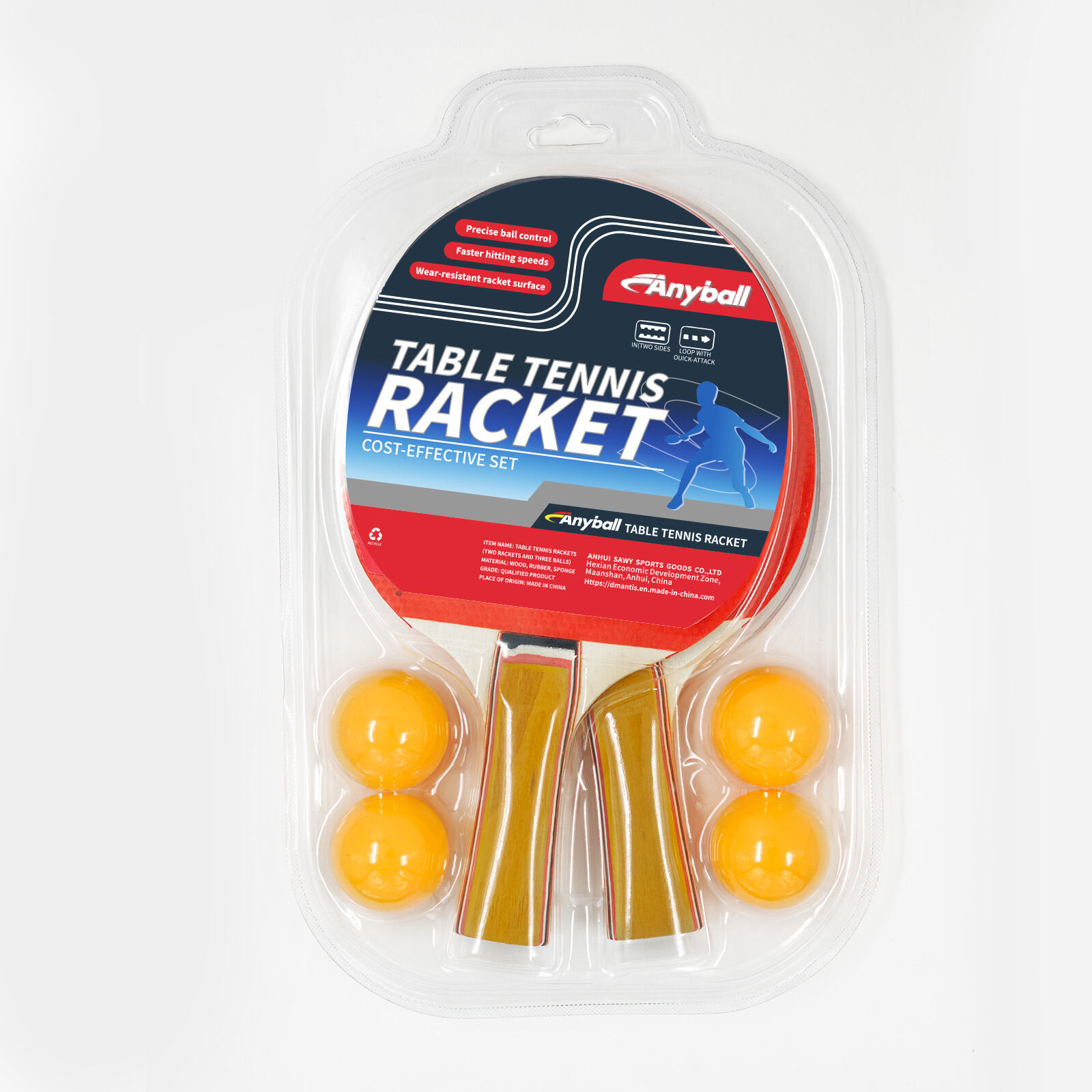
שחקני פדל תחרותיים נוטים באופן עקבי לעדיפות מקלות קלים מַכֶּלֶת פַּדֵל מכיוון שמכשירים אלו מספקים יתרונות קריטיים המשפיעים ישירות על הביצועים במהלך משחקים בעלי עוצמה גבוהה. העדיפות למשקל מופחת נובעת מהיעילות הביומכנית, מהנראות המוגדלת והיכולת לשמור על איכות קבועה של הפעימות לאורך משחק טורניר ממושך. שחקנים מקצועיים מבינים שכל גרם חשוב בעת ביצוע ווליות מהירות, פעימות הגנה ומנוחה מדויקת ברגעים קריטיים במשחק.
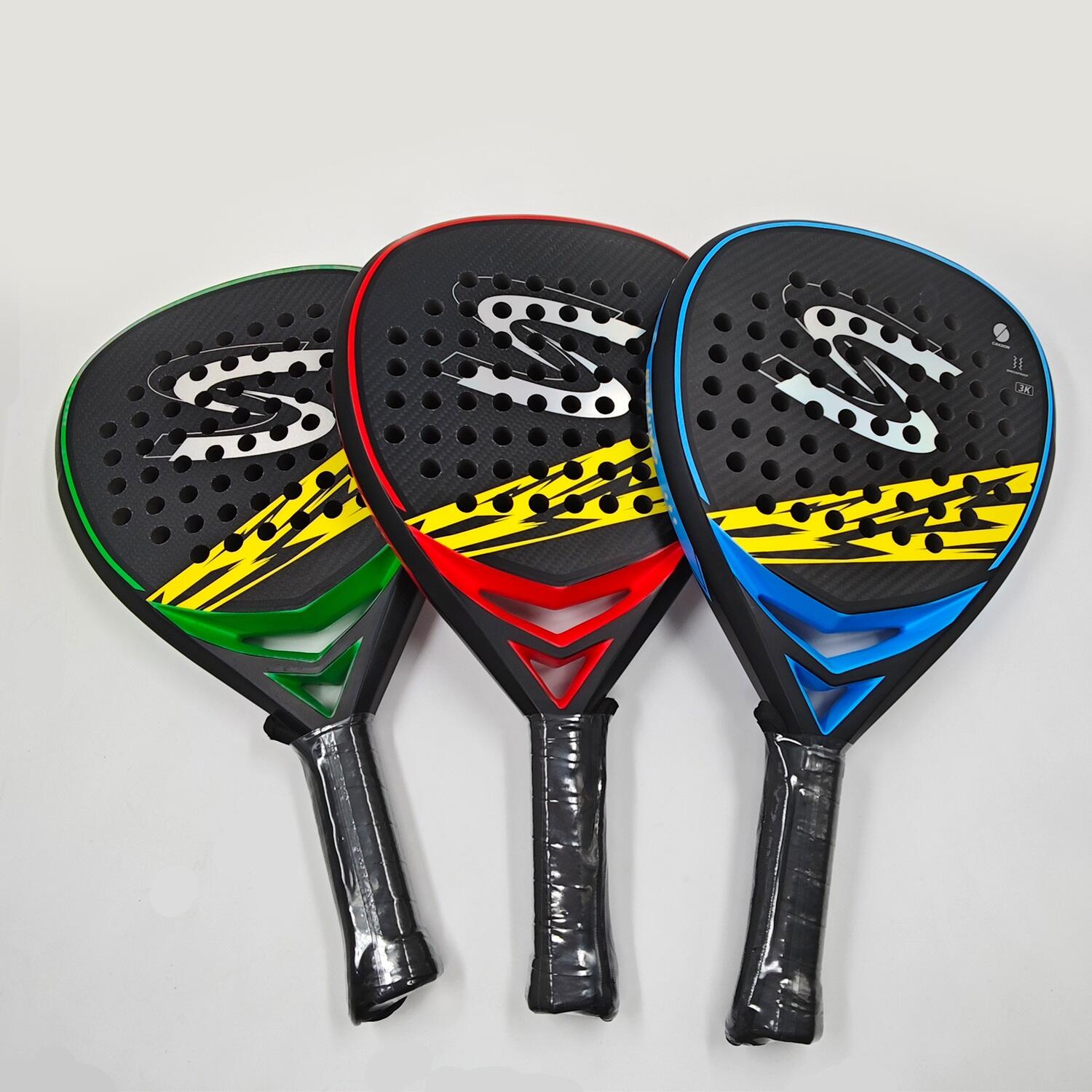
היתרונות האסטרטגיים של בניית מקלות פדל קלים מתבהרים במיוחד בעת ניתוח דפוסי משחק תחרותיים והדרישות הפיזיות המוטלות על ספורטאים ברמה גבוהה. פדל ברמה טורנירית דורשת ביצוע רציף לאורך מספר סטים, כששחקנים מבצעים מאות פעימות למשחק תוך שמירה על דיוק וכוח. א מַכֶּלֶת פַּדֵל שמקל על עייפות הזרועות תוך שמירה על שליטה, ומאפשר לשחקנים לשמור על ביצוע הטכני שלהם מהנקודה הראשונה ועד לסיום המפגש.
הגמישות והמהירות בתגובה משופרות
מעבר מהיר בין עמדות הגנתיות למתקפות
פדל תחרותי דורש מעברים מהירים ביותר בין משחק הגנתי למתקפי, ודורש מהשחקנים להתאים את מיקום המקלית שלהם בתוך מילישניות. עיצובים קלים מאפשרים תאוצה מהירה של ראש המקלית, מה שמאפשר לשחקנים לעבור מבלוקים הגנתיים ברשת אל חבטות עליונות אגרסיביות ללא פגיעה בייעילות הביומכנית שלהם. התאמתיות המהירה הזו נחוצה במיוחד כשמתמודדים עם יריבים שמשנים את דפוסי ההתקפה שלהם ואת מיקומם בשטח לאורך ראליס ממושכים.
שחקנים מקצועיים מעריכים במיוחד את מאפייני הרקטה הקלה לפלדל במהלך חילופי רשת, שבהם זמן התגובה קובע את תוצאת הנקודה. ההתמדות הנמוכה יותר מאפשרת שלבים מהירים יותר להכנה, ומאפשרת לשחקנים להתאים את זווית הפנים של הרקטה ואת נקודת ההגעה עם עיכוב מינימלי. יתרון זה מתגבר במשחק זוגות, שבו דרישות הכיסוי בשטח דורשות התאמה מתמדת ותגובה מהירה למיקום השותף.
שיפור דיוק ההכרעה בטווח קצר
המשחק ברשת מהווה רכיב קריטי באסטרטגיה המתחרה בפלדל, ועיצובי רקטות פלדל קלות מספקים שליטה מעולה במהלך חילופי קרוב. המסה הנמוכה יותר מאפשרת לשחקנים לבצע התאמות עדינות לזווית הרקטה ולנקודת ההגעה ללא התאמות מיותרות, מה שמביא לדיוק גבוה יותר בהצבת הכדור ולשליטה עקבית בעומק ההכרעה. התאמות מיקרוסקופיות אלו חשובות במיוחד כאשר מנסים להכניס הכרעות דרך זוויות צרות או לבצע כריעות עדינות ליד הרשת.
ניתוח טורנירים מראה שמשתמשים במקלות פדל קלים יותר מציגים אחוזי דיוק משופרים במהלך חילופי רשת תחת לחץ גבוה. התחושה המשופרת והתגובה המהירה יותר מאפשרות למתחרים לבצע היטות עדינות בביטחון רב יותר, במיוחד כאשר הם מנסים לנצל פערים במיקום היריב או ליצור הזדמנויות להיטות ווליות מנצחות.
הפחתת עייפות גופנית במהלך תחרויות ממושכות
הקטנת מתח על הזרוע והכתף
השתתפות ממושכת בטורנירים יוצרת עומס משמעותי על השרירים של השחקן, ועיצוב מקלות פדל מסורתיים כבדים יותר תורם לעייפות מוקדמת באזור הזרוע התחתונה, הכתף והחגורת הסיבים הסיבובית. בניית המקל הקלה מפחיתה את העומס המצטבר על קבוצות השרירים הקריטיות הללו, מה שמאפשר לשחקנים לשמור על צורת ההפעלה הטכנית שלהם ועל עקביות ההיטות לאורך משחקים שיכולים להימשך מספר שעות. הפחתת העייפות הזו נמצאת כבעלת ערך מיוחד בסגנון לוחות זמנים של טורנירים הדורשים מספר משחקים בתוך פרקי זמן קצרים.
מחקרים ברפואת ספורט מראים שמשקל המלט של פדל קשור ישירות לצריכת האנרגיה במהלך תנועות נדידה חוזרות. שחקנים מקצועיים שאמצים עיצובים קלים יותר דיווחו על ירידה בכאבי שרירים ושיפור בזמן השיקום בין המätzחים, מה שמאפשר להם לשמור על רמות ביצוע מרביות לאורך כל התחרות. יתרון פיזיולוגי זה מתורגם ישירות לתוצאות טובות יותר במשחקים במצבים קריטיים בשלב הסיום של הסטים.
תחזוקת מהירות הנדידה לאורך המשחקים
עקביות בקצב הפעימה מהווה דרישה בסיסית להצלחה תחרותית בפדל, ועיצובים קלים של מalletי פדל מאפשרים לשחקנים לשמור על הקצב המועדף שלהם לאורך זמן משחק ממושך. ככל שהתשישות מצטברת במהלך משחקים ארוכים, מalletים כבדים דורשים מאמץ שרירי גדול יותר כדי להשיג מהירויות פעימה יעד, מה שמוביל לעקביות לקויה בזמן הפעימה ולירידה באיכות הפעימות. חלופות קלות משמרות את הקצב הטבעי של הפעימה של השחקן ללא תלות באורך המשחק.
שחקנים מקצועיים מבינים ששמירה על עקביות בקצב הפעימה מאפשרת מיקום אמינה של הפעימות וייצור כוח, במיוחד ברגעים קריטיים במשחק. מallet קל של פדל משמר את היכולת של השחקן לבצע פעימות מלאות עם המשך תקין, ומבטיח שאיכות הפעימות תישאר עקבית מהנקודה הראשונה ועד לسينarios אפשריים של טיי-ברק.
שליטה ורגישות מתקדמות לטכניקות מורכבות
느ם משופר לייצור סיבוב
טכניקות תחרותיות מתקדמות דורשות שליטה יוצאת דופן בחלק העליון של המלטיה והרגשה עדינה במגע הכדור, תחומים שבהם עיצובי מלטיות פדל קלות משקל מציגים יתרונות ברורים. המסה המצומצמת מאפשרת לשחקנים להרגיש הבדלים עדינים בדחיסת הכדור ובזווית המגע, מה שמאפשר יצירת ספין מדויקת יותר ועיצוב טקטי של הפעימות. משוב משופר זה הופך לחיוני בביצוע טכניקות מתקדמות כגון זריקות חתוך (slice), פעימות מעבר עם ספין עליון (topspin), ולובים הגנתיים עם קצב ספין משתנה.
שחקני טורנירים מעריכים במיוחד את הרגישות המשופרת במגע שהעיצוב הקל של מלטיות פדל מספק במהלך חילופי ספין כבדים. היכולת לזהות ולהתאים את עצמן לדפוסי הספין של היריב דורשת שליטה יוצאת דופן בפנים המלטיה, דבר הניתן להשגה בקלות רבה יותר כאשר משתמשים בעיצובים שממזערים רעידות לא רצויות ומספקים משוב טקטי ברור דרך הידית.
דיוק בהצבת הפעימה ובהגדרת הזווית
אסטרטגיה תחרותית בפדל נוטה להסתובב סביב מיקום מדויק של הפעימות ויצירת זוויות קשות שמעוררות את עמדת היריב. עיצובי מחבט פדל קלים מסייעים בדרישות הטקטיות הללו על ידי אספקת שליטה מעולה במיקום ראש המחבט ובהתאמה למסלול ההנפה. השחקנים יכולים לבצע תיקונים זעירים בטכניקה שלהם ללא מאבק נגד התמדת מחבט יתרה, מה שמוביל למיקום כדור מדויק יותר וביצוע טקטי משופר.
ניתוח מקצועי חושף כי שחקנים המשתמשים בדמויות מחבט פדל קלות מצליחים להשיג אחוזי דיוק גבוהים יותר בעת ניסיון פעימות בזוויות קשות ובעת ביצוע Серוויסים ממוקדים. היכולת המוגדלת לשלוט במחבט מאפשרת לתחרות להתאים את מישור ההנפה ונקודת ההגעה עם מאמץ מינימלי, מה שמאפשר את ביצוע דפוסי טקטיקה מורכבים התלויים במיקום כדור מדויק.
היתרונות הטכנולוגיים בעיצובים מודרניים קלים
שילוב חומרים מתקדמים לביצוע אופטימלי
בניית המלטפת המודרנית למשחק פדל משלבת טכנולוגיות מתקדמות של סיבי פחמן וחומרים מיוחדים של ליבה מספוג שמשמרים את האינטגריות המבנית תוך הפחתת המשקל הכולל. חדשנות טכנולוגית זו מאפשרת לייצרות ליצור עיצובים שמספקים תגובתיות ושליטה כפי שדורשים שחקנים מתחרים, מבלי לפגוע בקיימות או בפוטנציאל הכוח. שחקנים מקצועיים נהנים מהתקדמויות החומרים הללו דרך שיפור עקביות הביצועים וتمديد תקופת חיים של הציוד.
הנדסת המלטפות המודרנית למשחק פדל מתמקדת באופטימיזציה של התפלגות המשקל ונקודות האיזון כדי למקסם את היתרונות בביצועים תוך שמירה על מאפייני הקלות. מיקום אסטרטגי של חומרים מחזקים וליבות עם צפיפויות מיוחדות מאפשר לייצרות ליצור עיצובים שמתנהגים באופן צפוי לתגובה של השחקן, תוך מינימיזציה של רעידות לא רצויות ואובדן אנרגיה בעת מגע הכדור.
אפשרויות התאמה אישית לפי העדפות השחקן הפרטי
שחקנים תחרותיים זקוקים לעתים קרובות לתכונות מסוימות של משקל ואיזון כדי למקסם את סגנון המשחק האישי שלהם, כאשר מסגרות רaket פדל קלות משקל מספקות יסודות ausgezeichnet להתאמה אישית. מתחי חבל מקצועיים, שינויים באחיזה ותוספות אסטרטגיות של משקל מאפשרים לשחקנים להתאים את הציוד שלהם במדויק תוך שימור היתרונות הבסיסיים של הבנייה הקלה. יכולת ההתאמה הזו מאפשרת לשחקני טורנירים להשיג את مواصفות הביצוע האידיאליות שלהם ללא ויתור על היתרונות הבסיסיים של הורדת המשקל.
שחקנים ברמה גבוהה עובדים בצמוד עם מומחי ציוד כדי למקסם את הגדרת רaket הפדל הקל theirs עבור תנאי טורניר ספציפיים מאפייני יריבים. היכולת לבצע התאמות עדינות בהתפלגות המשקל ונקודות האיזון תוך שימור היתרונות הכוללים של הקלות מספקת יתרונות תחרותיים שמהווים קריטיים במהלך משחק טורנירים ברמה גבוהה.
שאלות נפוצות
באילו טווח משקלים נחשבו רackets לפדל תחרותיות לקלות?
רackets לפדל תחרותיות נוטים ליפול בקטגוריה של קלות כאשר המשקל שלהם הוא בין 340–365 גרם, ורבים מהשחקנים המקצועיים מעדיפים דגמים שמשקלם נע בין 345–355 גרם. טווח המשקל הזה מספק איזון אופטימלי בין ניידות לייצור כוח, ומאפשר לשחקנים לשמור על ביצועים עקביים לאורך משחקים ממושכים, תוך שמירה על הבקרה הדרושה לביצוע ירייה מתקדמת.
האם רackets לפדל קלים מקריבים כוח בהשוואה לאלו הכבדים יותר?
עיצובים מודרניים של משחטים קלים לפדל משתמשים בחומרים מתקדמים ובטכניקות הנדסיות שמשמרים את הפוטנציאל לכוח תוך הקטנת המסה הכוללת. שחקנים מקצועיים יכולים לייצר כוח שווה או עליון דרך מהירות נפיחה משופרת ואיכות מגע עקבית יותר, מה שמביא לעתים קרובות לביצוע כללי טוב יותר למרות המסה המצומצמת. המפתח הוא התאמה נכונה של הטכניקה ואופטימיזציה של הציוד לסגנון משחק אישי.
איך עיצובים קלים משפיעים על התאמה של סגנון המשחק לשחקנים תחרותיים?
המעבר לעיצובי משוטי פדל קלים למשקל בדרך כלל מצריך התאמות קלות בטכניקה, שמתמקדות בזמן ובהכנה להטחה, אך רוב השחקנים המתחרים מתאימים במהרה הודות להחזרה המוגברת והשליטה שעיצובים אלו מספקים. השחקנים לרוב מגליים עקביות משופרת במכות ועייפות מופחתת, מה שמאפשר להם לשמור על סגנון המשחק המועדף עליהם לאורך משחקים ארוכים יותר, ובנוסף לאפשר הרחבה של האפשרויות הטקטיות שלהם באמצעות תמרון משופר.
האם משוטי פדל קלים למשקל מתאימים לכל רמות הכישרון המתחרות?
עיצובים קלים של משחקים לפלד מועילים לשחקנים תחרותיים בכל רמות הכישרון, אם כי היתרונות הספציפיים עשויים להשתנות בהתאם לטכניקה האישית והתנאים הפיזיים של השחקן. שחקנים מתקדמים מעריכים במיוחד את הבקרה המשופרת והעייפות המופחתת, בעוד שמתחרים צעירים לעתים קרובות מוצאים שעיצובים קלים מאיצים את התקדמות הכישורים שלהם באמצעות משוב משופר על הפעימות ופיתוח טכניקות קל יותר. המפתח הוא לבחור مواصفות מתאימות שמתאימות לאפיונים האישיים של המשחק וליעדי ההתפתחות.