EN
EN


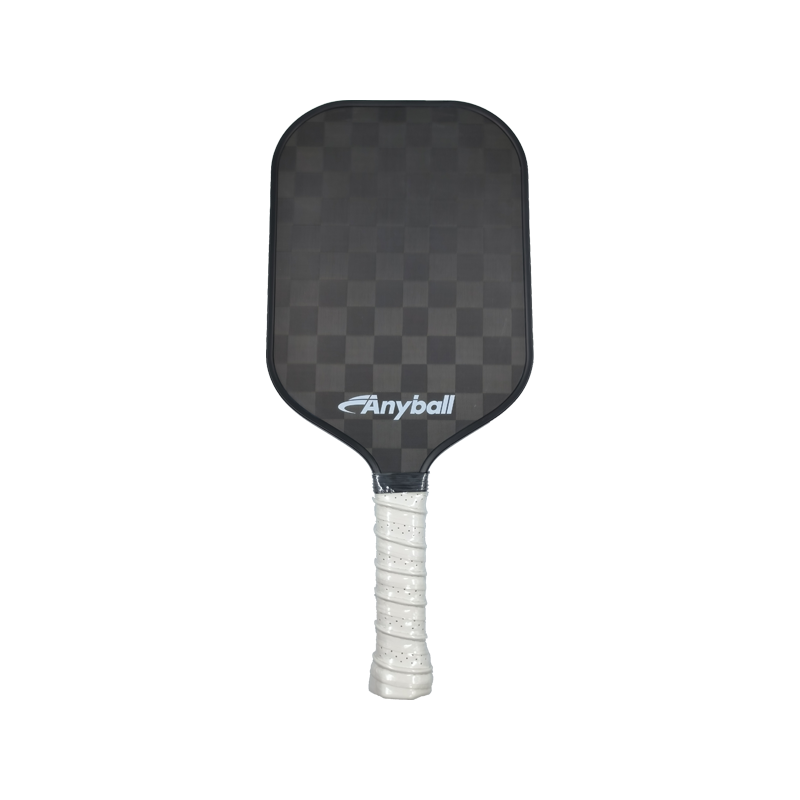
Pasirenkant aukštos našumo padelio raketė žaidėjai turi įvertinti keletą svarbių savybių, kurios tiesiogiai veikia jų žaidimo našumą, patogumą ir žaidimo stilių. Šiuolaikinėje padelo raketų rinkoje yra daugybė variantų su įvairiomis technologijomis, medžiagomis ir konstrukcinėmis savybėmis, kurios gali žymiai paveikti smūgio jėgą, valdymą, sukimosi generavimą bei bendrą žaidimo patirtį. Šių pagrindinių savybių supratimas leidžia žaidėjams priimti informuotus sprendimus, atitinkančius jų įgūdžių lygį, žaidimo stilių ir našumo tikslus aikštėje.
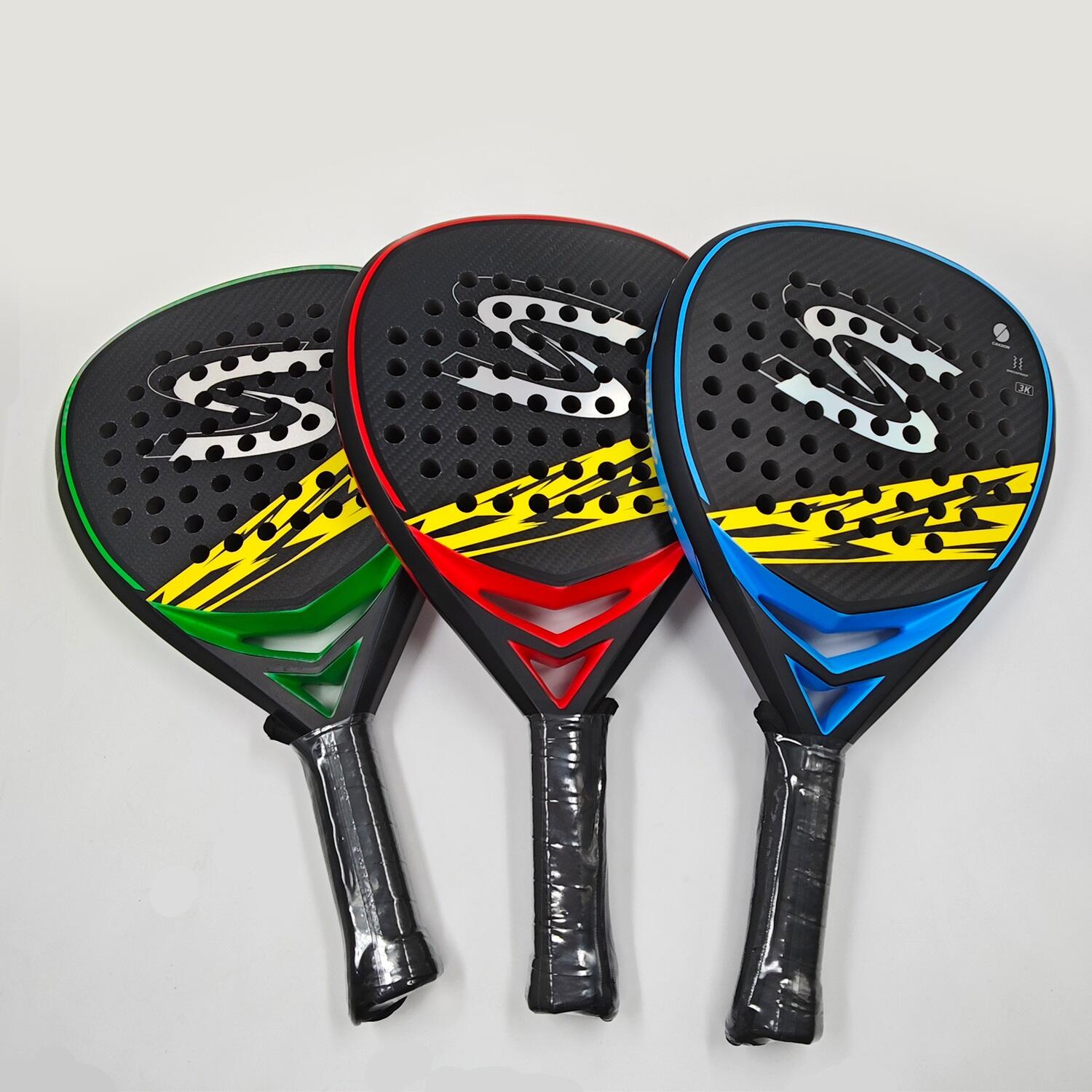
Aukštos našumo padelio raketės parinkimo procesas reikalauja kruopštaus įvertinimo kelių tarpusavyje susijusių veiksnių, įskaitant svorio pasiskirstymą, paviršiaus tekstūrą, šerdies medžiagas, rėmo konstrukciją ir formos geometriją. Kiekvienas iš šių elementų prisideda prie raketės bendrų našumo charakteristikų ir nulemia, kaip efektyviai ji tarnaus skirtingoms žaidimo stiliams – nuo agresyvių jėgos žaidėjų iki tikslumo akcentuojančių valdymo specialistų. Profesionalūs ir pažengę žaidėjai ypač naudingai pasinaudoja šių techninių specifikacijų supratimu, kad optimizuotų savo įrangos pasirinkimą varžybiniam žaidimui.
Būtinos medžiagos ir konstrukcijos savybės
Anglies pluošto rėmo technologija
Anglies pluošto konstrukcija yra aukščiausios kokybės padelo raketų rėmų „auksinis standartas“, užtikrinantis išsklaidytą stiprumo ir svorio santykį bei puikią virpesių slopinimo savybę. Aukštos kokybės anglies pluošto padelo raketos yra ilgaamžiškesnės nei stiklopluošto analogai, vienu metu išlaikydamos optimalų reaktyvumą agresyvioms smūgiavimo technikoms. Anglies pluošto rašto modelis ir pluošto orientacija žymiai veikia raketos standumo charakteristikas, o 3K, 12K ir 18K anglies konfigūracijos siūlo skirtingus našumo profilius įvairioms žaidimo stiliams.
Pažangūs anglies pluošto padelio raketų dizainai įtraukia kelis anglies pluošto sluoksnius su skirtingomis pluošto orientacijomis, kad būtų sukurti tam tikri lankstumo modeliai, gerinantys jėgos perdavimą ir valdymą. Aukštos našumo modeliai dažnai turi sustiprintą anglies pluošto konstrukciją didelės įtampos zonose, pvz., raketos galvoje ir rankenos jungtyje, kad būtų užkirstas kelias ankstyvam sugadinimui intensyvių žaidimo sesijų metu. Anglies pluošto gamybos kokybė tiesiogiai veikia raketos ilgaamžiškumą, nuoseklumą ir bendrą našumo patikimumą ilgalaikiu naudojimu.
Šerdies medžiagos parinkimas
Padelo raketės šerdies medžiaga esminiu būdu nulemia jos žaidimo charakteristikas, o aukštos našumo taikymo srityse pagrindinėmis parinktimis yra EVA putų ir PUTŲ šerdys. EVA putų šerdys suteikia kietesnį jausmą ir gerinamą galios generavimą, todėl jos yra idealios agresyviems žaidėjams, kurie pirmiausia vertina smūgio greitį ir prasiskverbimo galią. EVA putų tankis ir ląstelių struktūra tiesiogiai veikia padelo raketės reaktyvumą: kietesnės EVA konfigūracijos užtikrina sproginančią galią, tačiau tam pasirenkant kai kurią patogumą ir valdymą.
Profesinio lygio padelio raketų modeliai dažnai naudoja daugiasluoksnį EVA šerdies sluoksnį, kuris sujungia skirtingų kietumo putų lygius vienoje raketoje. Ši pažangioji šerdies konstrukcija leidžia gamintojams optimizuoti tam tikrus našumo židinius: minkštesniuose „švelniųjų taškų“ (sweet spot) regionuose užtikrinama didesnė patogumas, tuo tarpu kietesniuose išoriniuose rajonuose išlaikoma maksimali galia. Šerdies storis ir pasiskirstymo schema labai paveikia raketo svorio pasiskirstymą bei bendrą pusiausvyrą, todėl įtakoja manevringumą ir smūgių tikslumą.
Našumui lemtingi konstrukciniai elementai
Paviršiaus tekstūra ir sukimosi generavimas
Paviršiaus tekstūra lemia padelio raketės sukimosi generavimo galimybes ir kamuolio sukibimo su raketės paviršiumi savybes susilietimo metu. Aukštos kokybės padelio raketės modeliai turi specialius paviršiaus apdorojimus, įskaitant grublėtą tekstūrą, 3D raštus arba smėlio popieriaus panašius paviršius, kurie žymiai pagerina žaidėjo gebėjimą suteikti kamuoliui sukimosi judėjimą. Šios tekstūruotos paviršiaus sritis sukuria didesnį trinties jėgos koeficientą tarp kamuolio ir raketės paviršiaus, leisdamos taikyti pažangias technikas, tokias kaip viršutinio sukimosi lobai, pjovimo smūgiai ir šoninio sukimosi kampai, kurie gali žymiai išplėsti taktines galimybes.
Paviršiaus tekstūros apdorojimų ilgaamžiškumas ir nuoseklumas tiesiogiai veikia ilgalaikę našumą, o aukštos kokybės padelio raketė dizainai, išlaikantys savo sukibimo savybes ilgą žaidimo laikotarpį. Pažangios paviršiaus technologijos įtraukia integruotus tekstūros raštus, kurie atsparūs dilimui ir užtikrina nuoseklias kamuolio sąveikos savybes visame smūgio paviršiuje. Profesionalūs žaidėjai ypač vertina tekstūruotus paviršius, kurie suteikia numatytą sukimosi generavimą, neprarandant valdymo ar sukeliant pernelyg didelį kamuolio trinties pasipriešinimą greituose apsikeitimuose.
Svorio pasiskirstymas ir pusiausvyros taškai
Svorio pasiskirstymas žymiai veikia padelo raketės manevringumą, galios generavimą ir bendrą žaidimo charakteristikas, o balanso taškai gali būti nuo galvutės sunkesnių iki rankenos sunkesnių konfigūracijų. Aukštos našumo padelo raketės projektuojamos taip, kad svoris būtų tiksliai pritaikytas tam, kad būtų pasiekti konkretūs našumo tikslai: galvutės sunkesnės raketės suteikia didesnę galios ir judėjimo kiekio jėgą agresyviems smūgiams. Balanso taško matavimas, dažniausiai išreiškiamas milimetrais nuo rankenos pagrindo, tiesiogiai veikia švytuojamąją masę ir raketės sukimosi inerciją atliekant smūgius.
Išsivysčiusiems žaidėjams naudinga suprasti, kaip svorio pasiskirstymas veikia jų žaidimo stilių, o kontroliuojami žaidėjai dažnai pageidauja labiau subalansuotas arba galvos šviesos padel raketų konfigūracijas, kad būtų galima gerokai manevruoti. Bendras svoris kartu su pusiausvyros savybėmis lemia raketės svyravimo savybes, nuovargio lygį ilgo žaidimo metu ir bendrą komfortą greito keitimo metu. Profesionalių modelių sudėtyje dažnai yra strateginių svorio nustatymo sistemų, kurios optimizuoja našumą ir kartu sumažina nereikalingą masę nekritinėse vietose.
Forma ir aerodinaminiai aspektai
Galvos formos geometrija
Padelo raketės galvos forma esminiu būdu veikia jos aerodinamines savybes, „švelniosios vietos“ dydį ir bendrą žaidimo metu pasireiškiančias našumo charakteristikas. Apskritos formos padelo raketės dažniausiai siūlo didesnę „švelniąją vietą“ ir pagerintą valdymą, todėl jos yra tinkamos žaidėjams, kurie pirmenybę teikia tikslumui ir nuoseklumui, o ne tiesioginei jėgos generavimui. Apskritoji geometrija leidžia labiau atleisti smūgius šalia centrinės vietos ir išlaikyti numatytą kamuoliuko reakciją platesniame smūgio plote, kas ypač naudinga besivystantiems žaidėjams ar tiems, kurie dėmesį skiria kamuoliuko krypties tikslumui.
Deimanto ir ašaros formos padelio raketų konfigūracijos suskaido daugiau svorio galvos srityje, kuriant didesnį svyravimo judėjimo kiekį ir sustiprintą galimybę generuoti galią agresyviems žaidimo stiliams. Šios aerodinaminės konstrukcijos sumažina oro pasipriešinimą vykdant smūgį, tuo pat metu užtikrindamos labiau susikaupusias „švelniųjų taškų“ zonas, kurios, tinkamai pataikius, užtikrina maksimalų energijos perdavimą. Formos pasirinkimas reikšmingai veikia raketės inercijos momentą ir sukimosi charakteristikas, įtakodamas tiek galios generavimo galimybes, tiek manevringumą greituose gynimo veiksmuose.
Skylų išdėstymas ir oro srautų dinamika
Skylų išdėstymo schema ant padelo raketės paviršiaus tiesiogiai veikia jos aerodinamines savybes, svorio charakteristikas ir konstrukcinę vientisumą žaidimo sąlygomis. Strategiškai suprojektuotos skylės sukuria optimalius oro srautus, kurie sumažina pasipriešinimą švytimo metu, vienu metu užtikrindamos pakankamą konstrukcinę atramą galingiems smūgiams vykdyti. Aukštos kokybės padelo raketės projektuojamos taip, kad skylės dydis, tarpai tarp jų ir išdėstymo schema būtų tiksliai apskaičiuoti, kad būtų pasiektas subalansuotas aerodinaminis efektyvumas, tenkinamos konstrukcinės reikalavimų ir reglamentinių nuostatų sąlygos.
Pažangūs skylų raštų dizainai atsižvelgia į srauto dinamikos ir sukimosi generavimo sąveiką, o kai kurie konfigūracijų variantai padeda raketės paviršiui geriau „laikyti“ kamuolį ir valdyti jo sukimosi judėjimą. Skylių kraštų apdorojimas ir vienodumas žymiai veikia ilgalaikę naudojimo patikimumą, o tiksliai pagaminti raštai išlaiko savo aerodinamines savybes visą ilgą naudojimo laikotarpį. Profesionalūs žaidėjai dažnai įvertina skylų raštų charakteristikas renkdamiesi įrangą tam tikroms žaidimo sąlygoms ar turnyrų aplinkai, kur nuosekli našumas yra itin svarbus.
Rankenos ir rankenos dangos sistemos funkcijos
Rankenos konstrukcija ir patogumas
Rankenos konstrukcija žymiai veikia žaidėjo patogumą, valdymo tikslumą ir nuovargio atsparumą ilgose aukštos našumo padelo raketos žaidimo sesijose. Aukštos kokybės rankenos sistemos apima ergonomišką formavimą, tinkamą apskritimo dydį ir vibracijų slopinimo technologijas, kurios sumažina įtampą žaidėjo rankoje, rieške ir rankos linkyje. Rankenos vidinė konstrukcija, dažniausiai įtraukianti putų ar anglies pluošto sustiprinimą, nulemia jos ilgaamžiškumą ir reaktyvumą į žaidėjo veiksmus smūgio vykdymo metu.
Pažangūs padelio raketės rankenos dizainai dažnai apima neslydimo dangas, drėgmės valdymo sistemas ir pritaikomų rankenos dydžių parinktis, kurios atitinka įvairių rankų dydžių ir žaidimo pageidavimų reikalavimus. Rankenos ilgis ir formos profilis veikia žaidėjo gebėjimą vykdyti tam tikrus smūgius, ypač tuos, kuriems reikia ištemptos pasiekiamybės ar įvairių rankenos laikymo pozicijų. Aukštos kokybės rankenos konstrukcija išlaiko savo matmeninę stabilumą ir komforto savybes visose temperatūros svyravimų ir drėgmės kaitos sąlygomis, susiduriamose varžybinio žaidimo metu.
Rankenos sistemos integracija
Rankenos apvalkalas yra kritinis sąsajos elementas tarp žaidėjo ir padelo raketos, tiesiogiai veikiantis valdymo tikslumą, patogumą ir smūgių vykdymo nuoseklumą. Aukštos našumo rankenos medžiagos užtikrina optimalų lipnumą, drėgmės sugerties gebėjimą ir ilgaamžiškumą, išlaikydamos pastovią jutiminę charakteristiką įvairiomis aplinkos sąlygomis. Rankenos storis ir paviršiaus tekstūros raštas labai paveikia žaidėjo gebėjimą sukurti sukimosi judėjimą, kontroliuoti smūgio kryptį ir užtikrinti saugų raketos valdymą agresyviomis keitimosi situacijomis.
Profesinio lygio padelo raketų modeliai dažnai turi pažangias rankenos technologijas, įskaitant skylėtą raštą gerintai ventiliacijai, antimikrobinius apdorojimus higienos palaikymui ir keičiamas sistemas, leidžiančias pritaikyti rankeną pagal žaidimo sąlygas. Rankenos montavimo kokybė ir klijavimo sistemos veikia ilgalaikę našumą: tinkamai pritvirtintos rankenos išlaiko savo poziciją ir savybes visą ilgą naudojimo laikotarpį. Žaidėjai gauna naudos suprasdami, kada reikia keisti rankeną ir kokios yra priežiūros reikalavimai, kad užtikrintų nuoseklią aukšto našumo įrangos veikimą.
D.U.K.
Kokį svorio diapazoną turėčiau pasirinkti aukšto našumo padelo raketei?
Aukštos našumo padelio raketės paprastai sveria nuo 360 iki 390 gramų, o dauguma profesionalių žaidėjų renkasi raketes, kurių svoris yra nuo 370 iki 385 gramų, kad pasiektų optimalų galios ir valdymo pusiausvyrą. Lengvesnės nei 370 gramų raketės užtikrina gereresnę manevringumą ir mažesnį nuovargį, o sunkesnės nei 380 gramų raketės suteikia didesnę galią ir stabilumą agresyviais žaidimo stiliais. Tinkamiausias svoris priklauso nuo jūsų fizinės jėgos, žaidimo stiliaus ir ištvermės lygio ilgose varžybose.
Kaip balanso taškas veikia mano žaidimo našumą?
Balanso taškas labai paveikia jūsų padelio raketės svyravimo charakteristikas ir smūgių formavimo galimybes. Galva-pasvėrusio balanso taško (270–285 mm nuo rankenos) raketės suteikia daugiau galios ir impulso agresyviems smūgiams, bet reikalauja daugiau pastangų greitoms manevroms atlikti. Subalansuotos arba galva-lengvos konfigūracijos (260–275 mm) užtikrina gereresnį valdymą ir manevringumą, todėl jos tinka gynimosi žaidėjams ar tiems, kurie pirmiausia vertina tikslumą, o ne tiesioginę galią.
Kokia paviršiaus tekstūra užtikrina geriausią sukimosi generavimo galimybę?
Šiurkščios ar smėlio popieriaus panašios paviršiaus tekstūros užtikrina geresnį sukimosi generavimą nei lygūs paviršiai, o 3D tekstuotos schemos suteikia puikią kamuolio sukibimą sudėtingoms smūgių technikoms. Aukštos kokybės tekstuoti paviršiai ilgiau išlaiko savo sukibimo savybes ir užtikrina nuoseklų sukimosi generavimą visoje smūgio srityje. Tekstūra turėtų jaustis patikima, bet ne pernelyg šiurkščia, leisdama natūralų kamuolio kontaktą ir tuo pačiu stiprindama sukimosi kontrolę įvairių smūgių metu.
Ar reikėtų kruopščiai vertinti anglies pluošto konstrukciją varžybiniam žaidimui?
Anglies pluošto konstrukcija suteikia reikšmingų privalumų varžybinėms padelo raketėms, įskaitant aukštesnę ilgaamžiškumą, gerintą jėgos perdavimą ir pagerintą virpesių slopinimą lyginant su stiklo pluošto alternatyvomis. Aukštos kokybės anglies pluošto rėmai užtikrina nuoseklias žaidimo charakteristikas visą jų tarnavimo laiką, taip pat geriau apsaugo nuo smūgio pažeidimų agresyvios žaidimo metu. Rimtiems varžybiniams žaidėjams investicija į anglies pluošto konstrukciją dažniausiai užtikrina geresnę ilgalaikę vertę ir našumo nuoseklumą.