EN
EN


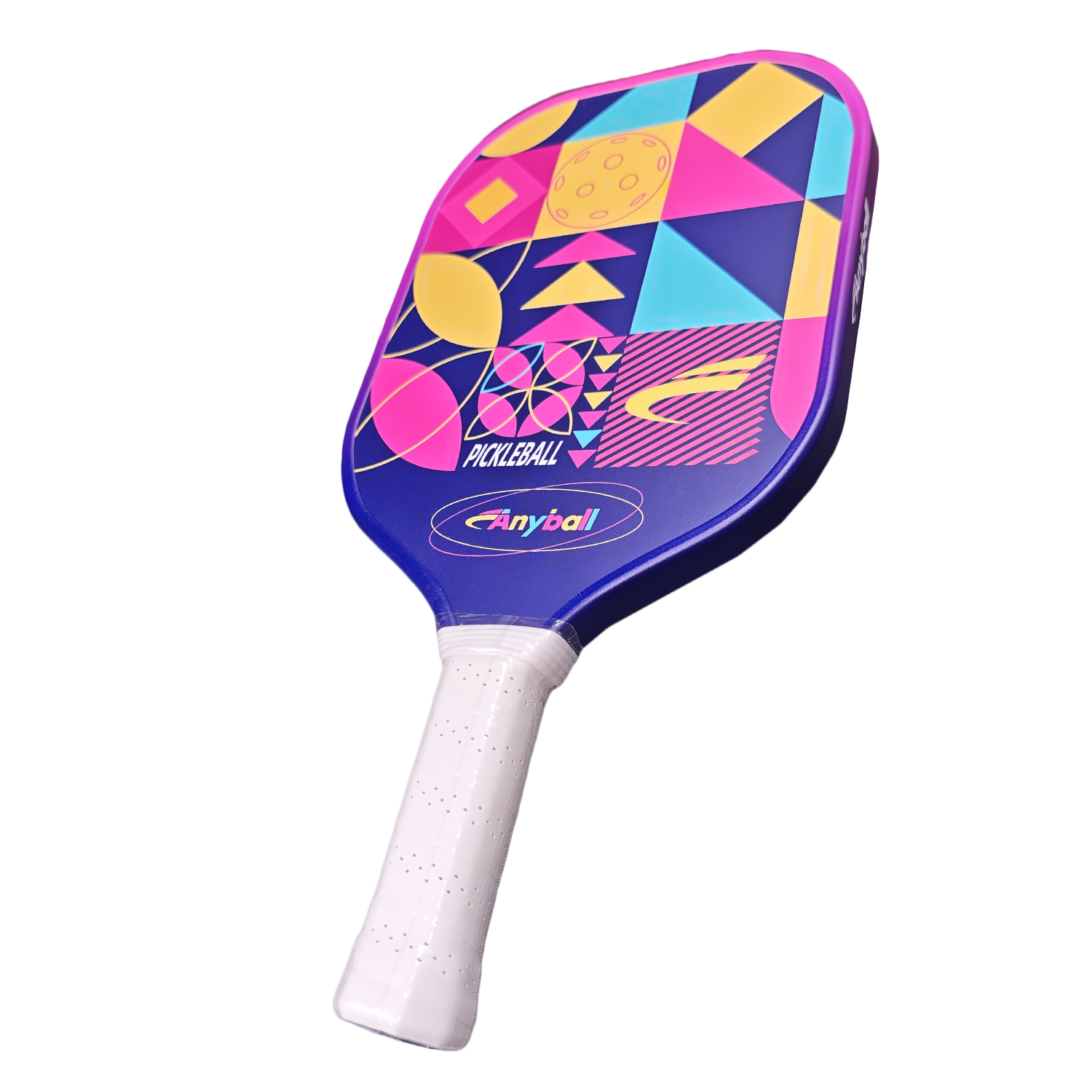
สมดุลของไม้ปัดเดิล ไม้ปิงปอง มีผลโดยพื้นฐานต่อวิธีการสร้างพลังงานและสปินระหว่างการแข่งขัน ซึ่งส่งผลต่อทุกอย่าง ตั้งแต่การตีหัวเราะ (overhead smashes) ไปจนถึงการตอบโต้แบบป้องกัน (defensive volleys) เมื่อนักกีฬาเข้าใจว่าจุดศูนย์กลางมวล (balance point) มีอิทธิพลต่อด้านพลศาสตร์ของการกระทบลูกบอลอย่างไร พวกเขาสามารถปรับเลือกการตีและตำแหน่งบนคอร์ตให้เหมาะสมเพื่อเพิ่มประสิทธิภาพสูงสุดทั้งในด้านพลังงานที่ส่งออกและการสร้างสปิน การกระจายมวลตามความยาวของไม้ปัดเดิลมีผลทำให้เกิดลักษณะการเล่นที่แตกต่างกันอย่างชัดเจน ซึ่งส่งผลกระทบโดยตรงต่อผลการแข่งขันและประสิทธิภาพของสไตล์การเล่น
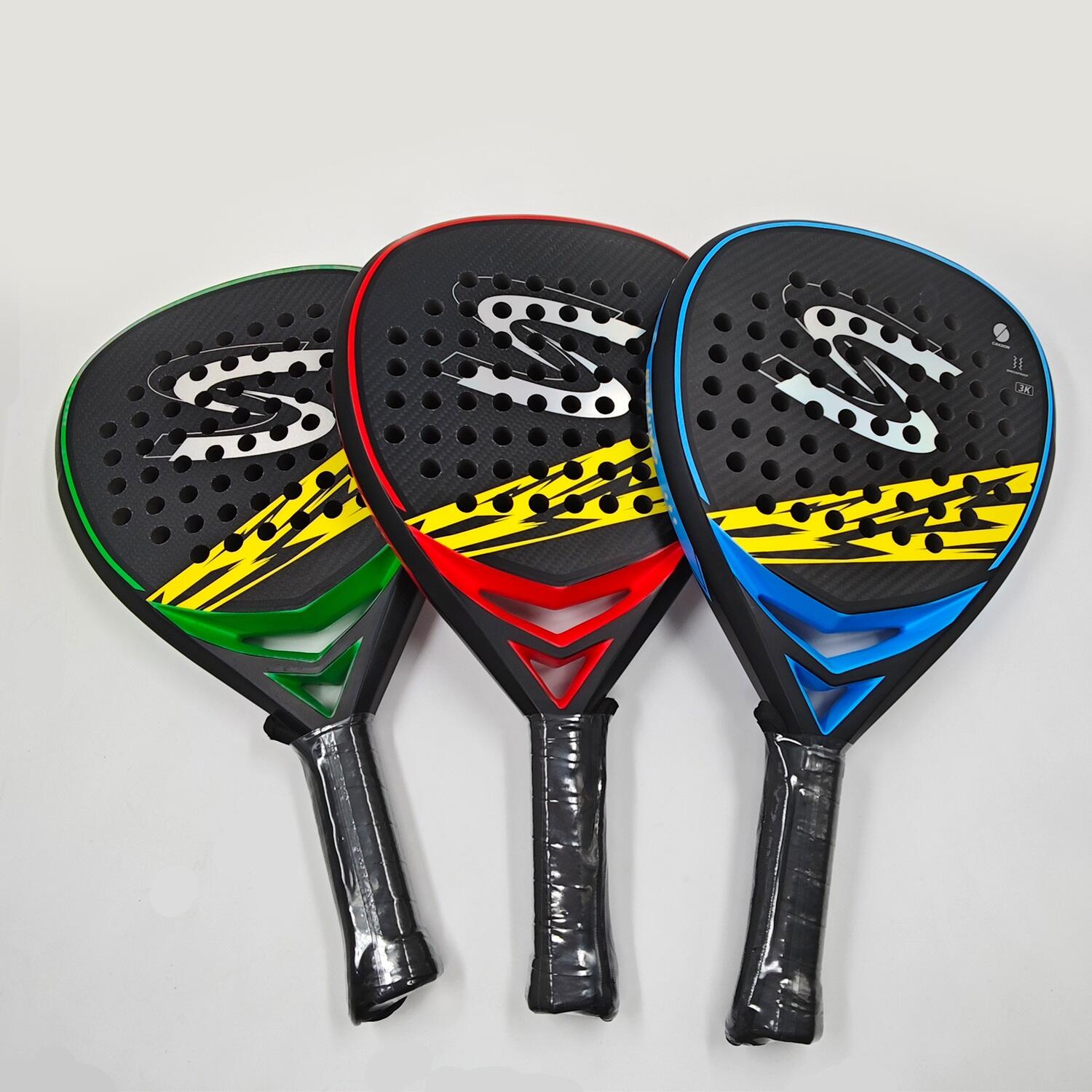
นักปัดเดิลมืออาชีพตระหนักดีว่าจุดสมดุลของไม้ปัดเดิลมีผลต่อการถ่ายโอนโมเมนตัมระหว่างไม้กับลูกบอล ซึ่งส่งผลให้เกิดความแตกต่างที่วัดค่าได้ในด้านความเร็วของการตีลูกและอัตราการหมุน ไม้ปัดเดิลที่มีจุดสมดุลเอียงไปทางหัวไม้ (head-heavy) จะมีน้ำหนักขณะสวิงมากขึ้น ส่งผลให้สามารถตีลูกแบบรุกรานได้อย่างทรงพลัง แต่ต้องอาศัยความแม่นยำในการจังหวะและควบคุมที่สูงขึ้น ในทางกลับกัน ไม้ที่มีจุดสมดุลเอียงไปทางด้ามไม้ (head-light) จะช่วยให้หัวไม้เคลื่อนที่เร็วขึ้นและคล่องตัวมากขึ้น ทำให้สามารถสร้างสปินได้ดีขึ้นผ่านการกระดิกข้อมือที่เพิ่มขึ้นและกลไกการสวิงที่สั้นลงในระหว่างการแลกเปลี่ยนลูกอย่างรวดเร็ว
หลักฟิสิกส์ของจุดสมดุลในไม้ปัดเดิล
หลักการพื้นฐานของการกระจายมวล
จุดสมดุลของไม้ปัดเดิล (padel racket) หมายถึง จุดศูนย์กลางมวลที่กระจายอยู่ตามความยาวของไม้ ซึ่งมักวัดจากฐานด้ามจับไปยังส่วนหัวของไม้ ส่วนใหญ่แล้วไม้ปัดเดิลมีจุดสมดุลอยู่ระหว่าง 260–280 มม. จากฐานด้ามจับ โดยความแปรผันของจุดสมดุลนี้จะส่งผลให้เกิดลักษณะการเล่นที่ต่างกัน ซึ่งเหมาะกับรูปแบบการเล่นที่หลากหลาย เมื่อจุดสมดุลเลื่อนเข้าใกล้ส่วนหัวของไม้ ผู้เล่นจะรู้สึกถึงโมเมนตัมที่เพิ่มขึ้นในขณะเหวี่ยงไม้ไปข้างหน้า ส่งผลให้ความเร็วของลูกหลังจากการกระทบเพิ่มสูงขึ้น
ไม้ปัดเดิลแบบหัวหนัก (head-heavy padel rackets) มีการกระจดน้ำหนักมากขึ้นบริเวณส่วนบนของไม้ ทำให้เกิดผลเหมือนลูกตุ้ม (pendulum effect) ซึ่งช่วยสร้างพลังงานโดยธรรมชาติผ่านแรงโน้มถ่วงขณะตีลูกเหนือศีรษะ การกระจดน้ำหนักเช่นนี้ช่วยให้ผู้เล่นสามารถรักษาพลังงานในการตีได้อย่างสม่ำเสมอ แม้จะเตรียมการเหวี่ยงไม้ในระยะสั้นก็ตาม ซึ่งเป็นประโยชน์อย่างยิ่งในสถานการณ์การเปลี่ยนผ่านเชิงรับและการตีวอลเลย์อย่างรวดเร็ว นอกจากนี้ มวลที่เพิ่มขึ้นบริเวณหัวไม้ยังช่วยเพิ่มความมั่นคงเมื่อกระทบลูก ลดการสั่นสะเทือน และปรับปรุงการควบคุมลูกในกรณีที่กระทบลูกไม่ตรงจุดศูนย์กลาง
ในทางกลับกัน รูปแบบการจัดสมดุลแบบหัวเบา (Head-light) จะวางน้ำหนักไว้มากขึ้นบริเวณด้ามจับ ทำให้ไม้ปัดเดิลสามารถเร่งความเร็วได้รวดเร็วขึ้น และคล่องตัวยิ่งขึ้นระหว่างการแลกหมุนอย่างรวดเร็ว ผู้เล่นที่ใช้ไม้ปัดเดิลแบบหัวเบาสามารถสร้างความเร็วในการสวิงได้เร็วขึ้นโดยใช้แรงน้อยลง ซึ่งส่งผลให้สามารถสร้างสปินได้มากขึ้น เนื่องจากความเร็วของหัวไม้ขณะกระทบลูกเพิ่มสูงขึ้น รูปแบบการจัดสมดุลนี้มีประสิทธิภาพเป็นพิเศษสำหรับผู้เล่นที่เน้นความแม่นยำในการวางตำแหน่งลูกและการเปลี่ยนแปลงสปิน มากกว่าการสร้างพลังงานเชิงบริสุทธิ์
พลศาสตร์ของน้ำหนักขณะสวิง
น้ำหนักขณะสวิง (Swing weight) หมายถึง ความต้านทานที่ไม้ปัดเดิลสร้างขึ้นระหว่างการเคลื่อนที่แบบหมุน ซึ่งได้รับอิทธิพลโดยตรงจากตำแหน่งจุดศูนย์กลางสมดุล (balance point) และการกระจายมวลโดยรวม น้ำหนักขณะสวิงที่สูงขึ้น มักสัมพันธ์กับรูปแบบการจัดสมดุลแบบหัวหนัก (head-heavy) ซึ่งต้องใช้แรงจากกล้ามเนื้อมากขึ้นในการเริ่มต้นการเคลื่อนไหว แต่จะสร้างโมเมนตัมได้มากขึ้นเมื่อเริ่มสวิงแล้ว ลักษณะนี้ช่วยให้ผู้เล่นสามารถรักษาพลังงานที่ส่งออกอย่างสม่ำเสมอได้ ไม่ว่าจะส่งลูกด้วยความเร็วในการสวิงที่แตกต่างกัน หรือกระทบลูกที่จุดต่าง ๆ
ผู้เล่นที่ใช้ไม้ปัดเทนนิสที่มีน้ำหนักการแกว่งสูง ไม้ปิงปอง มักจะได้รับประโยชน์จากการเจาะลูกบอลได้ดีขึ้นและลดการเบี่ยงเบนของลูกบอลลงในระหว่างการแลกเปลี่ยนลูกที่มีพลังสูง ความเฉื่อยของการหมุนที่เพิ่มขึ้นช่วยรักษาเสถียรภาพของไม้ไว้ขณะกระทบลูก โดยเฉพาะเมื่อต้องรับลูกที่มีความเร็วสูง หรือขณะทำการโจมตีอย่างรุนแรง อย่างไรก็ตาม เสถียรภาพนี้มาพร้อมกับความสามารถในการเคลื่อนย้ายไม้ที่ลดลง ซึ่งอาจจำกัดปฏิกิริยาตอบสนองอย่างรวดเร็วในระหว่างการแลกเปลี่ยนลูกบริเวณเน็ตที่มีจังหวะเร็ว
การจัดวางน้ำหนักแบบน้ำหนักเบาบริเวณหัวไม้ (head-light) ซึ่งเป็นลักษณะเด่นของไม้ปัดเทนนิสแบบแพเดิลที่มีน้ำหนักการแกว่งต่ำ ช่วยให้สามารถเปลี่ยนทิศทางได้อย่างรวดเร็ว และเพิ่มศักยภาพในการสร้างสปินได้มากขึ้น ผู้เล่นสามารถใช้การกระดกข้อมืออย่างรวดเร็วและใช้การสวิงแบบย่อสั้นลง ขณะยังคงรักษาการสัมผัสลูกได้อย่างมีประสิทธิภาพ ซึ่งเป็นสิ่งสำคัญสำหรับการตีลูกแบบหลอกล่อ และการกลับมาตั้งรับอย่างรวดเร็ว การต้านทานการหมุนที่ลดลงทำให้สามารถปรับการสวิงได้บ่อยครั้งขึ้นระหว่างการสัมผัสลูก จึงสามารถควบคุมสปินและตำแหน่งการตกของลูกได้อย่างแม่นยำและซับซ้อนยิ่งขึ้น
การสร้างพลังผ่านการปรับสมดุลให้เหมาะสม
ข้อได้เปรียบของการจัดวางน้ำหนักแบบหัวหนัก (Head-Heavy)
แร็กเก็ตแพเดิลแบบหัวหนักมีข้อได้เปรียบในการสร้างพลังงานผ่านการถ่ายโอนโมเมนตัมที่เพิ่มขึ้นในช่วงที่กระทบลูก โดยเฉพาะอย่างยิ่งสำหรับผู้เล่นที่ชอบเล่นแบบรุกรานจากแนวหลังและใช้การตีลูกเหนือศีรษะแบบโจมตี น้ำหนักที่รวมอยู่บริเวณหัวแร็กเก็ตทำให้เกิดผลของลูกตุ้มตามธรรมชาติ ซึ่งสามารถสร้างพลังงานจลน์สูงได้แม้ด้วยความพยายามในการสวิงที่ค่อนข้างน้อย การจัดวางน้ำหนักแบบนี้มีประโยชน์อย่างยิ่งในสถานการณ์ป้องกัน ที่ผู้เล่นจำเป็นต้องสร้างพลังงานจากการสวิงที่กระชับและเตรียมตัวสั้น
ผู้เล่นที่ใช้แร็กเก็ตแพเดิลแบบสมดุลหัวหนักมักจะบรรลุความเร็วของลูกที่สูงขึ้นในระหว่างการเสิร์ฟและการตีสแมช เนื่องจากน้ำหนักส่วนหัวที่เพิ่มขึ้นช่วยดันผ่านจุดสัมผัสลูกด้วยแรงที่ต่อเนื่อง นอกจากนี้ มวลที่เพิ่มขึ้นยังให้ความมั่นคงมากขึ้นขณะกระทบลูก ลดการสูญเสียพลังงานจากการสั่นสะเทือนและการเบี่ยงเบน นักกีฬามืออาชีพมักเลือกใช้แร็กเก็ตแพเดิลแบบหัวหนักเมื่อแข่งขันบนพื้นสนามที่เร็ว หรือเมื่อเผชิญคู่แข่งที่นิยมการแลกเปลี่ยนลูกด้วยความเร็วสูง
ลักษณะของโมเมนตัมที่เกิดจากสมดุลแบบหัวหนักช่วยให้เกิดกำลังขับที่สม่ำเสมอในทุกความเร็วของการสวิง ทำให้ผู้เล่นสามารถรักษาการตีลูกอย่างรุนแรงได้แม้ในระหว่างการแข่งขันที่ใช้พลังงานสูง ความเสถียรในการสร้างกำลังนี้มีความสำคัญอย่างยิ่งในแมตช์ที่ยาวนาน ซึ่งการรักษาความเร็วของลูกให้สม่ำเสมอจะยากขึ้นเมื่อผู้เล่นเริ่มเหนื่อยล้า นอกจากนี้ น้ำหนักการสวิงตามธรรมชาติยังช่วยให้ผู้เล่นพัฒนารูปแบบจังหวะการตีที่สม่ำเสมอ เพราะโมเมนตัมของไม้เทนนิสช่วยให้รักษาจุดสัมผัสที่เหมาะสมได้อย่างมีประสิทธิภาพ
สมดุลแบบหัวเบาเพื่อควบคุมกำลัง
ไม้ปัดเดิลที่มีน้ำหนักเบาบริเวณหัวไม้สร้างพลังงานผ่านความเร็วของการสวิงที่เพิ่มขึ้น แทนที่จะอาศัยโมเมนตัม ซึ่งช่วยให้ผู้เล่นสามารถสร้างความเร็วของลูกได้อย่างมากผ่านการเร่งความเร็วของไม้แบบรวดเร็ว แนวทางการสร้างพลังงานนี้ทำให้มีการควบคุมจังหวะและตำแหน่งของการตีลูกได้ดียิ่งขึ้น เนื่องจากผู้เล่นสามารถปรับความเร็วของการสวิงและมุมการกระทบกับลูกได้อย่างแม่นยำยิ่งขึ้นในระหว่างที่ลูกเข้ามาใกล้ น้ำหนักที่ลดลงบริเวณหัวไม้ยังช่วยให้สามารถเปลี่ยนรูปแบบการสวิงได้อย่างคล่องตัวมากขึ้นภายในระยะเวลาเตรียมตีลูกเดียวกัน
ผู้เล่นที่ใช้ไม้ปัดเดิลที่มีสมดุลแบบหัวเบา มักจะบรรลุอัตราส่วนพลังงานต่อน้ำหนักที่เหนือกว่า สามารถสร้างความเร็วของลูกได้อย่างน่าประทับใจ ขณะเดียวกันก็ยังคงการควบคุมทิศทางได้อย่างแม่นยำ ความสามารถในการเร่งความเร็วของไม้ได้อย่างรวดเร็ว ทำให้สามารถตีลูกที่มีพลังได้จากท่าเตรียมตีที่กระชับ โดยเฉพาะอย่างยิ่งในระหว่างการแลกตีลูกที่ตาข่าย (volley exchanges) และการเล่นเพื่อเปลี่ยนจังหวะ (transition plays) วิธีการสร้างพลังงานนี้มีประสิทธิภาพเป็นพิเศษสำหรับผู้เล่นที่มีความแข็งแรงของข้อมือและปลายแขนที่ดี ซึ่งสามารถเร่งความเร็วของการสวิงได้สูงสุด
ข้อได้เปรียบด้านความสามารถในการควบคุมทิศทางของไม้ปัดเดิลแบบหัวเบาช่วยให้ผู้เล่นสามารถสร้างพลังงานได้จากหลากหลายท่าทางของร่างกายและมุมการสวิง ซึ่งส่งผลให้มีความยืดหยุ่นเชิงกลยุทธ์ระหว่างการแข่งขัน ผู้เล่นสามารถตีลูกข้ามสนามอย่างทรงพลัง ตีลูกวอลเลย์ด้วยมุมแหลมคม และตีลูกโลบแบบเจาะลึกได้โดยใช้การจัดสมดุลแบบเดียวกัน โดยปรับเทคนิคการสร้างพลังงานให้สอดคล้องกับความต้องการเชิงกลยุทธ์เฉพาะในแต่ละระยะของการแลกเปลี่ยนลูก
การสร้างหมุนและการสัมพันธ์กับจุดศูนย์กลางมวล
ความเร็วเชิงมุมและการผลิตการหมุน
การสร้างสปินในการเล่นแพเดิลขึ้นอยู่กับความเร็วของหัวไม้ที่สัมผัสลูกเป็นหลัก โดยจุดสมดุลของไม้มีอิทธิพลโดยตรงต่อความเร็วเชิงมุมที่ผู้เล่นสามารถบรรลุได้ในระหว่างการสวิง ไม้แพเดิลแบบหัวเบา (head-light) ช่วยให้เกิดความเร็วในการหมุนสูงขึ้น เนื่องจากมีโมเมนต์แห่งความเฉื่อยในการหมุนต่ำลง ทำให้ผู้เล่นสามารถสร้างสปินแบบท็อปสปิน แบ็กสปิน และไซด์สปินได้อย่างมีน้ำหนักผ่านการเร่งความเร็วของไม้อย่างรวดเร็ว น้ำหนักหัวไม้ที่เบากว่าช่วยให้เปลี่ยนทิศทางได้รวดเร็วขณะสัมผัสลูก จึงสามารถสร้างสปินแบบผสมผสานที่ซับซ้อนได้ภายในหนึ่งครั้งของการตี
ผู้เล่นที่ต้องการสร้างสปินสูงสุดมักชอบไม้แบบหัวเบา เนื่องจากน้ำหนักในการสวิงที่ลดลงช่วยให้สามารถใช้งานข้อมือได้อย่างมีประสิทธิภาพมากขึ้นขณะสัมผัสลูก การเคลื่อนไหวของข้อมือที่เพิ่มขึ้นนี้ช่วยให้เกิดมุมการสัมผัสที่คมชัดยิ่งขึ้น และเปลี่ยนเส้นทางการตีของไม้ได้อย่างรุนแรงยิ่งขึ้น ซึ่งทั้งสองประการนี้มีความสำคัญอย่างยิ่งต่อการสร้างอัตราการหมุนสูง ความสามารถในการรักษาระดับความเร็วของหัวไม้ให้คงที่ตลอดบริเวณการสัมผัสลูก ทำให้การส่งถ่ายสปินไปยังพื้นผิวลูกมีความสม่ำเสมอมากขึ้น
ความสัมพันธ์ระหว่างสมดุลกับการหมุนจะเห็นได้ชัดเป็นพิเศษในขณะที่ตีลูกแบบสไลซ์และลูกป้องกันแบบลอยสูง (defensive lobs) โดยการควบคุมการหมุนอย่างแม่นยำจะเป็นตัวกำหนดประสิทธิภาพของลูกที่ตีออกไป ไม้ปัดเดิลแบบหัวเบา (head-light padel rackets) ช่วยให้ผู้เล่นสามารถรักษาการควบคุมการหมุนได้อย่างแม่นยำ ขณะเดียวกันก็ปรับเปลี่ยนทิศทางของลูกได้อย่างคล่องแคล่ว ทำให้สามารถตีลูกเชิงกลยุทธ์ขั้นสูงที่ผสมผสานทั้งความแม่นยำในการวางตำแหน่งลูกกับการเปลี่ยนแปลงระดับการหมุนได้อย่างลงตัว ความสามารถนี้มีความสำคัญยิ่งสำหรับผู้เล่นที่ใช้สไตล์การเล่นเน้นการหมุนเป็นหลัก รวมถึงกลยุทธ์การจัดตำแหน่งตัวบนคอร์ต
ระยะเวลาการสัมผัสและการถ่ายโอนแรงหมุน
ระยะเวลาที่ลูกสัมผัสกับไม้ปัดเดิลมีอิทธิพลอย่างมากต่อประสิทธิภาพของการถ่ายโอนแรงหมุน โดยสมดุลของไม้ปัดเดิลส่งผลต่อความมั่นคงและความสม่ำเสมอของช่วงเวลาการสัมผัสนั้น ไม้ปัดเดิลที่มีสมดุลแบบหัวหนัก (head-heavy balance configurations) ช่วยยืดระยะเวลาการสัมผัสให้นานขึ้น เนื่องจากมีมวลมากกว่าบริเวณด้านหลังจุดกระทบ ทำให้สามารถถ่ายโอนแรงหมุนได้อย่างครบถ้วนยิ่งขึ้น แม้ในขณะที่ความเร็วของการสวิงจะต่ำ ลักษณะนี้ส่งประโยชน์ต่อผู้เล่นที่สร้างแรงหมุนผ่านการสวิงที่ยาวและรอบคอบมากขึ้น
ไม้ปัดเดิลแบบหัวน้ำหนักเบาช่วยเพิ่มประสิทธิภาพในการหมุนลูกบอลผ่านรอบการสัมผัสที่รวดเร็ว ทำให้สามารถปรับแต่งการหมุนได้หลายครั้งในระดับจุลภาคขณะลูกบอลสัมผัสกับไม้ น้ำหนักหัวที่ลดลงช่วยให้เกิดการตอบสนองต่อการสัมผัสได้ไวยิ่งขึ้น ผู้เล่นจึงสามารถปรับแรงหมุนได้ตลอดช่วงเวลาที่ลูกบอลสัมผัสไม้ ความไวต่อการตอบสนองนี้ช่วยให้ผู้เล่นระดับสูงสามารถสร้างการหมุนที่หลอกลวงและเส้นทางการเคลื่อนที่ของลูกบอลที่คาดไม่ถึง ซึ่งท้าทายการจัดตำแหน่งและการจังหวะของคู่แข่ง
นักกีฬามืออาชีพมักใช้ความสัมพันธ์ระหว่างระยะเวลาการสัมผัสกับลูกบอลกับสมดุลของไม้ปัดเดิลเป็นประโยชน์เพื่อสร้างข้อได้เปรียบเชิงกลยุทธ์ในสถานการณ์เฉพาะของการแข่งขัน ระยะเวลาการสัมผัสที่ยาวนานจะเอื้อต่อการสร้างการหมุนแบบท็อปสปินอย่างหนักและการเข้าถึงพื้นที่หลังสนามอย่างลึกซึ้ง ในขณะที่ระยะเวลาการสัมผัสที่สั้นจะช่วยให้เกิดการเปลี่ยนแปลงการหมุนอย่างเฉียบคมและใช้มุมสนามได้อย่างมีประสิทธิภาพ การเข้าใจพลวัตเหล่านี้ช่วยให้ผู้เล่นสามารถเลือกโครงสร้างสมดุลของไม้ปัดเดิลที่เหมาะสมตามเทคนิคการสร้างการหมุนที่ตนถนัดและความต้องการเชิงกลยุทธ์
การประยุกต์ใช้ในสถานการณ์การแข่งขัน
พิจารณาเกี่ยวกับการเล่นเชิงรุก
ในช่วงที่เล่นเชิงรุก การทรงตัวของไม้ปัดเดิล (padel racket) มีผลโดยตรงต่อความสามารถของผู้เล่นในการตีลูกแบบรุกอย่างมีพลัง ขณะเดียวกันก็ยังคงความยืดหยุ่นเชิงกลยุทธ์ไว้ได้ ไม้ปัดเดิลที่มีส่วนหัวหนักกว่าส่วนปลาย (head-heavy) เหมาะสมอย่างยิ่งสำหรับการสร้างแรงกดดันเชิงรุกอย่างต่อเนื่อง ทำให้ผู้เล่นสามารถสร้างพลังในการตีลูกได้อย่างสม่ำเสมอตลอดการแลกเปลี่ยนลูกที่ยาวนาน โดยไม่ต้องใช้แรงกายมากเกินไป ลักษณะการเคลื่อนที่ตามโมเมนตัมของไม้ที่มีส่วนหัวหนัก ช่วยสร้างจังหวะที่เป็นธรรมชาติในการตีลูกแบบรุกอย่างต่อเนื่อง ซึ่งช่วยให้ผู้เล่นรักษาความเข้มข้นของการเล่นเชิงรุกไว้ได้ในช่วงสำคัญของแมตช์
ผู้เล่นที่ใช้ไม้ปัดเดิลแบบส่วนหัวหนักในระหว่างการเล่นเชิงรุกจะได้รับประโยชน์จากความสามารถในการเจาะลูกที่ดีขึ้น และลดระยะเวลาที่คู่แข่งใช้ฟื้นตัวจากการรับลูก ความเร็วของลูกที่เพิ่มขึ้นอันเกิดจากการถ่ายโอนโมเมนตัม สร้างแรงกดดันด้านเวลาให้กับคู่แข่งที่กำลังรับลูก ส่งผลให้มักเกิดข้อผิดพลาดเชิงรับ หรือการวางตำแหน่งในการส่งลูกตอบกลับที่ไม่เหมาะสม ข้อได้เปรียบเชิงรุกนี้จะเด่นชัดยิ่งขึ้นโดยเฉพาะในเกมเสิร์ฟ และในช่วงที่เปลี่ยนจากการเล่นเชิงรับมาเป็นเชิงรุก
ในทางกลับกัน ความสมดุลแบบหัวเบาช่วยเพิ่มความหลากหลายในการเล่นเชิงรุกผ่านความสามารถในการวางตำแหน่งการตีลูกที่แม่นยำยิ่งขึ้น และตัวเลือกในการเปลี่ยนแปลงสปินได้มากขึ้น ผู้เล่นสามารถตีลูกเชิงรุกที่หลอกล่อคู่แข่งได้อย่างมีประสิทธิภาพ โดยผสมผสานระหว่างพลังและความเร็วเข้ากับมุมที่ไม่คาดคิด ซึ่งสร้างโอกาสในการทำแต้มเชิงรุกผ่านความแม่นยำเชิงยุทธศาสตร์ แทนที่จะอาศัยแรงเพียงอย่างเดียว แนวทางนี้แสดงให้เห็นถึงประสิทธิภาพอย่างโดดเด่น โดยเฉพาะเมื่อเผชิญหน้ากับคู่แข่งที่เก่งในการรับลูกที่มีความเร็วสูง แต่กลับมีข้อจำกัดในการรับลูกที่มีสปินหนัก
การผสานกลยุทธ์การเล่นแบบรับ
การเล่นแบบรับในพัดเดิลต้องอาศัยการจัดตำแหน่งแร็กเก็ตอย่างรวดเร็วและการควบคุมลูกอย่างแม่นยำ ซึ่งเป็นลักษณะสำคัญที่ได้รับอิทธิพลอย่างมากจากโครงสร้างความสมดุลของแร็กเก็ต แร็กเก็ตพัดเดิลแบบหัวเบาโดดเด่นเป็นพิเศษในการเล่นแบบรับ เนื่องจากมีความสามารถในการเคลื่อนไหวได้คล่องแคล่วและฟื้นตัวได้เร็ว ทำให้ผู้เล่นสามารถตอบโต้การโจมตีอย่างรุนแรงจากฝ่ายตรงข้ามได้อย่างมีประสิทธิภาพ น้ำหนักขณะสวิงที่ลดลงช่วยให้สามารถเปลี่ยนทิศทางได้อย่างรวดเร็ว และปรับการตีลูกแบบรับได้ทันทีในช่วงที่มีความกดดันสูงระหว่างการแลกเปลี่ยนลูก
ผู้เล่นที่ใช้ไม้เทนนิสที่มีสมดุลแบบหัวเบาสามารถตีลอบป้องกันและลูกพาสซิงได้อย่างมีประสิทธิภาพด้วยการเตรียมการสวิงเพียงเล็กน้อย ซึ่งเป็นสิ่งสำคัญอย่างยิ่งเมื่อต้องตอบโต้ลำดับการโจมตีที่รุนแรง ความสามารถในการสร้างกำลังและสปินที่เพียงพอจากท่าสวิงที่กระชับ ทำให้สามารถเปลี่ยนจากการป้องกันไปสู่การโจมตีได้อย่างประสบความสำเร็จ แม้ในขณะที่อยู่ในตำแหน่งที่เสียสมดุลหรืออยู่ภายใต้แรงกดดันจากเวลา สิ่งนี้มักทำให้คู่แข่งที่เล่นแบบรุกรานรู้สึกหงุดหงิด และสร้างโอกาสในการโต้กลับ
สมดุลแบบหัวหนักมอบความมั่นคงในการป้องกันผ่านการส่งออกกำลังอย่างสม่ำเสมอและลดการสั่นสะเทือนขณะกระทบกับลูกที่เคลื่อนที่ด้วยความเร็วสูง ผู้เล่นสามารถรักษาความสามารถในการตีลูกป้องกันได้อย่างมีประสิทธิภาพ แม้จะต้องรับแรงโจมตีที่รุนแรง เนื่องจากมวลที่เพิ่มขึ้นช่วยดูดซับแรงกระแทกโดยธรรมชาติและเสริมความมั่นคงขณะกระทบลูก ลักษณะนี้มีคุณค่าอย่างยิ่งในระหว่างการแลกเปลี่ยนลูกแบบป้องกันที่ยาวนาน ซึ่งการควบคุมลูกอย่างสม่ำเสมอกลายเป็นเรื่องที่ท้าทายทางร่างกาย
คำถามที่พบบ่อย
การทรงตัวของไม้ปัดเดิลส่งผลต่อผู้เล่นระดับเริ่มต้นต่างจากผู้เล่นระดับสูงหรือไม่
ใช่ ผู้เล่นระดับเริ่มต้นมักได้รับประโยชน์มากกว่าจากไม้ที่มีน้ำหนักเบากว่าบริเวณหัวไม้ (head-light balance) เนื่องจากช่วยให้ควบคุมไม้ได้คล่องแคล่วขึ้น และให้อภัยมากขึ้นในระหว่างการตีลูก ขณะที่ผู้เล่นระดับสูงสามารถใช้ประโยชน์จากทั้งสองแบบของการทรงตัวได้อย่างมีประสิทธิภาพ ขึ้นอยู่กับสไตล์การเล่นและกลยุทธ์เฉพาะตัว ผู้เล่นมือใหม่มักประสบปัญหาในการจังหวะเวลาและการควบคุมไม้ ทำให้การตอบสนองที่ดีขึ้นของไม้ที่มีน้ำหนักเบากว่าบริเวณหัวไม้เหมาะสมกว่าสำหรับการพัฒนาทักษะและการตีลูกให้สัมผัสลูกได้อย่างสม่ำเสมอ
การเปลี่ยนการทรงตัวของไม้ปัดเดิลระหว่างการแข่งขันสามารถส่งผลต่อความสม่ำเสมอของประสิทธิภาพการเล่นได้หรือไม่
การเปลี่ยนระหว่างรูปแบบสมดุลที่ต่างกันระหว่างการแข่งขันอาจทำให้จังหวะการเล่นและหน่วยความจำของกล้ามเนื้อเสียไป เนื่องจากรูปแบบสมดุลแต่ละแบบต้องอาศัยการปรับการสวิงและการปรับจุดสัมผัสลูกที่เฉพาะเจาะจง ผู้เล่นจะบรรลุประสิทธิภาพที่สม่ำเสมอสูงสุดได้โดยการคงรูปแบบสมดุลเดิมตลอดการแข่งขันและทัวร์นาเมนต์ ซึ่งช่วยให้เทคนิคการเล่นสามารถปรับตัวเข้ากับลักษณะเฉพาะของไม้พัดเดิลและพลวัตของการสวิงได้อย่างเต็มที่
สมดุลของไม้พัดเดิลมีปฏิสัมพันธ์กับพื้นผิวสนามที่ต่างกันอย่างไร?
พื้นผิวสนามที่เล่นเร็วมักเหมาะกับไม้ที่มีสมดุลแบบหัวหนัก (head-heavy) เพื่อเพิ่มกำลังในการตี ในขณะที่พื้นผิวสนามที่เล่นช้าจะได้ประโยชน์จากไม้ที่มีสมดุลแบบหัวเบา (head-light) ซึ่งช่วยเพิ่มการหมุนของลูกและควบคุมตำแหน่งการตีได้ดีขึ้น ความเร็วของพื้นผิวสนามส่งผลต่อลักษณะการกระดอนของลูกและจังหวะการเล่นในแต่ละแรลลี่ ดังนั้นผู้เล่นจึงจำเป็นต้องปรับอัตราส่วนระหว่างกำลังกับการควบคุมผ่านการเลือกสมดุลที่เหมาะสม เพื่อให้เกิดการปรับตัวทางประสิทธิภาพได้ดีที่สุด
รูปแบบสมดุลใดเหมาะสมที่สุดสำหรับการเล่นพัดเดิลแบบคู่เทียบกับแบบเดี่ยว?
การเล่นแบบคู่มักให้ความสำคัญกับสมดุลแบบหัวเบา เนื่องจากต้องเน้นการตีวอลเลย์อย่างรวดเร็ว การแลกเปลี่ยนลูกอย่างฉับไว และการวางลูกอย่างแม่นยำที่ตาข่าย ในขณะที่การเล่นแบบเดี่ยวอาจได้ประโยชน์จากสมดุลแบบหัวหนัก ซึ่งช่วยให้สร้างพลังงานอย่างต่อเนื่องสำหรับการแลกเปลี่ยนลูกบริเวณเส้นแบ่งครึ่งสนามและการเคลื่อนที่ครอบคลุมพื้นที่สนามอย่างมีประสิทธิภาพ ความแตกต่างเชิงกลยุทธ์ระหว่างรูปแบบการเล่นทั้งสองแบบนี้จึงจำเป็นต้องใช้วิธีการที่ต่างกันในการสร้างพลังงานและเพิ่มประสิทธิภาพในการเลือกชนิดของการตีลูก
สารบัญ
- หลักฟิสิกส์ของจุดสมดุลในไม้ปัดเดิล
- การสร้างพลังผ่านการปรับสมดุลให้เหมาะสม
- การสร้างหมุนและการสัมพันธ์กับจุดศูนย์กลางมวล
- การประยุกต์ใช้ในสถานการณ์การแข่งขัน
-
คำถามที่พบบ่อย
- การทรงตัวของไม้ปัดเดิลส่งผลต่อผู้เล่นระดับเริ่มต้นต่างจากผู้เล่นระดับสูงหรือไม่
- การเปลี่ยนการทรงตัวของไม้ปัดเดิลระหว่างการแข่งขันสามารถส่งผลต่อความสม่ำเสมอของประสิทธิภาพการเล่นได้หรือไม่
- สมดุลของไม้พัดเดิลมีปฏิสัมพันธ์กับพื้นผิวสนามที่ต่างกันอย่างไร?
- รูปแบบสมดุลใดเหมาะสมที่สุดสำหรับการเล่นพัดเดิลแบบคู่เทียบกับแบบเดี่ยว?