EN
EN



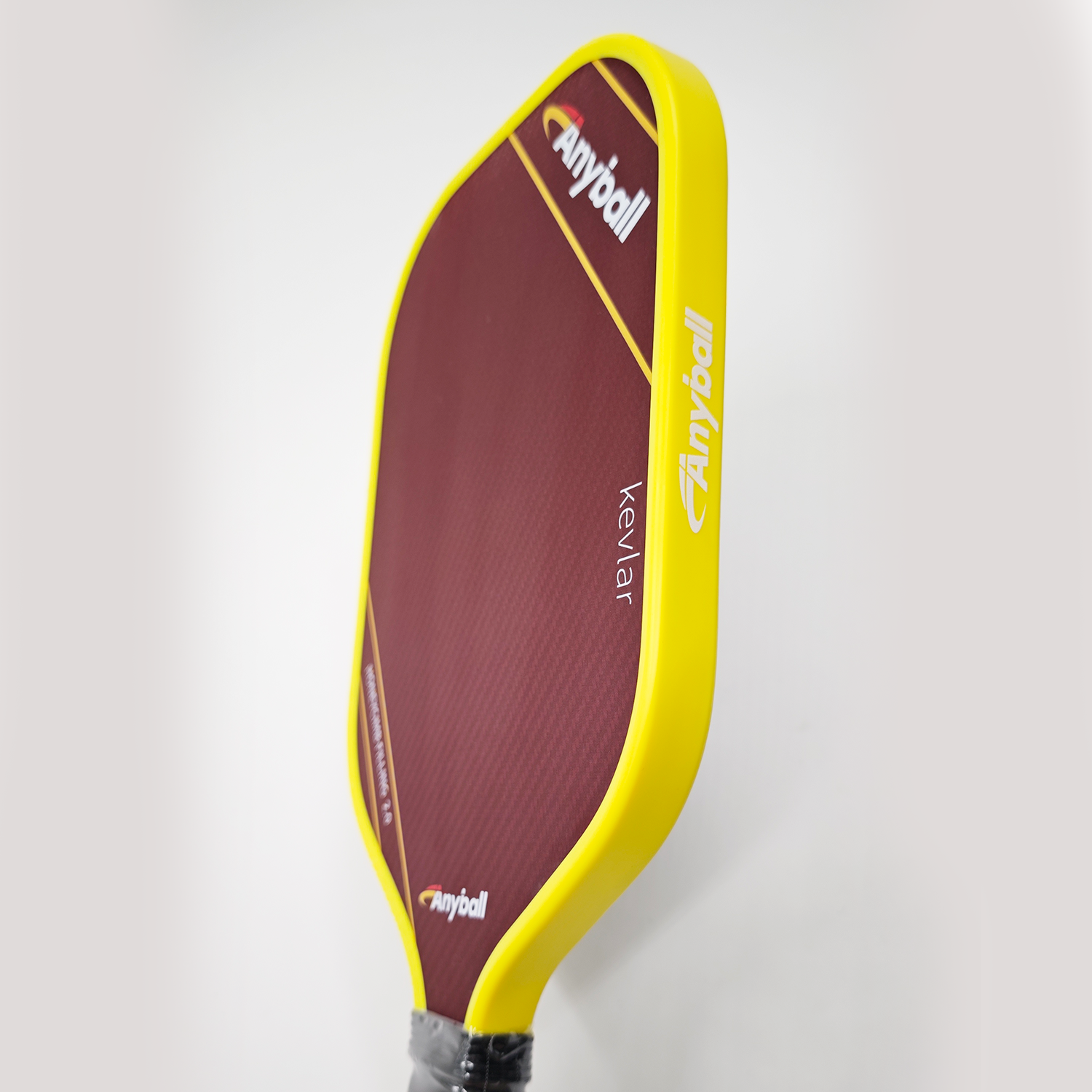
Selecting the right 14mm pickleball paddle for club members across varying skill levels requires understanding how paddle thickness directly impacts performance characteristics and playing experience. Club managers and equipment coordinators face the challenge of providing equipment that enhances player development while accommodating diverse skill requirements, from beginners learning basic techniques to advanced players seeking competitive advantages.
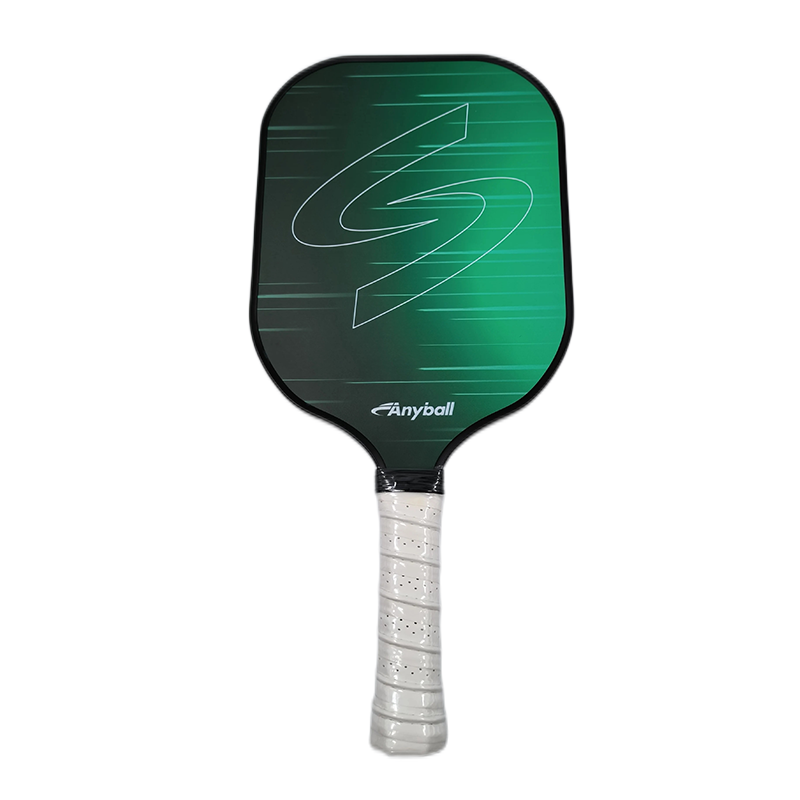
The 14mm thickness designation represents a middle-ground option that balances power generation capabilities with control precision, making it particularly suitable for mixed-skill environments typical in recreational clubs. Understanding how this specific thickness category serves different player development stages enables clubs to make informed purchasing decisions that maximize member satisfaction and equipment longevity while supporting skill progression across all playing levels.
Understanding 14mm Paddle Performance Characteristics
Power Generation and Ball Response
The 14mm pickleball paddle provides a balanced approach to power generation compared to thinner or thicker alternatives. This medium thickness allows for adequate energy transfer from player swing to ball contact while maintaining enough surface give to provide controlled shot placement. The paddle's response characteristics enable intermediate players to develop power gradually without overwhelming beginners who need more forgiving equipment during skill development phases.
Ball contact time with a 14mm surface creates optimal conditions for shot variety development. Players can practice both defensive soft shots and offensive drive shots using the same equipment, reducing the need for clubs to maintain multiple paddle thickness categories for basic skill building. The consistent response characteristics help players understand cause-and-effect relationships between swing technique and ball trajectory more effectively.
Control and Touch Sensitivity
Control precision represents a critical factor when clubs evaluate 14mm pickleball paddle suitability for different skill levels. The medium thickness provides enough surface feedback for developing players to feel shot impact while offering sufficient stability for consistent placement accuracy. Advanced players can utilize this control characteristic for precise third-shot drops and dinking exchanges that require subtle touch adjustments.
Touch sensitivity in 14mm paddles allows players to develop proper technique fundamentals without the extreme sensitivity of thinner paddles or the muted response of thicker options. This balanced approach supports progressive skill development where players can gradually increase shot complexity as their understanding of paddle response improves through consistent practice sessions.
Skill Level Considerations for Paddle Selection
Beginner Player Requirements
Beginning pickleball players benefit significantly from 14mm pickleball paddle characteristics that promote learning without creating frustration from equipment unpredictability. The medium thickness provides enough forgiveness for off-center hits while still delivering feedback that helps players understand proper contact points and swing mechanics. Clubs serving primarily recreational players often find this thickness ideal for rental equipment and introductory programs.
Beginner players need equipment that builds confidence while teaching fundamental skills, and the 14mm thickness delivers consistent results across various swing speeds and contact angles. The paddle's response characteristics allow new players to focus on footwork, positioning, and basic strategy development rather than constantly adjusting to equipment variables that might hinder learning progression during initial skill acquisition phases.
Weight distribution and balance point considerations become particularly important for beginners using 14mm paddles, as proper equipment can reduce fatigue and improve swing consistency during extended practice sessions. Clubs should prioritize paddle models that combine the 14mm thickness with appropriate weight ranges that accommodate varying physical capabilities among new players joining club activities.
Intermediate Player Development
Intermediate players represent the largest segment in most club environments, and their evolving skills require equipment that supports continued advancement while maintaining reliability for established techniques. A 14mm pickleball paddle serves this population well by providing enough power potential for aggressive shots while retaining the control necessary for strategic play development and shot variety expansion.
Players transitioning from beginner to intermediate levels benefit from the 14mm thickness because it allows exploration of advanced techniques without requiring immediate equipment changes that might disrupt muscle memory development. The paddle's characteristics support both baseline power shots and net play finesse, enabling players to develop well-rounded games without specializing too early in their skill progression journey.
Skill refinement becomes more focused at intermediate levels, and the consistent response of 14mm paddles helps players identify technique improvements needed for advancement. Clubs can support this development by providing access to high-quality paddles in this thickness category that maintain performance characteristics across extended use periods and various playing conditions.
Advanced Player Adaptability
Advanced players often prefer specialized equipment tailored to their playing styles, but quality 14mm pickleball paddle options can still serve competitive players effectively, particularly in club environments where equipment standardization provides advantages for organized play and tournament preparation. The thickness offers enough performance capability for high-level play while ensuring equipment consistency across different matches and opponents.
Experienced players can exploit the balanced characteristics of 14mm paddles to develop tactical versatility, using the medium thickness to practice shots that require both power and precision. This adaptability proves valuable in club settings where players face opponents with varying skill levels and playing styles, requiring equipment that performs reliably across diverse competitive scenarios.
Club-Specific Selection Criteria
Member Demographics and Usage Patterns
Club member demographics significantly influence optimal paddle selection strategies, and understanding the skill distribution among regular participants helps determine whether 14mm pickleball paddle inventory aligns with actual usage requirements. Clubs with predominantly recreational players benefit from standardizing around this medium thickness, while facilities serving competitive leagues might need additional thickness options to accommodate specialized preferences.
Usage frequency and intensity patterns affect equipment durability requirements, making paddle construction quality as important as thickness selection. Clubs with high daily usage need 14mm paddles built to withstand consistent play without performance degradation, while facilities with lighter usage patterns can prioritize cost-effectiveness over extreme durability in their equipment purchasing decisions.
Member progression trends within the club environment influence long-term equipment planning, as successful programs typically see players advance through skill levels over time. Selecting 14mm pickleball paddle options that support this progression reduces the need for frequent equipment updates while maintaining member satisfaction across different development stages.
Budget and Inventory Management
Cost considerations play a crucial role in club equipment decisions, and 14mm pickleball paddle options often provide favorable price-to-performance ratios compared to specialized thickness categories that serve narrower skill ranges. Clubs can optimize their equipment budgets by focusing on quality medium-thickness paddles that serve the broadest member base effectively rather than maintaining extensive inventory across multiple thickness options.
Inventory turnover and replacement cycles benefit from standardization around proven paddle thickness categories like 14mm, which reduces complexity in purchasing decisions and simplifies member equipment orientation processes. Clubs can establish preferred supplier relationships and volume purchasing agreements more easily when focusing on specific thickness ranges that meet majority member needs.
Implementation Strategies for Clubs
Trial and Assessment Programs
Implementing paddle trial programs allows clubs to evaluate how different 14mm pickleball paddle models perform with their specific member populations before making large-scale purchases. These assessment periods provide valuable feedback about durability, performance consistency, and member satisfaction that informs future equipment decisions and helps optimize inventory investments for maximum utilization.
Member feedback collection during trial periods reveals preferences and performance outcomes that might not be apparent through specification comparisons alone. Clubs can structure these programs to gather data about how different skill levels respond to specific paddle characteristics, enabling more informed decisions about which 14mm options best serve their particular member demographics and playing styles.
Progressive Equipment Transition
Gradual equipment transitions allow clubs to phase in new 14mm pickleball paddle inventory while maximizing the utility of existing equipment investments. This approach reduces financial strain while providing opportunities to evaluate performance improvements and member acceptance before committing to complete inventory replacement cycles that represent significant budget allocations.
Transition planning should consider member adaptation periods and training requirements for new equipment, ensuring that paddle changes enhance rather than disrupt established playing routines. Clubs can support these transitions by providing orientation sessions that help members understand the characteristics and optimal usage techniques for their new 14mm paddle equipment.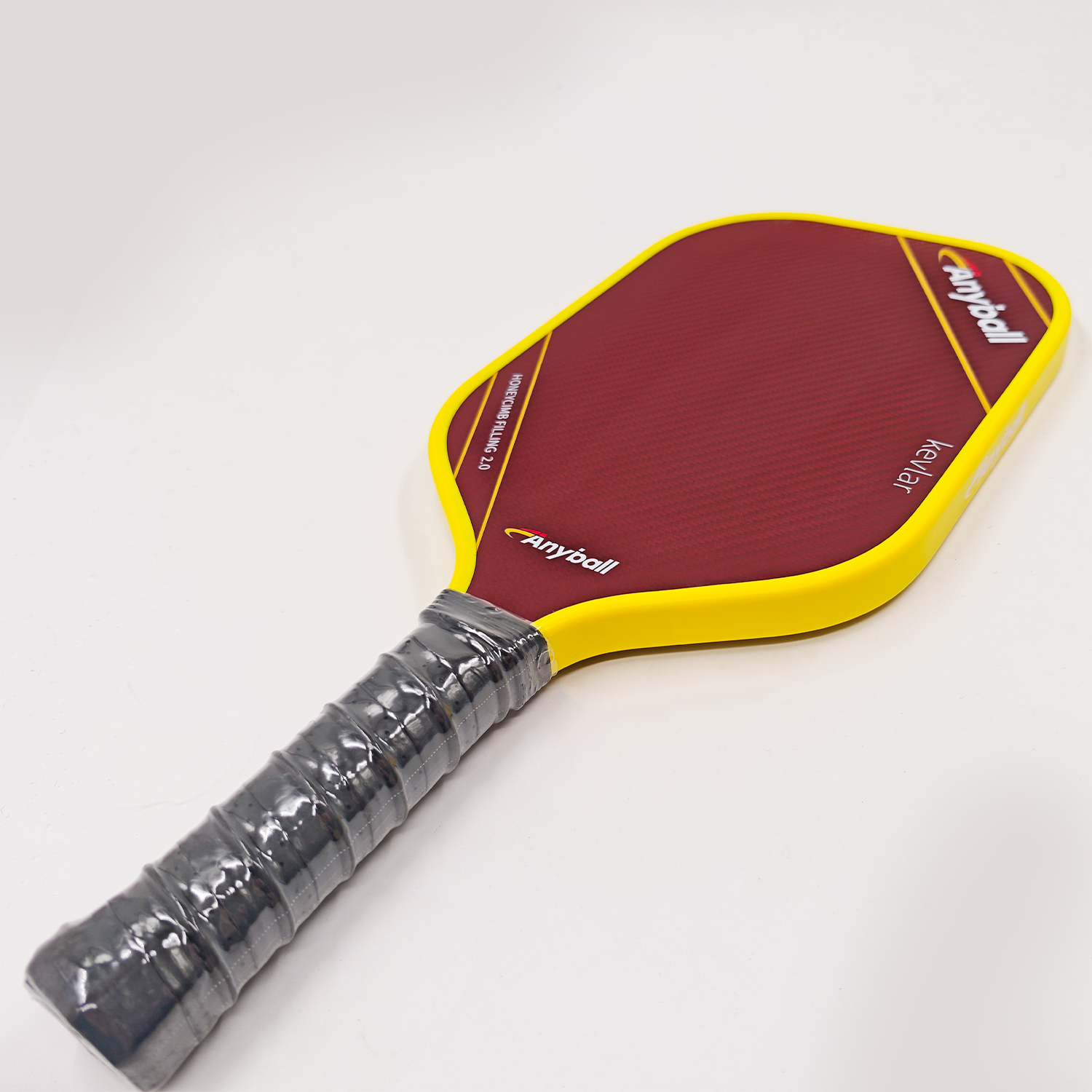
FAQ
What makes 14mm thickness optimal for mixed-skill club environments?
The 14mm thickness provides balanced performance characteristics that serve both developing and experienced players effectively, offering enough power potential for advancing players while maintaining the control and forgiveness needed by beginners. This versatility reduces the need for clubs to maintain multiple paddle categories while ensuring equipment suitability across diverse skill levels.
How do clubs determine the right quantity of 14mm paddles to purchase?
Clubs should assess their peak usage periods, member participation patterns, and equipment sharing requirements to calculate optimal inventory levels. Generally, maintaining paddles for 60-80% of maximum simultaneous players accounts for equipment rotation, maintenance periods, and usage preferences while avoiding over-investment in unused inventory.
Can advanced players achieve competitive performance with 14mm pickleball paddles?
Yes, high-quality 14mm pickleball paddles can support competitive play when constructed with appropriate materials and engineering. While some advanced players prefer specialized thickness options, well-designed medium-thickness paddles provide sufficient performance capability for tournament play and skill development at all levels within club environments.
What durability factors should clubs consider when selecting 14mm paddles?
Clubs should evaluate core material quality, surface durability, edge guard construction, and handle integrity when selecting 14mm paddles for high-usage environments. Quality construction in these areas ensures consistent performance over extended use periods and reduces replacement costs while maintaining member satisfaction with equipment reliability and playability characteristics.