EN
EN



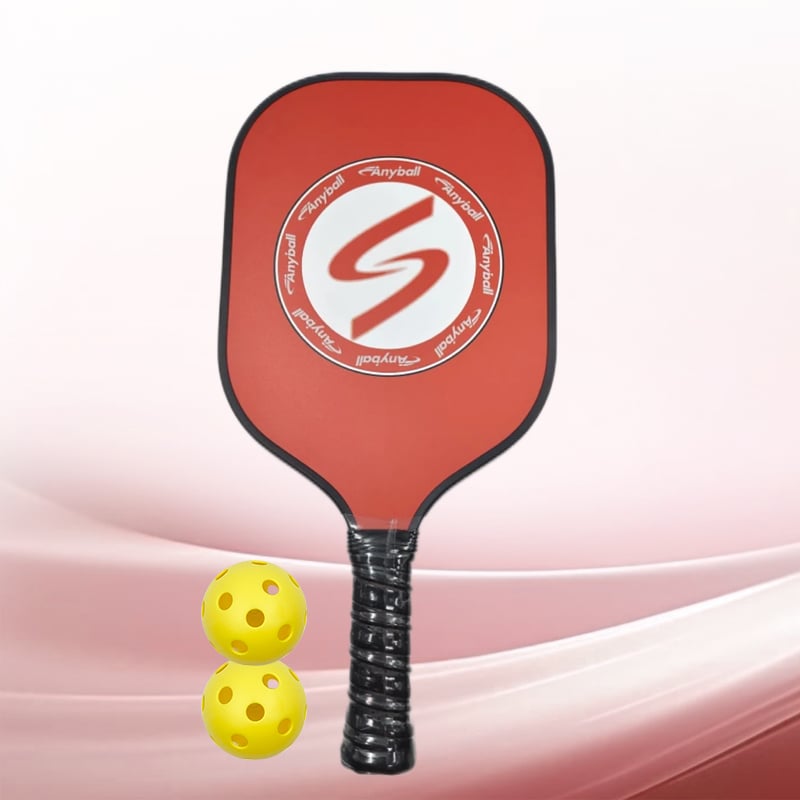
The longevity of a 14mm pickleball paddle depends heavily on proper maintenance practices that protect its structural integrity and performance characteristics. Players who invest in quality equipment understand that regular care extends the lifespan of their paddle while maintaining consistent gameplay performance. A well-maintained 14mm pickleball paddle can deliver reliable service for years when owners follow proven maintenance protocols that address both routine cleaning and protective storage requirements.
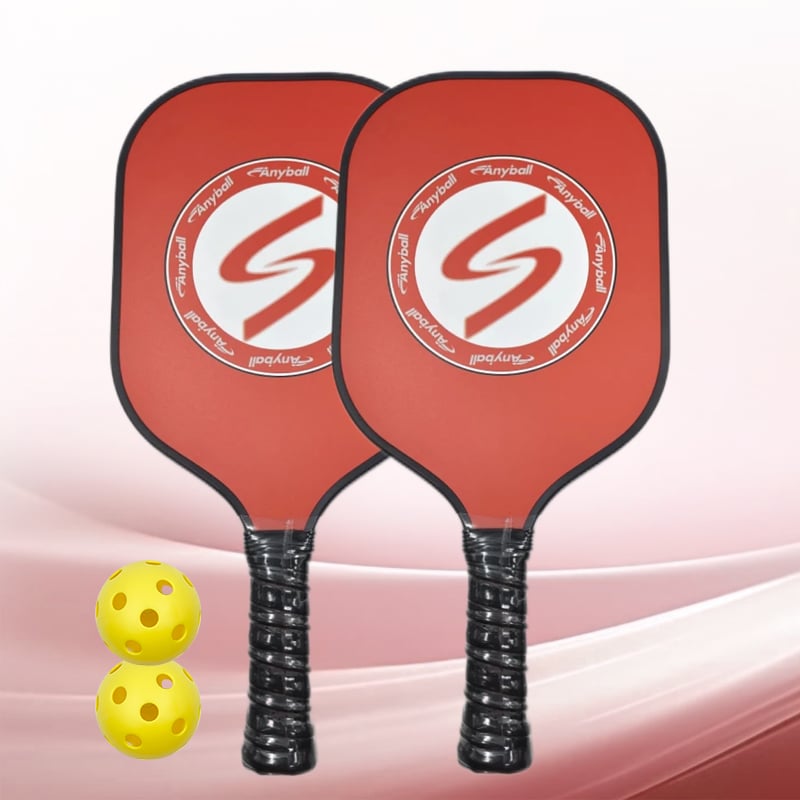
Understanding the unique construction and material properties of a 14mm pickleball paddle helps players implement targeted maintenance strategies that preserve both the paddle face integrity and core stability. The 14mm thickness provides specific structural advantages that require corresponding care techniques to maximize durability and maintain optimal playing characteristics throughout the paddle's operational life.
Essential Cleaning Protocols for 14mm Pickleball Paddles
Daily Cleaning Fundamentals
Consistent daily cleaning forms the foundation of effective 14mm pickleball paddle maintenance. After each playing session, players should immediately wipe down the paddle face using a clean, dry microfiber cloth to remove surface dirt, oils, and moisture that accumulate during gameplay. This simple routine prevents contaminant buildup that can compromise the paddle surface texture and affect ball control performance.
The grip area requires particular attention during daily cleaning since hand oils and perspiration create residue that degrades grip materials over time. Players should use a slightly damp cloth to clean the handle, followed by thorough drying to prevent moisture infiltration into the grip wrap or handle core. Regular grip cleaning maintains the tactile feel that players depend on for precise shot execution.
Edge guards and protective tape should be inspected during daily cleaning to identify any separation or damage that might allow moisture or debris to penetrate the paddle core. A 14mm pickleball paddle benefits from immediate attention to edge guard integrity since the thicker core can retain moisture if protective barriers become compromised.
Deep Cleaning Procedures
Weekly deep cleaning removes accumulated residues that daily maintenance cannot address completely. Players should use a mild soap solution applied with a soft cloth to clean the paddle face thoroughly, working in circular motions to lift embedded dirt without scratching the surface. The 14mm pickleball paddle construction typically features durable surface materials that withstand gentle cleaning agents when applied correctly.
During deep cleaning sessions, players should pay special attention to the transition areas between the paddle face and edge guard where debris commonly accumulates. These zones require careful cleaning with cotton swabs or soft brushes to remove particles that could eventually work their way into the paddle core structure.
The handle and grip area benefits from periodic deep cleaning using specialized grip cleaners or mild detergents that remove oils without damaging grip materials. After cleaning, the handle should be completely dried and allowed to air dry for several hours before storage to ensure no moisture remains trapped within the grip layers.
Proper Storage Techniques for Maximum Durability
Climate-Controlled Storage Requirements
Temperature and humidity control plays a crucial role in maintaining the structural integrity of a 14mm pickleball paddle. Storage environments should maintain consistent temperatures between 60-75 degrees Fahrenheit with relative humidity levels below 60 percent to prevent core material expansion, contraction, or moisture absorption that can lead to delamination or warping.
Extreme temperature fluctuations pose particular risks to 14mm pickleball paddle construction since the thicker core materials may expand and contract at different rates than surface materials. Players should avoid storing paddles in vehicle trunks, garages, or other spaces subject to significant temperature variations that stress the bonding between paddle layers.
Humidity control prevents moisture infiltration that can compromise the honeycomb or foam core materials commonly used in 14mm pickleball paddle construction. Storage areas with adequate ventilation and consistent climate conditions preserve both the structural integrity and performance characteristics that players expect from their equipment.
Physical Protection During Storage
Proper physical protection during storage prevents impact damage and surface scratches that accumulate over time. Players should store their 14mm pickleball paddle in dedicated paddle covers or cases that provide cushioned protection against impacts and environmental contaminants.
Storage positioning affects long-term paddle condition since prolonged pressure on specific areas can create indentations or stress points in the paddle face. Paddles should be stored flat or hanging in paddle-specific storage systems that distribute weight evenly and avoid concentrated pressure points that might deform the playing surface.
Multiple paddle storage requires careful spacing to prevent paddles from contacting each other during storage or transport. Individual paddle sleeves or dividers prevent surface scratching and edge damage that occurs when paddles shift against each other in storage bags or equipment cases.
Inspection and Preventive Care Strategies
Regular Structural Assessment
Systematic inspection routines help players identify potential issues before they develop into serious problems that compromise paddle performance or safety. Weekly inspections should examine the paddle face for signs of delamination, cracks, or surface irregularities that might indicate internal damage to the 14mm pickleball paddle core structure.
Edge guard condition requires regular monitoring since damaged edge protection allows moisture and debris to penetrate the paddle core. Players should inspect edge guards for separation, cracking, or missing sections that expose the internal paddle construction to environmental damage. Early detection of edge guard issues enables prompt repairs that prevent more extensive damage.
Handle integrity affects both performance and safety during gameplay. Regular inspection should check for grip loosening, handle separation, or internal damage that might lead to equipment failure during intense rallies. The connection between handle and paddle head deserves particular attention in 14mm pickleball paddle designs due to the increased mass that places additional stress on joining mechanisms.
Protective Maintenance Applications
Protective treatments can extend the service life of paddle components when applied correctly and at appropriate intervals. Grip enhancement products help maintain handle tackiness and prevent slippage while protecting underlying grip materials from wear and moisture damage.
Surface protection films or clear protective coatings can shield the paddle face from scratches and minor impacts without significantly affecting ball response characteristics. These protective measures prove particularly valuable for 14mm pickleball paddle designs that feature specialized surface textures designed to enhance spin and control.
Edge guard maintenance includes periodic inspection and replacement of protective tape or guards that show signs of wear. Fresh edge protection prevents core exposure and maintains the structural integrity that defines quality 14mm pickleball paddle performance throughout extended use periods.
Environmental Protection and Usage Guidelines
Weather Condition Considerations
Environmental conditions during play significantly impact maintenance requirements and paddle longevity. High humidity environments require more frequent drying and inspection routines to prevent moisture-related damage to paddle materials. Players using their 14mm pickleball paddle in humid conditions should allow extra drying time after each session and consider using moisture-absorbing storage accessories.
UV exposure from sunlight can degrade paddle materials over time, particularly surface coatings and grip materials that may fade or become brittle with prolonged sun exposure. Storage in shaded areas and the use of UV-protective covers help preserve both the appearance and functional properties of paddle components.
Cold weather play presents unique challenges since low temperatures can make materials more brittle and susceptible to impact damage. Players should allow their 14mm pickleball paddle to acclimate to playing temperatures gradually and avoid aggressive shots until the equipment reaches optimal operating temperature.
Court Surface Impact Management
Different court surfaces create varying levels of wear on paddle equipment. Hard court surfaces tend to create more abrasive conditions that accelerate edge wear and surface scratching compared to softer playing surfaces. Players who regularly play on abrasive courts should increase their inspection frequency and consider additional protective measures.
Ground contact incidents require immediate inspection and cleaning to prevent damage from accumulated debris or impact stress. The 14mm pickleball paddle construction provides good impact resistance, but repeated ground strikes can create stress fractures or delamination that compromise long-term durability.
Net contact during aggressive net play can damage paddle edges or create surface scratches. Players should inspect their equipment after sessions involving significant net play and address any damage promptly to prevent progression into more serious structural issues.
FAQ
How often should I clean my 14mm pickleball paddle?
Clean your 14mm pickleball paddle after every playing session with a dry microfiber cloth, and perform a deep cleaning weekly using mild soap and water. This routine prevents residue buildup and maintains optimal surface conditions for consistent ball control and spin generation during gameplay.
What storage temperature is best for maintaining paddle quality?
Store your 14mm pickleball paddle in environments maintained between 60-75 degrees Fahrenheit with humidity below 60 percent. Avoid temperature extremes and fluctuations that can stress the bonding between paddle layers and potentially cause delamination or warping of the core materials.
When should I replace the grip on my paddle?
Replace the grip when you notice reduced tackiness, visible wear patterns, or loosening of the grip material. Most players need grip replacement every 6-12 months depending on usage frequency, but regular cleaning and proper storage can extend grip life significantly.
Can I repair small scratches on my 14mm pickleball paddle face?
Minor surface scratches typically do not require repair and may naturally diminish with continued use. However, deep scratches that catch your fingernail or expose underlying materials should be evaluated by a professional to determine if repair is possible or if replacement is necessary to maintain safety and performance standards.