EN
EN



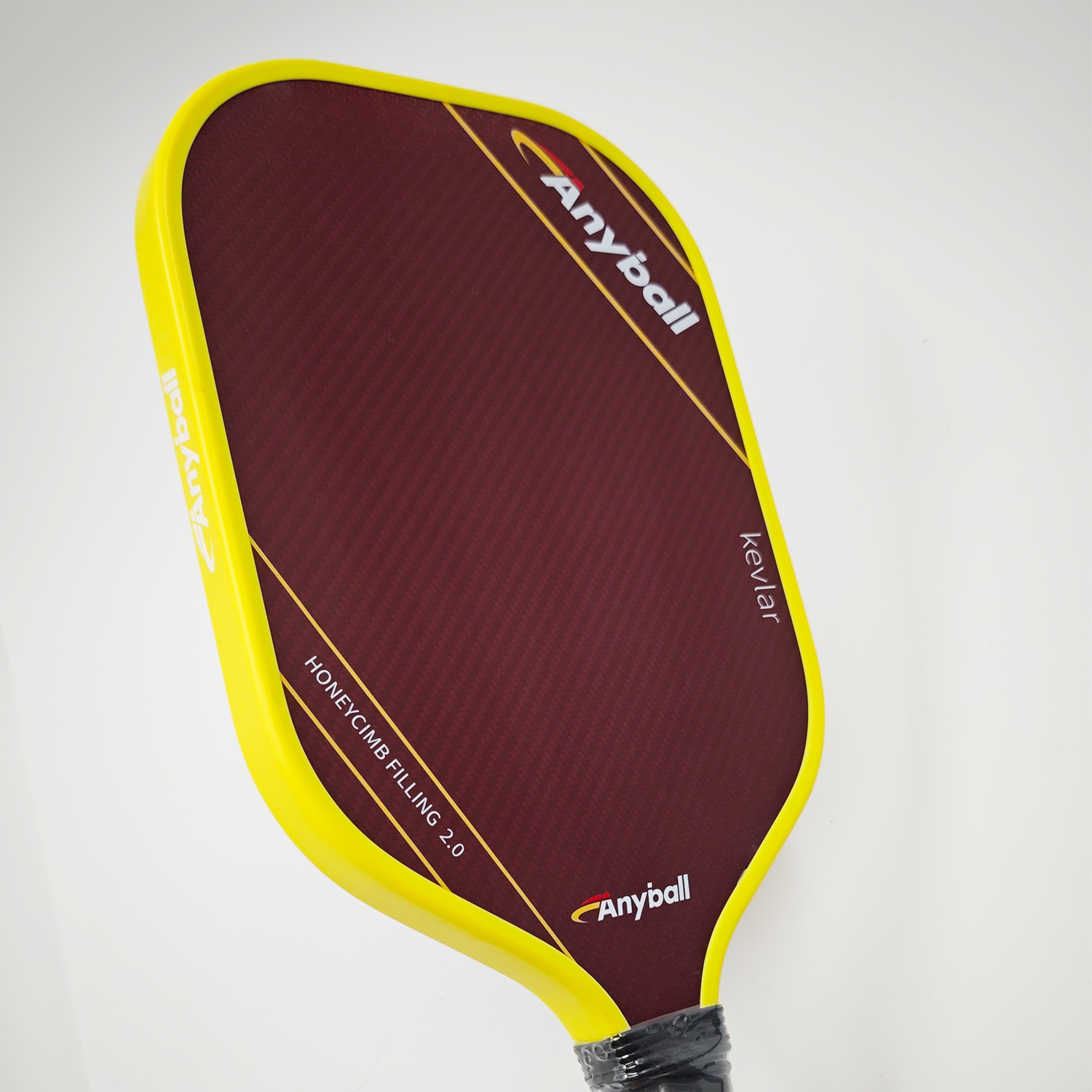
In competitive pickleball, paddle thickness significantly influences performance characteristics, with 14mm paddles representing the thinnest end of the thickness spectrum. Understanding how a 14mm pickleball paddle performs against thicker alternatives requires examining power output, control precision, feel dynamics, and shot execution capabilities across different playing scenarios. The thickness differential between 14mm and standard 16mm options creates distinct performance profiles that can make or break competitive strategies.
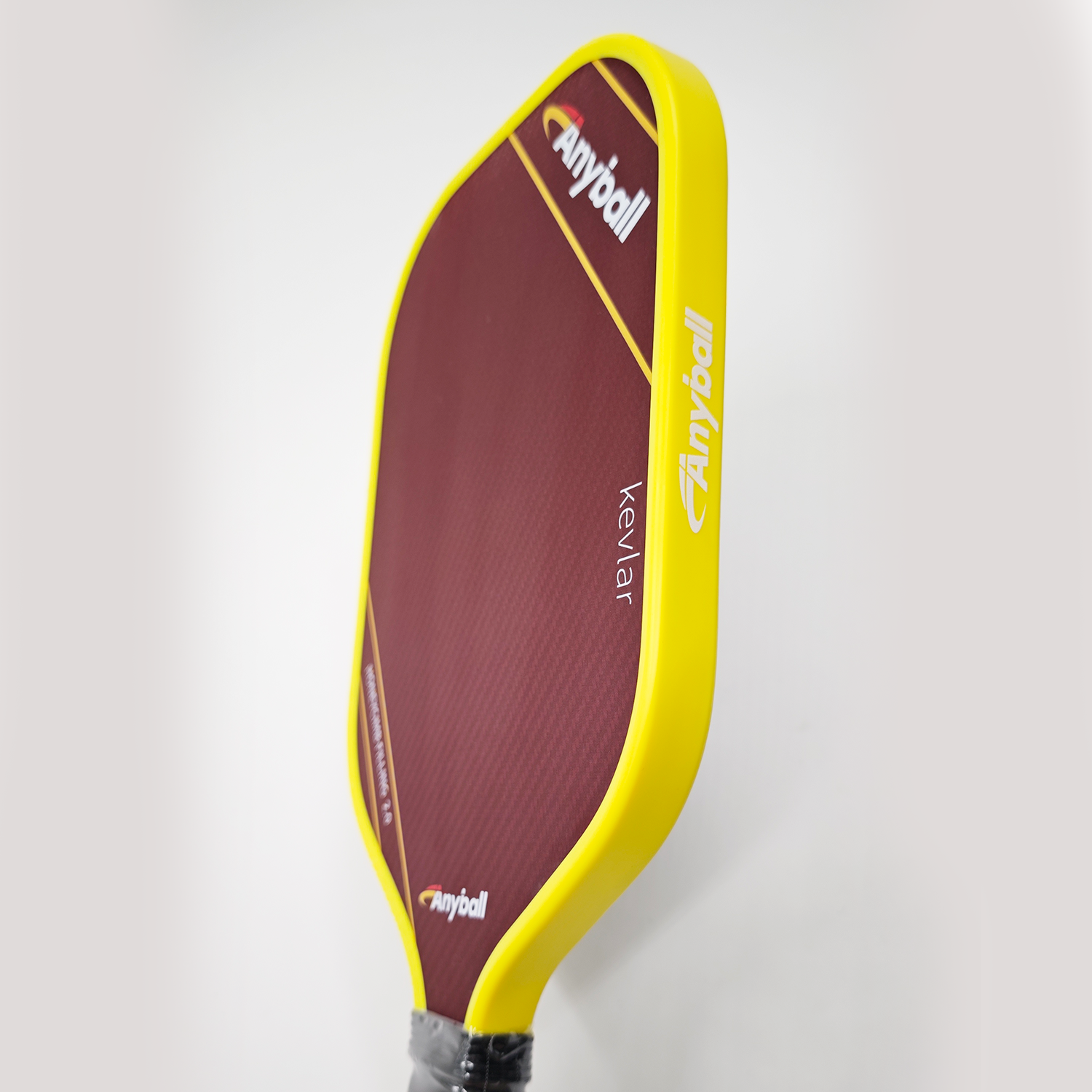
The choice between 14mm and thicker paddle options fundamentally affects how players generate power, maintain consistency, and execute precision shots during high-stakes matches. Competitive players must understand these performance differences to select equipment that aligns with their playing style, physical capabilities, and strategic objectives. The core thickness directly impacts ball dwell time, energy transfer efficiency, and the tactile feedback that guides shot placement and spin generation.
Power Generation and Energy Transfer Characteristics
Maximum Power Output Potential
A 14mm pickleball paddle typically delivers higher power output compared to thicker alternatives due to reduced core compression during ball contact. The thinner core creates a firmer hitting surface that transfers more kinetic energy directly to the ball rather than absorbing it through paddle deformation. This characteristic becomes particularly advantageous during overhead smashes, drive shots, and aggressive baseline exchanges where maximum power generation is crucial.
The energy transfer efficiency of 14mm paddles results from minimal core dampening effects. When the ball contacts the paddle face, less energy is lost to core compression, meaning more force translates into ball velocity. Competitive players who rely on power-based strategies often prefer this direct energy transfer, especially during offensive plays where shot velocity can overwhelm opponents' defensive positioning.
Power Consistency Across Shot Types
While 14mm paddles excel in peak power delivery, the consistency of power output varies between shot types compared to thicker options. Drive shots and volleys benefit from the firm response, maintaining consistent velocity even during rapid exchanges. However, soft shots and drop shots require more precise technique since the paddle provides less forgiveness for slight timing errors.
Thicker paddles, typically 16mm or 20mm, offer more consistent power modulation across different shot types. The additional core material provides better dampening for delicate shots while still delivering adequate power for aggressive plays. This versatility makes thicker paddles more forgiving for players who execute diverse shot selections during competitive matches.
Control and Precision Performance Analysis
Shot Placement Accuracy
The control characteristics of a 14mm pickleball paddle present both advantages and challenges for precision shot placement. The firmer surface provides cleaner ball contact with reduced vibration, allowing players to better feel the ball's position on the paddle face. This enhanced tactile feedback improves targeting accuracy for players who have developed proper technique and timing.
However, the reduced forgiveness of 14mm paddles means that slight timing errors or off-center hits result in more pronounced accuracy deviations. The ball rebounds more directly from the firm surface, amplifying any inconsistencies in swing mechanics. Competitive players must maintain higher technical precision to achieve consistent shot placement with thinner paddles.
Spin Generation Capabilities
Spin generation with 14mm paddles requires different technique adjustments compared to thicker alternatives. The firmer surface allows for more aggressive brush strokes, potentially creating higher spin rates when executed properly. The reduced dwell time means players must contact the ball with more precise paddle angle and follow-through to impart desired spin characteristics.
Thicker paddles provide longer ball contact time, making spin generation more forgiving and accessible to players with varying skill levels. The extended dwell time allows for gradual spin buildup, while 14mm paddles require more explosive wrist action and precise timing to achieve similar spin rates. Advanced competitive players often prefer the challenge and potential rewards of mastering spin techniques with thinner paddles.
Feel and Responsiveness During Competitive Play
Tactile Feedback Quality
The tactile feedback from a 14mm pickleball paddle provides immediate and direct sensation transfer from ball contact to player hands. This enhanced feedback allows experienced players to make micro-adjustments during play, improving their ability to read opponent shots and respond with precise counter-attacks. The firm response creates a more connected feeling between player and ball.
Competitive players who prioritize feel and responsiveness often gravitate toward 14mm paddles because they can sense subtle differences in ball contact location, spin, and velocity. This heightened awareness enables quick tactical adjustments and improved anticipation during fast-paced rallies. The direct feedback also helps players maintain consistent swing mechanics under pressure.
Vibration Management and Comfort
The vibration characteristics of 14mm paddles differ significantly from thicker alternatives, potentially affecting player comfort during extended competitive sessions. The thinner core provides less natural dampening, meaning more vibration transfers to the player's arm and shoulder. Some competitive players appreciate this direct feedback, while others find it fatiguing during long tournaments.
Players transitioning from thicker paddles to 14mm options often experience an adjustment period as they adapt to increased vibration levels. The key is developing proper grip pressure and swing mechanics that minimize harsh impacts while maintaining the responsiveness benefits. Advanced players typically develop techniques to manage vibration without sacrificing the performance advantages of thinner paddles.
Strategic Applications in Different Playing Styles
Aggressive Baseline Play Optimization
Aggressive baseline players find significant advantages in 14mm pickleball paddle performance due to the enhanced power generation capabilities. The firm response allows for devastating drive shots that can push opponents out of position or create outright winners. The direct energy transfer enables players to generate maximum velocity without requiring excessive swing effort.
The reduced forgiveness of 14mm paddles actually benefits aggressive players who have developed consistent, powerful strokes. These players typically maintain proper technique under pressure and can leverage the paddle's responsiveness to execute high-risk, high-reward shots. The immediate feedback helps them adjust power levels precisely for different tactical situations.
Finesse and Touch Shot Execution
While 14mm paddles are often associated with power play, skilled competitive players can execute exceptional finesse shots with proper technique adaptation. The enhanced feel allows for precise touch on dinks, drops, and placement shots, though it requires more developed skill compared to thicker alternatives. The key is mastering delicate contact techniques that utilize the paddle's responsiveness without overpowering the shot.
Thicker paddles provide more natural dampening for touch shots, making them more forgiving for players still developing finesse techniques. However, advanced players who master 14mm paddle control can achieve superior touch shot precision due to the enhanced feedback and direct ball contact sensation. The learning curve is steeper, but the potential performance ceiling is higher.
Performance Trade-offs and Competitive Considerations
Skill Level and Adaptation Requirements
The effectiveness of a 14mm pickleball paddle in competitive play largely depends on player skill level and willingness to adapt techniques. Advanced players who can consistently execute proper stroke mechanics will maximize the benefits of enhanced power and responsiveness. However, intermediate players may struggle with the reduced forgiveness and require significant practice to maintain consistency.
Competitive players considering the transition to 14mm paddles should evaluate their current technique stability, power generation needs, and tolerance for increased precision demands. The paddle excels when players can maintain consistent contact points and swing paths but punishes technical inconsistencies more severely than thicker alternatives.
Tournament and Match Situational Factors
Different competitive scenarios may favor 14mm or thicker paddle characteristics depending on playing conditions, opponent styles, and match pressure levels. Fast-paced, power-oriented matches often favor the responsiveness of 14mm paddles, while strategic, placement-focused games might benefit from the forgiveness of thicker options.
Weather conditions also influence optimal paddle thickness selection. Windy conditions can make the precision demands of 14mm paddles more challenging, while calm conditions allow players to fully utilize the enhanced feel and power characteristics. Competitive players often consider these environmental factors when selecting equipment for specific tournaments or venues.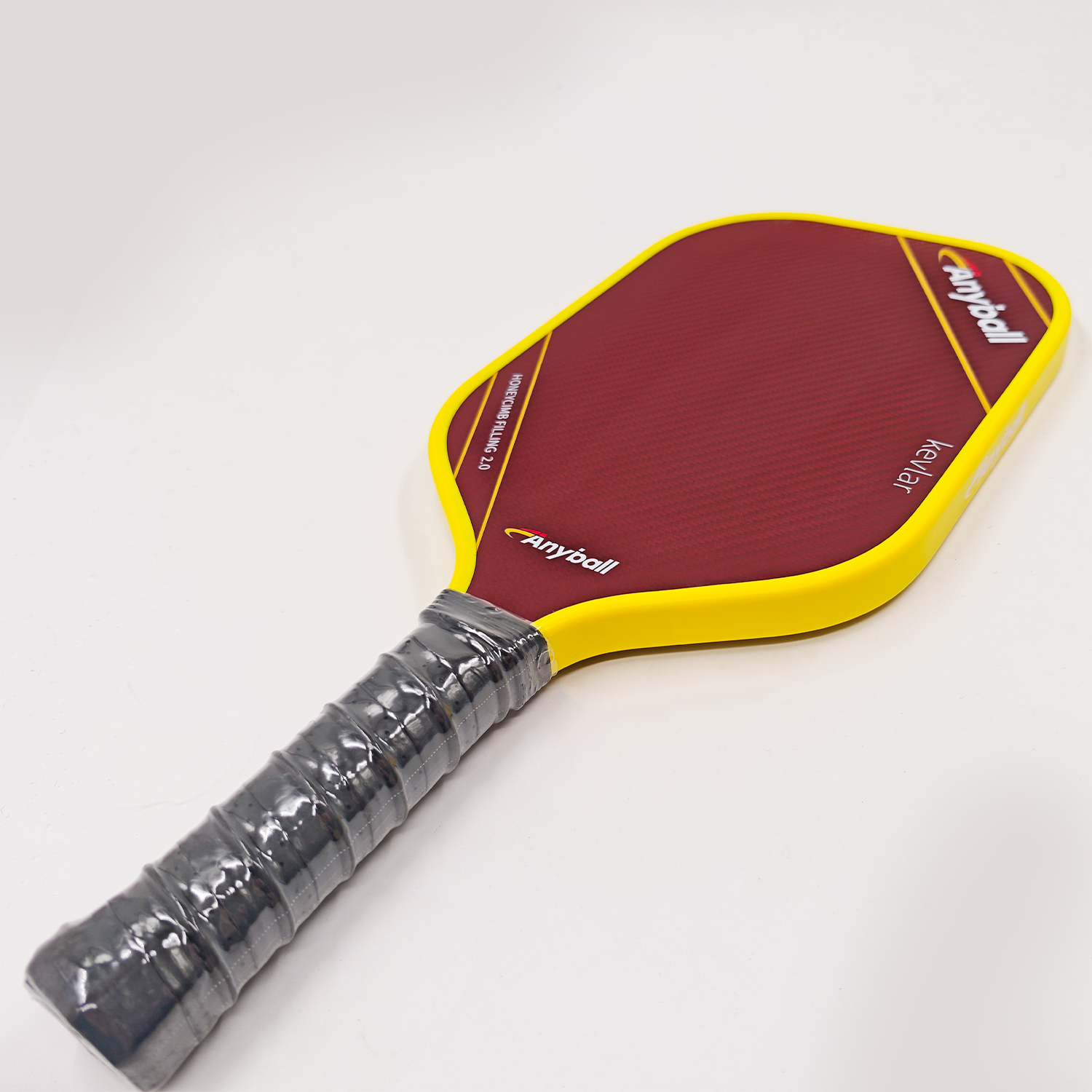
FAQ
What is the main power difference between 14mm and 16mm pickleball paddles?
14mm pickleball paddles typically generate 10-15% more power than 16mm alternatives due to firmer core construction and more direct energy transfer. The thinner core creates less compression during ball contact, resulting in higher ball velocity for the same swing effort. However, this power advantage requires consistent technique to maintain accuracy and control.
Do professional players prefer 14mm paddles for competitive matches?
Professional player preferences vary based on individual playing styles and strategic approaches. Power-oriented professionals often choose 14mm paddles for maximum velocity generation, while control-focused players may prefer slightly thicker options for enhanced consistency. The choice depends on balancing power needs with precision requirements for specific competitive strategies.
How long does it take to adjust from a thicker paddle to a 14mm option?
Most competitive players require 2-4 weeks of regular practice to fully adjust to a 14mm pickleball paddle from thicker alternatives. The adjustment involves adapting to increased vibration, modified power modulation, and enhanced responsiveness demands. Players should focus on maintaining consistent swing mechanics and gradually increasing shot intensity during the transition period.
Are 14mm paddles better for specific types of competitive shots?
14mm paddles excel in power shots, overhead smashes, and drive volleys where maximum velocity generation is crucial. They also provide superior feedback for precision placement shots when executed with proper technique. However, thicker paddles may be more suitable for soft game shots, defensive lobs, and situations requiring maximum forgiveness for technique variations during high-pressure points.