EN
EN


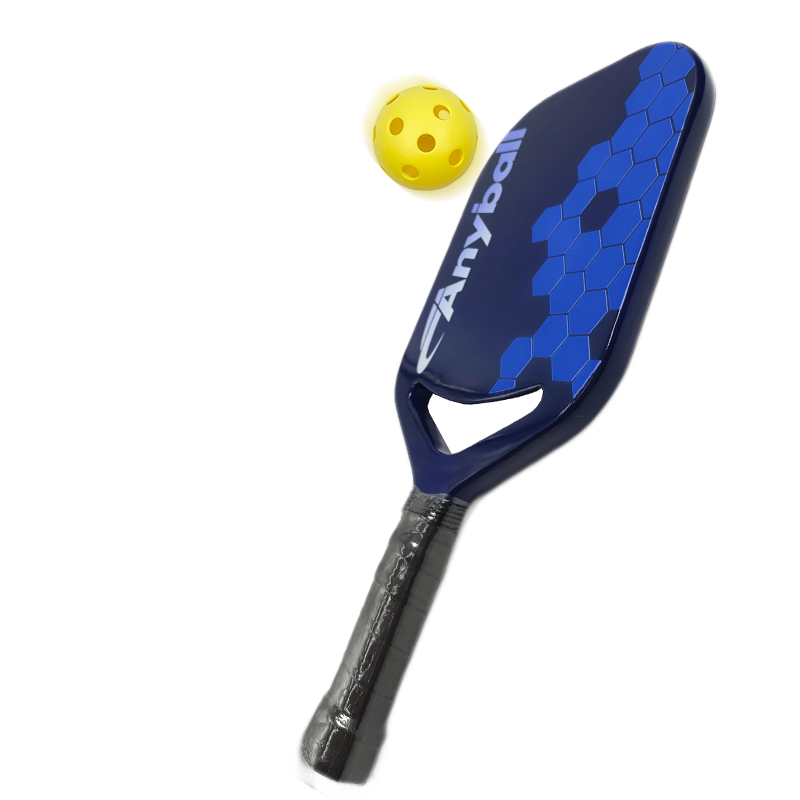
Long matches push players to their physical and mental limits, and one of the most overlooked contributors to fatigue is the equipment itself. When a paddle is poorly balanced, too heavy, or vibrates excessively on every shot, the cumulative toll on a player's arm, shoulder, and wrist becomes significant over the course of a two-hour game. A well-engineered custom carbon fiber pickleball paddle addresses these issues at the design level, giving players a measurable advantage in endurance and consistency.
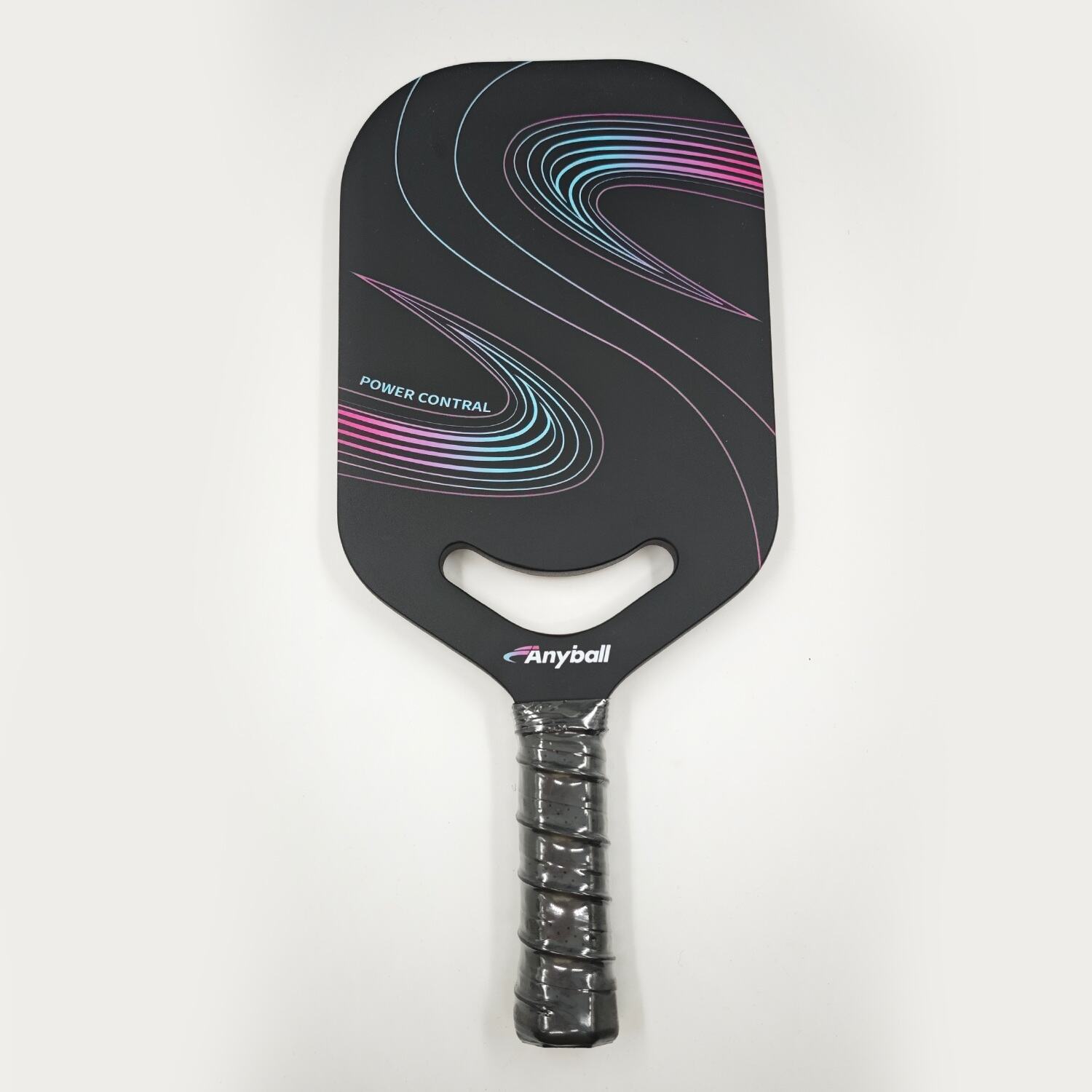
The science behind fatigue reduction in racket sports is well established, and pickleball is no exception. Every design variable — from core thickness and face material to grip circumference and weight distribution — directly influences how much energy a player expends per stroke. Understanding how a custom carbon fiber pickleball paddle is engineered to minimize that energy expenditure helps players and coaches make smarter equipment decisions, especially when match duration and competitive intensity are high.
The Biomechanics of Paddle-Induced Fatigue
How Repetitive Impact Accumulates Over a Match
Pickleball involves hundreds of rapid, repetitive strokes per match. Each contact between paddle and ball sends a vibration wave through the face, into the handle, and directly into the player's hand and forearm. Over time, the muscles responsible for stabilizing the wrist and elbow must work harder to absorb and counteract these micro-shocks, leading to the kind of deep muscular fatigue that degrades shot accuracy and reaction speed.
A standard paddle with a fiberglass or composite face tends to transmit more vibration than a custom carbon fiber pickleball paddle, because carbon fiber's structural rigidity and fiber orientation can be tuned to dampen unwanted energy transfer. When vibration is reduced at the source, the stabilizing muscles in the forearm are recruited less aggressively, preserving their capacity for the later stages of a match.
This is not a marginal difference. Players who switch from high-vibration paddles to a properly engineered custom carbon fiber pickleball paddle frequently report that their arm feels noticeably fresher after extended play. The effect compounds over multiple games in a tournament setting, where cumulative fatigue can be the deciding factor between winning and losing.
Weight Distribution and Its Role in Arm Strain
Total paddle weight matters, but weight distribution matters even more. A paddle that is head-heavy forces the player to use more rotational force from the shoulder and elbow to control swing speed and direction. Over dozens of volleys and groundstrokes, this extra rotational demand translates directly into shoulder fatigue and reduced swing consistency.
A custom carbon fiber pickleball paddle designed with a mid-weight, balanced profile shifts the swing weight closer to the handle, reducing the lever-arm effect that strains the elbow and shoulder. Players can execute the same stroke with less muscular effort, which means they can sustain that stroke quality for longer without degradation.
Balanced weight distribution also improves recovery speed between shots. When the paddle is not pulling the arm forward due to head-heavy momentum, the player can reset their grip and stance more quickly, reducing the micro-fatigue that builds up during fast exchanges at the kitchen line.
How Carbon Fiber Construction Directly Supports Endurance
Stiffness, Flex, and Energy Return
Carbon fiber is valued in high-performance sports equipment for its exceptional stiffness-to-weight ratio. In the context of a custom carbon fiber pickleball paddle, this means the face can be made rigid enough to deliver clean, powerful shots without requiring the player to swing harder to compensate for energy lost in face flex. Less effort per shot is the direct result.
The stiffness of a carbon fiber face also contributes to a more predictable energy return on contact. When the ball strikes a consistent surface, the player's muscle memory can operate efficiently without constant micro-adjustments. This predictability reduces the cognitive and neuromuscular load of each shot, which is a real but often underappreciated source of fatigue during long matches.
It is worth noting that stiffness must be balanced with appropriate core thickness. A custom carbon fiber pickleball paddle with a 16mm polypropylene honeycomb core, for example, provides enough dwell time on the face to give the player control without sacrificing the energy efficiency that carbon fiber enables. This combination is particularly effective for intermediate players who need both power and placement accuracy over extended play.
Surface Texture and Grip Pressure Reduction
The texture of a carbon fiber face is another fatigue-relevant design variable. A raw carbon fiber surface with a consistent grit pattern allows players to generate spin with less wrist snap, reducing the rotational demand on the forearm muscles. When spin can be produced through surface friction rather than aggressive wrist action, the tendons and muscles around the elbow are spared significant cumulative stress.
Grip pressure is closely linked to surface texture. When a player trusts the paddle face to grip the ball reliably, they tend to hold the handle with less tension. Excessive grip pressure is one of the primary causes of forearm fatigue and conditions like tennis elbow in racket sports. A custom carbon fiber pickleball paddle with a well-designed face texture naturally encourages a more relaxed grip, which preserves forearm endurance across a long match.
Custom handle design amplifies this benefit further. A grip circumference matched to the player's hand size reduces the effort needed to maintain control, while a cushioned or moisture-wicking grip material prevents the slippage that causes players to unconsciously tighten their hold as the match progresses and sweat accumulates.
The Role of Customization in Fatigue Management
Tailoring Specifications to Individual Playing Style
One of the most important advantages of a custom carbon fiber pickleball paddle over an off-the-shelf option is the ability to match paddle specifications to the individual player's physical profile and playing style. A player with a shorter arm span and a preference for quick net exchanges has different fatigue-related needs than a baseline player who relies on powerful drives from the back of the court.
Customization allows the paddle's length, width, grip size, and weight to be optimized for the specific biomechanical demands of that player's game. When every specification is aligned with how the player naturally moves and strikes, the paddle becomes an extension of the body rather than a tool the body must compensate for. This alignment is the foundation of genuine fatigue reduction.
For training environments and competitive clubs, offering players access to a custom carbon fiber pickleball paddle tailored to their needs also reduces the risk of overuse injuries, which are often the long-term consequence of playing with equipment that forces compensatory movement patterns. Injury prevention and fatigue reduction are two sides of the same design coin.
Core Thickness as a Fatigue Variable
Core thickness is a specification that directly affects how much shock the paddle absorbs versus how much it transmits to the player's hand. A thicker core — such as the 16mm configuration common in performance-oriented custom carbon fiber pickleball paddle designs — provides a larger cushion of air cells within the honeycomb structure, absorbing more impact energy before it reaches the handle.
This shock absorption is particularly valuable during extended dinking exchanges at the kitchen line, where the ball is struck repeatedly with short, controlled strokes. The cumulative vibration from hundreds of these soft contacts is easy to underestimate, but it contributes meaningfully to hand and wrist fatigue over the course of a match.
A thinner core, by contrast, tends to produce a livelier, more powerful response but transmits more vibration. For players prioritizing endurance and control over raw power — particularly in training contexts or long tournament days — a custom carbon fiber pickleball paddle with a thicker core is the more fatigue-conscious choice.
Practical Implications for Competitive and Training Use
Sustaining Performance in the Final Sets
The practical value of a fatigue-reducing paddle design becomes most visible in the final stages of a long match or a multi-match tournament day. When a player's arm is fresh, technique is reliable and shot selection is confident. As fatigue accumulates, technique breaks down first — shots go long, volleys lose precision, and reaction time at the net slows. A custom carbon fiber pickleball paddle that has been reducing the fatigue load throughout the match helps preserve technique integrity for longer.
This is not about eliminating fatigue entirely — that is a physiological impossibility. It is about shifting the fatigue curve so that the player reaches critical degradation later in the match. Even a 10 to 15 percent improvement in endurance can mean the difference between winning and losing a close third game.
Coaches working with intermediate players should pay particular attention to this dynamic. Intermediate players are still developing their stroke efficiency, which means they are more susceptible to technique breakdown under fatigue than advanced players with deeply ingrained muscle memory. Equipping them with a custom carbon fiber pickleball paddle designed for balanced weight and vibration damping gives their developing technique a better chance of holding up under match pressure.
Training Load Management and Equipment Choice
In training environments, players often hit far more balls per session than they would in a competitive match. The cumulative physical load of a two-hour training drill is substantial, and using a paddle that amplifies vibration and requires excessive grip pressure accelerates the onset of fatigue and increases injury risk over a training season.
Selecting a custom carbon fiber pickleball paddle for training use is therefore not just a performance decision — it is a load management decision. By reducing the per-stroke physical cost of training, players can sustain higher-quality practice for longer, which accelerates skill development without proportionally increasing injury risk.
The outdoor durability of carbon fiber construction is an additional practical consideration for training contexts. Carbon fiber faces resist moisture, temperature variation, and surface wear better than many alternative materials, meaning the paddle's fatigue-reducing properties remain consistent across a full training season rather than degrading as the surface wears down.
FAQ
Does paddle weight alone determine how fatiguing it is to use?
Weight is an important factor, but it is not the only one. Weight distribution, vibration transmission, grip size, and face texture all contribute to how fatiguing a paddle is over extended play. A heavier paddle with excellent balance and vibration damping can actually be less fatiguing than a lighter paddle with poor weight distribution and a high-vibration face. A custom carbon fiber pickleball paddle addresses all of these variables together rather than optimizing for weight alone.
Is a custom carbon fiber pickleball paddle suitable for intermediate players or only advanced competitors?
A custom carbon fiber pickleball paddle is particularly well-suited to intermediate players. The combination of a balanced weight profile, controlled power, and vibration damping supports the development of consistent technique without overwhelming the player with excessive power or punishing them with fatigue-inducing vibration. Advanced players benefit from the precision and endurance advantages, but intermediate players often see the most immediate improvement in their ability to sustain quality play through a full match.
How does core thickness affect fatigue during long matches?
A thicker core — typically 16mm in performance-oriented designs — absorbs more impact energy within the paddle structure before it reaches the player's hand. This reduces the vibration load on the wrist, forearm, and elbow over hundreds of strokes. For players prioritizing endurance and control, a custom carbon fiber pickleball paddle with a 16mm core offers a meaningful fatigue reduction benefit compared to thinner-core alternatives, particularly during extended dinking exchanges and long training sessions.
Can paddle customization help prevent overuse injuries as well as reduce fatigue?
Yes, and the two goals are closely related. Overuse injuries in pickleball — such as lateral epicondylitis, commonly called tennis elbow — are often the long-term result of repetitive micro-stress that accumulates when equipment forces compensatory movement patterns. A custom carbon fiber pickleball paddle tailored to the player's hand size, playing style, and physical profile reduces these compensatory demands, lowering both the acute fatigue experienced during a match and the chronic stress that leads to overuse injuries over a season of play.
Table of Contents
- The Biomechanics of Paddle-Induced Fatigue
- How Carbon Fiber Construction Directly Supports Endurance
- The Role of Customization in Fatigue Management
- Practical Implications for Competitive and Training Use
-
FAQ
- Does paddle weight alone determine how fatiguing it is to use?
- Is a custom carbon fiber pickleball paddle suitable for intermediate players or only advanced competitors?
- How does core thickness affect fatigue during long matches?
- Can paddle customization help prevent overuse injuries as well as reduce fatigue?