EN


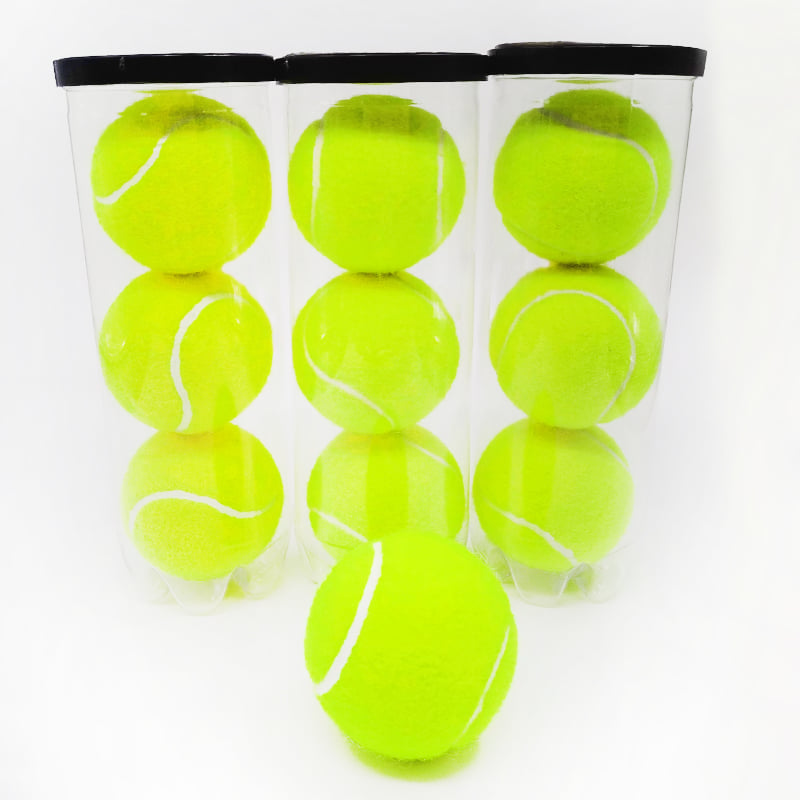
The quality and characteristics of your padel ball directly influence your training outcomes and long-term skill development as a player. Whether you are preparing for competitive matches or refining your technique during practice sessions, understanding how padel balls affect your performance is essential to maximizing training efficiency. A padel ball's construction, bounce consistency, and playing characteristics create the foundation for effective skill progression, making it a critical component of any serious training regimen.
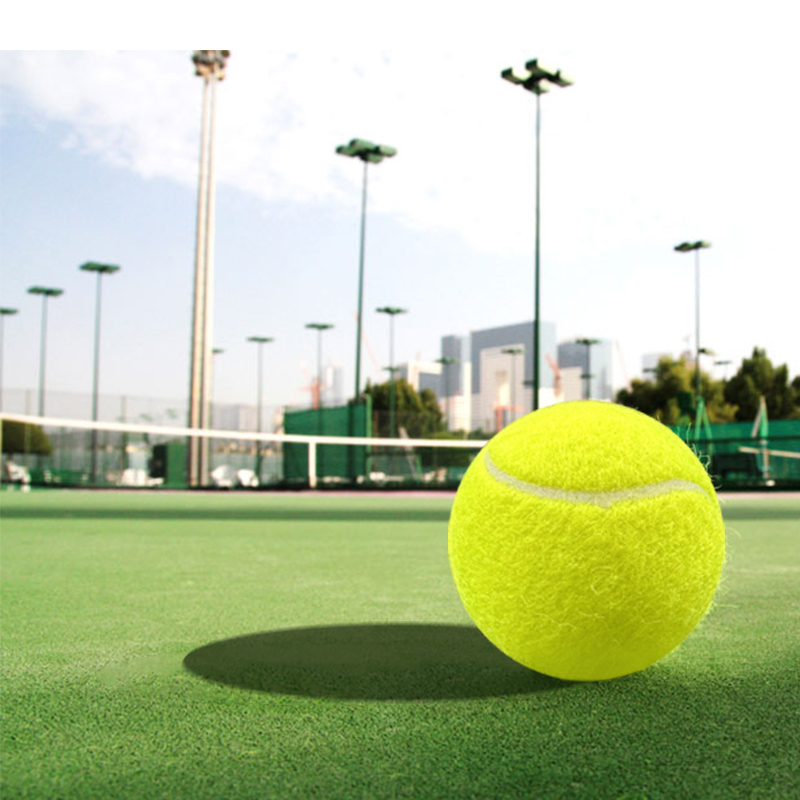
Professional players and coaches recognize that selecting the right padel ball is not merely about purchasing any equipment—it is about investing in consistent training conditions that build muscle memory and tactical awareness. Each padel ball model offers different performance characteristics that shape how you develop specific skills, from volley precision to serve power. By using high-quality padel balls throughout your training program, you create repeatable conditions that allow your body and mind to adapt progressively, leading to measurable improvements in competition.
Understanding Padel Ball Construction and Its Impact on Training
How Padel Ball Materials Affect Skill Development
The construction of a padel ball—including its rubber core, felt covering, and internal pressure—determines how it responds to racket contact and court surfaces. A premium padel ball maintains consistent bounce height and speed, which is vital for developing reliable stroke mechanics during training. When you train with a padel ball that provides predictable performance, your nervous system learns exact timing and positioning, accelerating your muscle memory development far more effectively than practicing with inconsistent equipment. Low-quality padel balls that lose pressure quickly or have uneven felt coverage force your body to make constant micro-adjustments, which creates poor training habits that transfer to match play.
Pressure Consistency and Training Repeatability
A properly pressurized padel ball delivers uniform bounce characteristics across multiple training sessions, allowing you to develop precise stroke patterns without environmental variables interfering with your learning process. When your padel ball maintains ideal pressure levels, each practice session reinforces the same muscle memory, building confidence and consistency in your technique. Conversely, practicing with a padel ball that loses pressure between sessions disrupts your training consistency, forcing you to recalibrate your timing and power application repeatedly. This inconsistency directly impairs skill development by preventing your neural pathways from solidifying reliable movement patterns.
Specific Skills Enhanced Through Proper Padel Ball Selection
Volley Precision and Court Positioning
Volley execution depends heavily on your ability to read padel ball trajectory and respond with millisecond timing. Using a high-quality padel ball during volley drills enables you to develop consistent reaction speeds and spatial awareness because the ball behaves predictably in flight. Your training becomes more efficient when a padel ball follows the same arc and velocity every time you hit it, allowing you to build neural pathways that recognize and respond to court positioning cues automatically. Advanced players use premium padel balls specifically during net drills to sharpen their volley skills because the consistency accelerates their competitive readiness.
Serve Development and Power Control
Service development requires thousands of repetitions with consistent padel ball feedback to master power, spin, and placement simultaneously. A padel ball with stable pressure and uniform felt ensures that your serve speed generates the same result each time, helping you calibrate the exact force needed for different tactical serves. Training with quality padel balls means your serve development progresses logically rather than chaotically, because each repetition teaches your body something concrete about force application and control. As you accumulate serves with the same padel ball specifications, your serve becomes more reliable under match pressure because your body recognizes the exact feedback pattern from thousands of practice repetitions.
Training Program Optimization Using Quality Padel Balls
Structured Practice Sessions and Skill Progression
Effective training programs build skills sequentially, progressing from basic technique through tactical complexity, and this progression depends entirely on consistent padel ball performance throughout the program. When you use the same quality padel ball throughout a multi-week training block, your skill improvements compound because each session builds accurately on the previous one without equipment variables disrupting your adaptation. Coaches design training protocols around specific padel ball characteristics, knowing that players using those same padel balls will experience the intended training stimulus and progression. Using an inferior padel ball disrupts the coach's carefully designed progression because it introduces unpredictable variables that override the training methodology.
Match Simulation and Competitive Readiness
Preparing for competition requires training with a padel ball that matches the specifications you will encounter during actual matches, ensuring that your skills transfer directly to competitive environments. Professional tournaments typically require padel balls within specific pressure and bounce ranges, so training with tournament-approved padel balls ensures that your match simulation accurately reproduces competitive conditions. This training fidelity means you arrive at matches with skills already calibrated for the exact equipment specifications, eliminating the adjustment period that wastes energy and focus early in matches. The repetitions you accumulate training with a padel ball that mirrors tournament standards transfer seamlessly to competitive play, giving you a competitive advantage immediately.
FAQ
What padel ball characteristics matter most for skill development training?
The most critical characteristics are consistent bounce height, stable internal pressure, uniform felt coverage, and reliable speed response. These factors ensure that every padel ball interaction during training teaches your body the same lesson, accelerating muscle memory and tactical skill development. Pressure stability particularly matters because it determines whether your padel ball performs identically across multiple practice sessions.
How often should I replace my padel balls during intensive training programs?
Most training programs rotate padel balls every four to six weeks of intensive practice to maintain consistent bounce and pressure characteristics. Replacing your padel ball when it begins losing pressure ensures that your training remains optimized for skill development rather than becoming compromised by degrading equipment performance. Regular rotation prevents the situation where your padel ball becomes unpredictable, which introduces training noise that impairs skill progression.
Can I use recreational padel balls for serious skill development training?
Recreational padel balls typically lack the pressure stability and felt durability needed for consistent training environments, making them unsuitable for serious skill development programs. While recreational padel balls may work for casual play, their performance variability introduces too many uncontrolled factors for structured training protocols. Investing in performance-grade padel balls ensures your training environment supports measurable skill progression rather than being limited by equipment inconsistency.