EN


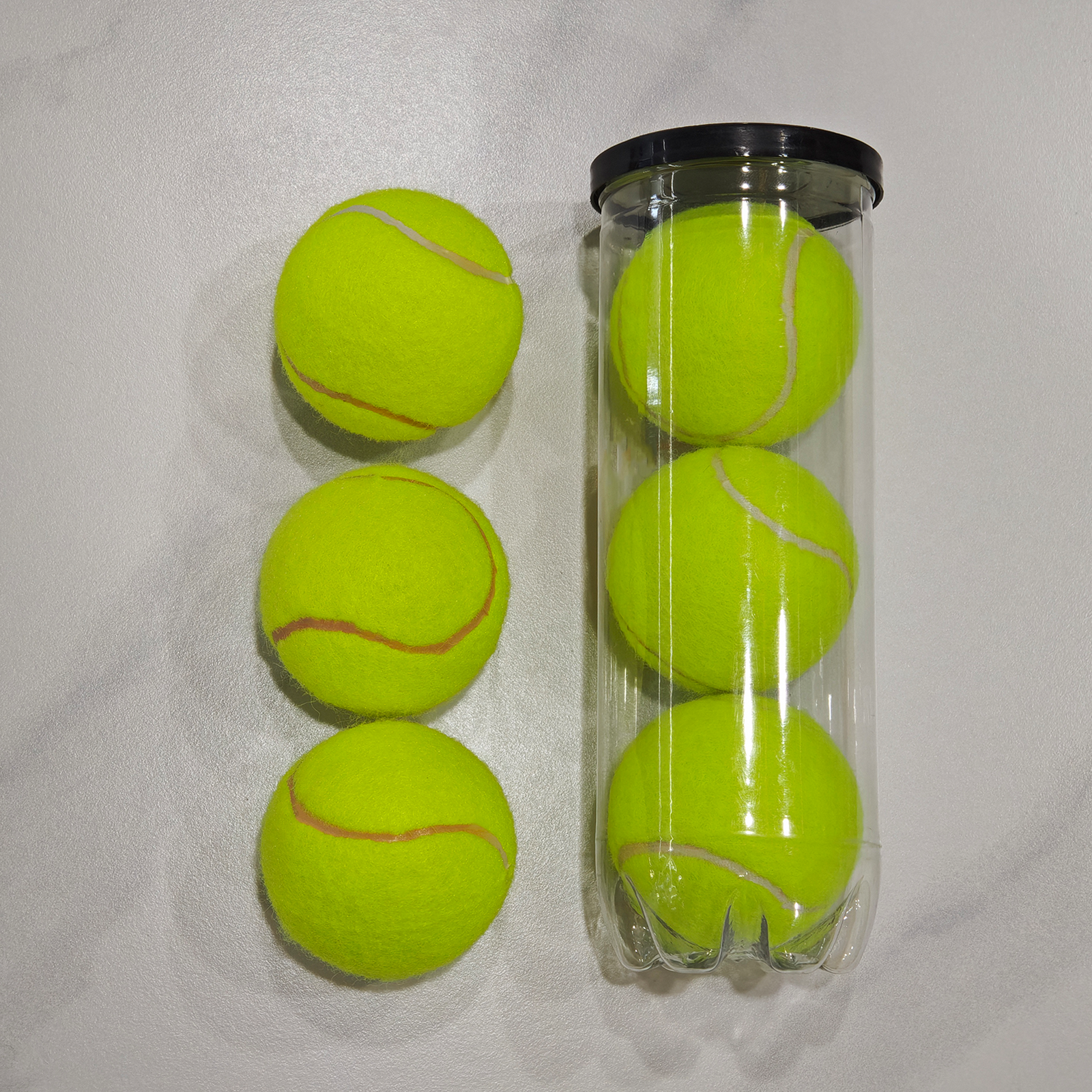
Selecting the right padel ball is one of the most important decisions a beginner can make when entering the sport. Unlike tennis, where the ball choice is relatively standardized, padel offers more variety in construction, pressure levels, and performance characteristics. Understanding these differences helps new players find a padel ball that matches their skill level and playing conditions. A poorly chosen padel ball can negatively impact your development, frustrate your progression, and even affect your enjoyment of the sport. This guide walks you through the critical factors that should guide your padel ball selection process.
As a beginner, you will discover that pressurized and depressurized padel ball options each serve different purposes. Tournament-grade pressurized padel balls provide consistent bounce and faster gameplay, while depressurized padel balls move slower and are forgiving for skill development. Your training environment, court altitude, and physical readiness all influence which type of padel ball will serve your game best. Taking time to evaluate these factors now prevents costly mistakes and accelerates your learning curve.
Understanding Padel Ball Pressure Levels
Pressurized Padel Ball Characteristics
Pressurized padel ball options contain nitrogen gas sealed inside the rubber core, creating a livelier bounce and faster ball speed. This type of padel ball is the standard in tournament play and professional settings. The padel ball maintains consistent pressure throughout its initial lifespan, typically lasting four to six weeks of regular play. Beginners should know that a pressurized padel ball demands quicker reaction times and more precise racket technique. If you are training at sea level or in warm climates, a pressurized padel ball will perform predictably and help you acclimate to match conditions.
Depressurized Padel Ball Characteristics
Depressurized padel ball models lack internal pressurization and move significantly slower through the air. A depressurized padel ball is ideal for beginners because it allows more reaction time and encourages proper stroke development. The slower pace of a depressurized padel ball also reduces injury risk and makes rallies last longer, which improves practice quality. Many clubs and training facilities specifically stock depressurized padel ball inventory for group classes and coaching sessions. If altitude is a factor in your location, a depressurized padel ball maintains more predictable bounce characteristics at higher elevations where pressurized options behave erratically.
Durability and Material Composition Factors
Felt Quality and Wear Resistance
The outer felt covering directly impacts how long a padel ball remains playable. Premium-grade felt on a high-quality padel ball resists fraying, maintains consistent friction, and supports spin generation throughout its lifespan. Budget-conscious beginners often purchase low-grade padel ball models with thin felt that deteriorates after just a few hours of play. Examining the felt thickness and weave pattern helps you assess whether a padel ball will justify its cost through extended usability. Professional-grade padel ball options typically feature reinforced felt that withstands aggressive baseline play and clay court abrasion better than economy alternatives.
Core Material and Bounce Consistency
The rubber core of a padel ball determines bounce consistency and overall playability. Synthetic rubber cores in mid-range padel ball products provide adequate performance for beginner training. Natural rubber-based padel ball construction offers superior resilience and maintains consistent bounce longer, though these premium options cost more. A padel ball with a compressed rubber core delivers more predictable ball behavior, allowing you to develop consistent technique without compensating for erratic bounces. When evaluating different padel ball options at your local pro shop, bounce test each model on the court surface you will play on most frequently.
Court Environment and Playing Conditions
Surface-Specific Padel Ball Selection
Different playing surfaces demand different padel ball characteristics for optimal performance. Clay courts are most common in padel facilities, and a durable padel ball with strong felt protection performs well on this abrasive surface. Hard courts require a padel ball that maintains bounce consistency without excessive degradation. Indoor padel courts typically use pressurized padel ball options because the controlled environment allows consistent performance without atmospheric interference. Before purchasing a padel ball in bulk, confirm which court surfaces you will use most frequently, then select a padel ball model specifically designed for that environment.
Altitude and Climate Considerations
Altitude significantly affects how a padel ball behaves during play. At high elevations, pressurized padel ball options bounce excessively and become difficult to control, which is why high-altitude clubs stock depressurized padel ball varieties instead. Warm weather causes internal gas expansion in a pressurized padel ball, making the ball bouncier and faster than intended. Conversely, cold temperatures reduce bounce in a pressurized padel ball, requiring adjustment to your swing mechanics. If you play in varied climates or travel frequently, choose a padel ball type that performs consistently across temperature ranges. Many beginner players overlook this factor and become frustrated when their familiar padel ball suddenly behaves differently in a new location.
Performance Metrics and Beginner-Specific Factors
Speed Classifications for Skill Development
Padel balls are often classified by speed ratings: extra slow, slow, medium, and fast. A beginner should select a padel ball in the extra slow or slow category to maximize learning opportunities. An extra slow padel ball allows you to focus on footwork, positioning, and stroke mechanics without rushing shots. As your skills improve, progress to medium-speed padel ball options that better simulate match conditions. Competitive padel ball products rated as fast or extra fast are premature choices for beginners and often increase frustration rather than accelerate development. Your coach or club pro can recommend the appropriate speed classification for a padel ball based on your current ability level.
Budget-Conscious Purchasing Strategy
Beginning players often wonder whether to invest in premium padel ball options immediately or start with economical choices. A balanced approach involves purchasing a mid-range padel ball that offers decent durability without excessive expense. Buying padel ball inventory in bulk through your club usually offers significant per-unit discounts compared to retail pricing. Some beginners benefit from trying multiple padel ball brands and models before committing to large purchases. Many facilities allow players to test different padel ball types during practice sessions, enabling informed decisions before financial commitment. As you gain experience and identify your preferences, upgrading to premium padel ball products becomes a more confident investment.
FAQ
What is the main difference between pressurized and depressurized padel balls?
Pressurized padel ball models contain nitrogen gas that creates faster bounce and higher speeds, while depressurized padel ball options move slower and provide more reaction time. Beginners typically benefit from depressurized padel ball varieties, while tournament players prefer pressurized padel ball standards. The choice of padel ball type depends on your skill level, playing environment, and training objectives.
How often should I replace my padel balls during training?
A typical padel ball lasts four to six weeks with regular play before felt degradation and pressure loss compromise performance. Pressurized padel ball products require replacement more frequently than depressurized options because pressure gradually escapes over time. Intensive drilling sessions wearing a padel ball faster than casual recreational play, so training frequency affects replacement schedules. Rotating between multiple padel ball sets extends the usable lifespan of each padel ball and prevents premature retirement of partially worn balls.
Can I use different padel ball brands during the same match?
While technically possible, mixing different padel ball brands during matches is not recommended because subtle performance variations between brands create inconsistency. A consistent padel ball type allows you to develop reliable muscle memory and technique. During friendly practice sessions, mixing brands is acceptable for variety, but competitive matches should use a standardized padel ball model to ensure fair conditions and predictable gameplay for all players.