EN



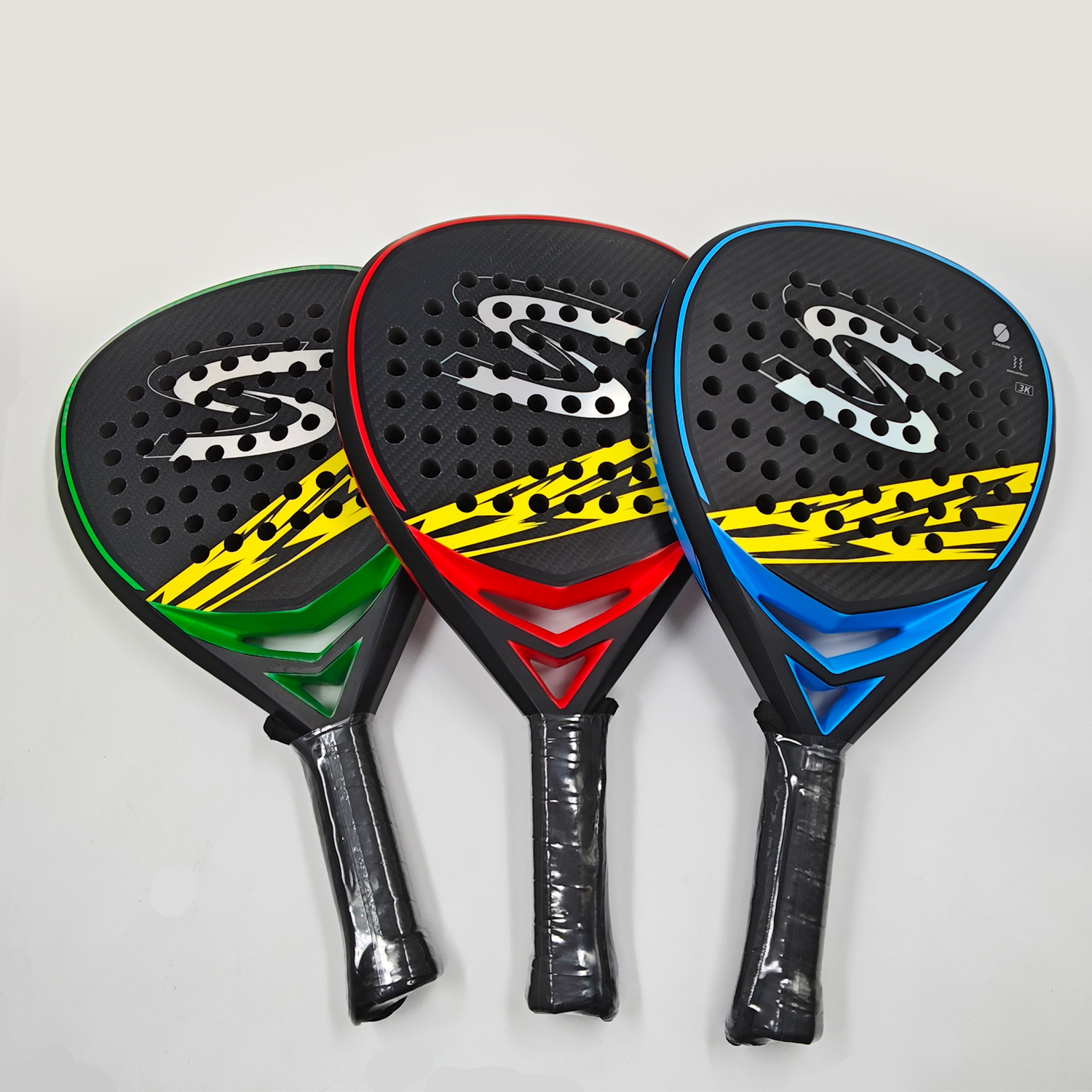
Modern padel demands equipment that delivers both explosive power and precise control, and padel rackets carbon fiber 18k represent the pinnacle of this balance. The 18k weave construction creates a material system engineered specifically for competitive play, offering players the confidence to execute powerful shots while maintaining the finesse required for touch play. Understanding how padel rackets carbon fiber 18k achieve this dual advantage requires exploring the material science, construction methodology, and real-world performance dynamics that define professional-grade equipment.
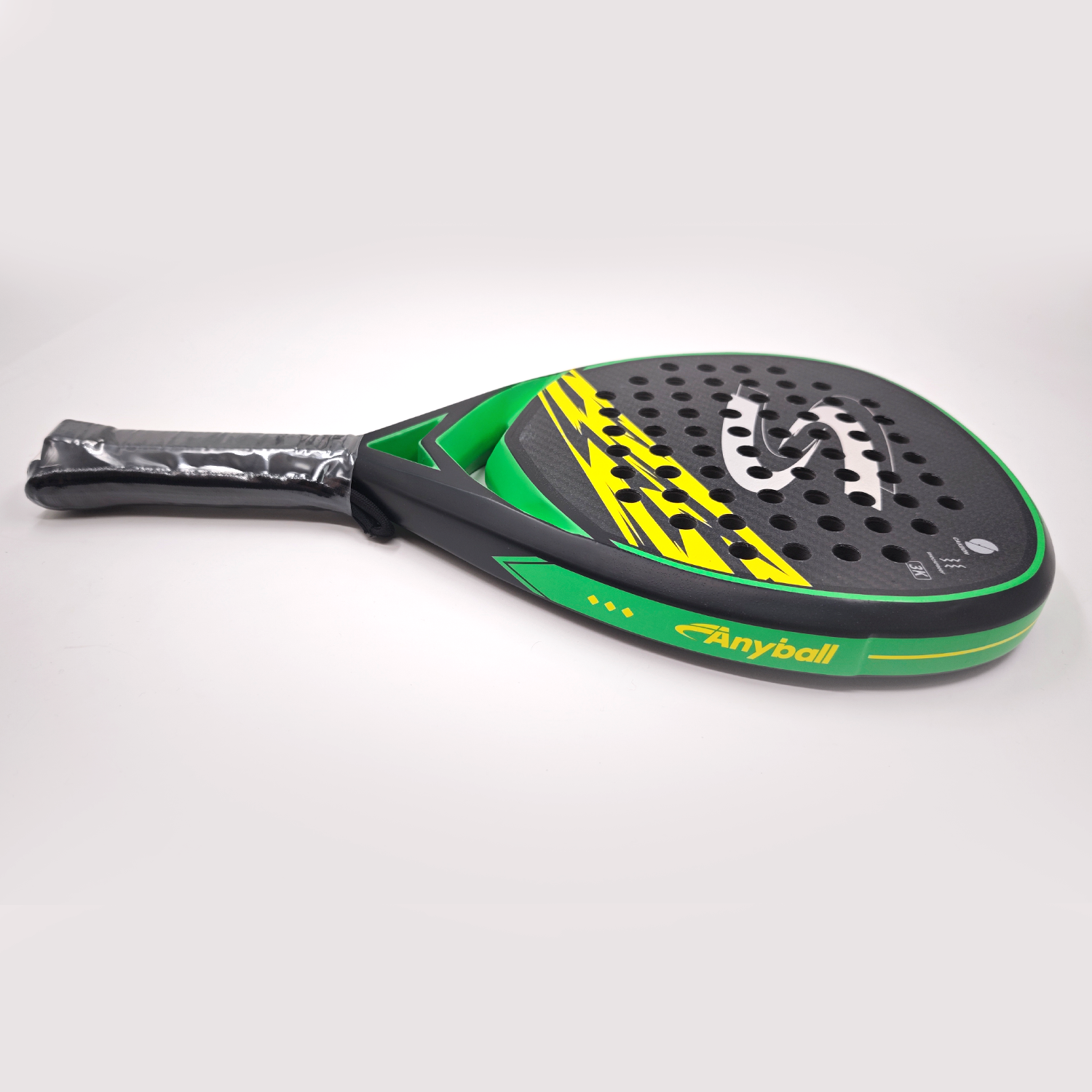
Professional padel players consistently select padel rackets carbon fiber 18k because the material composition directly translates to improved racket responsiveness, reduced vibration, and enhanced ball contact quality. The 18k carbon fiber structure provides an optimal blend of stiffness and flex characteristics that allow players to generate racket head speed for power while retaining the shock absorption necessary for controlled touch shots. This performance combination makes padel rackets carbon fiber 18k an investment in both immediate game improvement and long-term equipment reliability.
Material Science Behind 18k Carbon Fiber Construction
Understanding 18k Weave Technology in Padel Rackets Carbon Fiber 18k
The '18k' designation refers to the number of carbon filaments woven per square inch in the carbon fiber matrix, and this density directly influences how padel rackets carbon fiber 18k perform under match conditions. When manufacturers create padel rackets carbon fiber 18k, they employ advanced weaving techniques to position these 18,000 filaments in specific orientations, creating layered structures that maximize strength-to-weight ratios. The tighter weave pattern in 18k construction compared to 12k or lower alternatives means less resin is required to bond the fibers, resulting in rackets that are both lighter and more responsive to player input.
Resin Systems and Curing Processes in Quality Padel Rackets Carbon Fiber 18k
The resin system used in manufacturing padel rackets carbon fiber 18k determines how effectively the carbon fibers transfer energy throughout the racket frame during ball contact. High-quality epoxy resins create stronger molecular bonds between carbon fiber layers in premium padel rackets carbon fiber 18k, enabling superior power transfer and consistency. Precision curing temperatures and duration ensure that padel rackets carbon fiber 18k maintain dimensional stability and prevent the micro-fractures that can develop in lower-quality equipment, ultimately extending the service life of professional-grade rackets.
Power Generation Through 18k Carbon Fiber Racket Design
Frame Stiffness and Racket Head Speed in Padel Rackets Carbon Fiber 18k
The inherent stiffness of padel rackets carbon fiber 18k enables players to achieve greater racket head acceleration with minimal energy loss through frame flex. When a player swings padel rackets carbon fiber 18k, the carbon fiber matrix resists deformation, storing energy that transfers directly into the ball rather than dissipating through frame movement. This energy efficiency means that even moderate swing speeds produce powerful ball velocity when using properly engineered padel rackets carbon fiber 18k, giving players the advantage of penetrating drives and aggressive baseline shots without requiring maximum effort on every stroke.
Weight Distribution and Balance in High-Performance Padel Rackets Carbon Fiber 18k
Manufacturers strategically position carbon fiber layers within padel rackets carbon fiber 18k to create optimal weight distribution patterns that enhance maneuverability while maintaining power potential. The lightweight nature of 18k carbon fiber allows racket designers to concentrate mass in the frame perimeter of padel rackets carbon fiber 18k, increasing the stability of off-center hits while keeping swing weight manageable. Players experience immediate power benefits because padel rackets carbon fiber 18k can be swung faster through the hitting zone while still maintaining balance and control throughout the full range of motion during rallies.
Control and Precision With Advanced Carbon Fiber Racket Technology
Vibration Dampening in Premium Padel Rackets Carbon Fiber 18k
The dense carbon fiber matrix in padel rackets carbon fiber 18k naturally absorbs vibration frequencies that would otherwise transfer through inferior racket materials, directly improving touch and feel during play. When players hit the ball with padel rackets carbon fiber 18k, the 18k weave dissipates impact shock across the frame structure rather than creating jarring feedback in the player's hand and arm. This vibration control enables better proprioceptive feedback, allowing players to make micro-adjustments in subsequent shots because they receive cleaner sensory information about ball contact quality and racket response from their equipment.
Sweet Spot Consistency and Shot Precision in Padel Rackets Carbon Fiber 18k
The structural integrity of padel rackets carbon fiber 18k creates a larger and more consistent sweet spot compared to lower-grade carbon fiber or composite alternatives. Rackets made with padel rackets carbon fiber 18k maintain their shape and performance characteristics even after extended tournament use, ensuring that the precise contact points that generate optimal spin and control remain stable throughout a season. Players who rely on padel rackets carbon fiber 18k for competitive play benefit from this predictability because they can depend on consistent shot outcomes when executing the same technique repeatedly during matches.
Torsional Rigidity and Spin Generation in Professional Padel Rackets Carbon Fiber 18k
The resistance to twisting that padel rackets carbon fiber 18k exhibit directly supports players' ability to generate and control spin during volleys and groundstrokes. When a player applies sidespin or topspin with padel rackets carbon fiber 18k, the rigid frame prevents excessive rotation around the longitudinal axis, maintaining the intended spin angle and trajectory. This torsional stability means that padel rackets carbon fiber 18k deliver more predictable spin outcomes, allowing advanced players to place shots with greater precision and create winning angles that rely on specific spin combinations.
FAQ
What makes 18k carbon fiber different from 12k or other carbon fiber grades in padel rackets?
The 18k designation indicates a higher density of carbon filaments woven per square inch, creating a tighter, more uniform weave pattern than 12k alternatives. This denser construction in padel rackets carbon fiber 18k requires less resin, resulting in lighter rackets with superior stiffness and energy transfer efficiency, ultimately delivering better power generation and control consistency.
Can intermediate players benefit from using 18k carbon fiber padel rackets?
Yes, intermediate players absolutely benefit from upgrading to padel rackets carbon fiber 18k because the improved vibration dampening and sweet spot consistency accelerate skill development and reduce arm fatigue during extended practice sessions. While advanced techniques may require experience to fully utilize the racket's capabilities, the forgiving characteristics of quality padel rackets carbon fiber 18k make them suitable for players committed to improving their game.
How do 18k carbon fiber padel rackets maintain their performance characteristics over time?
High-quality epoxy resins and precise manufacturing processes in padel rackets carbon fiber 18k create molecular bonds that resist degradation from repetitive impact stress and environmental exposure. Premium padel rackets carbon fiber 18k maintain their frame shape, sweet spot location, and vibration characteristics through multiple seasons when properly maintained, making them a durable investment for serious competitive players.