EN



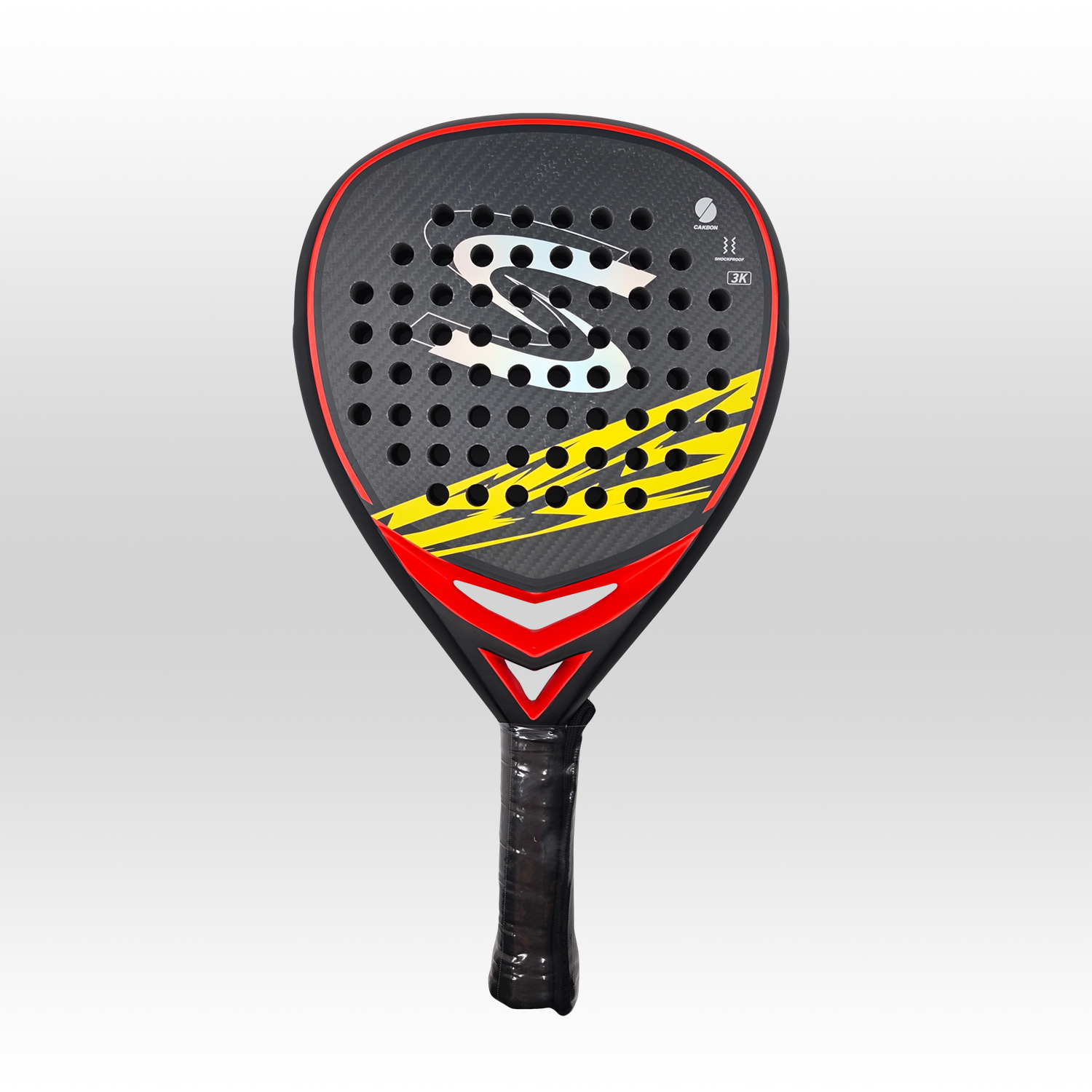
Padel rackets carbon fiber 18k represent a significant advancement in modern racket technology, offering players the opportunity to elevate their game through superior materials and engineering. The 18k weave structure in padel rackets carbon fiber 18k creates a densely woven carbon matrix that delivers exceptional stiffness while maintaining lightweight characteristics that serious competitors demand. Understanding how to optimize performance with padel rackets carbon fiber 18k requires insight into material properties, technical setup, and playing technique adjustments that work synergistically to produce measurable improvements on the court.
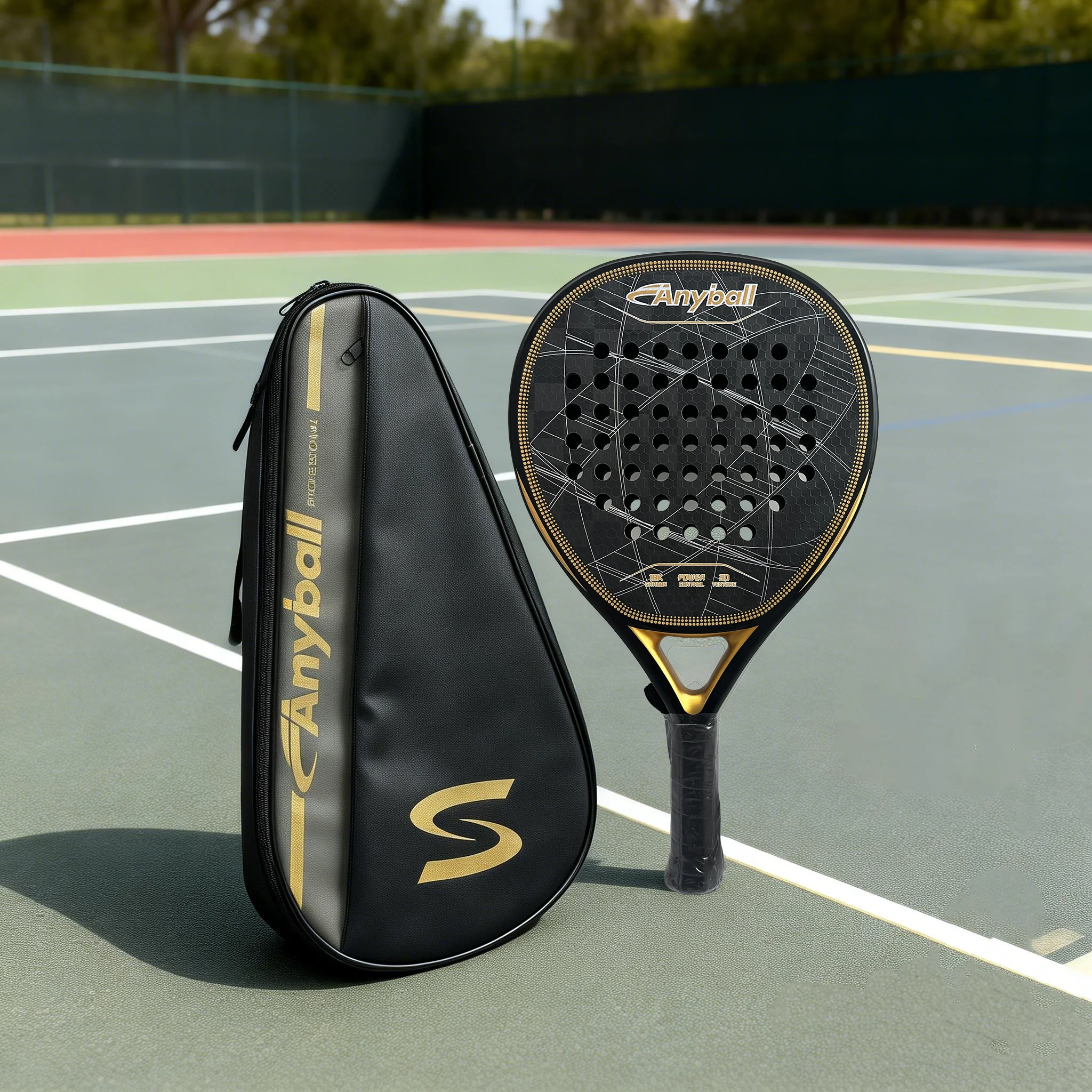
The distinct performance profile of padel rackets carbon fiber 18k stems from their construction method and fiber orientation. Unlike lower-grade carbon options, padel rackets carbon fiber 18k incorporate multiple directional fiber layers that distribute force more evenly across the strike zone, reducing vibration and enhancing energy transfer. Players who transition to padel rackets carbon fiber 18k often report noticeable improvements in shot consistency, power generation, and racket control compared to composite or lower-carbon alternatives.
Understanding 18k Carbon Fiber Construction
The Weave Structure and Material Science
Padel rackets carbon fiber 18k utilize an 18-layer twill weave pattern that creates a tightly interlocked carbon matrix. This construction method results in padel rackets carbon fiber 18k that offer superior rigidity without excessive weight. The 18k designation refers to the number of individual carbon strands woven into each fabric layer, directly influencing the density and structural integrity of the final racket. Higher strand counts mean thinner individual fibers, which allows for more precise layering and consistent quality throughout the padel rackets carbon fiber 18k manufacturing process.
Performance Advantages in Play
When you strike a ball with padel rackets carbon fiber 18k, the dense carbon weave minimizes frame deflection at contact, meaning more of your swing energy converts directly into ball velocity. Padel rackets carbon fiber 18k also absorb impact energy more uniformly, which reduces arm strain and allows players to maintain consistent form throughout extended rallies. The inherent damping properties embedded in padel rackets carbon fiber 18k construction help players achieve greater control over ball placement, particularly on finesse shots and angled attacks.
Technical Optimization Strategies for Padel Rackets Carbon Fiber 18k
Racket Balance and Weight Distribution
Optimal performance from padel rackets carbon fiber 18k depends heavily on matching the racket's balance point to your playing style and physical capabilities. Padel rackets carbon fiber 18k designed with a head-heavy balance favor power players who want maximum momentum behind aggressive strokes, while those preferring a neutral or handle-heavy balance benefit from enhanced maneuverability for quick reactions at the net. Many players optimize padel rackets carbon fiber 18k performance by adding small weight adjustments near the racket head or handle, fine-tuning the balance to complement their individual stroke mechanics and court positioning preferences.
Grip and Racket Stability
The grip diameter and material directly influence how effectively you can control padel rackets carbon fiber 18k during dynamic play. Padel rackets carbon fiber 18k perform best when paired with grip sizes matching your hand measurements, as improper sizing reduces your ability to generate topspin and execute precision shots. Premium grip materials designed to work with padel rackets carbon fiber 18k absorb perspiration without becoming slippery, maintaining consistent contact and preventing unnecessary vibration transmission up your arm.
Court Techniques and Playing Patterns
Maximizing Power Generation
Padel rackets carbon fiber 18k enable greater power generation when combined with proper swing mechanics and timing. The reduced vibration from padel rackets carbon fiber 18k allows you to load more energy into your backswing without losing feel for the ball. Aggressive baseline players benefit significantly from padel rackets carbon fiber 18k because the frame's stiffness transfers more force at contact, extending offensive rally opportunities and forcing opponents into defensive positions more frequently.
Control and Precision Shooting
Padel rackets carbon fiber 18k provide the stability and feedback necessary for executing high-precision shots consistently. Net attack strategies rely on padel rackets carbon fiber 18k because their responsive construction delivers immediate information about ball spin and depth, enabling quick adjustments for volleys and drop shots. The predictable performance characteristics of padel rackets carbon fiber 18k mean that shot outcomes remain reproducible across multiple attempts, building player confidence and enabling development of sophisticated court tactics.
Maintenance and Durability Considerations
Extending Padel Rackets Carbon Fiber 18k Lifespan
Padel rackets carbon fiber 18k require proper care to maintain their performance properties over time. Storing padel rackets carbon fiber 18k in a temperature-controlled environment prevents resin degradation that can compromise frame stiffness. Regular inspection for micro-cracks or delamination around the racket edges helps identify potential problems before padel rackets carbon fiber 18k fail during play.
Impact Resistance and Real-World Performance
Padel rackets carbon fiber 18k demonstrate excellent resistance to ball impacts and occasional ground contact, though extreme abuse can eventually compromise the carbon matrix. Replacing your grip regularly protects padel rackets carbon fiber 18k from moisture damage and maintains the racket's comfort and control characteristics. Proper storage away from direct sunlight preserves the resin matrix that holds padel rackets carbon fiber 18k together, ensuring stable performance throughout multiple seasons.
FAQ
What makes padel rackets carbon fiber 18k different from lower carbon options?
Padel rackets carbon fiber 18k contain significantly more individual carbon strands woven into each layer compared to 10k or 12k alternatives. This creates a denser, more rigid frame that delivers superior power transfer and reduced vibration. The increased density of padel rackets carbon fiber 18k translates to better consistency in shot execution and less fatigue during extended play sessions.
How should I adjust my technique when switching to padel rackets carbon fiber 18k?
When transitioning to padel rackets carbon fiber 18k, expect increased responsiveness at contact and slightly more power from standard swings. You may need to moderate your swing force initially to avoid hitting the ball longer than intended, as the efficient energy transfer of padel rackets carbon fiber 18k amplifies your input force. Most players adapt within a few practice sessions and subsequently enjoy improved consistency and reduced arm strain.
Are padel rackets carbon fiber 18k suitable for beginners or intermediate players?
Padel rackets carbon fiber 18k offer benefits for players at any skill level, though beginners may find them slightly less forgiving than thicker, more flexible frames. Intermediate and advanced players typically notice immediate improvements in shot accuracy and power when using padel rackets carbon fiber 18k. Some beginners prefer learning on slightly softer rackets before graduating to the responsive nature of premium padel rackets carbon fiber 18k.