EN
EN


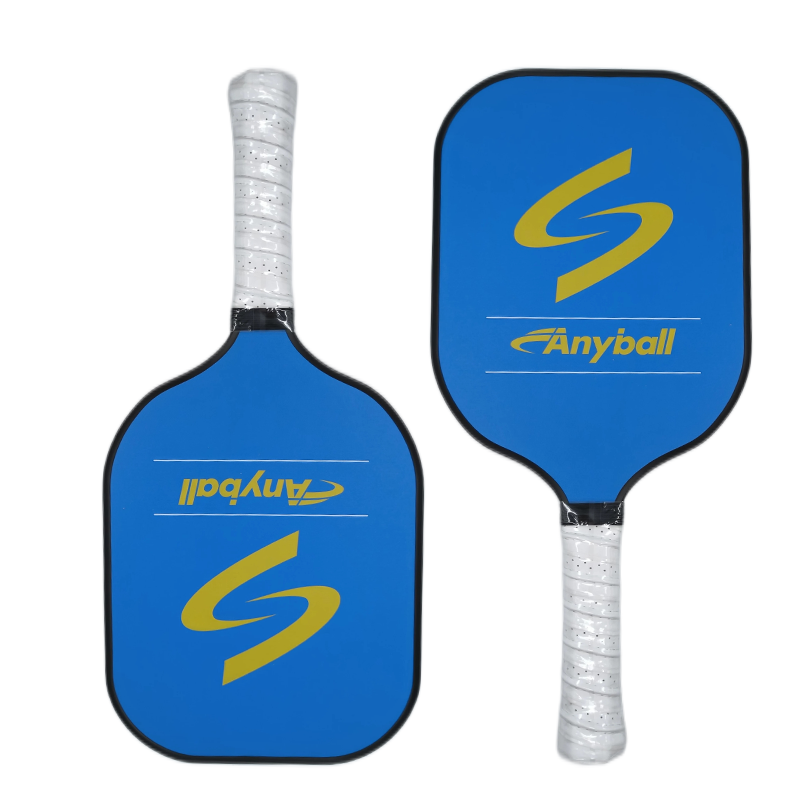
Sports clubs across the globe are experiencing unprecedented growth in pickleball participation, creating a pressing need for facility managers to understand how to select appropriate equipment for players at different skill levels. The strategic selection of pickleball paddles can significantly impact player development, satisfaction, and retention rates within club environments. When clubs invest in the right paddle inventory, they create an optimal learning environment that accommodates both newcomers discovering the sport and seasoned professionals refining their competitive edge. Understanding the nuanced differences between beginner-friendly and professional-grade pickleball paddles enables clubs to make informed purchasing decisions that maximize their equipment budget while serving diverse member needs.
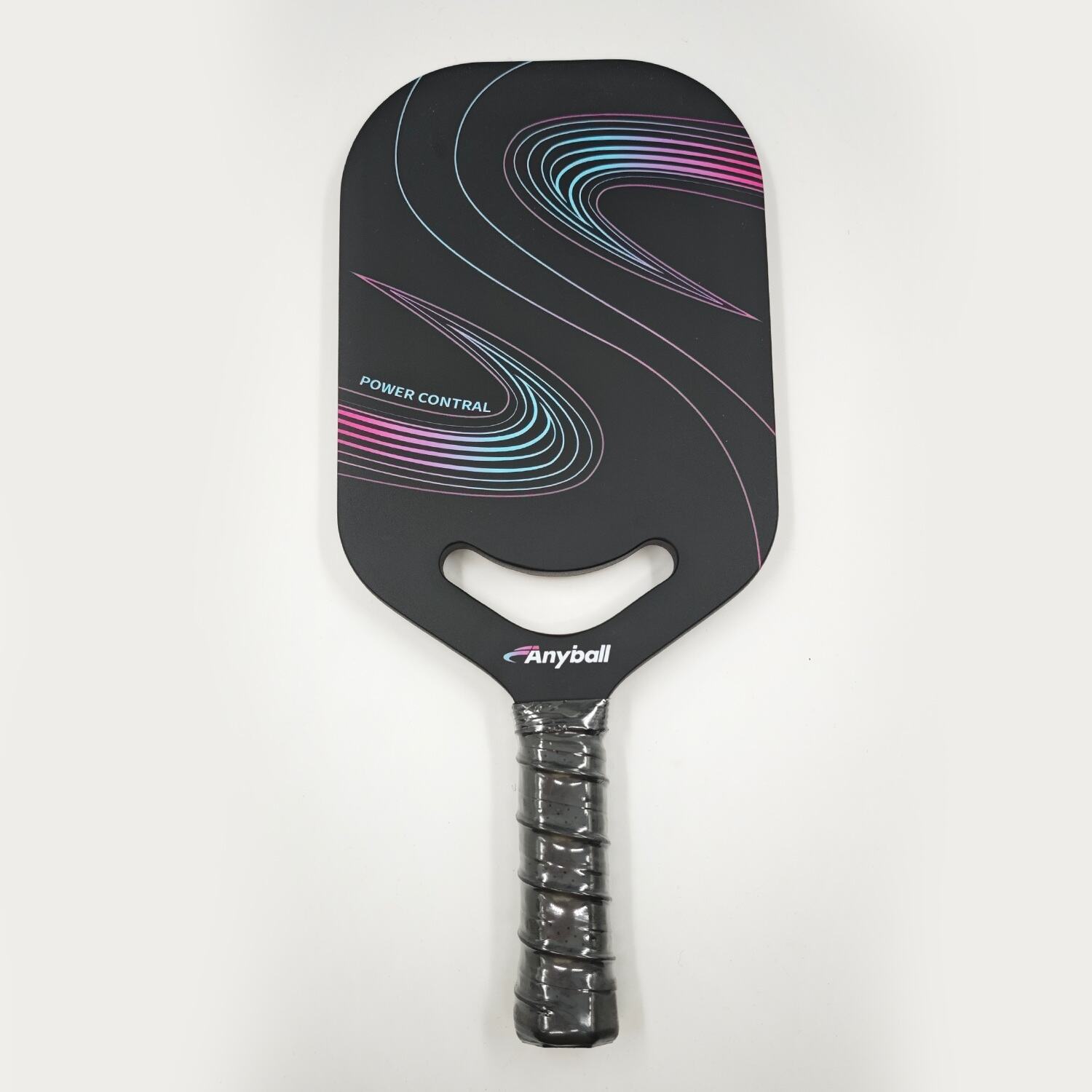
Understanding Player Skill Levels and Equipment Needs
Beginner Player Characteristics and Requirements
Beginner players typically exhibit specific characteristics that directly influence their equipment needs when selecting pickleball paddles. New players often struggle with ball control, consistent contact points, and understanding proper swing mechanics. These individuals benefit from paddles that offer larger sweet spots, enhanced forgiveness, and lighter weights that reduce fatigue during extended play sessions. Most beginners possess limited wrist strength and may experience difficulty generating power through proper technique, making paddle selection crucial for their initial enjoyment and skill development. Sports clubs should prioritize pickleball paddles that emphasize control over power for this demographic.
The learning curve for beginners involves developing hand-eye coordination, understanding court positioning, and mastering basic strokes like dinks, volleys, and serves. Equipment that compensates for technical deficiencies while promoting proper form becomes essential for player progression. Clubs that provide appropriate beginner-focused pickleball paddles often see higher retention rates and faster skill development among new members. The psychological aspect of equipment selection also plays a role, as beginners who feel comfortable with their paddle are more likely to continue participating in club activities and programs.
Advanced Player Demands and Performance Expectations
Professional and advanced players approach pickleball paddles with distinctly different requirements compared to beginners, focusing on precision, power generation, and specialized performance characteristics. These players have developed consistent swing mechanics and possess the physical conditioning necessary to handle heavier, more demanding equipment. Advanced players seek paddles that offer superior spin potential, enhanced power transfer, and responsive feel that allows for nuanced shot placement. Their equipment choices often reflect specific playing styles, whether they prefer aggressive baseline play, finesse net games, or all-court versatility.
Competition-level players frequently customize their equipment selections based on tournament requirements, playing surface conditions, and opponent analysis. These individuals understand how paddle specifications affect their performance and may require multiple paddle options within a club setting. Sports facilities serving advanced players must stock pickleball paddles that meet tournament regulations while providing the performance characteristics demanded by competitive play. The investment in professional-grade equipment often correlates with increased club prestige and the ability to attract high-level tournaments and events.
Technical Specifications That Matter Most
Weight Distribution and Its Impact on Performance
The weight distribution of pickleball paddles fundamentally affects player performance, control, and comfort levels across all skill categories. Beginner-oriented paddles typically feature lighter overall weights ranging from 7.0 to 8.0 ounces, reducing arm fatigue and allowing for easier maneuverability during rallies. This weight range enables new players to maintain consistent form throughout longer playing sessions while building the muscle memory necessary for skill progression. Lighter pickleball paddles also reduce the risk of tennis elbow and other repetitive stress injuries common among players transitioning from other racquet sports.
Advanced players often prefer heavier paddles ranging from 8.2 to 8.5 ounces, utilizing the additional mass for increased power generation and improved stability during aggressive shots. The weight distribution within professional-grade pickleball paddles can be strategically manipulated to create head-heavy, balanced, or handle-heavy configurations that suit specific playing styles. Head-heavy paddles provide additional power for baseline shots, while handle-heavy designs enhance maneuverability for quick net exchanges. Sports clubs must understand these technical nuances to provide appropriate equipment recommendations and inventory selection.
Core Materials and Construction Technologies
The internal construction of pickleball paddles varies significantly between entry-level and professional models, with core materials directly impacting performance characteristics and durability. Polymer cores represent the most common construction for recreational and intermediate paddles, offering excellent control, reduced vibration, and consistent ball response. These cores provide the forgiving nature that beginners require while maintaining sufficient performance for casual competitive play. Polymer core pickleball paddles typically offer excellent value propositions for clubs operating within budget constraints while serving diverse player populations.
Professional-grade paddles often incorporate advanced core technologies including Nomex honeycomb, aluminum honeycomb, or specialized polymer blends that maximize power transfer and spin generation. Carbon fiber face materials combined with engineered cores create the responsive feel and precision control demanded by competitive players. These pickleball paddles typically feature thinner core profiles ranging from 11mm to 16mm, allowing for enhanced ball feel and improved spin potential. Clubs investing in high-performance equipment must consider the increased cost balanced against the enhanced player experience and competitive advantages provided.
Surface Technology and Playing Characteristics
Grip and Texture Considerations for Different Skill Levels
Surface texture plays a crucial role in determining how pickleball paddles interact with the ball, affecting spin generation, control, and overall playing characteristics. Beginner-friendly paddles often feature smooth or lightly textured surfaces that provide consistent ball contact and predictable bounce patterns. These surfaces minimize variables that could confuse new players while they develop fundamental stroke mechanics and court awareness. Smooth-faced pickleball paddles typically offer enhanced durability and require less maintenance, making them ideal for high-volume club environments where equipment sees frequent rotation among multiple users.
Advanced players frequently prefer paddles with aggressive surface textures that maximize spin potential and allow for specialized shot techniques. Textured surfaces enable players to impart significant topspin, backspin, and sidespin that can dramatically affect ball trajectory and opponent positioning. Professional-level pickleball paddles may incorporate carbon fiber weaves, fiberglass textures, or specialized grip coatings that enhance surface friction. These technological improvements allow skilled players to execute advanced techniques like spin serves, drop shots with heavy underspin, and aggressive passing shots that require precise ball manipulation.
Edge Guard and Durability Factors
The edge guard construction of pickleball paddles significantly impacts both durability and performance characteristics, with different approaches suitable for various skill levels and playing intensities. Beginner-oriented paddles typically feature robust edge guard systems that protect against ground strikes, wall impacts, and general handling mishaps common during the learning process. These protective elements ensure longer paddle lifespan despite the inevitable accidents that occur as new players develop court awareness and paddle control. Durable edge guards represent a crucial investment consideration for clubs that experience high equipment turnover due to beginner play patterns.
Professional-grade paddles often minimize edge guard bulk to reduce weight and improve aerodynamic properties, accepting reduced impact protection in exchange for enhanced performance characteristics. Competition players typically exercise greater care with their equipment and value the performance benefits of streamlined construction over maximum durability. Some high-end pickleball paddles eliminate traditional edge guards entirely, using flush construction techniques that create seamless paddle profiles. Clubs serving competitive players must balance the increased replacement costs associated with less durable construction against the performance demands of their membership base.
Budget Considerations and Equipment Lifecycle
Cost-Effective Solutions for Beginner Programs
Sports clubs implementing beginner pickleball programs face unique budgetary challenges when selecting appropriate equipment that balances performance with cost-effectiveness. Entry-level pickleball paddles typically range from $30 to $80, providing adequate performance for skill development while maintaining reasonable replacement costs. Clubs should prioritize durability and consistent performance over premium features when building beginner equipment inventories. Volume purchasing agreements with manufacturers can significantly reduce per-unit costs while ensuring consistent paddle characteristics across the entire beginner fleet.
The equipment lifecycle for beginner programs often extends beyond individual paddle durability to include maintenance requirements, replacement frequency, and upgrade pathways as players advance. Clubs that implement structured equipment progression programs can create revenue streams while ensuring players have access to appropriate pickleball paddles throughout their development journey. These programs might include rental options, purchase incentives, and trade-up opportunities that encourage continued participation while managing facility costs. Strategic partnerships with paddle manufacturers can provide clubs with demonstration equipment, bulk pricing, and educational resources that enhance program effectiveness.
Investment Strategies for Professional-Level Equipment
Professional-grade pickleball paddles represent significant investments for sports clubs, with premium models ranging from $150 to $300 per paddle. These higher costs reflect advanced materials, precision manufacturing, and specialized performance characteristics that justify the expense for competitive players. Clubs serving advanced players must consider the return on investment through increased membership satisfaction, tournament hosting capabilities, and facility reputation enhancement. Professional equipment investments often correlate with increased lesson fees, specialized clinics, and premium membership tiers that offset initial costs.
The replacement cycle for professional paddles differs significantly from beginner equipment, with advanced players often personalizing their paddles through grip modifications, weight adjustments, and surface treatments. Clubs may offer equipment customization services as additional revenue streams while ensuring player satisfaction with their pickleball paddles. Professional players frequently request specific brands, models, and specifications that require clubs to maintain diverse inventory selections or establish special ordering relationships with suppliers. These specialized requirements create opportunities for clubs to differentiate their services while commanding premium pricing for enhanced equipment access and customization capabilities.
Selection Criteria and Decision Framework
Establishing Equipment Standards and Guidelines
Successful sports clubs develop comprehensive equipment standards that guide pickleball paddle selection while ensuring consistency across their facility operations. These standards should address minimum performance requirements, durability expectations, and compatibility with existing programs and services. Standardization helps control costs, simplifies maintenance procedures, and ensures that players receive consistent equipment experiences regardless of which paddles they select. Clubs benefit from establishing relationships with reputable manufacturers who can provide ongoing support, warranty coverage, and product education for staff members.
Equipment standards should accommodate different skill levels while maintaining operational efficiency and budget control. This might involve selecting two or three paddle models that span the performance spectrum from beginner to advanced, rather than attempting to stock every available option. Standardization also facilitates staff training, as facility employees can develop expertise with specific pickleball paddles and provide better guidance to members. Regular evaluation and updating of equipment standards ensures that clubs remain current with technological advances and changing player preferences while avoiding unnecessary inventory complications.
Testing and Evaluation Procedures
Implementing systematic testing and evaluation procedures enables clubs to make informed decisions about pickleball paddle selections based on actual performance data rather than manufacturer claims alone. Demo programs allow club members to test various paddle options before making purchase decisions, creating opportunities for facilities to gather feedback about equipment preferences and performance characteristics. These testing programs can reveal player preferences that might not align with technical specifications, providing valuable insights for future equipment purchases.
Professional evaluation procedures might include organized hitting sessions, skill-specific testing protocols, and feedback collection systems that capture quantitative and qualitative data about paddle performance. Clubs can establish partnerships with local pickleball professionals or certified instructors who can provide expert evaluations of equipment suitability for different skill levels. Regular equipment evaluations ensure that club inventory remains current with player needs and technological advances in paddle design. These evaluation processes also create marketing opportunities as clubs can position themselves as knowledgeable equipment consultants who prioritize member satisfaction over simple product sales.
FAQ
What weight range should clubs stock for beginner pickleball paddles
Clubs should focus on lightweight pickleball paddles ranging from 7.0 to 8.0 ounces for beginner players. This weight range reduces arm fatigue, improves maneuverability, and allows new players to develop proper swing mechanics without struggling against heavy equipment. Lighter paddles also minimize the risk of injury while players build strength and technique. Most recreational players find this weight range comfortable for extended play sessions and skill development activities.
How do professional players differ in their paddle requirements
Professional players typically prefer heavier pickleball paddles ranging from 8.2 to 8.5 ounces with advanced core materials and aggressive surface textures. They require equipment that maximizes spin potential, power generation, and precision control for competitive play. Advanced players often seek specific weight distributions, custom grip sizes, and specialized surface treatments that allow for sophisticated shot techniques. Their equipment selections focus on performance optimization rather than forgiveness or ease of use.
What budget should clubs allocate for different skill level equipment
Beginner-oriented pickleball paddles typically cost between $30 to $80, providing adequate performance for skill development while maintaining reasonable replacement costs. Professional-grade equipment ranges from $150 to $300 per paddle, reflecting advanced materials and specialized manufacturing processes. Clubs should allocate approximately 60% of their paddle budget to beginner and intermediate equipment with 40% dedicated to advanced player needs, adjusting based on their specific membership demographics.
How often should clubs replace their paddle inventory
Replacement frequency depends on usage intensity and player skill levels, with beginner equipment typically requiring replacement every 12 to 18 months due to higher impact frequency and less careful handling. Professional-grade pickleball paddles may last 2 to 3 years with proper care and maintenance. Clubs should establish regular inspection schedules to identify worn equipment and plan replacement purchases. High-usage rental equipment may require more frequent replacement, while demonstration paddles used for testing purposes typically have longer lifespans due to controlled usage patterns.