EN
EN


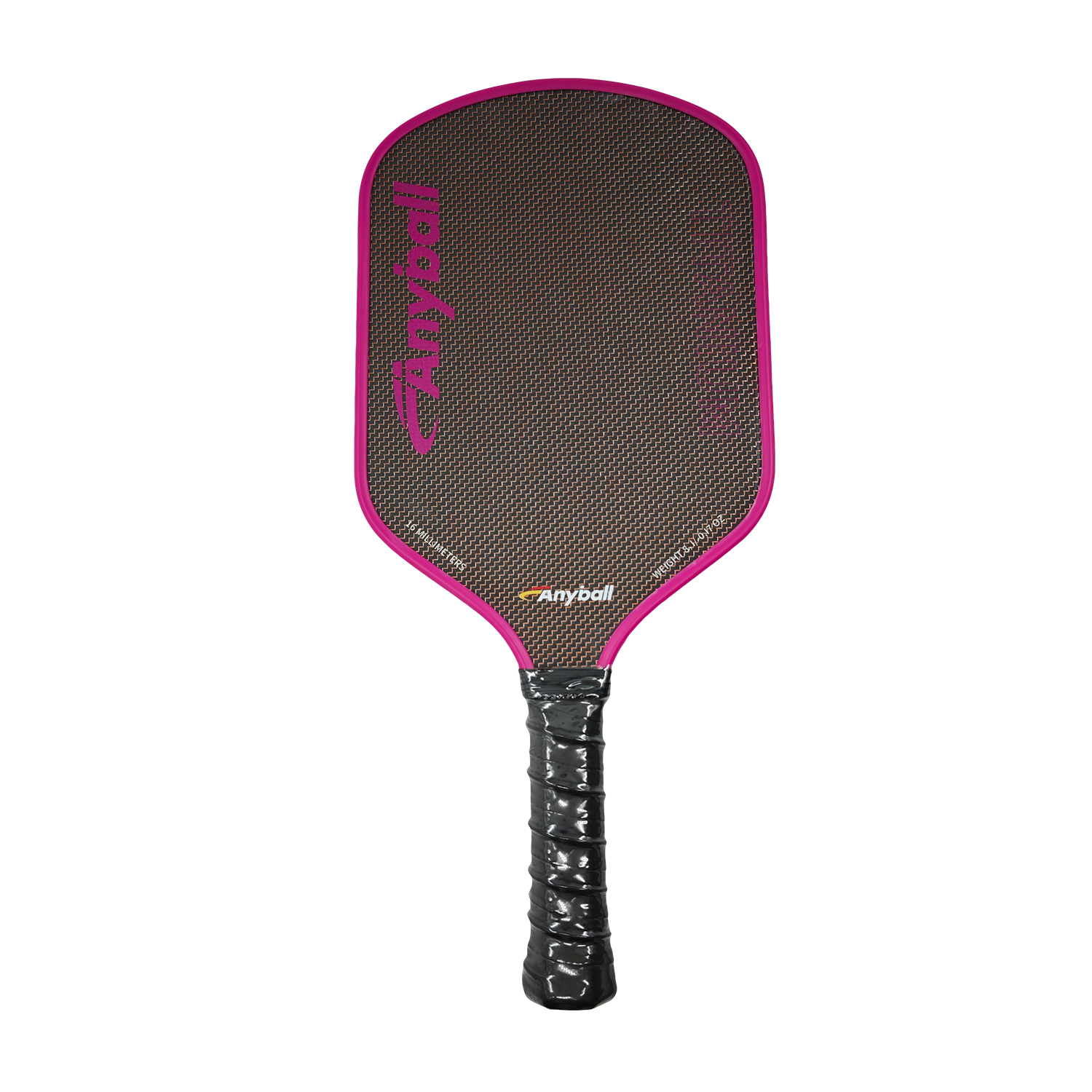
The rapidly growing sport of pickleball has captured the attention of athletes worldwide, driving demand for specialized equipment that can elevate gameplay to new heights. Among the most critical pieces of equipment, customized pickleball paddles stand out as game-changing tools that can significantly impact both training effectiveness and competitive performance. Unlike standard off-the-shelf options, these personalized paddles are engineered to match individual playing styles, physical characteristics, and skill development goals, creating a synergy between player and equipment that maximizes potential on the court.
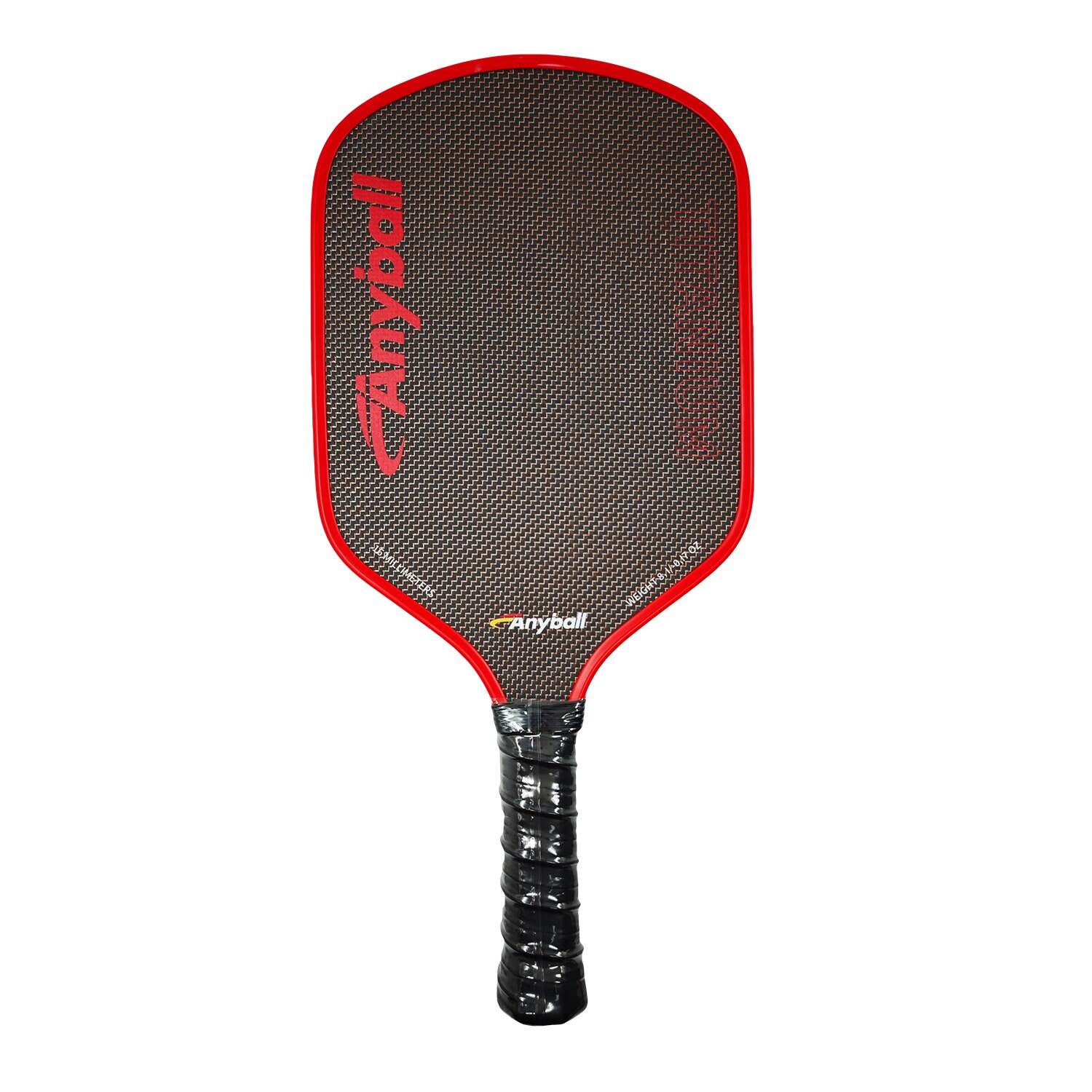
Professional coaches and seasoned players increasingly recognize that paddle customization extends far beyond aesthetic preferences. The strategic selection of weight distribution, grip size, surface texture, and core materials directly influences shot precision, power generation, and overall comfort during extended play sessions. This personalized approach to equipment selection has revolutionized training methodologies, allowing players to develop muscle memory and technique with tools that complement their natural biomechanics rather than forcing adaptation to generic specifications.
The Science Behind Paddle Customization
Weight Distribution and Balance Point Optimization
The weight distribution of customized pickleball paddles plays a crucial role in determining shot accuracy and power transfer efficiency. Professional paddle engineers analyze player swing mechanics to determine optimal balance points that enhance natural movement patterns. Head-heavy configurations typically favor aggressive baseline players who prioritize power shots, while head-light designs benefit net players requiring quick reflexes and precise placement. Customized pickleball paddles can be precisely weighted to match individual preferences, creating a seamless extension of the player's arm that improves consistency and reduces fatigue during intensive training sessions.
Advanced customization techniques involve strategic placement of additional weight materials within the paddle core or handle regions. This meticulous approach allows manufacturers to achieve balance points that align with specific playing positions and shot preferences. Players who frequently execute overhead smashes benefit from slightly head-heavy configurations that maximize momentum transfer, while defensive specialists often prefer evenly balanced paddles that facilitate rapid directional changes and precise drop shots.
Core Material Engineering for Performance Enhancement
The internal core composition of customized pickleball paddles significantly impacts ball response characteristics and overall performance metrics. Honeycomb polymer cores offer excellent shock absorption and consistent ball bounce, making them ideal for players developing fundamental techniques. Aluminum cores provide enhanced power transfer and crisp ball contact, particularly beneficial for aggressive players seeking maximum shot velocity. Customized paddle manufacturers can modify core density and cell structure to achieve specific performance attributes tailored to individual training objectives.
Modern customization processes incorporate multi-layered core designs that combine different materials to optimize various performance aspects simultaneously. These hybrid configurations might feature polymer cores for comfort and control, reinforced with strategic aluminum or nomex layers for added power and durability. Such sophisticated engineering allows customized pickleball paddles to deliver performance characteristics that would be impossible to achieve with standard manufacturing approaches.
Grip Customization for Enhanced Control
Ergonomic Handle Design and Sizing
Proper grip sizing represents one of the most critical aspects of paddle customization, directly influencing shot control, comfort, and injury prevention. Customized pickleball paddles feature handles specifically shaped and sized to match individual hand dimensions and grip preferences. Professional fitters utilize precise measurement techniques to determine optimal circumference, length, and contour profiles that promote natural wrist positioning and minimize strain during extended play. This personalized approach significantly reduces the risk of tennis elbow and other repetitive stress injuries commonly associated with ill-fitting equipment.
Advanced grip customization extends beyond simple sizing to include surface texture modifications and material selection. Players with naturally sweaty palms benefit from enhanced grip materials with superior moisture management properties, while those preferring minimal cushioning might opt for firmer, more direct feel options. Customized paddle manufacturers can incorporate varying grip textures along different handle regions, providing enhanced control zones for specific shot types while maintaining overall comfort.
Grip Wrap and Surface Treatment Options
The surface treatment and wrap selection for customized pickleball paddles allows players to fine-tune tactile feedback and control characteristics. Cushioned overgrips provide enhanced comfort and shock absorption, particularly beneficial during long training sessions or competitive tournaments. Tacky grip materials offer superior hold security in humid conditions, while perforated wraps enhance breathability and moisture management. Professional players often specify multiple grip configurations for different playing conditions or training objectives.
Customization options include specialized grip materials designed for specific environmental conditions or playing styles. Cold-weather grips maintain flexibility and tackiness in low temperatures, while heat-resistant materials perform consistently in hot, humid climates. These specialized treatments ensure that customized pickleball paddles maintain optimal performance characteristics regardless of external conditions, providing consistent training experiences that facilitate skill development.
Surface Technology and Spin Generation
Face Texture Optimization for Ball Control
The surface characteristics of customized pickleball paddles dramatically influence ball spin generation and control capabilities. Textured surfaces create increased friction between paddle and ball, enabling players to impart topspin, backspin, and sidespin with greater effectiveness. Customization allows for precise texture depth and pattern optimization based on individual technique and strategic preferences. Players specializing in finesse shots benefit from moderate texture levels that enhance touch and placement accuracy, while aggressive players might prefer more pronounced textures for maximum spin generation.
Advanced surface treatments incorporate micro-textured patterns that maintain consistent spin characteristics throughout the paddle's lifespan. These engineered surfaces resist wear and maintain optimal friction properties even after extensive use, ensuring that training consistency remains uncompromised. Customized pickleball paddles can feature varying texture zones across the hitting surface, providing different spin characteristics for various shot types while maintaining overall performance integrity.
Carbon Fiber and Composite Face Construction
Carbon fiber face construction in customized pickleball paddles delivers exceptional strength-to-weight ratios and enhanced ball response characteristics. The directional orientation of carbon fiber weaves can be customized to optimize specific performance attributes such as power transfer, control, or durability. Professional paddle builders adjust fiber layup patterns to create paddles that complement individual swing mechanics and shot preferences, resulting in equipment that feels like a natural extension of the player's technique.
Composite face materials allow for even greater customization possibilities, combining carbon fiber with other advanced materials to achieve specific performance objectives. These hybrid constructions might incorporate graphite for enhanced feel, fiberglass for improved durability, or specialized polymers for unique ball response characteristics. The ability to tailor face construction enables manufacturers to create customized pickleball paddles that address specific training needs and performance goals with unprecedented precision.
Training Enhancement Through Paddle Customization
Progressive Skill Development Programs
Customized pickleball paddles enable coaches to implement progressive training programs that systematically develop player skills through equipment adaptation. Beginners benefit from paddles optimized for control and forgiveness, featuring larger sweet spots and enhanced stability. As players advance, paddle specifications can be gradually modified to increase performance demands while maintaining comfort and confidence. This progressive approach allows for natural skill development without the jarring transitions often associated with standard equipment upgrades.
Professional training facilities increasingly utilize fleets of customized paddles with varying characteristics to expose players to different playing styles and strategic approaches. Students can experience power-oriented paddles to develop aggressive techniques, control-focused options for finesse training, and balanced configurations for all-around skill development. This comprehensive approach ensures that players develop versatile skill sets while identifying their natural playing preferences and strengths.
Injury Prevention and Biomechanical Optimization
The biomechanical advantages of properly customized pickleball paddles extend significantly beyond performance enhancement to include injury prevention and ergonomic optimization. Paddles tailored to individual physical characteristics reduce stress on joints, tendons, and muscles during repetitive motions. Proper weight distribution minimizes wrist strain, while optimized grip sizing prevents overgripping and associated tension. These ergonomic benefits become increasingly important during intensive training periods where players execute thousands of shots over extended sessions.
Sports medicine professionals increasingly recommend customized paddle fitting as a preventive measure against common pickleball injuries. Properly fitted equipment promotes natural swing mechanics and reduces compensatory movements that can lead to overuse injuries. The investment in customized pickleball paddles often proves cost-effective when compared to potential medical expenses and training disruptions associated with equipment-related injuries.
Performance Metrics and Measurable Improvements
Shot Consistency and Accuracy Enhancement
Players using customized pickleball paddles consistently demonstrate improved shot accuracy and placement precision in controlled testing environments. The enhanced feel and feedback provided by properly fitted equipment allows for more precise shot execution and better court awareness. Statistical analysis of training sessions reveals significant improvements in target accuracy, shot depth control, and placement consistency when players transition from standard to customized equipment. These measurable improvements translate directly to competitive advantages during tournament play.
Advanced training facilities utilize ball machine systems and shot tracking technology to quantify the performance benefits of paddle customization. Data collection reveals that players achieve faster skill development curves and maintain higher consistency levels throughout extended training sessions when using appropriately customized equipment. These objective measurements provide concrete evidence supporting the investment in personalized paddle specifications for serious players and competitive athletes.
Power Generation and Shot Velocity Optimization
Customized pickleball paddles optimized for individual swing characteristics consistently produce higher ball velocities and improved power transfer efficiency compared to standard alternatives. Proper weight distribution and balance point optimization allow players to generate maximum paddle head speed while maintaining control and accuracy. Professional players report immediate improvements in serve velocity and aggressive shot execution when transitioning to properly customized equipment specifications.
Biomechanical analysis demonstrates that customized paddle specifications enable more efficient kinetic chain activation, resulting in improved power generation with reduced effort. This efficiency translates to enhanced endurance during long matches and training sessions, as players expend less energy to achieve desired shot outcomes. The cumulative effect of these improvements significantly impacts overall performance and competitive results.
Selection and Fitting Process
Professional Assessment and Measurement Techniques
The process of selecting and fitting customized pickleball paddles begins with comprehensive professional assessment of individual physical characteristics and playing style preferences. Certified fitters utilize specialized measurement tools to determine hand size, grip strength, swing speed, and biomechanical patterns. This detailed analysis forms the foundation for paddle specification recommendations that optimize performance while ensuring comfort and injury prevention. The fitting process typically requires multiple sessions to fine-tune specifications and validate performance improvements.
Advanced fitting facilities incorporate video analysis and motion capture technology to assess swing mechanics and identify optimization opportunities. These sophisticated evaluation methods provide objective data regarding paddle interaction with individual playing styles, enabling precise customization recommendations. The investment in professional fitting services ensures that customized pickleball paddles deliver maximum performance benefits and justify the associated costs through improved playing experience and competitive results.
Testing and Validation Protocols
Reputable manufacturers of customized pickleball paddles implement rigorous testing and validation protocols to ensure that finished products meet individual specifications and performance expectations. Trial periods allow players to evaluate paddle characteristics under actual playing conditions before finalizing customization decisions. This approach minimizes the risk of specification errors and ensures customer satisfaction with the final product. Professional players often work closely with manufacturers throughout the development process to refine specifications and optimize performance characteristics.
Quality assurance procedures include performance verification testing that validates weight distribution, balance points, and surface characteristics against specified parameters. These stringent quality control measures ensure that customized paddles consistently deliver intended performance benefits and maintain specifications throughout their operational lifespan. The reliability of customized pickleball paddles depends heavily on these validation processes and the manufacturer's commitment to precision and quality.
FAQ
How long does the customization process typically take for pickleball paddles
The customization process for pickleball paddles typically requires 2-4 weeks from initial assessment to delivery, depending on the complexity of specifications and manufacturer capacity. Professional fitting sessions usually take 1-2 hours to complete comprehensive measurements and performance evaluations. Rush orders may be available for competitive players with urgent tournament needs, though additional fees often apply for expedited service.
What is the expected lifespan of customized pickleball paddles compared to standard options
Customized pickleball paddles generally demonstrate superior durability compared to mass-produced alternatives due to enhanced materials and construction quality. Typical lifespan ranges from 12-24 months with regular play, depending on usage intensity and care practices. The higher initial investment often proves cost-effective over time due to extended durability and consistent performance maintenance throughout the paddle's operational life.
Can paddle specifications be modified after initial customization
Most manufacturers offer modification services for existing customized pickleball paddles, though options may be limited depending on original construction methods and desired changes. Grip modifications, weight adjustments, and surface treatments can often be altered, while core and face modifications typically require complete paddle replacement. Players should discuss future modification possibilities during initial consultations to ensure flexibility for evolving preferences and skill development.
How do customized paddles compare in tournament legality and USAPA approval
All customized pickleball paddles must meet USAPA specifications and approval requirements for tournament play, regardless of customization level. Reputable manufacturers ensure that all customized products comply with official regulations regarding dimensions, weight, surface characteristics, and construction materials. Players should verify USAPA approval status before tournament use and maintain documentation proving compliance with official regulations.
Table of Contents
- The Science Behind Paddle Customization
- Grip Customization for Enhanced Control
- Surface Technology and Spin Generation
- Training Enhancement Through Paddle Customization
- Performance Metrics and Measurable Improvements
- Selection and Fitting Process
-
FAQ
- How long does the customization process typically take for pickleball paddles
- What is the expected lifespan of customized pickleball paddles compared to standard options
- Can paddle specifications be modified after initial customization
- How do customized paddles compare in tournament legality and USAPA approval