EN
EN


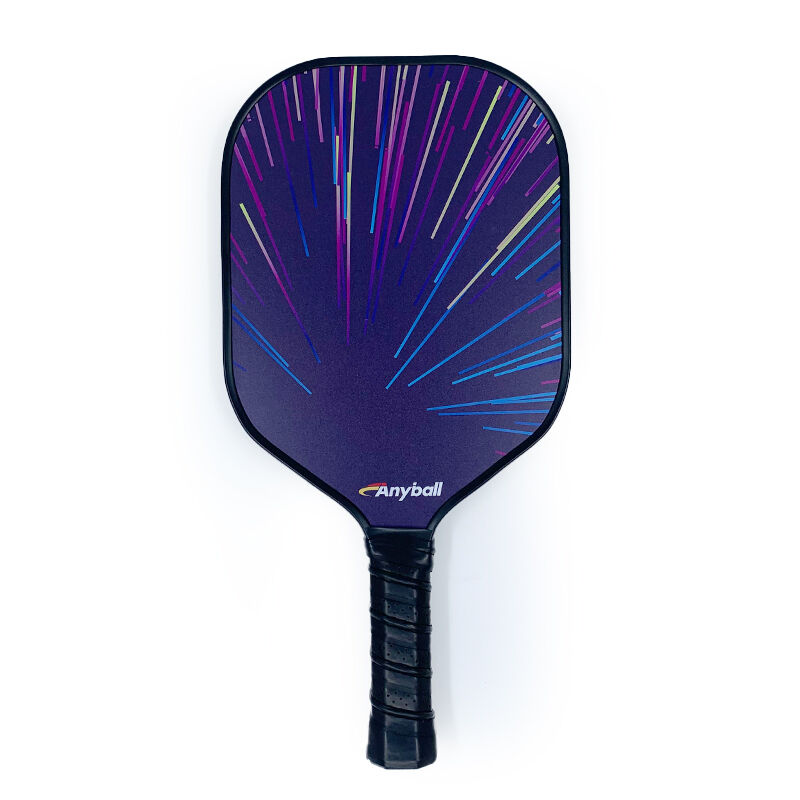
Proper pickleball paddle maintenance is essential for maximizing performance and extending the lifespan of your equipment investment. Regular care routines can significantly impact paddle durability, playability, and overall value retention. Understanding the fundamentals of paddle preservation helps players maintain consistent performance while avoiding premature replacement costs. Professional players and recreational enthusiasts alike benefit from implementing structured maintenance protocols that address both immediate post-game care and long-term storage considerations.
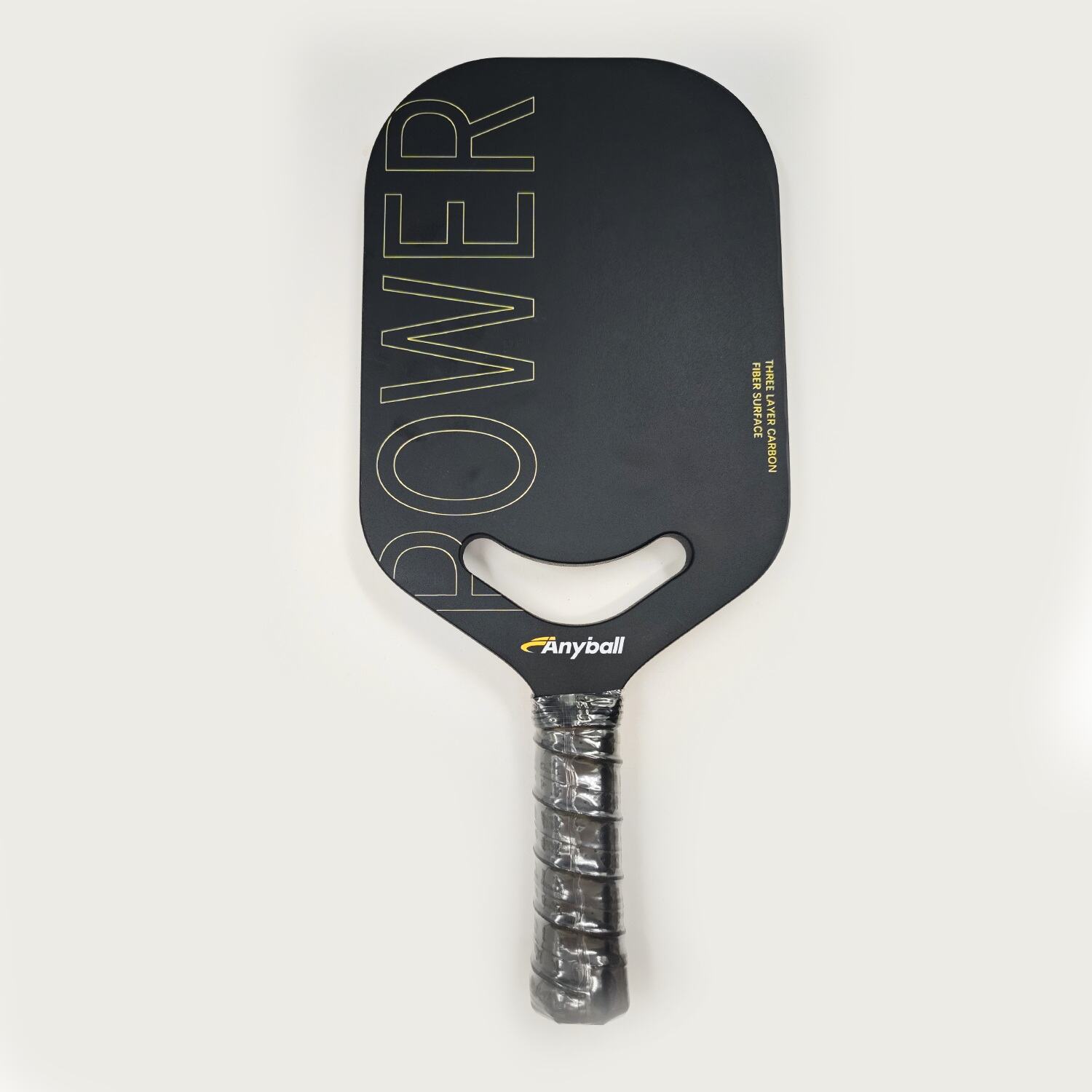
The growing popularity of pickleball has led to increased awareness about equipment longevity and performance optimization. Modern paddle construction utilizing carbon fiber, fiberglass, and composite materials requires specific care approaches to maintain structural integrity. Environmental factors, playing frequency, and handling techniques all contribute to paddle degradation patterns. Implementing comprehensive maintenance strategies ensures optimal grip retention, surface texture preservation, and core stability throughout extended use periods.
Essential Daily Care Practices
Post-Game Cleaning Protocols
Immediate cleaning after each playing session forms the foundation of effective pickleball paddle maintenance routines. Court debris, perspiration, and environmental contaminants accumulate on paddle surfaces during gameplay, potentially causing long-term damage if left untreated. Simple wiping with microfiber cloths removes surface particles while preventing abrasive buildup that could compromise paddle face texture. Temperature considerations matter significantly, as extreme heat or cold can affect material properties and cleaning product effectiveness.
Professional cleaning approaches involve systematic surface treatment using appropriate cleaning solutions designed for composite materials. Avoiding harsh chemicals or abrasive cleaners prevents surface degradation while maintaining optimal ball contact characteristics. Gentle soap solutions combined with soft cloth application effectively remove stubborn residues without compromising paddle integrity. Proper drying techniques prevent moisture retention that could lead to core delamination or grip deterioration over time.
Grip Maintenance and Replacement
Grip condition directly impacts player control and paddle longevity, making regular grip assessment crucial for comprehensive pickleball paddle maintenance programs. Worn or deteriorated grips compromise hand placement consistency while potentially causing additional stress on paddle construction. Recognizing grip replacement indicators such as smooth surfaces, loose wrapping, or compressed cushioning helps maintain optimal playing conditions. Quality replacement grips restore tactile feedback while protecting underlying handle materials from moisture and wear.
Professional grip installation techniques ensure proper tension, overlap, and finishing that maximize durability and performance characteristics. Overwrap selection based on playing style, hand size, and environmental conditions optimizes comfort and control. Regular grip cleaning between replacements extends usable life while maintaining hygienic playing conditions. Seasonal grip evaluation coinciding with equipment inspections creates systematic maintenance schedules that prevent performance degradation.
Storage and Environmental Protection
Optimal Storage Conditions
Proper storage environments significantly influence paddle longevity and performance retention throughout extended non-use periods. Temperature stability prevents material expansion and contraction cycles that could compromise structural integrity or cause delamination issues. Humidity control reduces moisture exposure that can affect core materials and adhesive bonds within composite construction. Avoiding direct sunlight prevents UV degradation of surface materials while maintaining color stability and structural properties.
Dedicated paddle storage solutions provide protection from physical damage while maintaining proper positioning that prevents warping or stress concentration. Paddle covers or cases offer additional protection during transportation and storage, reducing exposure to environmental contaminants. Vertical storage positions distribute weight evenly while preventing pressure points that could cause permanent deformation. Climate-controlled storage areas ensure consistent environmental conditions that optimize long-term paddle preservation.
Protection During Transportation
Transportation damage represents a significant threat to paddle integrity, requiring specific protective measures during travel to playing venues. Quality paddle covers provide cushioning against impacts while preventing surface scratches from contact with other equipment. Proper packing techniques distribute pressure evenly while avoiding stress concentration points that could cause structural damage. Temperature considerations during vehicle transportation prevent extreme condition exposure that might affect material properties.
Professional players often utilize dedicated paddle cases with custom foam inserts that provide maximum protection during frequent travel. Multiple paddle storage configurations allow for backup equipment transport while maintaining individual paddle protection. Moisture barrier integration prevents humidity exposure during transportation through varying climate conditions. Regular case inspection and maintenance ensures continued protection effectiveness throughout extended use periods.
Surface Care and Texture Preservation
Maintaining Playing Surface Integrity
Paddle face condition directly affects ball control, spin generation, and overall playing performance, making surface preservation critical for effective pickleball paddle maintenance protocols. Texture degradation occurs gradually through normal play, requiring proactive care to maintain optimal ball contact characteristics. Regular surface inspection identifies wear patterns, damage areas, or contamination that could compromise performance. Gentle cleaning techniques preserve surface texture while removing accumulated debris that might affect ball interaction.
Professional surface restoration techniques can address minor texture loss while maintaining competition-legal surface characteristics. Understanding manufacturer specifications regarding surface modifications ensures compliance with tournament regulations. Protective treatments designed for composite materials can enhance durability while maintaining natural surface properties. Regular texture assessment using standardized methods helps track degradation patterns and maintenance effectiveness over time.
Preventing Common Surface Damage
Proactive damage prevention strategies reduce the need for extensive repairs while maintaining consistent playing characteristics throughout paddle lifespan. Proper ball selection prevents excessive surface wear from inappropriate projectiles that might cause premature texture degradation. Court surface awareness helps avoid accidental paddle contact with abrasive materials that could scratch or gouge playing surfaces. Handling techniques that minimize paddle-to-paddle contact during group play prevent collision damage between players.
Environmental hazard recognition helps players avoid situations that might cause surface contamination or damage. Sand, dirt, and other abrasive materials can embed in paddle surfaces, causing gradual texture degradation if not promptly addressed. Chemical exposure from court treatments, cleaning products, or environmental pollutants requires immediate attention to prevent permanent surface alteration. Regular surface protection routines create barriers against common damage sources while maintaining playability standards.
Long-Term Maintenance Strategies
Seasonal Equipment Evaluation
Comprehensive seasonal assessments form the cornerstone of long-term pickleball paddle maintenance programs that maximize equipment lifespan and performance consistency. Systematic evaluation protocols examine all paddle components including face condition, edge guard integrity, grip security, and core stability. Professional assessment techniques identify potential issues before they compromise playing performance or require extensive repairs. Documentation of maintenance activities creates historical records that inform future care decisions and replacement timing.
Seasonal maintenance schedules align with playing patterns and environmental exposure cycles, ensuring optimal care timing for maximum effectiveness. Pre-season preparation includes thorough cleaning, grip replacement if necessary, and surface condition assessment to ensure peak performance readiness. Mid-season evaluations monitor wear progression and address emerging issues before they affect competitive performance. Post-season maintenance includes comprehensive cleaning, proper storage preparation, and damage assessment for off-season repairs.
Professional Service and Repair Options
Professional maintenance services offer specialized expertise for complex repairs and advanced pickleball paddle maintenance procedures beyond typical player capabilities. Certified technicians understand paddle construction methods, material properties, and manufacturer specifications that ensure proper repair execution. Professional equipment assessment provides objective evaluation of paddle condition and remaining useful life. Specialized tools and materials used by professional services achieve repair quality that extends paddle lifespan effectively.
Warranty considerations affect professional service decisions, as unauthorized repairs might void manufacturer coverage for defects or premature failure. Professional services maintain manufacturer relationships that ensure warranty compliance while providing necessary maintenance and repairs. Cost-benefit analysis of professional services versus replacement helps players make informed decisions about paddle investment management. Regular professional evaluation establishes baseline condition assessments that track performance degradation patterns over time.
FAQ
How often should I clean my pickleball paddle?
Clean your paddle after every playing session to prevent debris accumulation and maintain optimal surface conditions. Daily cleaning involves simple wiping with a microfiber cloth, while weekly deep cleaning using appropriate cleaning solutions removes stubborn residues. Immediate cleaning after outdoor play is especially important due to increased environmental contamination exposure that can affect long-term paddle performance.
What are the signs that my paddle needs professional maintenance?
Professional maintenance becomes necessary when you notice surface delamination, edge guard separation, significant texture loss, or unusual vibrations during play. Visible cracks, loose grips that cannot be easily replaced, or performance changes that affect your game indicate the need for expert evaluation. Professional assessment helps determine whether repairs are cost-effective compared to paddle replacement based on remaining useful life.
Can improper storage damage my pickleball paddle?
Yes, improper storage conditions can cause significant paddle damage including warping, delamination, and material degradation. Extreme temperatures, high humidity, direct sunlight, and pressure from heavy objects can compromise paddle integrity over time. Proper storage in climate-controlled environments with appropriate protection prevents most storage-related damage while maintaining optimal playing characteristics throughout the paddle's lifespan.
How do environmental factors affect paddle maintenance needs?
Environmental conditions significantly impact maintenance requirements, with outdoor play increasing cleaning frequency due to dirt, dust, and UV exposure. Humid climates require enhanced drying procedures to prevent moisture retention, while dry conditions might necessitate grip conditioning to prevent cracking. Temperature extremes affect material properties and cleaning product effectiveness, requiring adjusted maintenance protocols based on local climate conditions and seasonal variations.