EN
EN


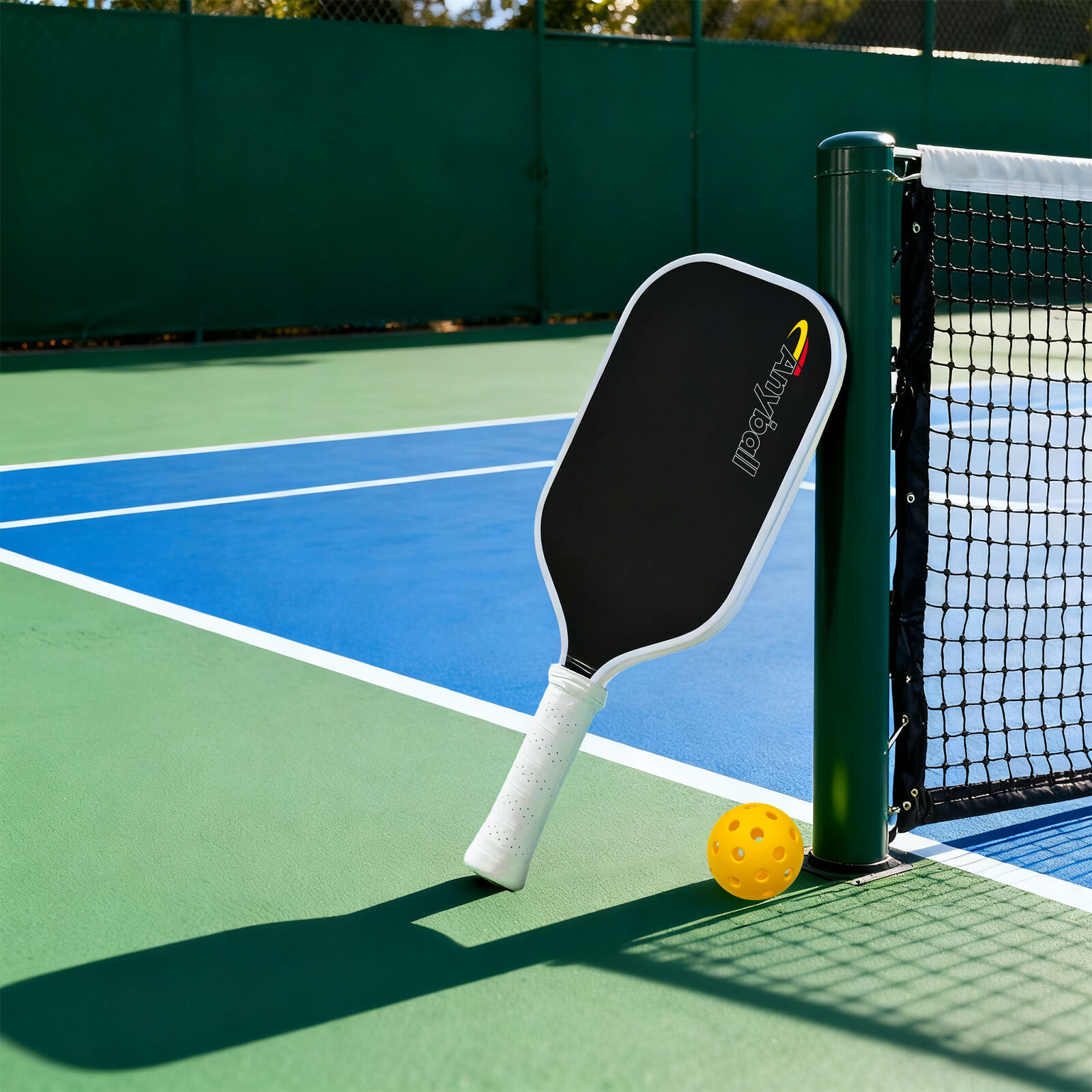
Pickleball has emerged as one of the fastest-growing sports in North America, attracting players of all ages and skill levels with its unique blend of tennis, badminton, and ping-pong elements. The success of any pickleball player heavily depends on their equipment, particularly their paddle choice. An anyball pickleball paddle represents a significant advancement in paddle technology, offering players enhanced control, power, and consistency during practice sessions and competitive matches. These paddles are engineered with precision materials and innovative design features that directly impact a player's ability to execute advanced techniques and improve their overall game performance.
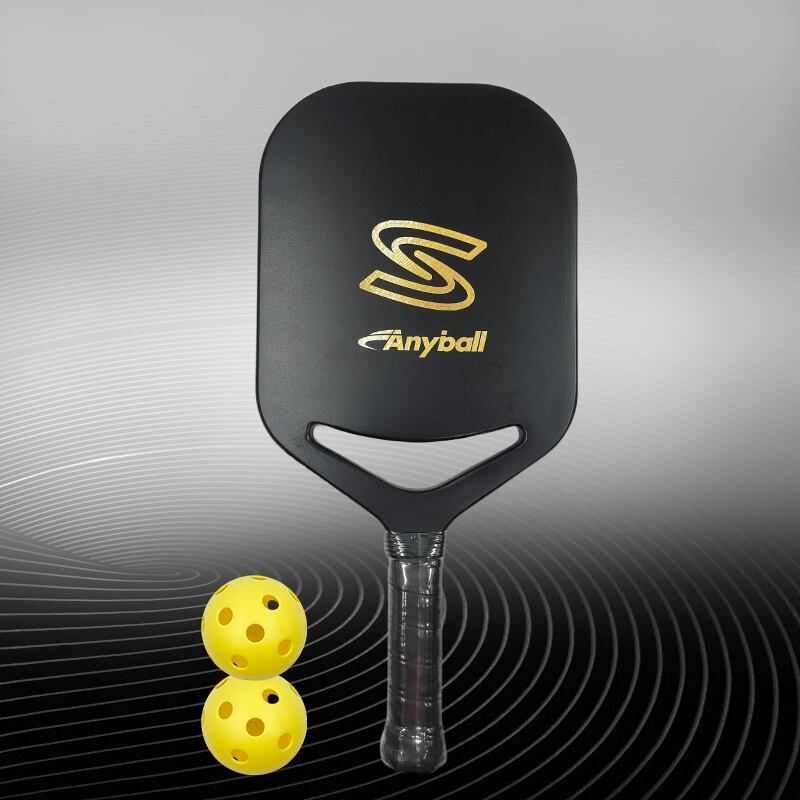
Advanced Material Technology in Modern Pickleball Paddles
Carbon Fiber Construction Benefits
The construction of an anyball pickleball paddle typically incorporates advanced carbon fiber materials that provide exceptional strength-to-weight ratios. Carbon fiber technology allows manufacturers to create paddles that maintain structural integrity while reducing overall weight, enabling players to generate faster swing speeds without sacrificing control. This material choice significantly impacts ball response time and helps players develop more consistent shot patterns during extended practice sessions.
Carbon fiber paddles also demonstrate superior vibration dampening properties compared to traditional materials like wood or aluminum. This characteristic reduces arm fatigue during long training sessions and provides players with better tactile feedback when making contact with the ball. The enhanced feel allows players to develop more nuanced shot-making abilities and improves their capacity to execute delicate drop shots and precise placement shots.
Core Thickness and Performance Impact
The 16mm thick core commonly found in high-quality anyball pickleball paddle designs represents an optimal balance between power and control characteristics. This thickness specification provides sufficient paddle mass to generate powerful drives while maintaining the responsiveness needed for quick defensive reactions at the net. Players who utilize paddles with this core thickness often report improved consistency in their shot-making and better overall court coverage.
Thicker core constructions also contribute to enhanced sweet spot dimensions, making it easier for developing players to make solid contact with the ball. This forgiving characteristic is particularly beneficial during drill work, as it allows players to focus on technique refinement rather than constantly adjusting for off-center hits. The expanded effective hitting area accelerates skill development and builds player confidence during practice sessions.
Training Drill Enhancement Through Equipment Selection
Consistency Development Exercises
Professional-grade paddles like the anyball pickleball paddle enable players to perform consistency drills with greater precision and repeatability. The uniform response characteristics of quality paddles allow players to isolate technique variables during practice, making it easier to identify and correct form issues. Consistency drills become more effective when equipment variables are minimized, allowing players to develop muscle memory more efficiently.
Cross-court and down-the-line consistency drills benefit significantly from paddle stability and predictable ball response. Players can establish rhythm patterns more easily and develop the timing necessary for competitive play. The reliable performance characteristics of quality paddles help players build confidence in their ability to execute shots under pressure, which directly translates to improved match performance.
Power and Placement Training
Advanced paddle technology facilitates more effective power development training by providing consistent energy transfer from paddle to ball. Players can focus on generating power through proper body mechanics rather than compensating for equipment limitations. This approach leads to more sustainable power generation techniques and reduces the risk of overuse injuries that can occur when players try to force power through improper form.
Placement training becomes more precise when using paddles with predictable response characteristics. Players can develop the fine motor control necessary for accurate shot placement while building the confidence to attempt challenging shots during match situations. The combination of power and placement capabilities in modern paddle designs allows players to develop a more complete skill set during practice sessions.
Technical Skill Development Through Quality Equipment
Spin Generation and Control
The surface texture and material composition of an anyball pickleball paddle plays a crucial role in spin generation capabilities. Modern paddle surfaces are engineered to provide optimal grip on the ball without creating excessive friction that could violate tournament regulations. This balance allows players to develop advanced spin techniques while maintaining compliance with official playing standards.
Spin control development requires consistent paddle response to enable players to learn proper wrist and arm positioning for different spin variations. Quality paddles provide the feedback necessary for players to understand the relationship between paddle angle, swing path, and resulting ball trajectory. This understanding is essential for developing advanced shot-making capabilities that can change the dynamics of competitive matches.
Net Play and Reaction Training
Net play requires quick reactions and precise paddle control, making equipment choice critical for effective training in this area. Lightweight paddle designs with responsive handling characteristics enable players to develop the quick hands necessary for successful net exchanges. The balance point and swing weight of quality paddles contribute to improved maneuverability during rapid-fire net exchanges.
Reaction training benefits from paddles that provide immediate feedback and consistent ball response. Players can develop the split-second decision-making skills necessary for effective net play when their equipment performs predictably. The confidence that comes from reliable equipment allows players to focus on reading their opponents and positioning themselves optimally during net exchanges.
Performance Optimization Strategies
Equipment Matching to Playing Style
Different playing styles benefit from specific paddle characteristics, making it important for players to understand how equipment selection impacts their game development. Power players may prefer paddles with specific weight distributions that enhance their ability to generate pace, while control players might focus on paddles that provide enhanced touch and feel around the net area.
The versatility of modern anyball pickleball paddle designs allows players to develop multiple aspects of their game simultaneously rather than specializing in one particular style. This balanced approach to skill development creates more complete players who can adapt their strategies based on opponents and match situations. Equipment that supports diverse playing styles accelerates overall skill development and competitive success.
Practice Session Structure and Equipment Impact
Effective practice session design incorporates equipment capabilities to maximize training outcomes. Players using high-quality paddles can structure their practice time to focus on specific skill development areas without being limited by equipment constraints. This approach leads to more efficient use of practice time and accelerated skill development across multiple game aspects.
The durability characteristics of quality paddles enable players to maintain consistent training routines without interruption from equipment failures. Reliable equipment reduces practice session disruptions and allows players to maintain focus on skill development objectives. This consistency is particularly important for players preparing for competitive tournaments or working toward specific performance goals.
Long-Term Player Development Considerations
Skill Progression and Equipment Evolution
Player skill development often requires equipment adjustments to match improving capabilities and changing playing styles. Quality paddle manufacturers design their products to accommodate skill progression, allowing players to grow with their equipment rather than constantly replacing it. This approach provides better value for players while supporting consistent skill development patterns.
The anyball pickleball paddle technology incorporates features that remain relevant as players advance through different skill levels. This design philosophy ensures that players can continue using familiar equipment while developing advanced techniques, which maintains consistency in their training approach and competitive performance.
Investment in Quality Equipment
Investing in quality paddle technology provides long-term benefits that extend beyond immediate performance improvements. Durable construction materials and proven design features ensure that players can rely on their equipment for extended periods, reducing the total cost of ownership while maintaining consistent performance characteristics throughout the paddle's lifespan.
Quality equipment also holds its performance characteristics longer than budget alternatives, meaning players can maintain consistent training conditions and competitive performance over time. This reliability factor is particularly important for serious players who depend on their equipment for tournament competition and regular training activities.
FAQ
What makes anyball pickleball paddles different from standard paddles
Anyball pickleball paddles incorporate advanced carbon fiber construction and optimized core thickness to provide superior performance characteristics compared to standard paddles. The 16mm thick core design offers an ideal balance of power and control, while the carbon fiber materials provide enhanced durability and consistent ball response. These paddles are also USAPA certified, ensuring they meet official tournament standards while delivering professional-level performance for players at all skill levels.
How do quality paddles improve practice drill effectiveness
Quality paddles like the anyball pickleball paddle improve practice effectiveness by providing consistent ball response and reliable performance characteristics. This consistency allows players to focus on technique development rather than compensating for equipment variables. The predictable paddle behavior enables more precise drill execution and helps players develop muscle memory more efficiently, leading to faster skill improvement and better competitive performance.
What paddle specifications should players prioritize for skill development
Players should prioritize paddle weight, core thickness, and surface materials when selecting equipment for skill development. A 16mm thick core provides optimal balance between power and control, while carbon fiber construction offers durability and consistent performance. Weight distribution and overall paddle balance affect maneuverability and swing speed, making these factors crucial for developing proper technique and timing during practice sessions.
How does paddle quality impact long-term player development
High-quality paddles support long-term player development by maintaining consistent performance characteristics over extended periods, allowing players to build reliable muscle memory and technique patterns. Quality construction materials resist wear and performance degradation, ensuring that training conditions remain stable as players advance through different skill levels. This consistency accelerates skill development and provides better preparation for competitive play where equipment reliability is essential for peak performance.