EN
EN


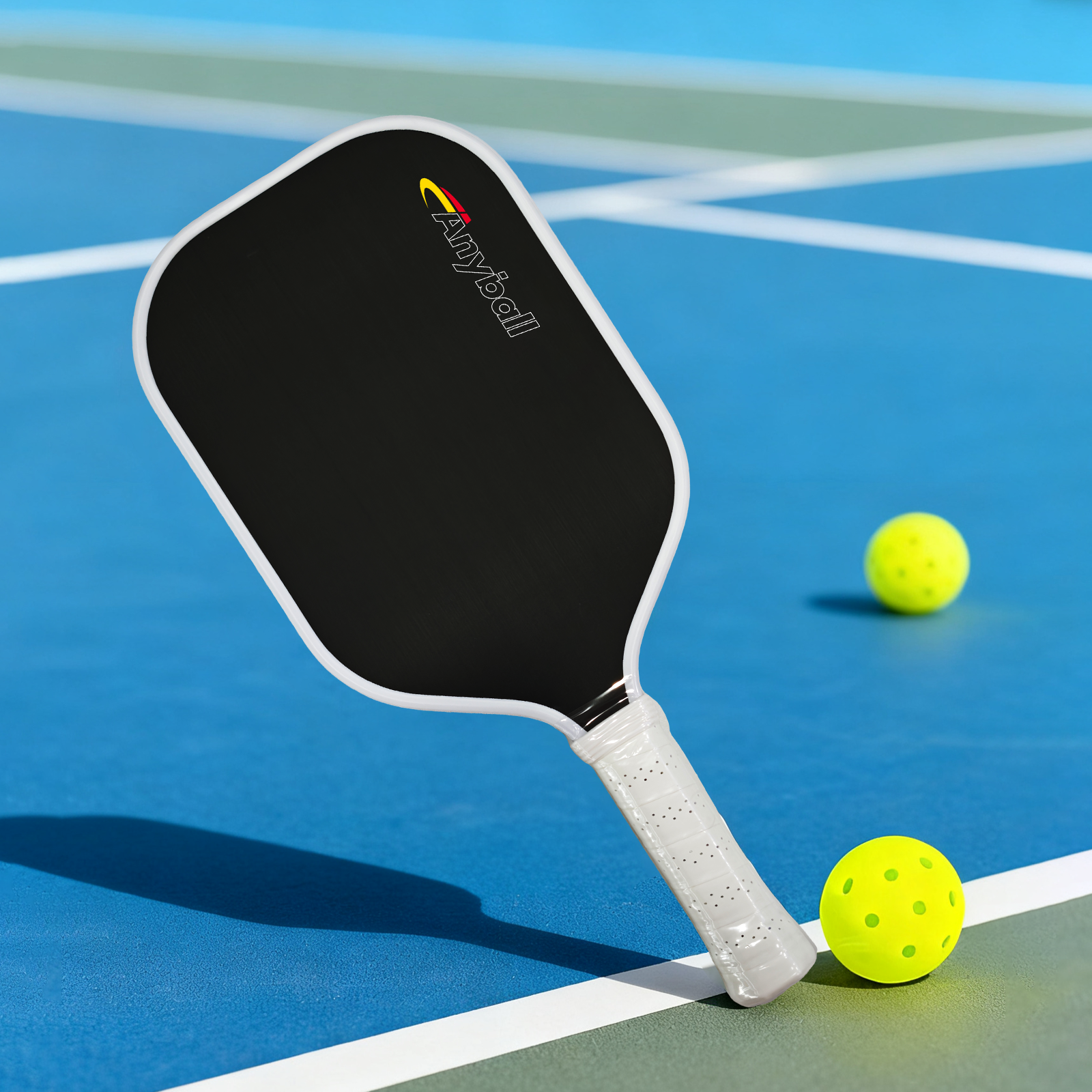
The modern pickleball market has witnessed an unprecedented surge in paddle innovation, with manufacturers constantly pushing the boundaries of materials science and engineering design. Among the leading brands making significant strides in this competitive landscape, Anyball has emerged as a distinctive force, combining cutting-edge technology with meticulous craftsmanship to create paddles that deliver exceptional performance on the court. Understanding what sets an anyball pickleball paddle apart from conventional options requires examining the sophisticated materials engineering and innovative design philosophy that drives their manufacturing process.
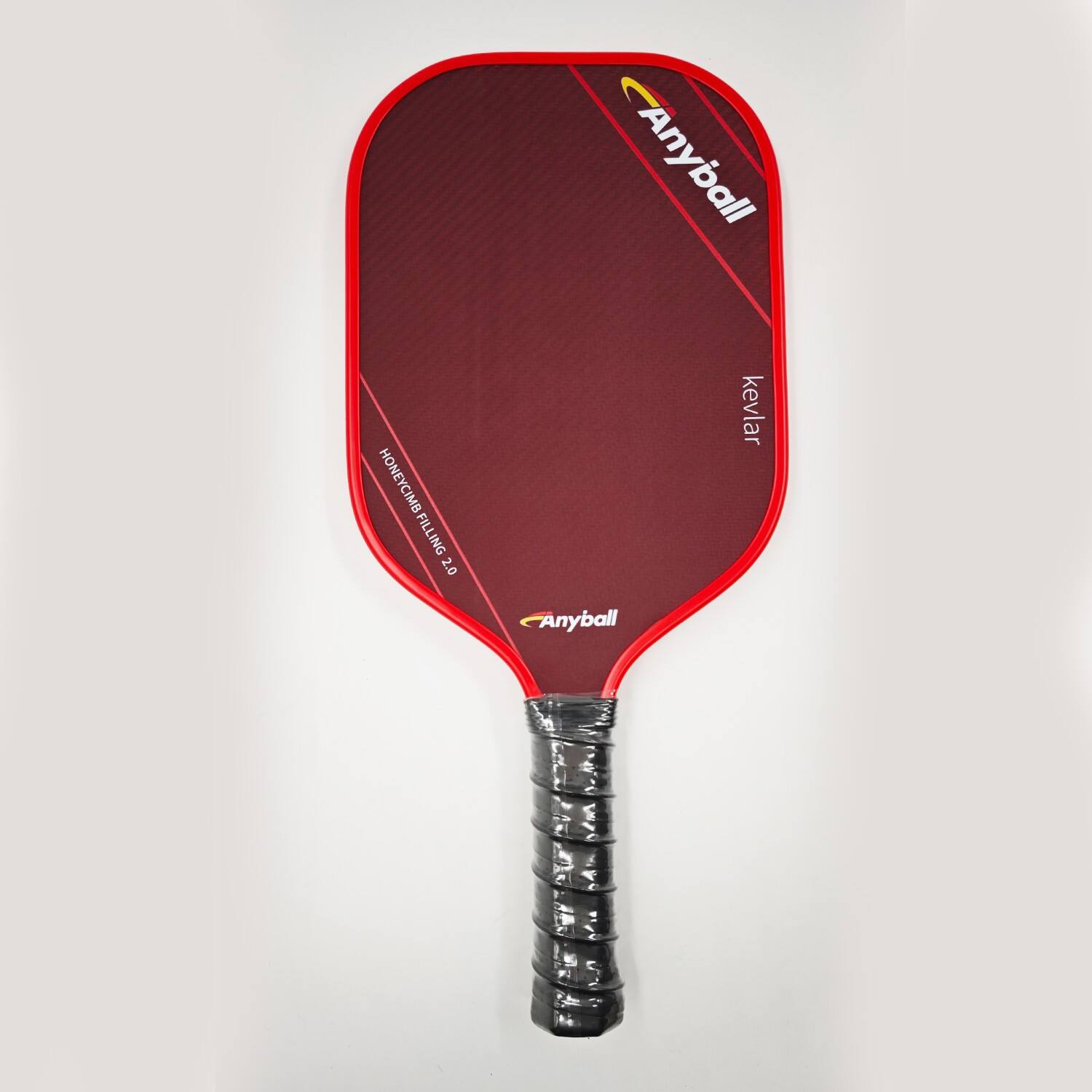
The foundation of any high-performance paddle lies in its core construction, and Anyball has invested extensively in developing proprietary materials that optimize both power and control. Their approach differs significantly from traditional paddle manufacturers who often rely on standard honeycomb cores or basic polymer compositions. The engineering team at Anyball has developed specialized core technologies that balance weight distribution while maximizing the sweet spot area, resulting in paddles that offer consistent performance across various playing styles and skill levels.
Advanced Carbon Fiber Integration Technology
Multi-Directional Carbon Fiber Weaving
The surface construction of an anyball pickleball paddle represents a masterclass in carbon fiber engineering, utilizing advanced weaving techniques that create optimal ball response characteristics. Unlike conventional paddles that employ single-direction carbon fiber layouts, Anyball implements multi-directional weaving patterns that distribute stress evenly across the paddle face. This innovative approach results in enhanced durability while maintaining the lightweight properties that competitive players demand for quick reactions and extended gameplay sessions.
The carbon fiber used in Anyball paddle construction undergoes rigorous quality control processes, ensuring each strand meets precise specifications for tensile strength and flexibility. The weaving process itself incorporates proprietary techniques that create micro-textures on the paddle surface, enhancing spin generation capabilities without compromising the smooth feel that players appreciate during soft game situations. This attention to surface engineering sets Anyball apart from competitors who often treat carbon fiber as a purely aesthetic enhancement rather than a functional performance component.
Thermoplastic Resin Bonding Systems
The bonding process that secures carbon fiber layers to the paddle core represents another area where Anyball demonstrates superior engineering capabilities. Traditional manufacturing often relies on basic epoxy resins that can become brittle over time, leading to delamination issues that plague many paddle brands. Anyball has developed advanced thermoplastic resin systems that maintain flexibility while providing exceptional adhesion strength, ensuring the paddle maintains its performance characteristics throughout extended use.
These specialized bonding agents also contribute to the paddle's overall vibration dampening properties, reducing the harsh feedback that can cause discomfort during long playing sessions. The resin formulation incorporates microscopic additives that enhance the material's resistance to temperature fluctuations, making each anyball pickleball paddle suitable for various climate conditions without performance degradation. This comprehensive approach to materials science demonstrates Anyball's commitment to creating paddles that excel in real-world playing environments.
Revolutionary Core Architecture Design
Honeycomb Hybrid Construction
The internal core structure of Anyball paddles represents a significant departure from conventional honeycomb designs that dominate the market. While traditional honeycombs provide adequate performance for recreational play, Anyball engineers recognized that serious players require more sophisticated core architectures to achieve optimal power transfer and control precision. Their hybrid construction combines multiple cell sizes within the same core, creating zones that respond differently to various impact forces and ball speeds.
This zonal approach allows the paddle to excel in different aspects of gameplay simultaneously, with larger cells providing power for aggressive shots while smaller cells enhance touch and finesse capabilities. The transition zones between different cell sizes are engineered with gradual dimensional changes, preventing the harsh boundaries that can create inconsistent ball response in lesser paddle designs. Each anyball pickleball paddle undergoes extensive testing to ensure the core architecture provides predictable performance characteristics that players can rely upon during competitive play.
Edge Guard Integration Technology
The perimeter protection system employed by Anyball demonstrates their holistic approach to paddle design, recognizing that durability extends beyond surface materials to include comprehensive edge protection. Traditional edge guards often represent weak points in paddle construction, either adding excessive weight or failing to provide adequate protection during ground strikes and net encounters. Anyball has developed integrated edge guard systems that become structural components of the paddle rather than simple protective additions.
These advanced edge guards utilize specialized polymer compounds that absorb impact energy while maintaining minimal weight addition to the overall paddle structure. The integration process bonds the edge protection directly to the core and surface materials during manufacturing, eliminating the potential separation issues that plague paddles with aftermarket edge guard applications. This seamless integration approach ensures that every aspect of the paddle contributes to its overall performance envelope while providing the protection necessary for aggressive playing styles.
Ergonomic Handle Engineering Excellence
Grip Size Optimization Studies
The handle design of an anyball pickleball paddle reflects extensive biomechanical research into player hand dynamics and grip preferences across different skill levels and playing styles. Rather than offering generic grip sizes that attempt to satisfy average requirements, Anyball conducted comprehensive studies analyzing hand measurements, grip pressure patterns, and comfort preferences among thousands of players. This research foundation enabled the development of handle profiles that accommodate natural hand positions while reducing fatigue during extended play sessions.
The grip circumference and shape variations available in Anyball paddle lines result from this scientific approach to ergonomics, ensuring that players can find options that complement their individual hand characteristics. The handle construction itself incorporates advanced materials that provide optimal tackiness without requiring excessive grip pressure, reducing the risk of tennis elbow and other repetitive stress injuries that can develop from poorly designed paddle handles.
Vibration Dampening Handle Technology
Beyond basic ergonomics, Anyball handles incorporate sophisticated vibration dampening technologies that filter harsh impact feedback before it reaches the player's hand and arm. Traditional paddle handles often transmit excessive vibration during off-center hits, creating discomfort and potentially contributing to injury development over time. The engineering team at Anyball developed multi-layer handle construction techniques that interrupt vibration transmission pathways while maintaining the solid feel that competitive players prefer.
These vibration control systems utilize strategically placed dampening materials within the handle structure, creating zones that absorb different frequency ranges of impact vibration. The result is an anyball pickleball paddle that provides clean feedback for shot placement while eliminating the harsh sensations that can distract from gameplay focus. This attention to player comfort demonstrates Anyball's understanding that peak performance requires equipment that enhances rather than hinders the player's natural abilities.
Surface Texture Innovation for Spin Control
Micro-Texture Surface Engineering
The surface texture characteristics of Anyball paddles represent breakthrough achievements in spin generation technology, utilizing advanced manufacturing processes to create precisely controlled surface patterns. Unlike paddles that rely on added grit or rough coatings that can wear away over time, Anyball integrates texture directly into the paddle surface during the manufacturing process. This approach ensures consistent spin generation capabilities throughout the paddle's lifespan while maintaining compliance with tournament regulations.
The micro-texture patterns are engineered using computer-controlled manufacturing equipment that creates uniform surface variations measured in micrometers. These precise textures interact with ball surfaces to generate optimal spin rates without creating excessive drag that could slow down aggressive shots. Players using an anyball pickleball paddle report enhanced ability to execute complex spin combinations while maintaining the power necessary for winning shots, demonstrating the effectiveness of this advanced surface engineering approach.
Temperature-Resistant Surface Coatings
Environmental conditions significantly impact paddle performance, particularly regarding surface characteristics that affect ball interaction. Anyball addresses these challenges through development of specialized surface coatings that maintain consistent performance across wide temperature ranges and humidity conditions. Traditional paddle surfaces often become slippery in humid conditions or lose their texture effectiveness in extreme temperatures, creating unpredictable performance that can affect match outcomes.
The coating systems used on Anyball paddles incorporate nanotechnology additives that regulate surface properties regardless of environmental conditions. These coatings provide consistent ball grip and spin generation whether playing in hot, dry climates or cool, humid environments. The durability of these coatings exceeds traditional surface treatments, ensuring that each anyball pickleball paddle maintains its performance characteristics throughout extensive use in various playing conditions.
Weight Distribution and Balance Engineering
Dynamic Balance Point Optimization
The balance characteristics of a pickleball paddle significantly influence playing performance, affecting everything from swing speed to shot precision and player fatigue levels. Anyball engineers utilize advanced computer modeling and extensive player testing to determine optimal balance points for different playing styles and preferences. Rather than adopting generic balance formulas, each paddle design undergoes individual optimization to achieve specific performance goals while maintaining overall structural integrity.
The balance point engineering process considers not only static weight distribution but also dynamic characteristics that emerge during actual gameplay. Factors such as swing momentum, impact energy transfer, and recovery speed between shots all influence the optimal balance configuration for competitive play. Anyball paddles demonstrate superior balance characteristics that enhance player control while reducing the energy expenditure required for quick directional changes and rapid-fire exchanges at the net.
Strategic Weight Placement Technology
Beyond overall balance points, Anyball incorporates strategic weight placement techniques that optimize specific performance aspects without compromising overall paddle handling characteristics. This approach involves placing carefully calculated weight distributions in precise locations throughout the paddle structure, creating enhanced sweet spot areas and improved stability during off-center impacts. The weight placement strategy varies among different paddle models to accommodate varying player preferences and playing styles.
The materials used for strategic weight placement include advanced metal alloys and dense polymer compounds that provide maximum impact per gram added to the paddle structure. This precision approach ensures that each anyball pickleball paddle delivers the intended performance characteristics without unnecessary weight penalties that could affect swing speed or maneuverability. The result is a paddle that feels balanced and responsive while providing enhanced performance in targeted areas of gameplay.
Quality Assurance and Testing Protocols
Comprehensive Durability Testing
The manufacturing quality of Anyball paddles reflects rigorous testing protocols that simulate years of competitive play under controlled laboratory conditions. Each paddle design undergoes extensive durability testing that includes impact resistance, delamination resistance, and surface wear analysis. These tests exceed industry standards and provide valuable data for continuous improvement of materials and construction techniques used in production.
The testing protocols also include environmental stress tests that expose paddles to extreme temperature cycles, humidity variations, and UV radiation exposure. This comprehensive approach ensures that every anyball pickleball paddle maintains its performance characteristics regardless of storage conditions or playing environments. The data collected from these extensive testing programs directly influences design refinements and materials selection for future paddle developments.
Player Performance Validation Studies
Beyond laboratory testing, Anyball conducts extensive player validation studies that involve competitive players at various skill levels using prototype paddles in real gameplay situations. These studies provide crucial feedback regarding how laboratory performance translates to actual playing conditions and help identify areas where theoretical performance may not align with practical player needs. The feedback from these studies directly influences final design specifications and manufacturing parameters.
The validation process includes both quantitative measurements and qualitative feedback from players, creating a comprehensive understanding of how each paddle performs across different playing styles and skill levels. This player-centric approach to development ensures that each anyball pickleball paddle delivers meaningful performance improvements that enhance the playing experience rather than simply meeting technical specifications that may not translate to competitive advantages on the court.
FAQ
What makes Anyball paddle materials different from other carbon fiber paddles
Anyball utilizes multi-directional carbon fiber weaving techniques combined with advanced thermoplastic resin bonding systems, creating superior durability and consistent performance compared to conventional single-direction carbon fiber construction. The proprietary weaving patterns and specialized bonding agents result in paddles that maintain their performance characteristics longer while providing enhanced spin generation capabilities through engineered surface micro-textures.
How does the core construction affect paddle performance
The hybrid honeycomb core architecture in Anyball paddles features variable cell sizes that create different response zones within the same paddle, allowing for both power generation and precise control depending on impact location. This zonal approach provides more versatile performance compared to uniform honeycomb cores, enabling players to excel in various aspects of gameplay with a single paddle.
What testing processes ensure Anyball paddle quality
Each anyball pickleball paddle undergoes comprehensive laboratory testing including impact resistance, delamination analysis, environmental stress testing, and extensive player validation studies. These rigorous protocols exceed industry standards and ensure consistent performance across various playing conditions while providing data for continuous product improvement and materials optimization.
How do Anyball paddles maintain performance in different weather conditions
Anyball incorporates temperature-resistant surface coatings with nanotechnology additives that regulate surface properties regardless of environmental conditions. These specialized coatings ensure consistent ball grip and spin generation across wide temperature and humidity ranges, maintaining predictable performance characteristics that players can rely upon during competitive play in various climates.