EN
EN


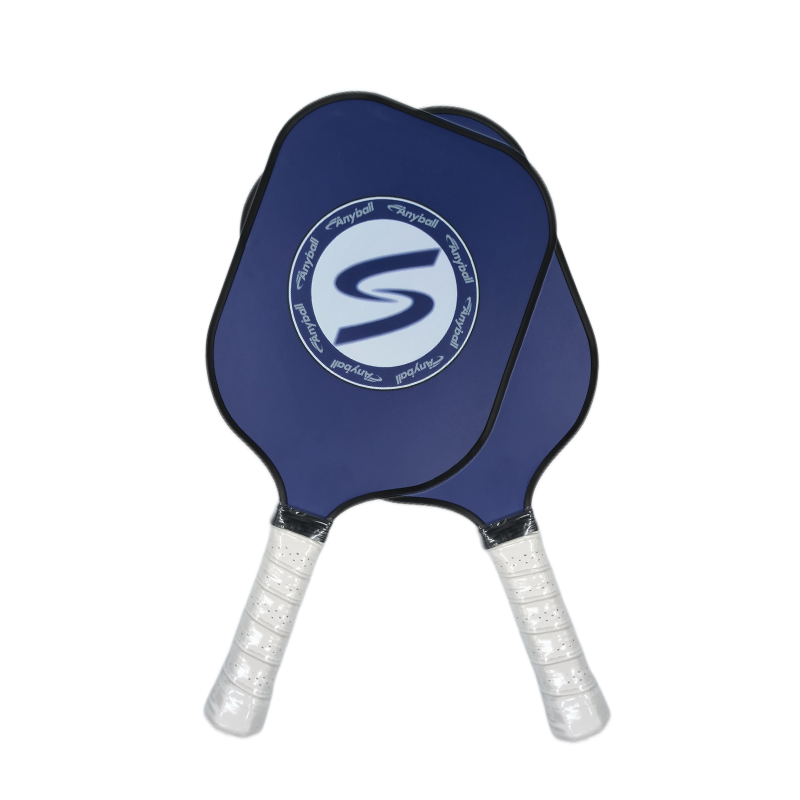
Carbon fiber pickleball paddles have revolutionized the sport by offering players unprecedented control, power, and precision. These advanced paddles combine lightweight construction with exceptional strength, making them the preferred choice for competitive players and recreational enthusiasts alike. The unique properties of carbon fiber materials provide distinct advantages over traditional paddle materials, transforming how players approach their game strategy and shot execution.
The engineering behind carbon fiber pickleball paddles involves sophisticated manufacturing processes that create a paddle surface with optimal stiffness-to-weight ratios. Professional manufacturers utilize aerospace-grade carbon fiber weaving techniques to ensure consistent performance characteristics throughout the paddle face. This advanced construction methodology results in paddles that deliver superior ball response while maintaining excellent durability under intense playing conditions.
Players who transition to carbon fiber pickleball paddles often notice immediate improvements in their shot consistency and ball placement accuracy. The material's inherent properties allow for better energy transfer from the player's swing to the ball, creating more powerful shots with less effort. Additionally, the reduced weight compared to traditional materials enables faster paddle movement and improved reaction times during fast-paced exchanges.
Advanced Carbon Fiber Construction Technology
Material Composition and Weave Patterns
The construction of carbon fiber pickleball paddles begins with selecting premium carbon fiber materials that meet strict quality standards. Manufacturers utilize various weave patterns, including plain weave, twill weave, and unidirectional carbon fiber arrangements, each contributing specific performance characteristics. The plain weave pattern provides balanced stiffness in both directions, while twill weaves offer enhanced flexibility and impact resistance.
Advanced carbon fiber pickleball paddles incorporate multiple layers of carbon fiber fabric, strategically positioned to optimize strength distribution across the paddle surface. The layering process involves precise fiber orientation angles that maximize power transfer while maintaining excellent control characteristics. This multi-layer approach ensures that players experience consistent performance regardless of where the ball contacts the paddle face.
The resin systems used in carbon fiber pickleball paddles play a crucial role in determining final performance characteristics. High-quality epoxy resins provide excellent adhesion between carbon fiber layers while maintaining flexibility under various temperature conditions. The curing process involves controlled temperature and pressure applications that create a uniform composite structure throughout the paddle construction.
Manufacturing Precision and Quality Control
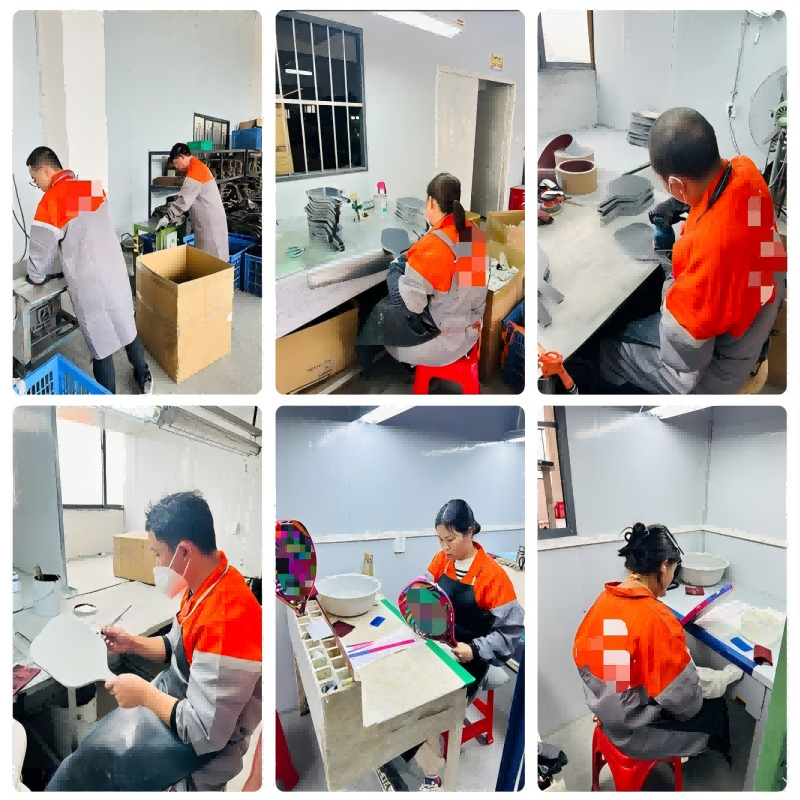
Professional manufacturers employ sophisticated quality control measures throughout the production of carbon fiber pickleball paddles to ensure consistent performance standards. Automated cutting systems ensure precise carbon fiber placement, while vacuum bagging techniques eliminate air pockets that could compromise structural integrity. These manufacturing processes require specialized equipment and skilled technicians to maintain the high standards expected by competitive players.
The molding process for carbon fiber pickleball paddles involves heated press operations that compress multiple material layers under controlled conditions. Temperature monitoring systems ensure optimal resin curing while preventing thermal damage to the carbon fiber structure. This precision manufacturing approach results in paddles with uniform thickness distribution and consistent surface characteristics across the entire paddle face.
Post-production finishing processes for carbon fiber pickleball paddles include surface texturing applications that enhance ball grip and spin generation capabilities. Specialized coating systems protect the carbon fiber surface from environmental factors while maintaining the material's natural performance advantages. These finishing touches contribute significantly to the overall playing experience and paddle longevity.
Performance Benefits of Carbon Fiber Construction
Power Generation and Energy Transfer
The stiffness characteristics of carbon fiber pickleball paddles enable superior power generation through efficient energy transfer from player swing to ball impact. Unlike softer paddle materials that absorb impact energy, carbon fiber maintains its structural integrity during ball contact, resulting in more powerful shots with consistent velocity. This enhanced power transfer capability allows players to generate impressive shot speeds while maintaining excellent control over ball placement.
Carbon fiber pickleball paddles demonstrate superior responsiveness during fast-paced gameplay situations where split-second reactions determine point outcomes. The material's high stiffness-to-weight ratio enables rapid paddle acceleration and deceleration, providing players with enhanced maneuverability during defensive and offensive exchanges. This responsiveness advantage becomes particularly noticeable during net play where quick reflexes and precise paddle positioning are essential.
The vibration dampening properties of carbon fiber pickleball paddles contribute to improved comfort and reduced fatigue during extended playing sessions. The material's ability to absorb harmful vibrations while maintaining structural stiffness protects players from repetitive stress injuries commonly associated with traditional paddle materials. This comfort advantage allows players to maintain consistent performance levels throughout longer matches and tournament play.
Precision and Control Characteristics
The uniform surface characteristics of carbon fiber pickleball paddles provide exceptional ball placement precision that competitive players demand. The consistent stiffness distribution across the paddle face ensures that ball contact points produce predictable trajectory patterns, enabling players to develop reliable shot placement strategies. This consistency advantage proves particularly valuable during strategic gameplay situations where precise ball placement determines tactical success.
Carbon fiber pickleball paddles offer superior spin generation capabilities through their textured surface characteristics and optimal stiffness properties. The material's ability to grip the ball during contact creates enhanced spin potential for both topspin and backspin shots. Players can develop more aggressive shot strategies knowing that their paddle will provide consistent spin generation performance across various contact points and swing speeds.
The stability characteristics of carbon fiber pickleball paddles reduce unwanted paddle twisting during off-center ball contacts. This stability advantage helps players maintain shot accuracy even when ball contact occurs away from the paddle's sweet spot. The reduced paddle twisting enables more forgiving gameplay while encouraging players to attempt more aggressive shot selections with confidence in their equipment's performance reliability.
Weight and Balance Optimization
Lightweight Performance Advantages
The exceptional strength-to-weight ratio of carbon fiber pickleball paddles enables manufacturers to create paddles that weigh significantly less than traditional materials while maintaining superior performance characteristics. This weight reduction provides immediate benefits in terms of reduced arm fatigue and improved swing speed capabilities. Players can maintain higher swing speeds throughout extended matches without experiencing the cumulative fatigue associated with heavier paddle designs.
Carbon fiber pickleball paddles typically weigh between 6.5 and 8.5 ounces, representing optimal weight ranges for various playing styles and preferences. The lightweight construction enables faster paddle movement during quick exchanges while providing sufficient mass for powerful shot generation. This weight optimization allows players to customize their equipment selection based on their specific playing style requirements and physical capabilities.
The reduced swing weight of carbon fiber pickleball paddles improves player maneuverability during complex shot sequences and defensive situations. Lower swing weight enables rapid paddle repositioning between shots, providing tactical advantages during fast-paced rallies. This maneuverability enhancement becomes particularly noticeable during doubles play where quick transitions between offensive and defensive positions are essential for successful team strategies.
Balance Point Engineering
Advanced carbon fiber pickleball paddles feature carefully engineered balance points that optimize paddle performance for specific playing styles and preferences. Manufacturers can adjust balance characteristics by varying carbon fiber placement and density throughout the paddle construction. Head-heavy balance configurations provide enhanced power generation, while head-light designs offer improved maneuverability and control characteristics.
The balance engineering in carbon fiber pickleball paddles involves strategic weight distribution that affects swing dynamics and shot characteristics. Paddles with balanced weight distribution provide versatile performance suitable for both power and finesse playing styles. This balance optimization enables players to adapt their gameplay strategies without requiring multiple paddle selections for different tactical situations.
Carbon fiber pickleball paddles can incorporate balance adjustment systems that allow players to fine-tune their equipment for optimal performance. These adjustment systems typically involve removable weights or grip modifications that alter the paddle's balance characteristics. Such customization capabilities enable players to experiment with different balance configurations to discover their optimal performance setup.
Durability and Longevity Features
Impact Resistance Properties
Carbon fiber pickleball paddles demonstrate exceptional impact resistance that extends their usable lifespan significantly beyond traditional paddle materials. The material's ability to absorb and distribute impact forces prevents localized damage that commonly occurs with softer paddle constructions. This durability advantage provides excellent value for players who demand consistent performance over extended periods of regular use.
The fatigue resistance characteristics of carbon fiber pickleball paddles ensure consistent performance throughout thousands of ball impacts and playing sessions. Unlike materials that gradually soften or lose stiffness over time, carbon fiber maintains its structural properties through extensive use. This consistency advantage means players can rely on predictable paddle performance without concerns about gradual performance degradation affecting their gameplay.
Carbon fiber pickleball paddles resist edge damage and surface wear that commonly affect paddles constructed from traditional materials. The material's inherent toughness prevents chip formation and surface degradation that can alter paddle aerodynamics and ball contact characteristics. This resistance to wear ensures that players maintain optimal performance capabilities throughout the paddle's extended service life.
Environmental Resistance and Maintenance
The environmental stability of carbon fiber pickleball paddles enables consistent performance across various temperature and humidity conditions commonly encountered during outdoor play. The material's resistance to thermal expansion and moisture absorption ensures dimensional stability that maintains consistent playing characteristics regardless of environmental conditions. This stability advantage provides reliable performance for players who participate in outdoor tournaments and recreational play.
Carbon fiber pickleball paddles require minimal maintenance compared to traditional paddle materials that may require regular conditioning or surface treatments. The non-porous surface characteristics resist dirt and moisture accumulation while maintaining optimal ball contact properties. Simple cleaning procedures using mild detergents and water are sufficient to maintain peak performance characteristics throughout the paddle's service life.
The UV resistance properties of quality carbon fiber pickleball paddles prevent degradation and discoloration that can affect both appearance and performance over time. Advanced resin systems and protective coatings maintain structural integrity and visual appeal even after extensive exposure to direct sunlight during outdoor play. This UV stability ensures long-term value retention for players who invest in premium carbon fiber paddle technology.
Player Performance Enhancement
Skill Development Acceleration
Carbon fiber pickleball paddles provide consistent feedback that accelerates skill development by enabling players to develop reliable shot patterns and techniques. The predictable response characteristics help players understand the relationship between swing mechanics and shot outcomes, facilitating faster improvement in fundamental skills. This consistency advantage proves particularly valuable for developing players who are establishing their foundational technique and shot selection strategies.
The enhanced control characteristics of carbon fiber pickleball paddles enable players to attempt more challenging shots with confidence in their equipment's performance reliability. This confidence boost encourages skill expansion and tactical experimentation that contributes to overall game improvement. Players can focus on developing advanced techniques knowing that their paddle will provide consistent support for their skill development efforts.
Carbon fiber pickleball paddles help players develop better timing and rhythm through their superior responsiveness and feedback characteristics. The material's ability to transmit precise impact information enables players to fine-tune their swing mechanics and contact timing more effectively. This enhanced feedback contributes to more rapid skill acquisition and technique refinement across all aspects of the game.
Competitive Advantage Benefits
Tournament-level players utilizing carbon fiber pickleball paddles gain significant competitive advantages through superior equipment performance capabilities. The combination of power, control, and consistency provides tactical flexibility that enables players to adapt their strategies based on opponent characteristics and match situations. This adaptability advantage proves crucial during high-level competitive play where equipment performance can influence match outcomes.
The reduced fatigue characteristics of carbon fiber pickleball paddles enable players to maintain peak performance levels throughout extended matches and tournament schedules. This endurance advantage becomes increasingly important during multi-match tournament formats where cumulative fatigue can significantly impact performance in later rounds. Players can maintain their optimal swing characteristics and decision-making capabilities longer than competitors using heavier or less efficient paddle designs.
Carbon fiber pickleball paddles provide psychological confidence benefits that contribute to improved match performance and competitive success. Players who trust their equipment's performance capabilities can focus more completely on strategic and tactical aspects of their gameplay. This mental advantage enables better decision-making under pressure and more aggressive shot selection when tactical situations demand risk-taking for competitive success.
FAQ
What makes carbon fiber pickleball paddles more expensive than traditional options
Carbon fiber pickleball paddles command higher prices due to the sophisticated manufacturing processes and premium materials required for their construction. The aerospace-grade carbon fiber materials and precision manufacturing techniques involve significant equipment investments and specialized expertise. Additionally, the research and development costs associated with optimizing carbon fiber paddle designs contribute to the overall pricing structure, though the superior performance and durability characteristics provide excellent long-term value for serious players.
How long do carbon fiber pickleball paddles typically last with regular use
Quality carbon fiber pickleball paddles can last several years with regular recreational play and proper maintenance, often outlasting traditional paddle materials by significant margins. Tournament-level players who practice daily and compete frequently may need replacement after 12-18 months due to intensive use, while recreational players often enjoy 3-5 years of consistent performance. The actual lifespan depends on playing frequency, impact intensity, and maintenance practices, but carbon fiber construction generally provides superior durability compared to alternative materials.
Can beginners benefit from using carbon fiber pickleball paddles immediately
Beginning players can absolutely benefit from carbon fiber pickleball paddles, though the advantages may be more subtle initially compared to experienced players who can fully utilize the advanced performance characteristics. The consistent response and enhanced control features help beginners develop proper technique more quickly by providing reliable feedback and predictable ball behavior. However, beginners should focus primarily on developing fundamental skills rather than relying solely on equipment advantages for improvement.
Do carbon fiber pickleball paddles require special care or maintenance procedures
Carbon fiber pickleball paddles require minimal special maintenance beyond basic cleaning and proper storage practices. Regular cleaning with mild soap and water removes dirt and sweat residue that could affect surface grip characteristics. Avoiding extreme temperature exposure and storing paddles in protective cases prevents unnecessary stress and potential damage. Unlike some traditional materials, carbon fiber does not require conditioning treatments or special surface preparations to maintain optimal performance characteristics throughout its service life.
Table of Contents
- Advanced Carbon Fiber Construction Technology
- Performance Benefits of Carbon Fiber Construction
- Weight and Balance Optimization
- Durability and Longevity Features
- Player Performance Enhancement
-
FAQ
- What makes carbon fiber pickleball paddles more expensive than traditional options
- How long do carbon fiber pickleball paddles typically last with regular use
- Can beginners benefit from using carbon fiber pickleball paddles immediately
- Do carbon fiber pickleball paddles require special care or maintenance procedures