EN


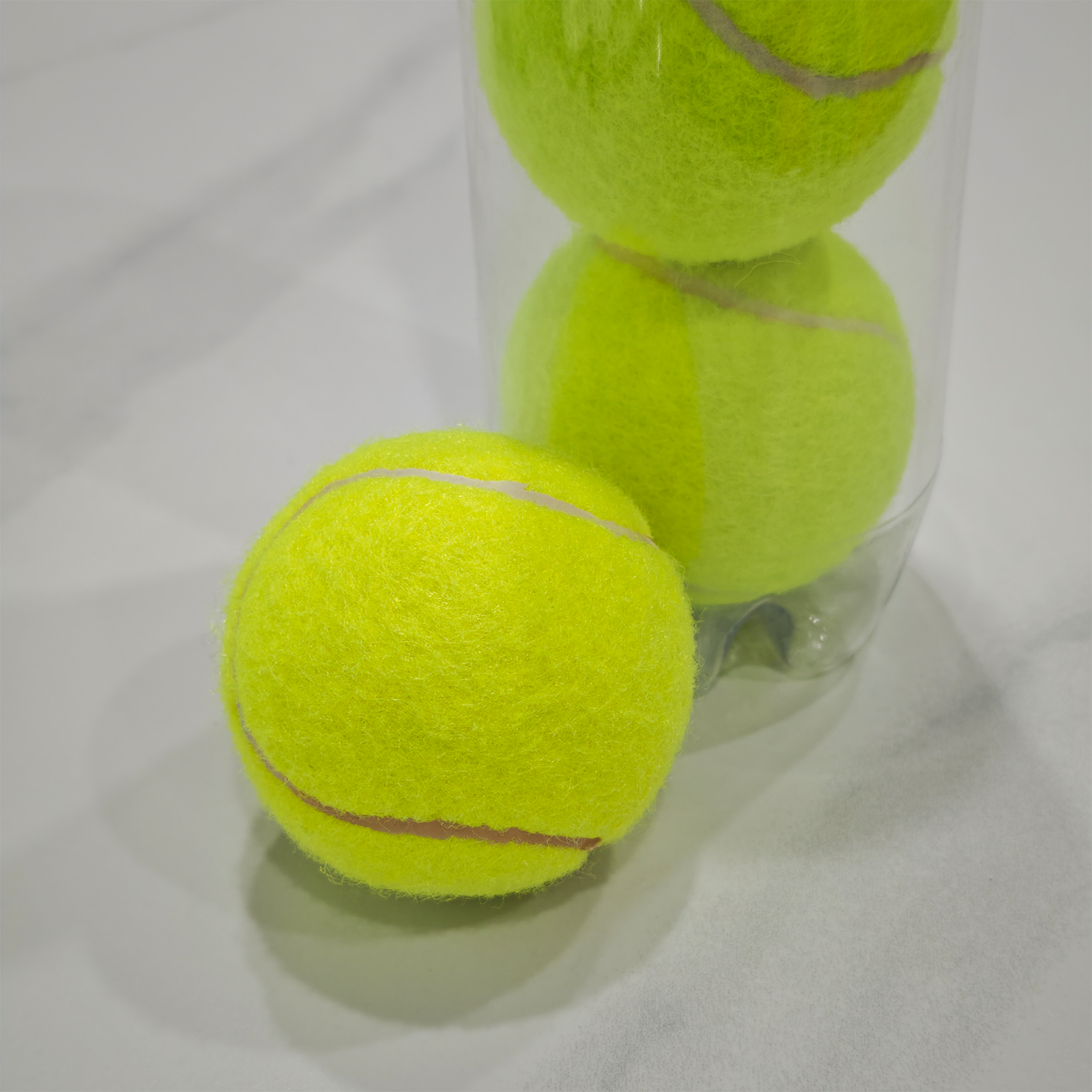
The performance of your game depends significantly on understanding how different padel ball characteristics influence speed and control across various court surfaces. Every padel ball is engineered with specific pressure levels, felt composition, and internal construction that directly impact how the ball behaves during play. When you select the wrong padel ball for your court type, you compromise both your offensive opportunities and defensive precision. The right padel ball choice becomes the foundation of consistent, confident play.
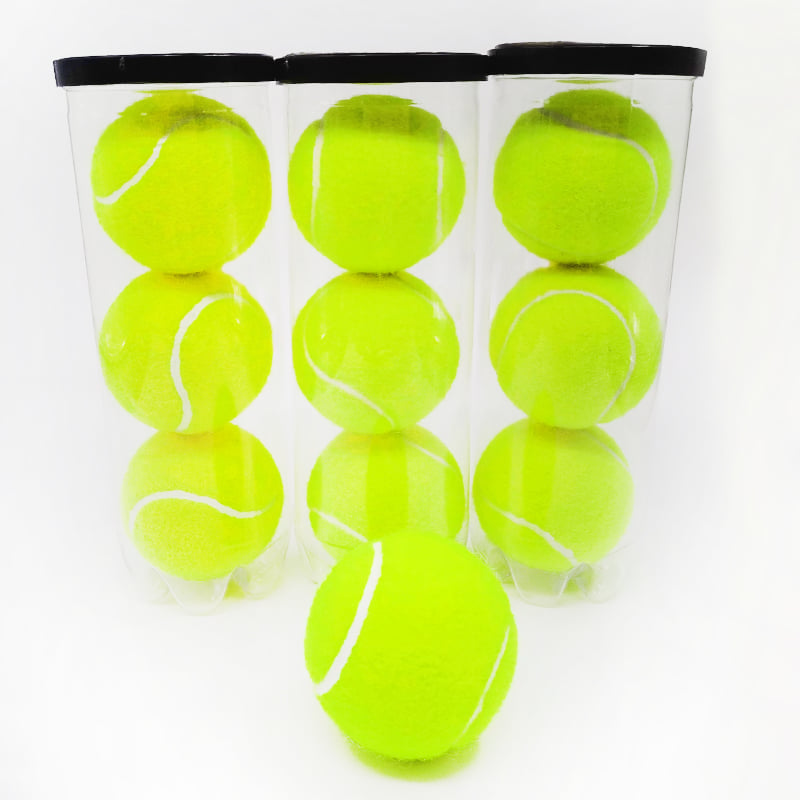
A padel ball responds differently depending on court composition, altitude, temperature, and humidity. Professional players and competitive recreational players alike must recognize that a padel ball suited for clay courts may feel sluggish on hard courts, while a padel ball optimized for high-altitude play behaves entirely differently at sea level. Understanding these dynamics allows you to make informed equipment decisions that amplify your natural playing style rather than fighting against your equipment.
Pressure and Speed Dynamics in Padel Ball Performance
How Padel Ball Pressure Influences Initial Velocity
The internal pressure of a padel ball is measured in pounds per square inch and directly determines how quickly the padel ball will travel off your racket. A padel ball with higher pressure typically generates faster ball speed off the strings because the pressurized internal gas responds more dynamically to racket impact. Tournament-grade padel balls maintain pressure levels between 1.75 and 2.05 bar, ensuring consistent velocity throughout the match. When a padel ball loses pressure over time, you notice the ball speed decreases noticeably, forcing you to adjust swing mechanics and timing.
Felt Type Impact on Padel Ball Dynamics
The felt covering your padel ball experiences direct contact with racket strings and court surfaces, affecting both speed generation and friction characteristics. Premium padel ball felt is typically constructed from wool and synthetic fiber blends that provide optimal grip on the racket face while maintaining aerodynamic efficiency. A padel ball with denser felt creates more friction, which can reduce speed slightly but increases spin potential and control precision. Conversely, a padel ball with looser felt construction allows faster ball movement but demands more technical skill to control trajectory effectively.
Court Surface Dynamics and Padel Ball Behavior
Clay Court Considerations for Padel Ball Selection
Clay courts represent the traditional padel playing surface and require specific padel ball characteristics for optimal performance. On clay courts, a padel ball moves slower overall because the soft surface absorbs energy and creates higher friction interaction. The padel ball bounce height on clay tends to be lower and more predictable compared to harder surfaces, which rewards consistent baseline play and positioning. If you select a padel ball designed for fast hard courts and play on clay, the ball will feel overly slow and may frustrate your rhythm development. Many clay court players prefer a padel ball with slightly higher pressure to compensate for the natural speed reduction that the surface creates.
Hard Court Dynamics and Padel Ball Response
Hard courts accelerate padel ball speed dramatically compared to clay because the rigid surface transfers maximum energy back into the ball. When you strike a padel ball on hard courts, the ball rebounds with significantly faster velocity and exhibits higher bounce characteristics. The padel ball demands more precision and control in these conditions because the margin for error shrinks considerably. Hard court padel balls typically feature slightly lower pressure ratings to prevent excessive speed and maintain playability at aggressive tempos. A padel ball engineered for hard courts generally provides superior control compared to a padel ball designed for slower clay surfaces.
Environmental Factors Affecting Padel Ball Control and Performance
Temperature and Atmospheric Pressure Effects on Padel Ball Behavior
The external environment significantly modifies how your padel ball performs regardless of its internal construction. Cold temperatures reduce the air pressure inside the padel ball, which causes the ball to move slower and respond with less liveliness off your racket. Conversely, hot weather increases internal pressure within the padel ball, resulting in faster velocity and bouncier ball characteristics. High-altitude locations present unique challenges because lower atmospheric pressure affects the padel ball's movement patterns substantially compared to sea-level play. Professional tournaments often use different padel ball specifications for high-altitude versus sea-level venues specifically to maintain consistent gameplay dynamics.
Humidity and Felt Moisture Impact on Control
Humid conditions cause the felt on your padel ball to absorb moisture, which alters surface friction and spin characteristics dramatically. When a padel ball absorbs moisture from humidity, the felt becomes heavier and grips better on the racket strings, enabling enhanced spin generation. However, this same moisture absorption can reduce the padel ball's speed capacity because the added weight requires more racket acceleration. Indoor courts with controlled humidity provide more consistent padel ball behavior than outdoor courts where humidity fluctuates throughout matches. Players competing outdoors must factor in humidity changes that gradually affect how the padel ball responds throughout the day.
Practical Selection Strategies for Different Playing Styles
Matching Padel Ball Characteristics to Aggressive Playing
Aggressive players benefit from choosing a padel ball that emphasizes speed and responsiveness to maximize offensive opportunities. For aggressive play styles, select a padel ball with higher pressure ratings and thinner felt construction that prioritizes ball velocity over control. An aggressive player using this padel ball profile can generate faster rally tempo and maintain offensive pressure more effectively. The trade-off is that this type of padel ball demands superior technical consistency because faster ball speed reduces margin for error. Tournament professionals frequently favor this padel ball specification because the speed advantage outweighs the control challenges once technique matures.
Defensive Play Optimization with Control-Focused Padel Balls
Defensive and control-oriented players should prioritize padel ball options featuring higher felt density and lower pressure specifications. This padel ball category excels at providing maximum friction for spin generation and enables precise placement on both offensive and defensive shots. Control-focused players using this padel ball profile develop superior touch and court positioning because the slower ball movement allows more reaction time. The padel ball's reduced speed also forgives minor timing errors and technical imperfections that would otherwise result in unforced errors. Many recreational players and intermediate competitors find this padel ball style more forgiving and confidence-building than ultra-fast tournament-grade options.
FAQ
Can a single padel ball perform well on both clay and hard courts?
Most multi-court padel balls represent compromise designs that perform adequately on various surfaces but excel on none specifically. A properly designed padel ball can transition between court types if pressure and felt characteristics fall within moderate ranges, but performance optimization requires court-specific selection. Professional players typically rotate between different padel ball types depending on which court surface they're practicing or competing on that day.
How often should I replace my padel balls to maintain optimal performance?
Tournament-level padel balls typically maintain peak performance for 3 to 4 hours of competitive play before pressure begins declining noticeably. Recreational players might use a padel ball set for several weeks without performance degradation if play is moderate intensity. Checking your padel ball pressure regularly using a gauge helps determine when replacement becomes necessary rather than relying on estimated timeframes.
Does altitude really affect how a padel ball behaves during play?
Yes, altitude significantly impacts padel ball behavior because lower atmospheric pressure at high elevations reduces air density surrounding the ball. A padel ball at 2,000 meters elevation travels faster and bounces higher than the identical padel ball at sea level, requiring adjustment to technique and court positioning. Professional tournaments held at high-altitude venues often mandate specific padel ball pressure specifications to ensure fair competition.