EN
EN


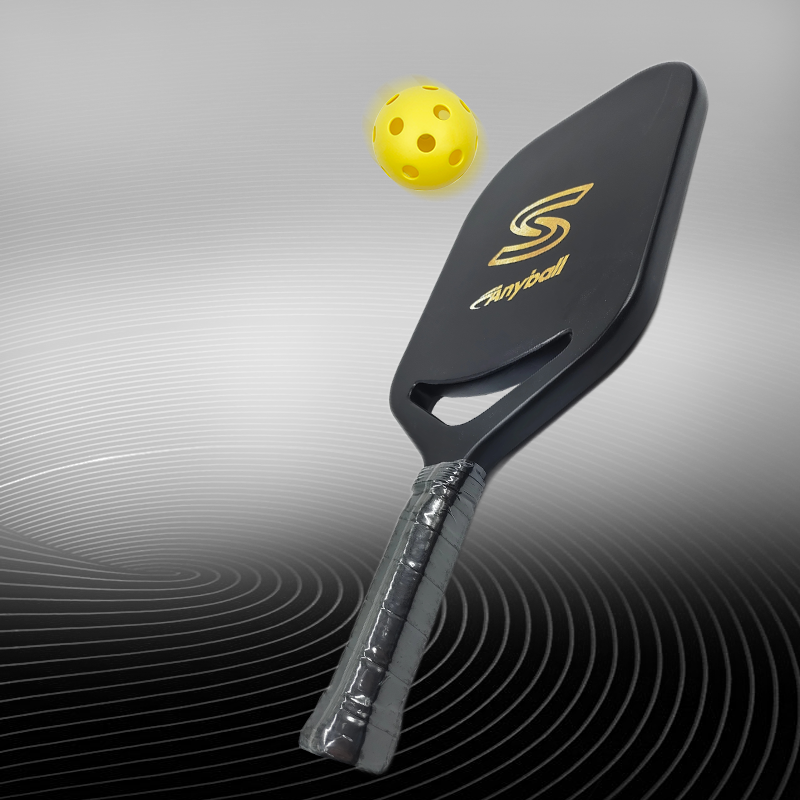
The weight of a pickleball paddle significantly influences your playing performance, control, and overall game experience. When choosing between lightweight pickleball paddles and heavier alternatives, players must consider their playing style, physical capabilities, and strategic preferences. Understanding the distinct advantages of each weight category helps players make informed decisions that can elevate their game to new levels of excellence.
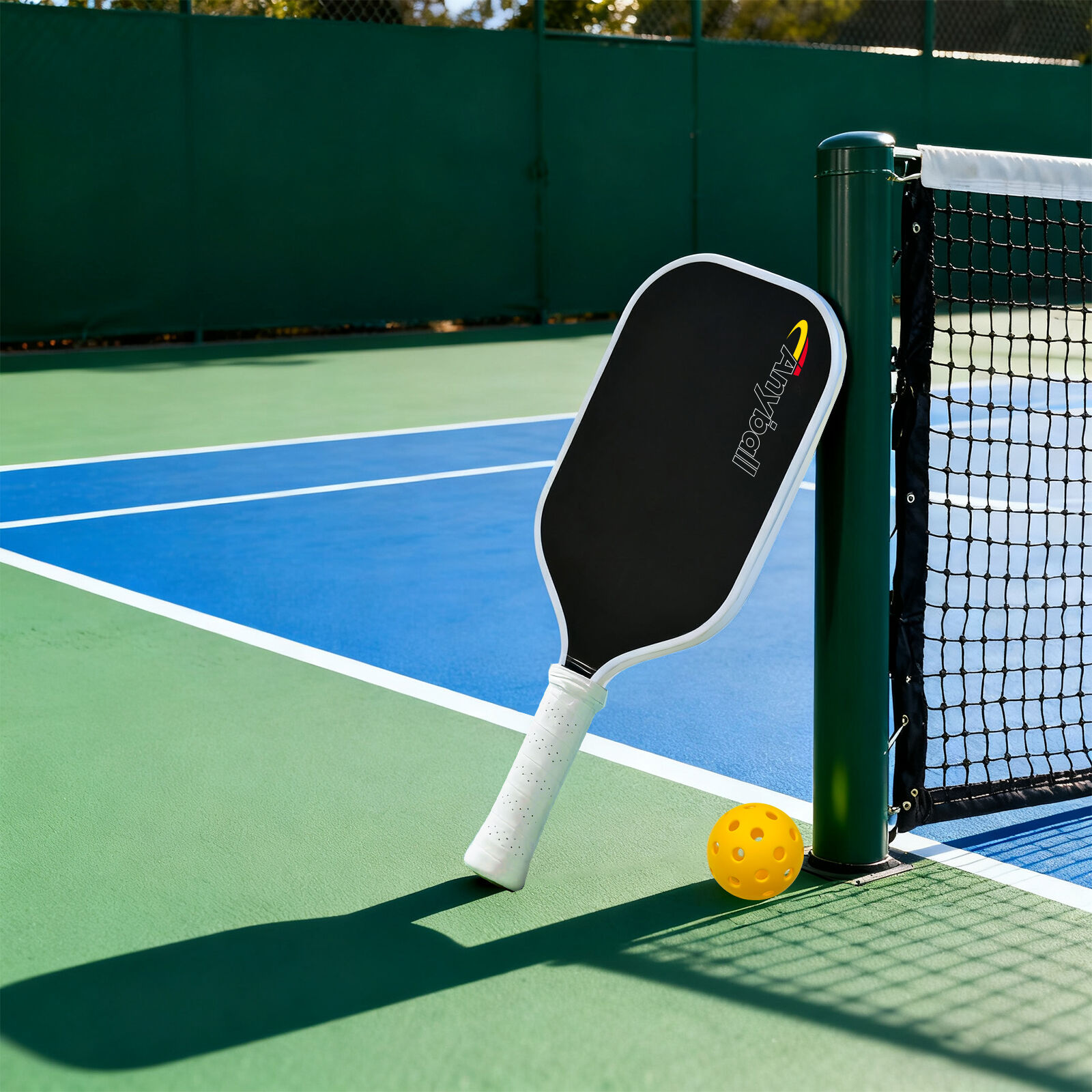
The pickleball equipment market offers paddles ranging from approximately 6 ounces to 14 ounces, with lightweight pickleball paddles typically falling between 6 to 7.3 ounces, while heavy paddles range from 8.5 to 14 ounces. This weight variation creates distinctly different playing characteristics that can dramatically impact your performance on the court. The choice between these weight categories involves understanding how paddle mass affects swing speed, power generation, maneuverability, and fatigue levels during extended play sessions.
Performance Characteristics of Lightweight Pickleball Paddles
Enhanced Maneuverability and Quick Response
Lightweight pickleball paddles excel in providing exceptional maneuverability during fast-paced rallies and net play situations. The reduced mass allows players to quickly adjust their paddle position, making split-second defensive shots and precise placement shots more achievable. This enhanced responsiveness becomes particularly valuable during dinking exchanges and close-net battles where rapid paddle adjustments determine point outcomes.
The superior maneuverability of lightweight pickleball paddles translates into improved reaction times when facing powerful drives or unexpected ball trajectories. Players can more easily execute backhand and forehand transitions, creating smoother stroke mechanics that reduce the likelihood of mis-hits. This agility advantage proves especially beneficial for players who prefer aggressive net positioning and quick volleying strategies.
Reduced Arm Fatigue and Extended Play Comfort
One of the most significant advantages of lightweight pickleball paddles involves the reduction of arm and shoulder fatigue during extended playing sessions. The lower mass requires less muscular effort to swing and control, allowing players to maintain consistent performance levels throughout longer matches or tournament play. This fatigue reduction becomes increasingly important as players age or deal with joint sensitivity issues.
Players using lightweight pickleball paddles often report improved endurance and sustained accuracy during multi-game sessions. The reduced physical strain on arm muscles, tendons, and joints contributes to better long-term playing health and reduced risk of repetitive stress injuries. This comfort advantage makes lightweight options particularly appealing for recreational players and those participating in extended tournament formats.
Power Generation and Control Benefits of Heavy Paddles
Enhanced Power Output and Drive Performance
Heavy pickleball paddles generate significantly more power through increased paddle head momentum during swing execution. The additional mass creates greater kinetic energy transfer to the ball, resulting in more forceful drives, serves, and overhead shots. This power advantage becomes particularly noticeable when players need to execute passing shots or defensive lobs from baseline positions.
The momentum generated by heavier paddles allows players to achieve greater ball velocity with seemingly less effort, as the paddle weight contributes to power generation rather than relying solely on arm strength. This mechanical advantage proves beneficial for players who prefer power-based strategies or need to compensate for limited upper body strength through equipment selection.
Improved Stability and Shot Consistency
Heavy paddles provide enhanced stability during ball contact, reducing paddle twist and vibration that can affect shot accuracy. The increased mass creates a more solid hitting platform that maintains better alignment through impact zones, resulting in more consistent ball trajectories and placement. This stability advantage becomes particularly valuable when facing powerful incoming shots that might otherwise jar lighter paddles.
The enhanced stability of heavier paddles contributes to improved control during volleys and block shots, where maintaining paddle face angle proves critical for successful execution. Players often experience better touch and feel when using heavier paddles for delicate shots around the net, as the additional mass dampens unwanted paddle movement and provides more predictable ball response.
Strategic Considerations for Different Playing Styles
Aggressive Net Play and Quick Exchange Scenarios
Players who favor aggressive net positioning and rapid exchange sequences typically benefit from lightweight pickleball paddles due to their superior maneuverability characteristics. The reduced mass allows for quicker paddle preparation and more efficient transition between offensive and defensive positions during intense rallies. This advantage proves particularly valuable in doubles play where court coverage and reaction speed determine point outcomes.
Fast-paced playing styles that emphasize quick hands and rapid fire exchanges favor the responsiveness of lightweight pickleball paddles. Players can execute consecutive volleys with less physical strain while maintaining precise paddle control throughout extended rally sequences. This playing style alignment makes lightweight options ideal for players who prefer finesse-based strategies over power-oriented approaches.
Baseline Power Game and Defensive Strategies
Players who prefer baseline positioning and power-oriented strategies often gravitate toward heavier paddles for their enhanced drive capabilities. The additional mass facilitates more effective passing shots, powerful cross-court drives, and commanding serves that can control rally tempo and court positioning. Heavy paddles excel in situations requiring maximum ball velocity and penetrating shot depth.
Defensive specialists frequently choose heavier paddles for their superior blocking and counter-attacking capabilities. The increased mass provides better resistance against powerful incoming shots while generating adequate pace for defensive returns. This strategic alignment makes heavy paddles valuable tools for players who build points through patient defensive play and opportunistic counter-attacks.
Physical Considerations and Player Demographics
Age-Related Factors and Joint Health
Mature players and those with joint sensitivity concerns often find lightweight pickleball paddles more comfortable for extended play sessions. The reduced mass minimizes stress on elbow, shoulder, and wrist joints while maintaining adequate performance capabilities for recreational and competitive play. This comfort consideration becomes increasingly important as players age and prioritize injury prevention over maximum power output.
Players recovering from arm injuries or dealing with conditions like tennis elbow frequently benefit from transitioning to lightweight pickleball paddles during rehabilitation periods. The reduced swing weight allows continued participation while minimizing stress on healing tissues. This therapeutic advantage makes lightweight options valuable tools for maintaining playing activity during recovery phases.
Strength and Athletic Conditioning Factors
Players with limited upper body strength or those new to racquet sports often find lightweight pickleball paddles more manageable during skill development phases. The reduced mass allows focus on stroke mechanics and court positioning without the additional challenge of controlling heavier equipment. This learning advantage helps beginners develop proper technique foundations before potentially transitioning to heavier paddles.
Athletic players with strong upper body conditioning may prefer heavier paddles to maximize their physical advantages through enhanced power generation. The additional mass allows these players to leverage their strength effectively while providing the stability needed for consistent shot execution. This strength-based approach aligns well with power-oriented playing strategies and aggressive court positioning.
Equipment Selection and Performance Optimization
Trial Period Recommendations and Adaptation Strategies
Selecting between lightweight pickleball paddles and heavier alternatives requires hands-on testing to evaluate personal comfort and performance characteristics. Most equipment specialists recommend trial periods ranging from several practice sessions to full tournament play before making final decisions. This testing approach allows players to experience how different paddle weights affect their specific playing style and physical comfort levels.
Adaptation strategies for transitioning between paddle weights involve gradual adjustment periods and modified practice routines. Players switching to lightweight pickleball paddles may initially experience reduced power output but typically adapt within several playing sessions. Conversely, players transitioning to heavier paddles may experience initial fatigue but often develop improved strength and control over time.
Hybrid Approaches and Equipment Rotation
Some advanced players utilize multiple paddle weights for different playing situations and opponent matchups. This strategic approach involves using lightweight pickleball paddles for extended tournament play or against aggressive net players, while employing heavier paddles against defensive opponents or during power-focused practice sessions. This equipment rotation strategy maximizes tactical flexibility and playing effectiveness.
Equipment rotation also provides training benefits by challenging players to adapt their stroke mechanics and strategic approaches based on paddle characteristics. This variation helps develop more complete playing skills and reduces over-reliance on specific equipment attributes. The hybrid approach proves particularly valuable for competitive players seeking to optimize their performance across diverse playing scenarios.
FAQ
What weight range qualifies as lightweight for pickleball paddles
Lightweight pickleball paddles typically range from 6.0 to 7.3 ounces, with most manufacturers categorizing paddles under 7.5 ounces as lightweight options. This weight category provides enhanced maneuverability and reduced arm fatigue while maintaining adequate power for most playing situations. Players should consider their physical strength and playing style when determining the optimal weight within this range.
How does paddle weight affect playing performance during tournaments
Tournament play demands sustained performance over multiple matches, making paddle weight a critical factor in maintaining consistency and preventing fatigue. Lightweight pickleball paddles excel in tournament environments by reducing cumulative arm strain and maintaining quick reaction capabilities throughout extended play periods. However, some players may sacrifice power output when choosing lighter options for tournament competition.
Can switching paddle weights improve specific aspects of my game
Transitioning between paddle weights can address specific performance limitations and enhance particular aspects of playing technique. Players struggling with arm fatigue may benefit from lightweight pickleball paddles, while those needing more power might improve with heavier options. The key involves identifying specific performance goals and selecting paddle weight characteristics that support those objectives through proper equipment matching.
What factors should beginners consider when choosing paddle weight
Beginning players should prioritize comfort and maneuverability over maximum power output when selecting paddle weight categories. Lightweight pickleball paddles typically provide better learning experiences by allowing focus on stroke development without equipment-related challenges. New players should also consider their physical conditioning, age, and injury history when making weight decisions to ensure long-term playing enjoyment and skill development success.