EN
EN


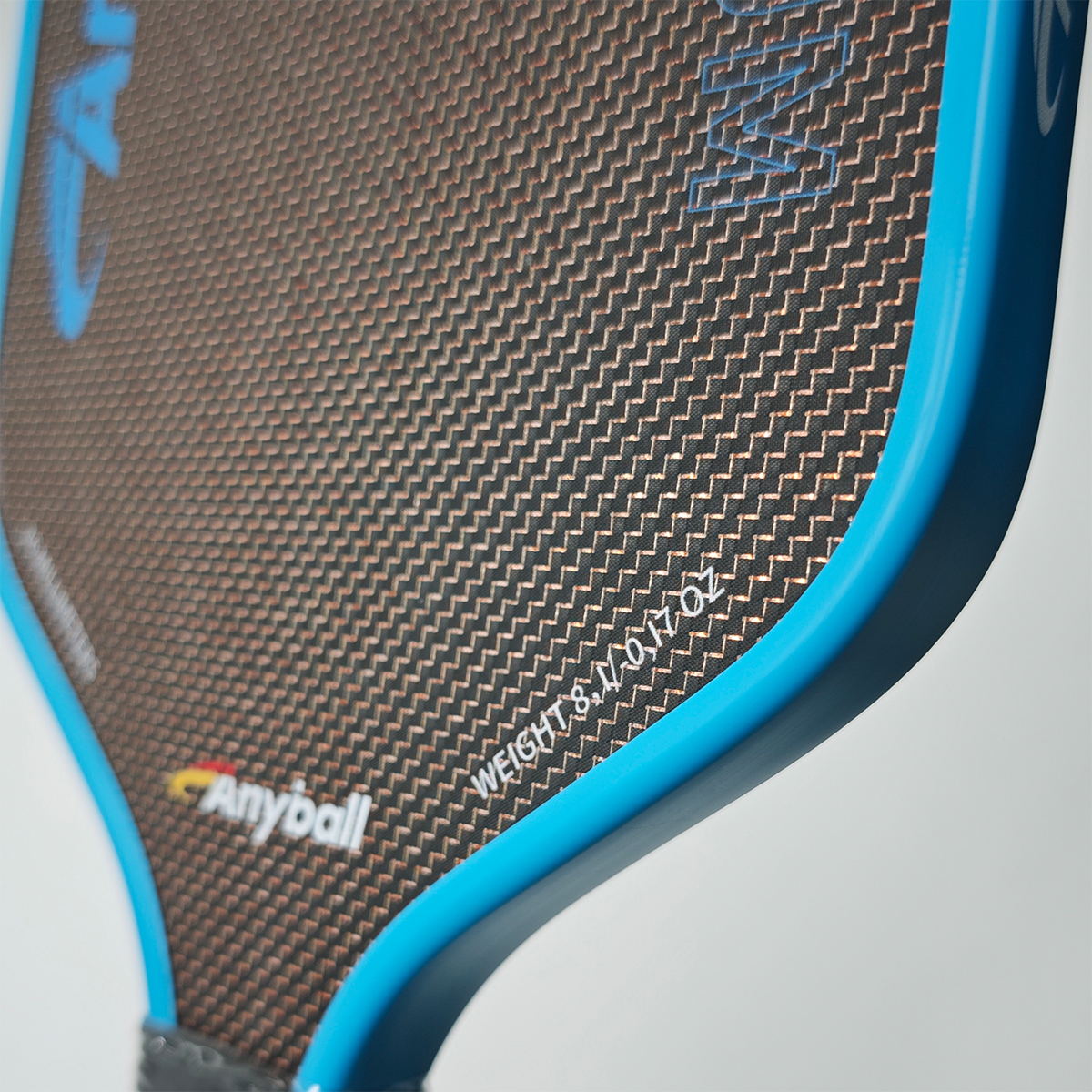
Professional beach tennis players understand that material selection directly impacts performance, durability, and competitive advantage on sandy courts. The choice between carbon fiber, fiberglass, aluminum, and composite materials in a beach tennis racket determines everything from power generation to control precision, making material knowledge essential for serious players who demand consistent results in challenging outdoor conditions.
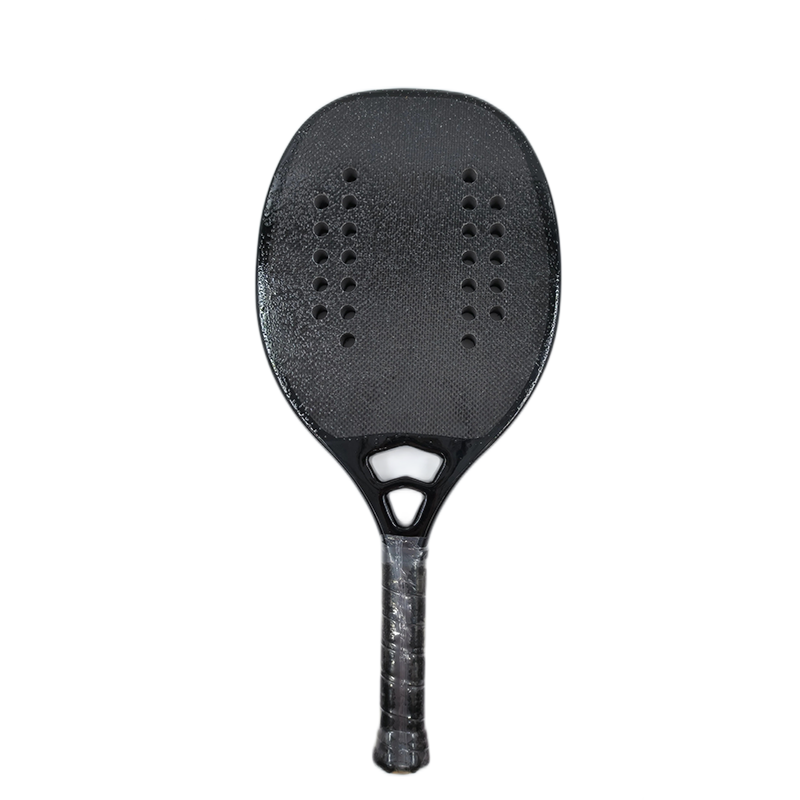
Material expertise separates recreational players from professionals because beach tennis demands equipment that withstands salt air, UV exposure, temperature fluctuations, and the intense physical demands of rapid-fire exchanges. When professionals invest in a high-quality beach tennis racket, they prioritize specific material properties that enhance their competitive edge while ensuring long-term performance reliability in harsh coastal environments.
Performance Characteristics Drive Material Selection
Power Generation and Energy Transfer
Carbon fiber dominates professional beach tennis racket construction because its exceptional stiffness-to-weight ratio maximizes energy transfer from player to ball. When a professional strikes the ball, carbon fiber frames lose minimal energy through frame flexion, directing maximum force into ball acceleration. This efficiency becomes crucial during powerful serves and aggressive baseline exchanges where milliseconds determine point outcomes.
The molecular structure of carbon fiber creates consistent power delivery across the entire hitting surface, unlike aluminum or basic composite materials that exhibit dead spots or inconsistent response zones. Professional players rely on this predictable power output to execute precise shots under pressure, knowing their beach tennis racket will respond identically whether hitting cross-court or down-the-line winners.
Advanced carbon fiber layups, particularly 12K and 18K weaves, provide professionals with customizable power characteristics. Higher K-count carbon offers increased stiffness for power-oriented players, while lower counts deliver slightly more feel for touch specialists who prioritize placement precision over raw ball speed.
Control and Feel Sensitivity
Material selection directly influences a player's ability to execute delicate drop shots, precise angles, and defensive retrievals that characterize elite beach tennis. Carbon fiber transmits ball contact vibrations more efficiently than other materials, providing professionals with enhanced tactile feedback that improves shot accuracy and court awareness during fast-paced rallies.
The dampening characteristics of premium materials help professionals maintain control during off-center hits, which occur frequently in beach tennis due to wind conditions and sand-related movement challenges. A quality beach tennis racket constructed with advanced composites reduces shock transmission while preserving essential feel, allowing players to adjust mid-swing for optimal ball contact.
Professionals choose materials that provide consistent feel across varying environmental conditions, ensuring their touch remains reliable whether playing in humid coastal climates or dry desert tournaments. This consistency enables muscle memory development and shot repeatability that separate elite players from recreational enthusiasts.
Environmental Durability Requirements
Salt Air and Corrosion Resistance
Beach tennis environments expose equipment to constant salt air exposure, making corrosion resistance a primary material consideration for professionals. Carbon fiber and advanced composite materials resist salt-induced degradation far better than aluminum or steel components, maintaining structural integrity throughout extended tournament seasons played in coastal locations worldwide.
Professional players invest in beach tennis racket models that feature corrosion-resistant hardware and protective coatings because equipment failure during competition can end tournament runs prematurely. Salt crystallization within frame joints or string grommets compromises performance consistency, making material quality a competitive necessity rather than luxury preference.
The non-metallic nature of carbon fiber eliminates galvanic corrosion concerns entirely, providing professionals with maintenance-free performance that aluminum frames cannot match. This reliability factor becomes especially important for touring professionals who travel between diverse coastal climates with varying salt concentrations and humidity levels.
UV Radiation and Temperature Stability
Extended outdoor play exposes every beach tennis racket to intense UV radiation that degrades inferior materials over time. Professionals select equipment with UV-stabilized resins and protective clear coats that maintain material properties despite prolonged sun exposure during training sessions and tournament competition.
Temperature cycling between hot sand surfaces and cool ocean breezes creates thermal stress that can compromise frame integrity in poorly designed equipment. Premium carbon fiber construction maintains dimensional stability across wide temperature ranges, ensuring consistent performance whether playing during scorching midday sessions or cooler evening matches.
Professional players recognize that material degradation affects shot precision gradually, making performance decline difficult to detect until competitive disadvantage becomes apparent. By choosing thermally stable materials, they maintain equipment reliability throughout entire seasons without mid-tournament surprises that could affect match outcomes.
Weight Distribution and Balance Optimization
Swing Speed and Maneuverability
Professional beach tennis demands rapid racket acceleration through compact swing planes, making material weight distribution crucial for competitive advantage. Carbon fiber's exceptional strength allows manufacturers to create lighter frames without sacrificing durability, enabling faster swing speeds that generate increased ball velocity and improved reaction time during net exchanges.
The ability to position weight strategically within the frame gives professionals customizable balance characteristics that match their playing style preferences. Head-light balance configurations favor defensive players who prioritize quick hands and volley precision, while head-heavy designs benefit power players who generate pace from baseline positions.
Material efficiency allows beach tennis racket designers to achieve optimal weight distribution without compromising structural integrity. This engineering freedom enables professionals to fine-tune equipment characteristics for specific tournament conditions or opponent matchups.
Fatigue Resistance and Endurance
Tournament beach tennis often requires players to compete in multiple matches per day under physically demanding conditions, making equipment weight and balance critical factors in maintaining performance consistency. Lighter materials reduce cumulative fatigue while preserving the structural strength needed for powerful shots throughout extended playing sessions.
Professional players choose materials that minimize wrist and shoulder stress during repetitive motions, particularly important in beach tennis where quick exchanges and overhead smashes place significant demands on upper body joints. Advanced composite construction distributes impact forces more evenly, reducing injury risk during intensive training and competition periods.
The vibration dampening properties of quality materials help professionals maintain grip strength and shot accuracy as matches progress, preventing the gradual performance decline that occurs with inferior equipment. This endurance factor becomes decisive during lengthy tournament days where multiple victories determine advancement to elimination rounds.
Manufacturing Precision and Quality Control
Consistency Between Individual Rackets
Professional players require identical performance characteristics across multiple beach tennis racket units, necessitating materials and manufacturing processes that deliver exceptional consistency. Advanced carbon fiber layup techniques and computerized curing processes ensure minimal variation between individual rackets, allowing professionals to switch equipment mid-match without adjusting their stroke mechanics.
The molecular uniformity of premium composite materials enables manufacturers to achieve tighter tolerance specifications than possible with traditional aluminum or basic fiberglass construction. This precision becomes essential for touring professionals who travel with backup equipment and need seamless transitions between primary and secondary rackets during critical match situations.
Quality control standards for professional-grade materials include stress testing, dimensional verification, and performance validation that recreational equipment rarely receives. These rigorous standards ensure that each beach tennis racket meets exact specifications for weight, balance, stiffness, and durability that professionals depend on for consistent competitive performance.
Customization and Modification Capability
Advanced materials allow professionals to customize equipment characteristics through string selection, grip modifications, and weight adjustments without compromising frame integrity. Carbon fiber construction provides stable platforms for equipment modifications that aluminum frames cannot safely accommodate without structural concerns.
The ability to fine-tune equipment specifications enables professionals to adapt their beach tennis racket performance for specific playing conditions, opponent styles, or tournament requirements. This customization capability requires materials that maintain structural integrity despite modifications, making premium composite construction essential for serious competitive play.
Professional equipment customization often involves adding lead tape for weight adjustment or installing specialized grips for enhanced feel, modifications that require materials capable of handling altered stress patterns without performance degradation. Quality materials provide the foundation for these professional-level equipment optimizations that can provide marginal competitive advantages.
FAQ
What specific carbon fiber weaves do professional beach tennis players prefer?
Professional players typically choose 12K or 18K carbon fiber weaves because these configurations provide optimal stiffness-to-weight ratios for beach tennis demands. The 12K weave offers excellent power transfer with slightly more feel, while 18K delivers maximum stiffness for players who prioritize ball speed and control precision over touch sensitivity.
How do environmental conditions affect material choice for beach tennis rackets?
Coastal environments with high salt content, intense UV exposure, and temperature fluctuations require materials that resist corrosion, UV degradation, and thermal stress. Carbon fiber and advanced composites outperform aluminum or basic materials because they maintain structural integrity and performance consistency despite harsh environmental conditions that characterize beach tennis venues.
Why do professional beach tennis rackets cost more than recreational models?
Professional-grade materials like aerospace carbon fiber, precision manufacturing processes, and rigorous quality control standards significantly increase production costs compared to recreational equipment. These investments deliver performance advantages in power transfer, durability, consistency, and customization capability that justify higher prices for serious competitive players.
Can recreational players benefit from professional-grade beach tennis racket materials?
Recreational players can benefit from professional materials through improved durability, better feel, and enhanced performance consistency, though the competitive advantages may be less noticeable than for elite players. The investment becomes worthwhile for serious recreational players who play frequently or participate in local tournaments where equipment quality affects enjoyment and performance outcomes.
Table of Contents
- Performance Characteristics Drive Material Selection
- Environmental Durability Requirements
- Weight Distribution and Balance Optimization
- Manufacturing Precision and Quality Control
-
FAQ
- What specific carbon fiber weaves do professional beach tennis players prefer?
- How do environmental conditions affect material choice for beach tennis rackets?
- Why do professional beach tennis rackets cost more than recreational models?
- Can recreational players benefit from professional-grade beach tennis racket materials?