EN
EN


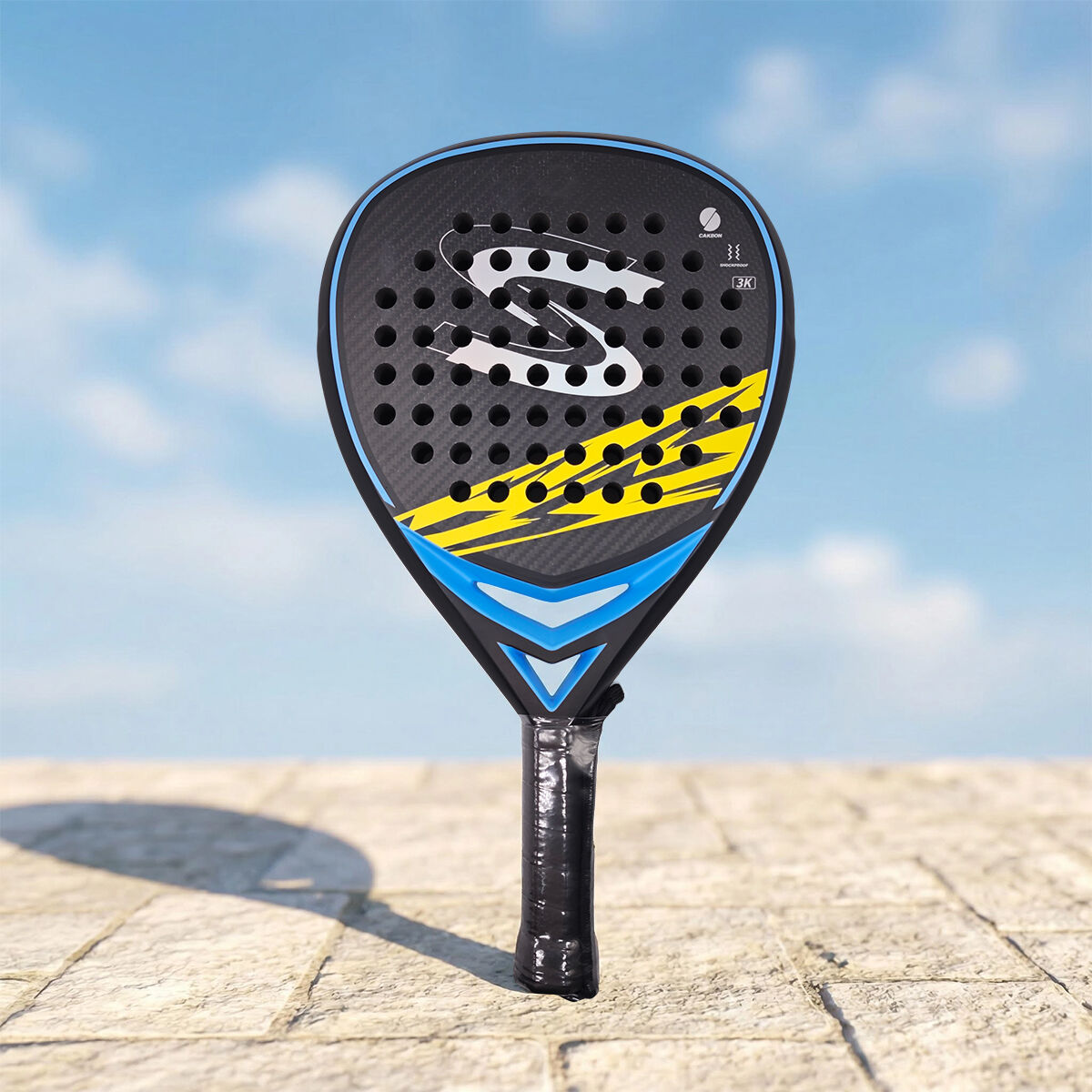
Understanding the performance factors that influence your play with a beach tennis racket is crucial for improving your game on the sand. Beach tennis has evolved into a competitive sport that demands specific equipment characteristics to optimize player performance in challenging coastal conditions. The unique environment of beach tennis, with its sand surface, wind exposure, and intense sun, creates distinct requirements that traditional tennis equipment cannot adequately meet.
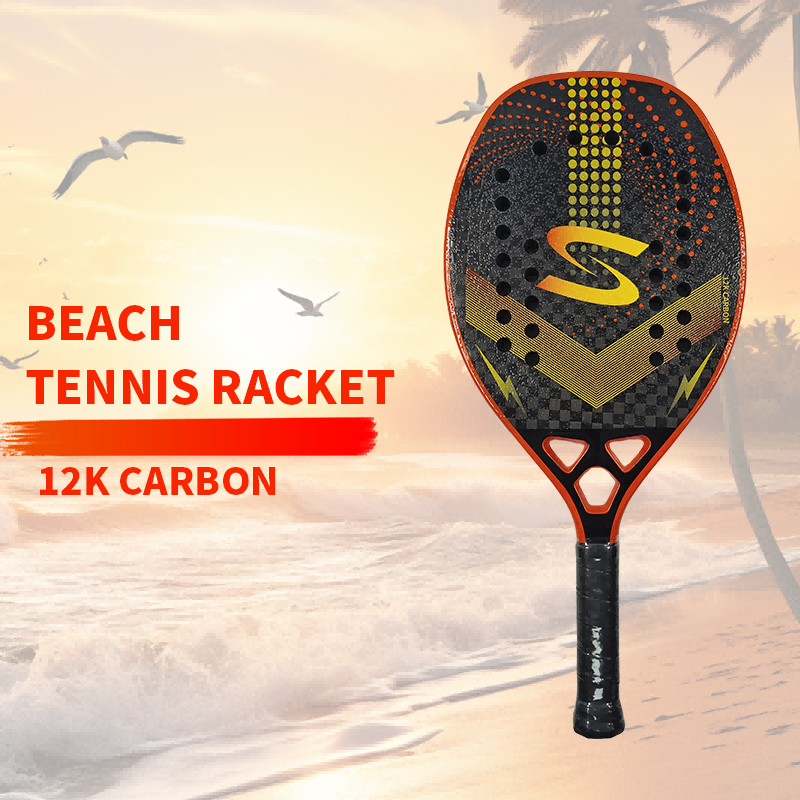
Performance in beach tennis depends on a complex interplay of equipment specifications, environmental adaptation, and player technique adjustments. The right beach tennis racket can significantly enhance your ability to generate power, maintain control, and execute precise shots while compensating for the unique challenges presented by sand court dynamics. Every aspect of your racket, from its weight distribution to surface texture, directly impacts how effectively you can compete in this demanding sport.
Material Composition and Construction Quality
Carbon Fiber Technology Impact
The material composition of a beach tennis racket fundamentally determines its performance characteristics and durability in harsh coastal environments. Carbon fiber construction has become the gold standard for high-performance beach tennis rackets because it offers an optimal balance of strength, lightweight properties, and vibration dampening. The carbon fiber weave pattern and layering technique used in manufacturing directly affect how the racket responds to ball contact and transmits energy through each shot.
Advanced carbon fiber beach tennis rackets utilize different weave densities across the racket face to create zones of varying stiffness and flexibility. This engineered approach allows players to achieve maximum power on hard shots while maintaining precise control during delicate placement shots. The quality of carbon fiber used also determines how well the racket withstands the constant exposure to salt air, sand abrasion, and UV radiation that are inherent to beach tennis environments.
Core Material Considerations
The core material of a beach tennis racket plays a critical role in determining ball feel, power generation, and overall performance characteristics. EVA foam cores have gained popularity in premium beach tennis rackets because they provide excellent energy return while offering superior durability compared to traditional foam materials. The density and hardness of the EVA core directly influence how much energy is transferred from the racket to the ball during impact.
High-quality EVA cores in a beach tennis racket also contribute to improved vibration dampening, reducing the harsh impact forces that can cause player fatigue and potential injury during extended play sessions. The core material must maintain its performance characteristics across a wide temperature range, as beach tennis courts can experience extreme temperature variations throughout the day. This thermal stability ensures consistent performance regardless of playing conditions.
Weight Distribution and Balance Dynamics
Head-Heavy versus Even Balance
The balance point of a beach tennis racket significantly affects swing mechanics, power generation, and maneuverability during play. Head-heavy rackets concentrate more weight toward the racket head, creating increased momentum through the swing and generating more power on groundstrokes and serves. This weight distribution is particularly beneficial for players who prefer baseline play and need extra power to compete effectively in windy conditions common to beach environments.
Conversely, evenly balanced beach tennis rackets offer superior maneuverability and control, making them ideal for players who emphasize net play and quick defensive reactions. The even weight distribution allows for faster swing speeds and more precise placement shots, which can be crucial when dealing with unpredictable ball bounces on sand surfaces. The choice between head-heavy and even balance depends largely on individual playing style and strategic preferences.
Modern beach tennis racket designs often incorporate adjustable weight systems that allow players to customize the balance point to match their playing style and court conditions. These systems typically involve removable weights positioned at strategic points on the racket frame, enabling fine-tuning of performance characteristics without requiring multiple rackets.
Overall Weight Considerations
The total weight of a beach tennis racket directly impacts swing speed, power potential, and player fatigue levels during extended play. Lighter rackets generally enable faster swing speeds and reduced arm fatigue, making them suitable for players who prioritize quick reflexes and extended playing sessions. However, extremely light beach tennis rackets may sacrifice some power and stability, particularly when dealing with windy conditions that can affect ball trajectory.
Heavier beach tennis rackets typically provide more power and stability through impact, offering better performance when hitting against strong winds or when power is prioritized over maneuverability. The additional weight helps maintain swing momentum and provides more mass behind the ball during contact. Professional players often prefer slightly heavier rackets because they offer more consistent performance under varying environmental conditions.
Surface Texture and Grip Technology
Rough Surface Benefits
The surface texture of a beach tennis racket plays a crucial role in ball control, spin generation, and overall shot precision. Rough surface textures create increased friction between the racket face and the ball, allowing players to impart more spin and achieve better ball control during rallies. This enhanced grip on the ball becomes particularly important in beach tennis, where wind conditions can significantly affect ball flight patterns and require precise spin control to maintain accuracy.
The rough surface texture also helps players maintain consistent ball contact even when sand particles accumulate on the racket face during play. The textured surface can grip through light sand deposits better than smooth surfaces, ensuring that performance remains consistent throughout the match. This characteristic is essential for maintaining competitive play standards in the challenging beach environment.
Different texturing patterns and depths offer varying levels of grip and ball interaction. Some beach tennis rackets feature directional texturing that enhances specific types of spin, while others use uniform rough patterns that provide consistent grip across the entire racket face. The choice of surface texture should align with individual playing style and spin preferences.
Handle Grip Design
The handle grip design of a beach tennis racket significantly affects player comfort, control precision, and performance consistency during matches. Specialized grip materials designed for beach tennis must provide excellent traction even when exposed to moisture from humidity, sweat, or occasional water spray from nearby activities. The grip circumference and shape must accommodate extended play sessions while preventing blisters or hand fatigue.
Advanced grip technologies incorporate moisture-wicking materials and textured patterns that maintain consistent feel throughout varying conditions. The grip design must also resist degradation from constant exposure to sand particles and salt air, which can quickly wear down inferior grip materials. Some premium beach tennis rackets feature replaceable grip systems that allow players to customize feel and maintain optimal performance over time.
Environmental Adaptation Features
Wind Resistance Characteristics
Wind resistance is a critical performance factor for any beach tennis racket, as coastal playing conditions frequently involve significant air movement that can dramatically affect ball flight and racket handling. The aerodynamic profile of the racket frame influences how much the wind affects swing mechanics and ball trajectory. Streamlined frame designs reduce wind drag during the swing, allowing players to maintain consistent timing and power generation even in gusty conditions.
The relationship between racket head size and wind resistance creates an important balance consideration for beach tennis players. Larger racket heads provide more hitting surface and power potential but also present more surface area for wind interference. Smaller heads offer better wind cutting ability and precise control but may sacrifice some power and forgiveness on off-center hits. The optimal size depends on local wind conditions and individual skill level.
Temperature and Humidity Response
Beach tennis rackets must maintain consistent performance across extreme temperature and humidity variations that are common in coastal environments. High-quality materials and construction techniques ensure that the racket maintains its structural integrity and performance characteristics whether playing in hot afternoon sun or cooler evening conditions. Temperature fluctuations can significantly affect the stiffness and responsiveness of inferior racket materials.
Humidity resistance is equally important, as moisture can affect grip performance, string tension, and overall racket feel. Premium beach tennis rackets incorporate moisture-resistant treatments and materials that prevent performance degradation in high-humidity environments. The racket must also resist corrosion and material breakdown from constant exposure to salt air, which can quickly deteriorate equipment that lacks proper protective treatments.
Player Skill Level and Style Matching
Beginner-Friendly Features
Selecting the appropriate beach tennis racket characteristics for skill level is essential for optimal performance development and playing enjoyment. Beginner players benefit from rackets with larger sweet spots, more forgiving performance characteristics, and enhanced stability that compensates for less consistent swing mechanics. These features help new players develop proper technique while still achieving satisfying shot results during the learning process.
Beginner-oriented beach tennis rackets typically feature moderate weight, balanced distribution, and construction materials that emphasize comfort and durability over maximum performance. The goal is to provide a platform that encourages skill development while withstanding the inevitable learning process mistakes that can stress equipment. These rackets often incorporate design elements that naturally guide proper swing mechanics and ball contact.
Advanced Player Requirements
Advanced beach tennis players require racket characteristics that maximize their developed skills while providing the precision tools necessary for competitive play. These players can effectively utilize the performance benefits of specialized materials, precise weight distributions, and responsive construction techniques that might overwhelm less experienced players. Advanced rackets prioritize maximum performance potential over forgiveness.
Competitive players often require multiple beach tennis rackets with different characteristics to match varying playing conditions, opponent styles, and strategic approaches. The ability to switch between power-oriented and control-focused rackets during tournaments provides tactical flexibility that can determine match outcomes. Advanced players also tend to customize their equipment more extensively, adjusting string patterns, weights, and grip configurations to achieve optimal performance for specific situations.
FAQ
How often should I replace my beach tennis racket?
A quality beach tennis racket should last 2-3 years with regular play, but replacement frequency depends on usage intensity, storage conditions, and maintenance quality. Signs that indicate replacement needs include visible frame damage, decreased responsiveness, grip deterioration, or performance changes that affect your game. Competitive players may replace rackets more frequently to maintain peak performance standards.
What weight range is best for recreational beach tennis players?
Recreational players typically perform best with beach tennis rackets weighing between 340-370 grams. This weight range provides a good balance of maneuverability and power without causing excessive arm fatigue during extended play sessions. Lighter rackets work well for players prioritizing quick reactions, while slightly heavier options suit those who prefer more power and stability in their shots.
Do environmental conditions really affect beach tennis racket performance significantly?
Yes, environmental conditions have a substantial impact on beach tennis racket performance. Wind affects swing dynamics and ball control, temperature changes can alter material stiffness and responsiveness, humidity impacts grip performance, and sand exposure affects surface texture effectiveness. Quality rackets are designed to minimize these effects, but players must still adjust their technique and equipment choices based on conditions.
Can I use the same racket for both beach tennis and regular tennis?
While technically possible, using sport-specific equipment is highly recommended for optimal performance. Beach tennis rackets are designed with different weight distributions, materials, and surface textures that address the unique challenges of sand court play, wind conditions, and environmental exposure. Regular tennis rackets lack these specialized features and may not perform effectively in beach tennis conditions.