EN
EN


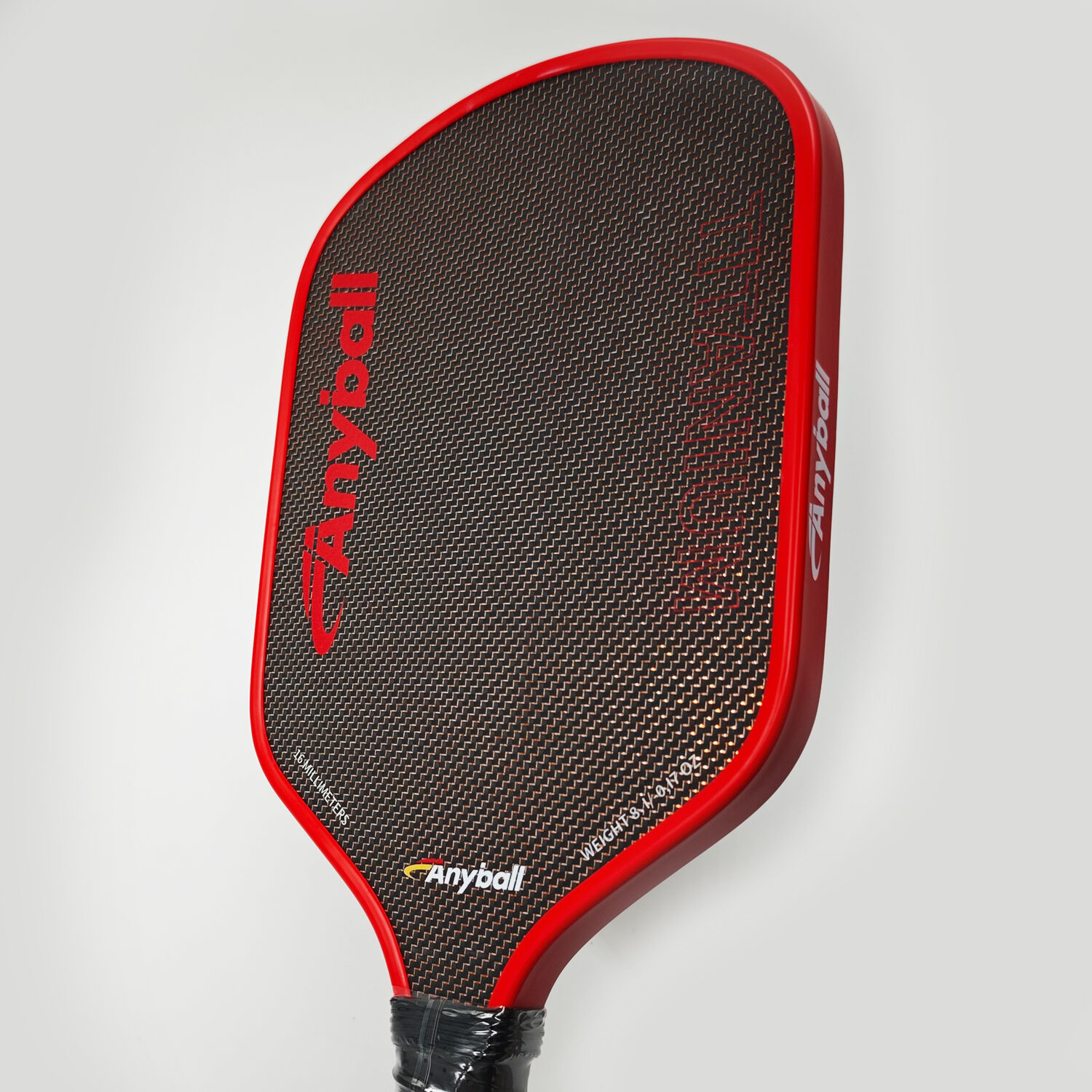
Složení materiálu pádelové rakety zásadně určuje jak její odolnost za podmínek soutěžního hraní, tak přesnost kontroly míčku během zápasů. Rámce z uhlíkových vláken poskytují výjimečnou strukturální pevnost při zachování nízké hmotnosti, zatímco alternativy z skelných vláken nabízejí pružnější reakční charakteristiky, které mohou zlepšit cit a ovládání pro středně pokročilé hráče. Jádrové materiály – od různých hustot EVA pěny po varianty polyethylenu – přímo ovlivňují účinnost přenosu síly a schopnost tlumení nárazů, které určují, jak dlouho pádelová raketa udržuje optimální výkonnostní parametry.
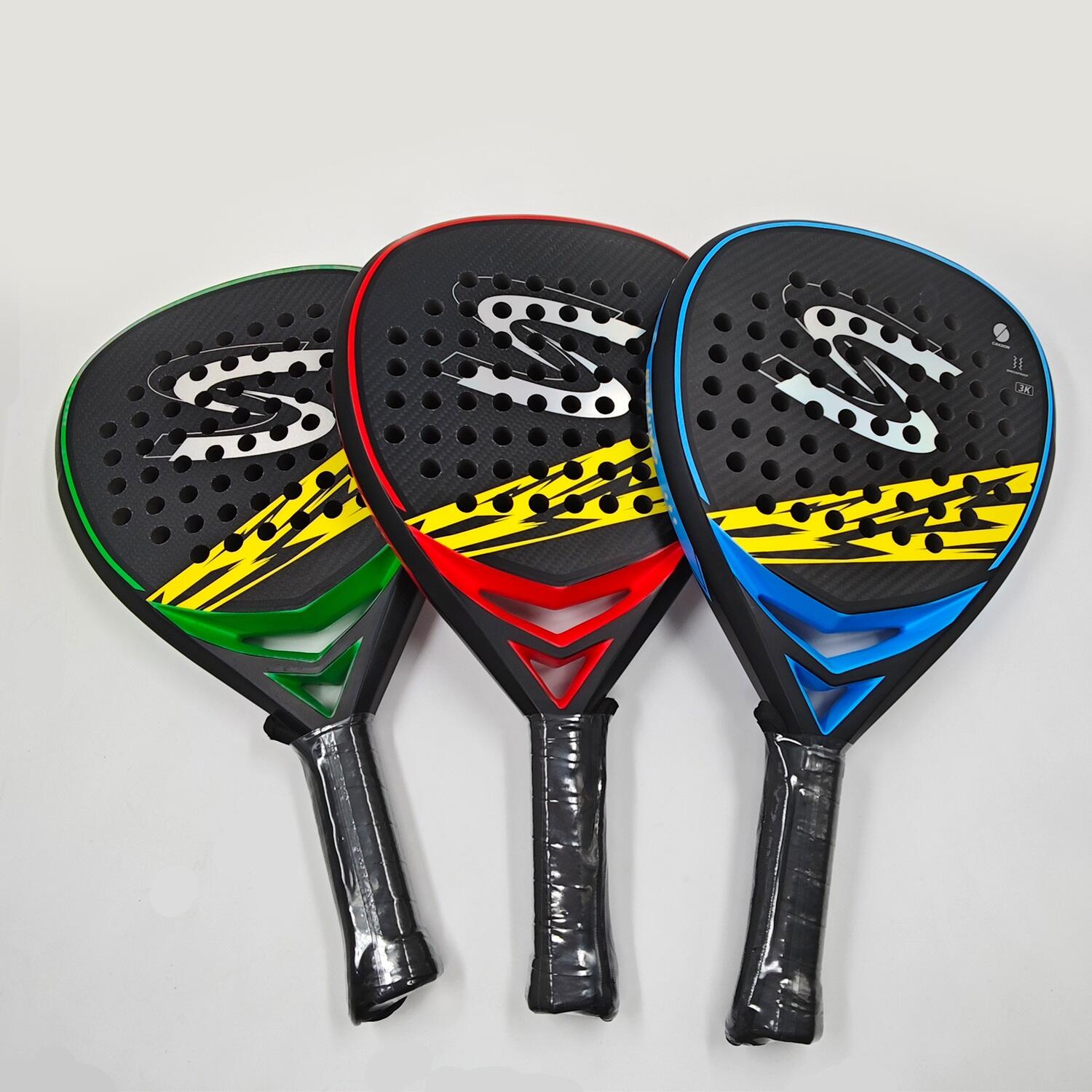
Porozumění vztahu mezi výběrem materiálu a výsledky výkonu umožňuje hráčům učinit informovaná rozhodnutí, která odpovídají jejich hernímu stylu a očekávání ohledně životnosti vybavení. Materiály profesionální úrovně procházejí důkladnými zkouškami zatížení, aby zajistily konzistentní odezvu míčku po celou dobu dlouhodobého používání, zatímco rekreační materiály představují kompromis mezi cenou a dostatečnou udržitelností výkonu. Úpravy povrchové struktury aplikované na různé základní materiály také hrají klíčovou roli při generování rotace (spinu) a odolnosti vůči počasí, což činí analýzu materiálů nezbytnou pro optimální výběr pálky na padel.
Vliv konstrukce z uhlíkových vláken na výkon pálky
Konstrukční výhody trvanlivosti
Uhlíkové vlákno použité při konstrukci rakety pro padel zajišťuje výjimečnou odolnost vůči nárazovému namáhání a strukturální deformaci ve srovnání s tradičními materiály. Uhlíková vlákna se v tkané vrstvě spojují do kompozitní struktury, která rovnoměrně rozvádí nárazové síly po celém rámu a tak brání vzniku místních koncentrací napětí, jež často způsobují praskliny u hliníkových nebo základních skleněných vláknových rámů. Profesionální hráči, kteří trénují denně, těží z toho, že uhlíkové vlákno udržuje stálé charakteristiky ohebnosti i po tisících nárazech míčku.
Odolnost uhlíkových vláken vůči únavě zajišťuje, že výkon rakety pro padel zůstává stabilní i po celou dobu dlouhých soutěžních sezón. Na rozdíl od materiálů, které postupně měknou nebo se pod opakovaným zatížením začínají trhlinovat na mikroskopické úrovni, uhlíková vlákna zachovávají integritu své molekulární struktury a tím původní účinnost přenosu síly i přesnost ovládání. Tato odolnost se promítá do předvídatelných vzorů odpovědi rakety na míč, na něž se soutěžní hráči spoléhají pro konzistentní provedení úderů.
Teplotní kolísání, které nastává na venkovních kurtech, má minimální vliv na strukturální vlastnosti uhlíkových vláken a zajišťuje stabilitu geometrie rámu v různých herních prostředích. Koeficient tepelné roztažnosti uhlíkových vláken je výrazně nižší než u alternativních materiálů, čímž se zabrání změnám rozměrů, které by mohly ovlivnit rozložení napětí strun a přesnost ovládání míče za různých počasí.
Zvýšení přesnosti ovládání
Tuhostní vlastnosti uhlíkových vláken umožňují přesný přenos energie z pohybu hráče na kontakt s míčkem, čímž se zvyšuje přesnost ovládání při technických úderech. Pokročilé uspořádání vrstev uhlíkových vláken umožňuje výrobcům navrhovat specifické flexibilní zóny uvnitř rakety pro padel konstrukce a tak vytvářet optimální rovnováhu mezi generováním síly a citlivostí na dotek pro různé typy úderů. Konzistentní molekulární struktura zajišťuje jednotné reakční charakteristiky, které eliminují nepředvídatelné odrazy míčku.
Vlastnosti uhlíkových vláken tlumící vibrace snižují nežádoucí kmity, které mohou narušit přesné umístění míčku při jemných úderech v blízkosti sítě. Schopnost tohoto materiálu pohltit a rozptýlit energii nárazu brání nadměrnému přenosu vibrací do rukojeti, čímž umožňuje hráčům udržet jemnou motorickou kontrolu během rychlých výměn. Tato kontrola vibrací je zvláště důležitá při obranné hře, kde subtilní umístění míčku rozhoduje o výsledku bodu.
Nízká hmotnost konstrukce z uhlíkových vláken umožňuje rychlejší zrychlení hlavy rakety při zachování její strukturální integrity, což usnadňuje rychlé změny směru potřebné pro efektivní pokrytí kurtu. Hráči mohou dosáhnout dostatečné rychlosti hlavy rakety pro silné údery, aniž by při tom ztratili manévrovatelnost nutnou pro přesné umístění míčku, čímž vzniká taktická univerzálnost zvyšující celkovou efektivitu hry.
Vliv základního materiálu na odezvu míčku a životnost
Různé hustoty pěny EVA
Hustota jádra pěny EVA výrazně ovlivňuje charakteristiky přenosu síly a trvanlivost konstrukce rakety pro padel. Materiály pěny EVA vyšší hustoty poskytují pevnější odpověď na míč s vyšším potenciálem síly, zatímco materiály nižší hustoty nabízejí zvýšenou citlivost dotyku a tlumení vibrací, což zlepšuje komfort během delších herních sezení. Buňková struktura pěny EVA určuje rychlost obnovy po stlačení, která přímo ovlivňuje konzistenci odrazu míče po celou životnost rakety.
Středně hustá pěna EVA nabízí optimální rovnováhu mezi generováním síly a přesností ovládání, což ji činí vhodnou pro hráče, kteří vyžadují univerzální výkon při různých typech úderů. Vlastnosti stlačení zůstávají stabilní za různých teplotních podmínek, což zajišťuje konzistentní odezvu míčku bez ohledu na změny prostředí na kurtech. Tato stabilita je klíčová pro soutěžní hráče, kteří potřebují předvídatelný výkon vybavení během turnajové hry.
Odolnost jádra z pěny EVA vůči únavě určuje, jak dlouho zůstává pálka pro padel schopna udržet své původní výkonnostní charakteristiky při pravidelném používání. Vysoce kvalitní formulace pěny EVA odolávají trvalému stlačení, které se může objevit u materiálů nižší kvality, a tím zachovávají zamýšlený profil odezvy míčku po celou dobu delšího hraní. Tato konzistence má přímý dopad na ekonomickou hodnotu produktu pro vážné hráče, kteří vyžadují spolehlivý výkon vybavení.
Alternativy jádra z polyethylenu
Polyethylénové jádra nabízejí zřetelné výhody z hlediska pohlcování nárazů a dlouhodobé odolnosti ve srovnání s tradičními alternativami z pěny EVA. Molekulární struktura polyethylénu poskytuje vyšší odolnost proti trvalé deformaci za podmínek vysokého nárazu a udržuje i po intenzivním použití konzistentní chování míče při dopadu. Polyethylénová jádra profesionální kvality obsahují specifické přísady, které zvyšují odolnost vůči UV záření a tepelnou stabilitu pro použití na venkovních kurtech.
Účinnost vrácení energie polyethylénových jader umožňuje hráčům vyvinout významnou sílu s menším úsilím, čímž se stávají zvláště vhodnými pro hráče, kteří upřednostňují agresivní základní strategii. Vlastní pružnost materiálu usnadňuje rychlé uvolnění energie při kontaktu s míčem a vytváří explozivní sílu, kterou soutěžní hráči vyhledávají pro rozhodující údery. Tato účinnost se projevuje snížením únavy hráčů během delších zápasů.
Odolnost polyethylenu vůči absorpci vlhkosti brání degradaci výkonu za vlhkých podmínek hry, které mohou negativně ovlivnit jiné jádrové materiály. Hydrofobní povaha polyethylenu zajišťuje, že hmotnost a vyváženost raket pro padel zůstávají konstantní bez ohledu na úroveň vlhkosti v prostředí, čímž se udržují stálé dynamické vlastnosti zamachování za různých počasí.
Vliv povrchového materiálu na generování rotace a odolnost vůči povětrnostním podmínkám
Technologie strukturovaného povrchu
Technologie strukturovaného povrchu aplikované na čelní plochy raket pro padel přímo ovlivňují schopnost generovat rotaci a přesnost ovládání míčku během různých druhů úderů. Drsné povrchové úpravy zvyšují koeficient tření, čímž zlepšují schopnost hráče udělit míčku horní rotaci, řez nebo boční rotaci – což je klíčové pro taktické umístění úderů. Mikrostrukturované vzory navržené do prémiových povrchů poskytují stálé vlastnosti přilnavosti, které zůstávají účinné i po delších hracích sezeních.
Pokročilé texturování povrchu udržuje svou účinnost i přes opakované opotřebení způsobené dotyky míčku, a to díky materiálům odolným vůči leštění, které by jinak mohlo postupně snižovat možnost generování rotace. Hloubka a vzor povrchových nerovností jsou přesně regulovány tak, aby byla optimalizována rovnováha mezi tvorbou rotace a konzistentním uvolňováním míčku, čímž se zajišťují předvídatelné výsledky úderů pro potřeby soutěžního hraní. Tyto technicky navržené povrchy významně přispívají k celkovému výkonnostnímu profilu profesionálního padlového vybavení pro rakety.
Pevnost adheze mezi povrchovými úpravami a základními materiály rámu určuje trvanlivost schopnosti generovat rotaci. Prémiové technologie spojování zajišťují, že texturované povrchy zůstávají po celou dobu intenzivního použití pevně přilepeny, a tím brání odštěpování (delaminaci), které by mohlo ohrozit jak výkon, tak bezpečnost během soutěžního hraní. Tato trvanlivost adheze má přímý dopad na dlouhodobou hodnotovou nabídku pro vážné hráče.
Odolnost proti povětrnostním vlivům
Vlastnosti odolnosti povrchových materiálů pro pádelové rakety vůči počasí určují konzistenci výkonu za různých venkovních podmínek hraní. Povrchové úpravy odolné vůči UV záření brání degradaci textur generujících otáčení při dlouhodobém působení slunečního světla, čímž udržují konstantní koeficienty tření po celou dobu prodloužené venkovní sezóny. Chemická stabilita vysoce kvalitních povrchových materiálů odolává rozkladu, který může nastat u nižších kvalit materiálů vystavených environmentálním faktorům.
Vlastnosti odolnosti vůči vlhkosti brání nafouknutí povrchového materiálu nebo změně jeho struktury za vlhkých podmínek či při mírném dešti, který občas ovlivňuje hru na venkovních kurtech. Hydrofobní povrchové úpravy zachovávají své adhezní vlastnosti bez ohledu na úroveň okolní vlhkosti, což zajišťuje konzistentní schopnost generovat otáčení – důležitou vlastnost, na kterou se hráči mohou spolehnout při provádění taktických úderů. Tato spolehlivost je zvláště důležitá během turnajů, kde se podmínky prostředí mohou výrazně lišit.
Stabilita teploty povrchových materiálů zajišťuje, že účinnost textury zůstává konstantní v širokém rozsahu teplot, které se vyskytují na venkovních hřištích. Materiály, které udržují integritu své molekulární struktury, brání ztvrdnutí nebo změkčení, jež mohou ovlivnit schopnost generovat rotaci během sezónních teplotních výkyvů, a tak poskytují konzistentní výkon po celý rok pro náročné hráče.
Hodnocení kvality materiálů a kritéria pro jejich výběr
Standardy testování výkonu
Profesionální standardy pro testování výkonnosti materiálů pro rakety do padelu zahrnují komplexní hodnotící protokoly, které posuzují odolnost, konzistenci a bezpečnostní vlastnosti za kontrolovaných laboratorních podmínek. Test odolnosti vůči nárazu simuluje tisíce kontaktů s míčkem, aby se ověřilo, že materiály zachovávají svou strukturální integritu a výkonové charakteristiky během reálných scénářů použití. Tyto standardizované testy poskytují objektivní údaje, které umožňují informovaný výběr materiálů pro různé úrovně hráčských dovedností a požadavků na intenzitu.
Zrychlené stárnutí materiálů zahrnuje jejich vystavení extrémním teplotním cyklům, UV záření a kolísání vlhkosti za účelem předpovědi dlouhodobé stability výkonu za skutečných podmínek hry. Data získaná z těchto hodnocení pomáhají výrobcům optimalizovat kombinace materiálů, které zajišťují konzistentní výkon po celou dobu prodloužené životnosti zařízení. Hráči z této zkoušky profitují zvyšující se spolehlivostí vybavení a předvídatelným plánováním výměny vybavení.
Protokoly kontroly kvality zajistí, že výrobní materiály splňují stanovené výkonové parametry ještě před jejich začleněním do dokončených sestav rakety pro padel. Postupy dávkového testování ověřují, že charakteristiky materiálů zůstávají v rámci stanovených tolerancí, čímž se zabrání výkonovým odchylkám, které by mohly ovlivnit zážitek hráče. Tato konzistence umožňuje hráčům spoléhat na stejné výkonové charakteristiky při výměně vybavení nebo výběru náhradních rakety.
Optimalizace poměru cena-výkonnost
Optimalizace poměru nákladů a výkonu při výběru materiálu pro tenisové rakety pro padel vyžaduje pečlivou analýzu očekávané životnosti ve srovnání s požadavky na počáteční investici. Prémiové materiály obvykle nabízejí vyšší trvanlivost a konzistentní výkon, což může ospravedlnit vyšší počáteční náklady pro vážné hráče, kteří vyžadují spolehlivý výkon vybavení. Rekreační hráči mohou zjistit, že materiály střední třídy poskytují dostatečný výkon pro neformální hru a zároveň umožňují rozumné intervaly výměny.
Celkové náklady na vlastnictví zahrnují počáteční nákupní cenu, očekávanou životnost a konzistenci výkonu po celou dobu používání. Vysoce kvalitní materiály, které si své vlastnosti udržují déle, poskytují lepší ekonomickou hodnotu i přes vyšší počáteční náklady, zejména pro hráče, kteří cvičí často nebo se účastní soutěžních událostí. Tato analýza pomáhá hráčům učinit informovaná rozhodnutí na základě jejich konkrétních vzorů používání a požadavků na výkon.
Výběr materiálu by měl odpovídat cílům rozvoje hráče a předpokládané intenzitě použití, aby se optimalizovaly jak výsledky výkonu, tak ekonomická účinnost. Začínající hráči mohou mít prospěch z důrazu na rozvoj základní techniky pomocí spolehlivých materiálů střední kvality, než investují do vysoce kvalitního vybavení, zatímco pokročilí hráči vyžadují konzistentní vlastnosti výkonu, které poskytují pouze vysoce kvalitní materiály pro soutěžní úspěch.
Často kladené otázky
Jaký je nejodolnější materiál pro rámečky pálkových rakete pro padel?
Uhlíkové vlákno představuje nejodolnější materiál pro rámečky paletových rakety, který nabízí vyšší odolnost proti nárazu a lepší strukturální integritu ve srovnání s alternativami z fiberglasu nebo hliníku. Uhlíkové vlákno vyšší kvality udržuje své provozní vlastnosti i po tisících nárazech míčkem a zároveň odolává únavovému poškození, které postihuje jiné materiály. Investice do konstrukce z uhlíkového vlákna obvykle přináší lepší dlouhodobou hodnotu díky prodloužené životnosti vybavení a zachování konzistentního výkonu.
Jak různé materiály jádra ovlivňují tvorbu síly?
Hustota základního materiálu přímo ovlivňuje schopnost generovat výkon; jádra z EVA pěny a polyethylenu vyšší hustoty zajišťují pevnější odezvu míčku a vyšší účinnost přenosu energie. Měkčí jádra nabízejí zvýšenou citlivost dotyku a tlumení vibrací, avšak na úkor hrubého výkonového potenciálu, což činí výběr materiálu závislým na individuálních preferencích herního stylu. Jádra střední hustoty obvykle poskytují nejlepší rovnováhu mezi generováním výkonu a přesností ovládání pro univerzální požadavky na hru.
Skutečně povrchové textury výrazně zvyšují tvorbu rotace?
Správně navržené povrchové textury mohou výrazně zvýšit generování rotace zvýšením koeficientu tření mezi povrchem rakety pro padel a místem kontaktu s míčkem. Zlepšení je nejvíce patrné při technických úderech, které vyžadují přesné umístění míčku a kontrolu jeho dráhy, kde zvýšená schopnost generovat rotaci poskytuje taktické výhody. Účinnost však závisí na kvalitě a odolnosti textury, a proto jsou prémiové povrchové úpravy nezbytné pro konzistentní generování rotace po celou dobu delšího používání.
Jak často bych měl/a vyměnit svou raketu pro padel na základě degradace materiálu?
Časování výměny závisí na kvalitě materiálu, intenzitě používání a požadavcích na výkon; prémiové pádelové vybavení z uhlíkových vláken obvykle udržuje optimální vlastnosti po dobu 12–18 měsíců při pravidelném soutěžním používání. Rekreační hráči používající vybavení střední třídy mohou dosáhnout uspokojivého výkonu po dobu 6–12 měsíců, zatímco při intenzivních tréninkových režimech může být nutná častější výměna, aby se zachovala konzistentní odezva rakety na míček. Indikátory degradace výkonu zahrnují sníženou účinnost přenosu síly, změněné vzory odezvy na míček a viditelné opotřebení povrchu, které ovlivňuje schopnost generovat rotaci.