EN
EN


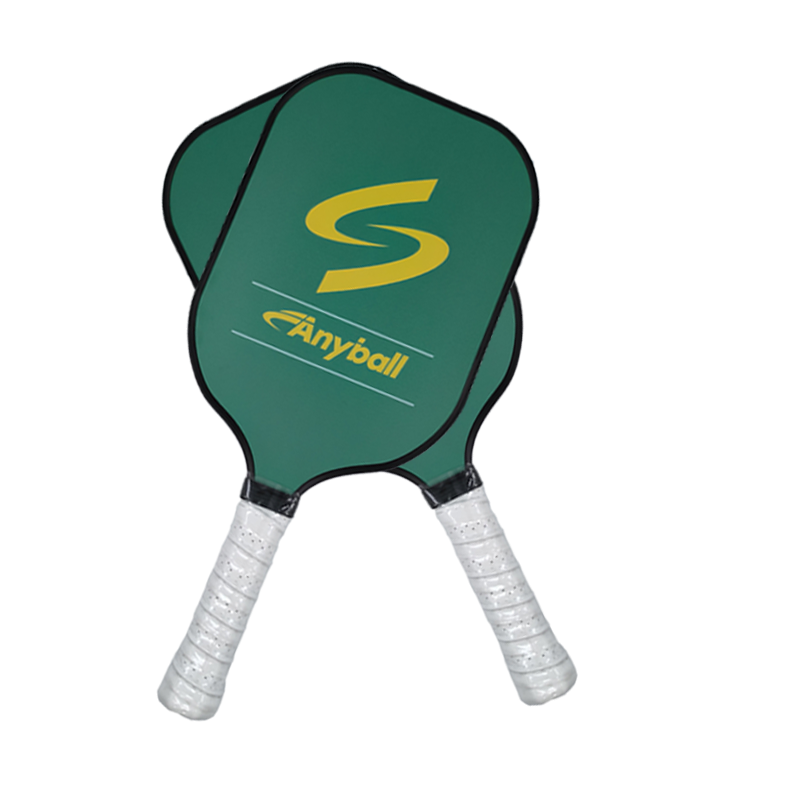
Iga võistluslik mängija ja rekreatiivne entusiast küsib lõpuks sama küsimust: miks käitub üks pickleball Ball nii erinevalt teisest? Vastus peitub peaaegu täielikult disainis. Iga augu läbimõõdust kuni polümeerkihi paksuseni mõjutab iga struktuuriline otsus, mille tootmisel tehakse, otsest ja mõõdetavat mõju sellele, kuidas pall pöörleb õhus, kuidas ta põrkab väljakupinnalt ja kui kaua ta vastab võistlusmängus esinevatele korduvatele koormustele. Nende seoste mõistmine annab mängijatele, treeneritele ja varustuse ostjatele olulise eelise õige palli valimisel konkreetsete tingimuste jaoks.
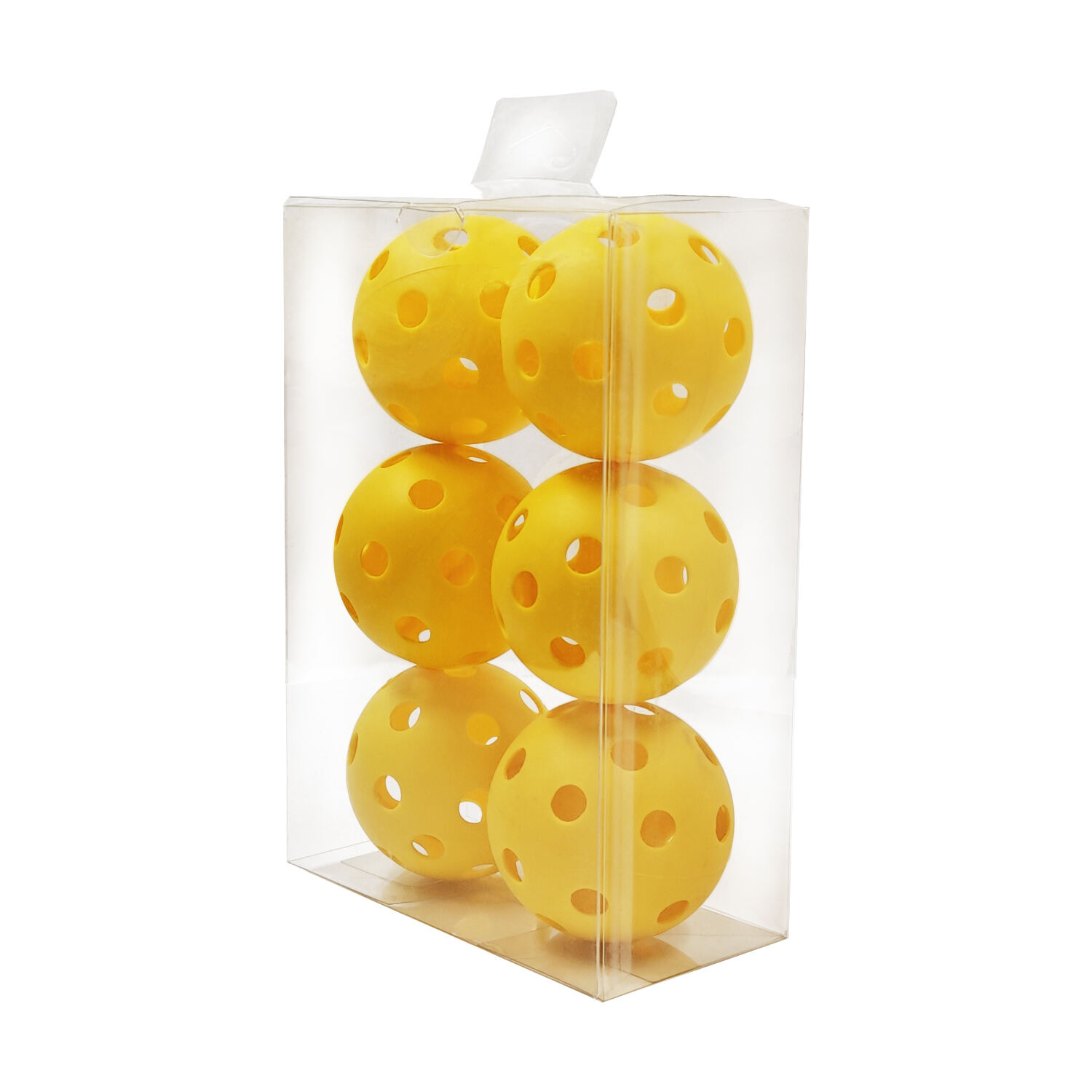
Pickleballi pall on pettlikult insenereeritud spordivarustuse ese. Esmapilgul tundub see lihtne — õõnes plastkera, millest on läbi puuritud augud. Kuid nende aukude geomeetria, külje materjali koostis, õmbluse moodustamiseks kasutatav valtsimisprotsess ja üldine kaalajaotus mõjutavad kõiki keerukas viisil üksteist. Selles artiklis analüüsitakse täpselt, kuidas iga disainimuutuja mõjutab kolme mängijatele kõige olulisemat toimimisparameetrit: pöörlemiskäitumist, hüppamise ühtlust ja pikaajalist vastupidavust.
Aukude mustri ja aukude arvu roll pöörlemisel ja aerodünaamilistes omadustes
Kuidas aukude geomeetria mõjutab õhuvoolu palli ümber
Aukud pickleballi pallis ei ole dekoratiivsed — need on palli peamised aerodünaamilised omadused. Kui pall liigub õhus, teeb iga auk pinnale kohaliku häire piirkihis õhuvoolus. Nende aukude suurus, paigutus ja koguarv määravad, kui palju takistust pall kogeb ning kui ennustatavalt ta liigub oma ettenähtud trajektooril.
40-auguline pall, mis on standardne konfiguratsioon välimängu jaoks, jaotab need aerodünaamilised häired ühtlasemalt pinnale kui 26-auguline sisemängu variant. See ühtlane jaotus vähendab ebatavalist külgsuunalist liikumist ja annab mängijatele rohkem kindlustunnet selles, kuhu tugev või nõrk löök maandub. 40-augulist pickleballi palli on spetsiaalselt projekteeritud välimiste tingimuste jaoks, kus tuule takistus on tegelik tegur.
Aukude läbimõõt mängib samuti olulist rolli. Suuremad augud võimaldavad rohkemal õhul läbida palli sisemust, mis vähendab rõhuerinevust palli eesmise ja tagumise pinnase vahel. See vähendab üldist takistust, kuid vähendab ka palli tundlikkust palka poolt antavale pöörlemisele. Vastupidi, väiksemad augud loovad kitsama aerodünaamilise ümbrise, mis suurendab pöörlemise efekti, muutes ülespööratud ja tagasipööratud löökid rõhutatumaks ja taktikaliselt kasulikumaks.
Pöörlemise teke ja pinnase-õhu liides
Pärlpallil tekib pöörlemine palli ja palka kokkupuutumisel, kuid seda säilitatakse ja avaldub palli välispinna aerodünaamiliste omaduste kaudu. Ühtlane, sileda pind aukude vahel võimaldab pallil säilitada pöörlemismomenti tõhusamalt kui pind, millel on nähtavad õmblusrõngad või valamisvigad. Seepärast on kõrgkvaliteedilised tootmistäpsused olulised isegi sellise lihtsa väljanägemisega toote puhul nagu õõnes kera.
Aukude paigutuse sümmeetria mõjutab otseselt pöörlemise ühtlust. Kui augud on ebavõrdselt jaotatud või kui pall on vale valamise tõttu veidi ebakülgne, muutuvad pöörlevale pallile mõjuvad aerodünaamilised jõud assümmetriliseks. See põhjustab palli värisemist või ebaühtlast kõrvalekaldumist, mis nõrgendab pöörlemisega löökide taktikalist väärtust. Täpselt disainitud pickleballi pall säilitab oma pöörlemistelge puhtalt, võimaldades pöörlemisel saavutada ennustatava käitumise põrandal põrkumisel.
Mängijad, kes toetuvad pöörlemisega seotud strateegiatele – eriti need, kes kasutavad lõikeviskeid või nurkseid dink-lööke – märkavad olulisi erinevusi täpselt konstrueeritud pickleballi palli ja madalamat täpsust tagava alternatiivipalli vahel. Palli disainikvaliteet ei ole lihtsalt tootmisdetail, vaid see on otsest mõju osa mängus saadaval olevatele taktikalistele võimalustele.
Kuidas korpuse materjal ja seinapaksus mõjutavad põrkumiskäitumist
Polümeerkoostis ja selle mõju tagasipõrkumisenergiale
Pickleballi palli põrske määravad selle kestamaterjali elastsed omadused. Enamik kõrgetasemelisi pilte on valmistatud polüetüleenist või sarnastest termoplastsetest polümeeridest, mis pakuvad kindlat jäikuse ja paindlikkuse tasakaalu. Kui pall tabab kõva väljakupinda, deformeerub kest veidi ja seejärel tagasipõrkab, teisendades salvestatud elastsed energiat tagasi kineetiliseks energiaks. Selle energia ülekande efektiivsus määrab põrske kõrguse ja ühtlususe.
Polüetüleenipõhiste pickleballi pallide põrked on tavaliselt kõvemad ja ühtlasemad kui pehmemate polümeeride alternatiivide põrked. Seda kõvadust hinnatakse eriti kõrgelt välimängus kõvadel pindadel, kus prognoositav madal põrge on oluline ralli kontrollimiseks. Pall, mis põrkab liiga kõrgelt, annab vastaspoolele rohkem aega taastuda, samas kui liiga madalalt põrkav pall võib teatud löökidest teha peaaegu võimatuid õige tehnikaga täitmiseks.
Temperatuuritundlikkus on veel üks materjalipõhjane tegur, mis mõjutab palli hüppamist. Kõvemad polümeerid muutuvad külmades tingimustes habrasemaks, mistõttu võib pall hüppada madalamale ja see puruneda kergemini. Peenemad koostised säilitavad külmusel rohkem elastset omadust, kuid soojas ilmastikus võib nende hüppamine olla ebakorrapärane. Pickleballi palli materjaliprofiili tundmine aitab mängijatel ja turniirikorraldajatel valida sobiva palli oma kliima ja mänguvälja tingimuste jaoks.
Seina paksus ja struktuuriline ühtlus
Seina paksus on pickleballi palli üks olulisemaid konstruktsioonimuutujaid, kuid seda arutletakse harva väljaspool tootmisringkondi. Paksem kate neelab enne deformatsiooni rohkem impulssenergiat, mis teeb hüppe veidi pehmemaks ja kõrgemaks. Õhem kate deformeerub lihtsamini, mis loob selgemat, madalamat hüppamist ja teravnemat akustilist vastust – selle iseloomuliku 'pops' heli, mida paljud mängijad seostavad kvaliteetsete välimängupallidega.
Ühtlane seinapaksus kogu kerakujulise keha üle on sama oluline. Kui üks korpuse osa on teisest paks, kuna valamisprotsess ei olnud ühtlane, siis põrkab pall erinevalt sõltuvalt sellest, milline pinnatükk puutub kokku mänguväljakuga. See teeb põrkumise ebatäpselt ennustatavaks, mis häirib mängu ja vihastab mängijaid, kes oma mängustrateegia elluviimiseks loovad kindlale palli käitumisele.
Kõrgklassilised pickleballi pallide disainid kasutavad täpsuslikku süstivalamist või pöörvalamist, mis tagavad kogu korpuse üle täpsed seinapaksuse tolerantsid. Just see tootmisdistsipliin eraldab palli, mis käitub stabiilselt tuhandete põrkumiste jooksul, pallist, mis hakkab ebaühtlaselt käituma juba pärast mõnda tugevat mängu.
Õmbluse konstruktsioon ja selle mõju struktuurilisele tugevusele
Üheosaline vs kaheosaline valamine ja õmbluse usaldusväärsus
Pickleballi palli õmblus on selle kõige struktuuriliselt nõrgem koht. Enamikku palle toodetakse kahest poolest, mille ühendab ekvatoriaalne õmblus. Selle ühenduse kvaliteet – kas saavutatakse see ultrahelihaagistuse, liimiga ühendamise või soojusliitmise teel – määrab, kui hästi pall säilitab oma kuju ja struktuurilist terviklikkust korduvate kõrgsurvete mõjul.
Halvasti ühendatud õmblus hakkab pikaajalisest mängust pärast seda eralduma, põhjustades pallil väikese tasapinna või sisemise õhupõhja õmblusjoonel. Selline õmblusvigade tekkumine muudab palli hüppamisomadusi radikaalselt, muutes selle ebatäpsaks ja tegelikult mängimatuks võistlusolukorras. Mängijad, kes märkavad mängu keskel äkki muutunud hüppamiskäitumist, kogevad sageli pickleballi palli varajast õmblusvigade tekkumist.
Mõned tootjad on liikunud sujuva või peaaegu sujuva üheosalise valamisprotsessi poole, mis elimineerib ekvatoriaalse õmbluse täielikult. Kuigi see lähenemisviis on tehniliselt nõudlikum ja tootmiseks kallim, annab see tulemuseks pickleballi palli, mille struktuur on ühtlasem ja kasutusiga pikem. Õmbluse puudumine tähendab ka seda, et ei ole nõrgemat kohta, kust pinge all tekkinud soojuspinge või korduvate löökkoormuste mõjul pragu algaks.
Õmbluse asukoht suhtes augumustriga
Isegi kaheosalistes konstruktsioonides on oluline õmbluse asukoht suhtes augumustriga. Kui õmblus kulgeb otse läbi augu või selle kõrval, väheneb selle augu ümber olev struktuuriline materjal, loodes lokaliseeritud nõrga koha. Hästi projekteeritud pickleballi pallide konstruktsioonid paigutavad õmbluse nii, et see kulgeb augude vahel, mitte läbi nende, säilitades seeläbi maksimaalse koguse korpuse materjali ühenduskohas ja jaotades pinget ühtlasemalt pinnal.
See disainiülese kaalutluse tähtsus kasvab eriti välistes pallides, mida kasutatakse kõvemates koortasustes, kiiremates löögikiirustes ja suuremas temperatuurikõigus kui sisepallides. Kõrgkvaliteedilise väliste pickleballi pali jõudluse omaduste säilitamiseks pikema turniirimängu vältel on oluline nii õigesti paigutatud õmblus kui ka sümmeetriline augumuster.
Kindlus tegurid sisemistes ja välistes tingimustes
Pinnakõvadus ja kulumiskindlus
Pickleballi pali kindlus ei ole üksainus omadus — see on materjali kõvaduse, pinnakäsitluse kvaliteedi ja konstruktsioonilise disaini kombineeritud tulemus. Välispallid peavad vastu kulumisele kõvematest asfaldist või betoonist koortasustest, päikese UV-kiirgusele ning soojuslikule tsüklile kuumade ja külmade tingimuste vahel. Iga neist koormustest halvendab pali jõudlust erineval viisil ning hästi disainitud pallis peab vastu kõigile neile korraga.
Pinnakindlus määrab, kui kiiresti välimine kate kulub kokkupuutel korduvalt abrasiivsete korti pindadega. Kõvem polümeeripind vastab paremini abrasiivsusele, kuid võib olla tundlikum põrutuskoormusele ja praguneda. Peenem pind on vastupidavam põrutuskoormusele, kuid kulub kiiremini ning kaotab lõpuks selle sujuva pinnatöötluse, mis tagab stabiilse aerodünaamilise käitumise. Parimad välispiisapallide disainid leidvad materjali koostise, mis tasakaalustab neid vastuolusid.
Polümeeri segusse lisatud UV-stabilisaatorid aitavad takistada foto-degradatsiooni, mis põhjustab plastmassi kõvaks muutumist ja värvimuutusi aeglaselt. Pallid, mida kasutatakse regulaarselt välisväljakutel ilma UV-kaitseta, näitavad suhteliselt lühikese aja jooksul nähtavat pinnakihist pragunemist ja elastsuslangust, eriti palavates ja päikesepaistes piirkondades. See on disainiüksikasja, mis eraldab tõsiselt välisteks eesmärkideks mõeldud pallid madalamat spetsifikatsiooni omavatest pallidest.
Põrutuspiin ja pragude levik
Iga kord, kui pickleballi pall puutub kokku rünnakupallaga või põrkub väljakupinnalt, toimub sellel mikrokoormus. Tuhandete selliste sündmuste käigus kogunevad need mikrokoormused ja põhjustavad lõpuks väikseid pragusid korpuse materjalis. Pragude levimise kiirus — ning see, kas need põhjustavad katastroofliku katkemise või lihtsalt järkjärgulise toimimise halvenemise — sõltub polümeeri murdumisvastupidavusest ja valamisprotsessi kvaliteedist.
Tühimikud, sisaldused või pinnakahjustused, mis tekivad tootmisprotsessis, teevad stressikoncentratsioonikohti, kus pragude teke on tõenäolisem. Pickleballi pall, mille tootmisel on järgitud rangeid kvaliteedikontrolli nõudeid, sisaldab vähem selliseid defektikohti, mis tagab pikema väsimuselu ja ühtlasema toimimise aeglaselt. Seepärast on palli vastupidavust hinnates tootmisprotsess sama oluline kui materjali spetsifikatsioon.
Mängijad, kes kasutavad oma pickleballi palli külmades ilmastikutingimustes, peaksid eriliselt tähelepanu pöörama pragude tekkimisele, kuna madalamad temperatuurid vähendavad polümeeri venuvust ja kiirendavad pragude levikut. Pallide soojendamine enne mängu külmades tingimustes on praktiline meetme, mis pikendab nende kasutusiga ja säilitab stabiilselt hüppamisomadusi kogu mängu jooksul.
KKK
Miks hüppab pickleballi pall erinevalt sisemängu- ja välismänguplatsidel?
Sisemängu- ja välismängu pickleballi pallid on disainitud erineva materjali kõvaduse ja augukonfiguratsiooniga, et sobida vastavalt nende mänguplatside pinnale. Välismänguplatsid on kõvemad ja kulumisresistentsamad, seepärast kasutavad välismängu pallid kõvemat polümeeri ja 40 auku, et saavutada madalam ja kiirem hüpe. Sisemängu pallid kasutavad pehmemat koostist ja 26 suuremat auku, mis teeb hüppe kõrgemaks ja aeglasemaks ning sobib paremini tavaliselt sisemänguks kasutatavatele siledamatele spordisaalade põrandatele.
Kuidas mõjutab auguarv pickleballi palli tööd?
Aukude arv mõjutab nii aerodünaamilist takistust kui ka pöörlemise tundlikkust. 40-auguline pickleballi pall jaotab õhuvoolu häired ühtlasemalt pinnal, vähendades ebaregulaarset lennukäitumist tuulises välimistingimustes. 26-auguline pall võimaldab rohkemat õhuliikumist sisemuses, mis pehmendab aerodünaamilist reageerimist ja muudab palli sobivamaks kontrollitud sisetingimustes mängimiseks. Aukude arv on üks peamisi disainimuutujaid, mis eristab sisu- ja välispiletite spetsifikatsioone.
Miks tekib pickleballi pallil mängu ajal pragus?
Murdumine on tavaliselt põhjustatud kokkupõrkepiinast, külmakindluse vähenemisest ja tootmisvigadest, näiteks õhukestest seinasektoritest või õmblusnõrkadest. Iga kokkupõrge teeb polümeerist koorikus mikropingeid ja aeglaselt kogunevad need pinged kokku, kuni murd algab nõrgimal kohas. Külm ilm kiirendab seda protsessi, vähendades polümeeri võimet neelata kokkupõrkeenergiat elastsete deformatsioonide teel. Palli kasutamine temperatuuritingimustele vastavas olukorras ja palli asendamine, kui pinnal ilmnevad mikromurded, aitab ära hoiuda ootamatut mängus katkemist.
Kas pikkelpallipalli kaalul on mõju selle pöörlemisele ja hüppamisele?
Jah, kaalul on otsene mõju nii pöörlemise säilitamisele kui ka hüppamiskõrgusele. Raskem pickleballi pall omab suuremat pöörlemishülikku, mis tähendab, et palka kokkupuutel saadud pöörlemine säilib tõhusamalt lennuteel. Samuti hüppab see tavaliselt madalamalt ja kiiremini kõvade pindade pealt, sest selle suurem mass tihendab palli kesta tõhusamalt kokkupuutumisel. Ametlikud kaalunormid on just selleks, et standardiseerida neid toimivusomadusi erinevate pallide disainide ja tootjate vahel.