is graphite or fiberglass better for pickleball
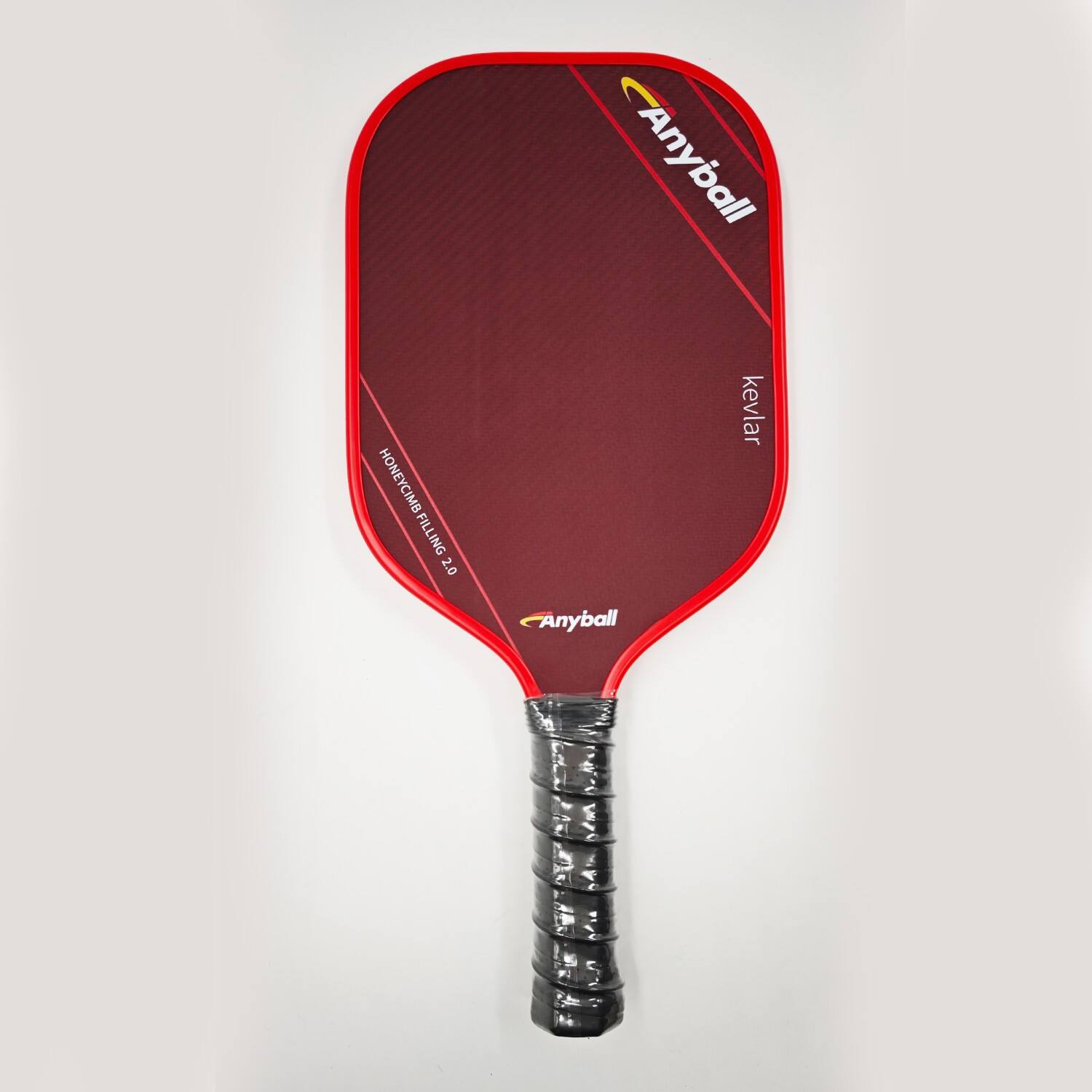
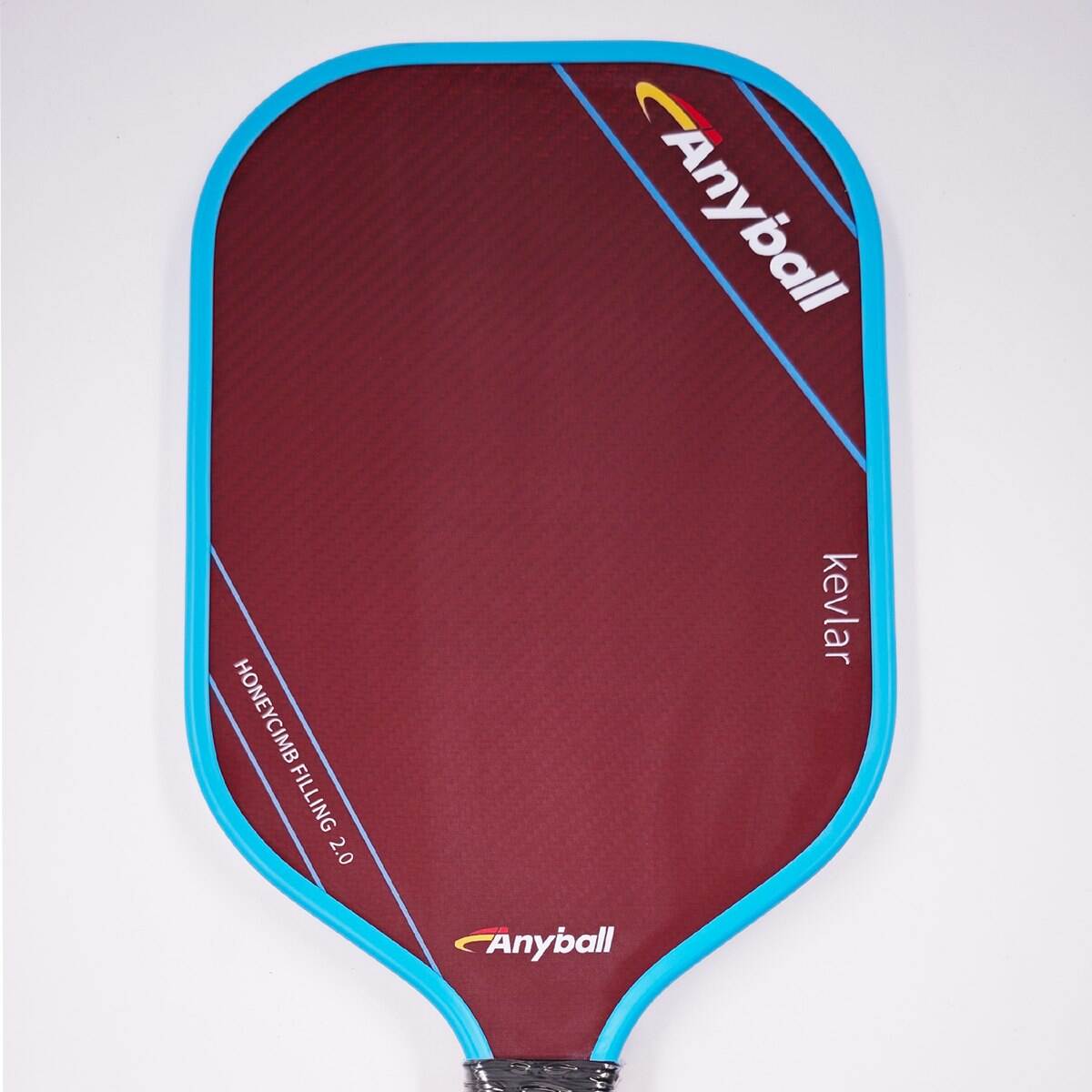
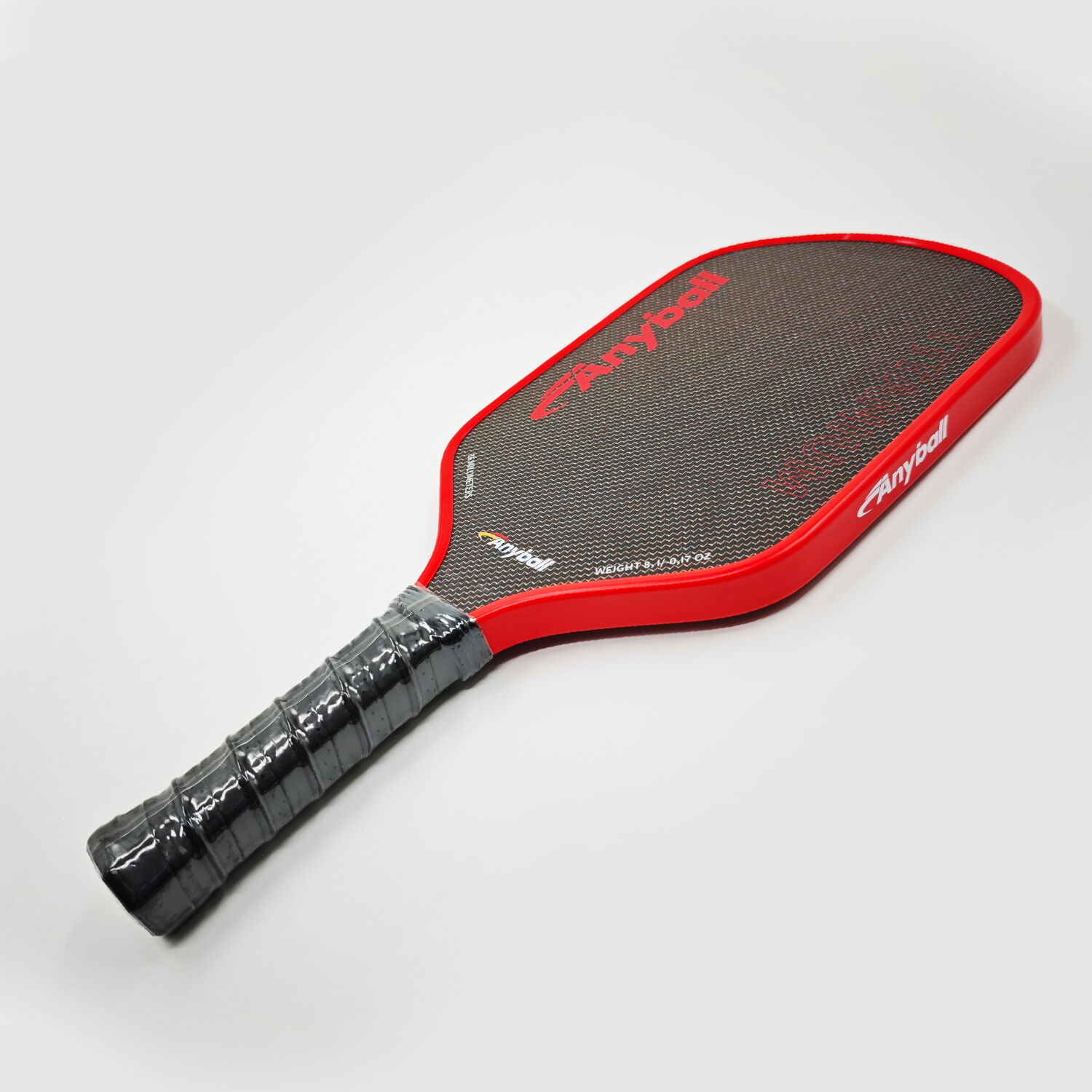
When considering which paddle material excels in pickleball performance, the debate of graphite versus fiberglass represents a crucial decision for players at every skill level. The question of is graphite or fiberglass better for pickleball involves analyzing multiple technological aspects, performance characteristics, and practical applications that directly impact gameplay experience. Graphite paddles utilize carbon fiber construction, creating an ultra-lightweight yet incredibly strong playing surface. This advanced material technology delivers exceptional responsiveness and power transfer, making graphite paddles highly sought after by competitive players. The manufacturing process involves layering thin carbon fiber sheets with specialized resins, resulting in paddles that offer superior stiffness-to-weight ratios. Fiberglass paddles, constructed from woven glass fibers embedded in polymer matrices, provide different performance characteristics that appeal to recreational and intermediate players. The technological features of fiberglass include enhanced flexibility and improved shock absorption compared to graphite alternatives. When examining is graphite or fiberglass better for pickleball applications, graphite paddles excel in tournaments and competitive environments where precision and power generation are paramount. Professional players frequently choose graphite due to its ability to generate explosive shots while maintaining excellent control during delicate net play. Fiberglass paddles find their niche in recreational settings, club play, and training environments where forgiveness and comfort take precedence over maximum performance. The surface texture differences between these materials also affect ball interaction, with graphite providing more aggressive spin potential and fiberglass offering smoother, more predictable ball response. Understanding these fundamental differences helps players make informed decisions about which paddle material aligns with their playing style, skill development goals, and competitive aspirations.
 EN
EN