what is better fiberglass or graphite pickleball paddle
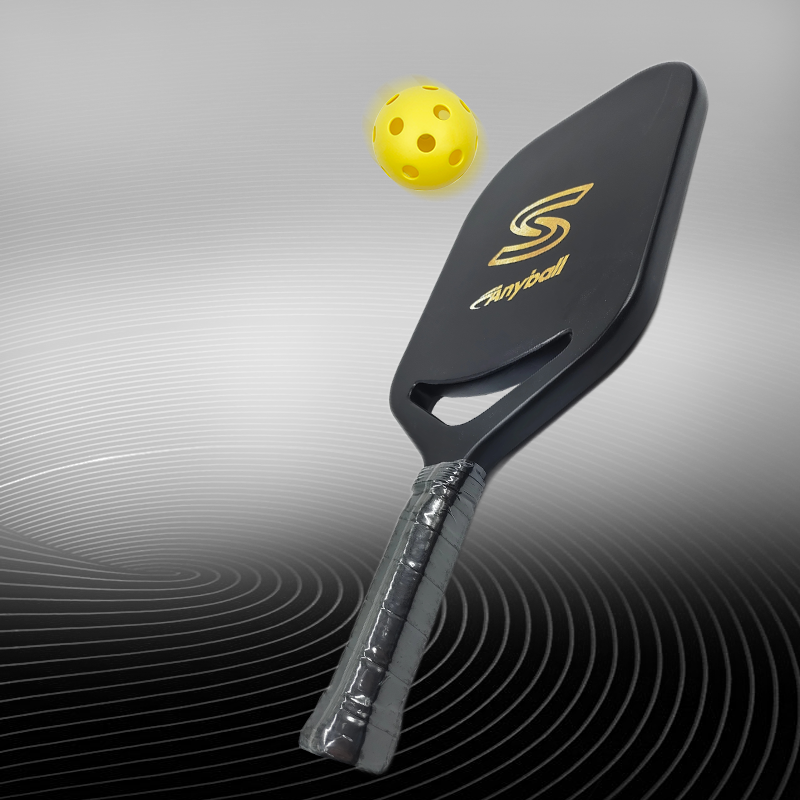
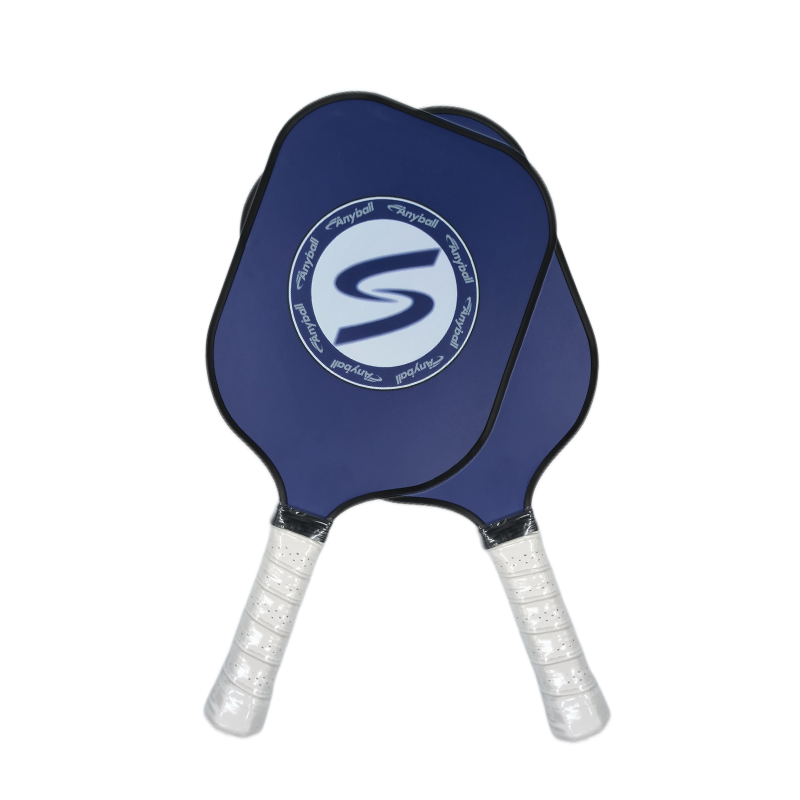
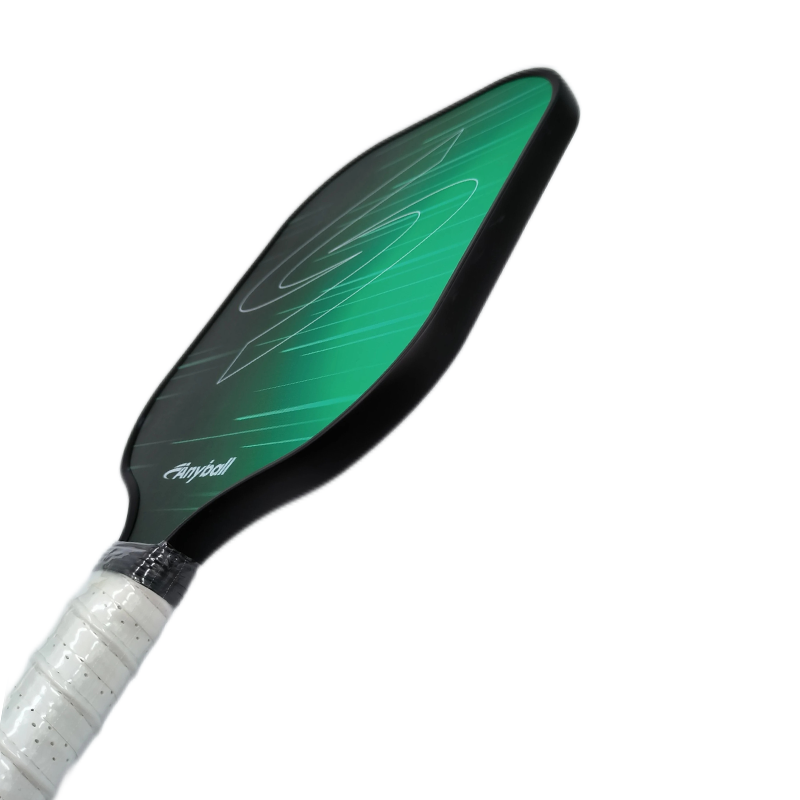
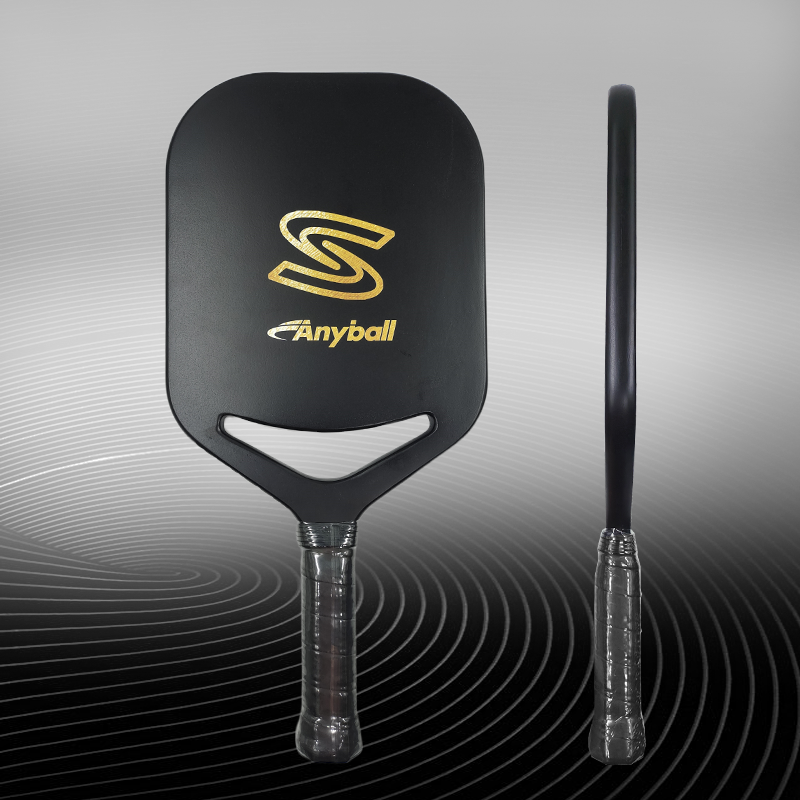
When considering what is better fiberglass or graphite pickleball paddle, players must understand the distinct characteristics that define each material's performance on the court. Fiberglass paddles represent the traditional choice for many recreational and competitive players, offering a unique combination of power generation and control that has made them popular across skill levels. These paddles feature a fiberglass face bonded to various core materials, creating a surface that provides excellent ball grip and spin potential. The fiberglass construction delivers a softer feel upon ball contact, which many players find appealing for touch shots and dinking exchanges at the net. The material's flexibility allows for enhanced ball dwell time, giving players more control over shot placement and spin generation. Graphite paddles, on the other hand, represent the cutting edge of paddle technology, utilizing carbon fiber composite materials that offer superior stiffness and responsiveness. The graphite surface provides a harder hitting experience with increased power transmission from player to ball. This material choice results in faster ball speeds and more direct energy transfer, making graphite paddles particularly attractive to aggressive baseline players and those seeking maximum power output. The technological features of each material create distinct playing experiences that cater to different playing styles and preferences. Fiberglass paddles typically exhibit more forgiveness on off-center hits, while graphite paddles reward precise technique with enhanced performance. Applications for these paddle types vary significantly based on player skill level, playing style, and court positioning preferences. Recreational players often gravitate toward fiberglass options for their user-friendly characteristics, while competitive players frequently choose graphite for its performance advantages. Understanding what is better fiberglass or graphite pickleball paddle requires careful consideration of individual playing needs, technique development goals, and long-term improvement objectives. Both materials offer distinct pathways to enhanced court performance when properly matched to player requirements.
 EN
EN