fiberglass vs graphite pickleball paddles
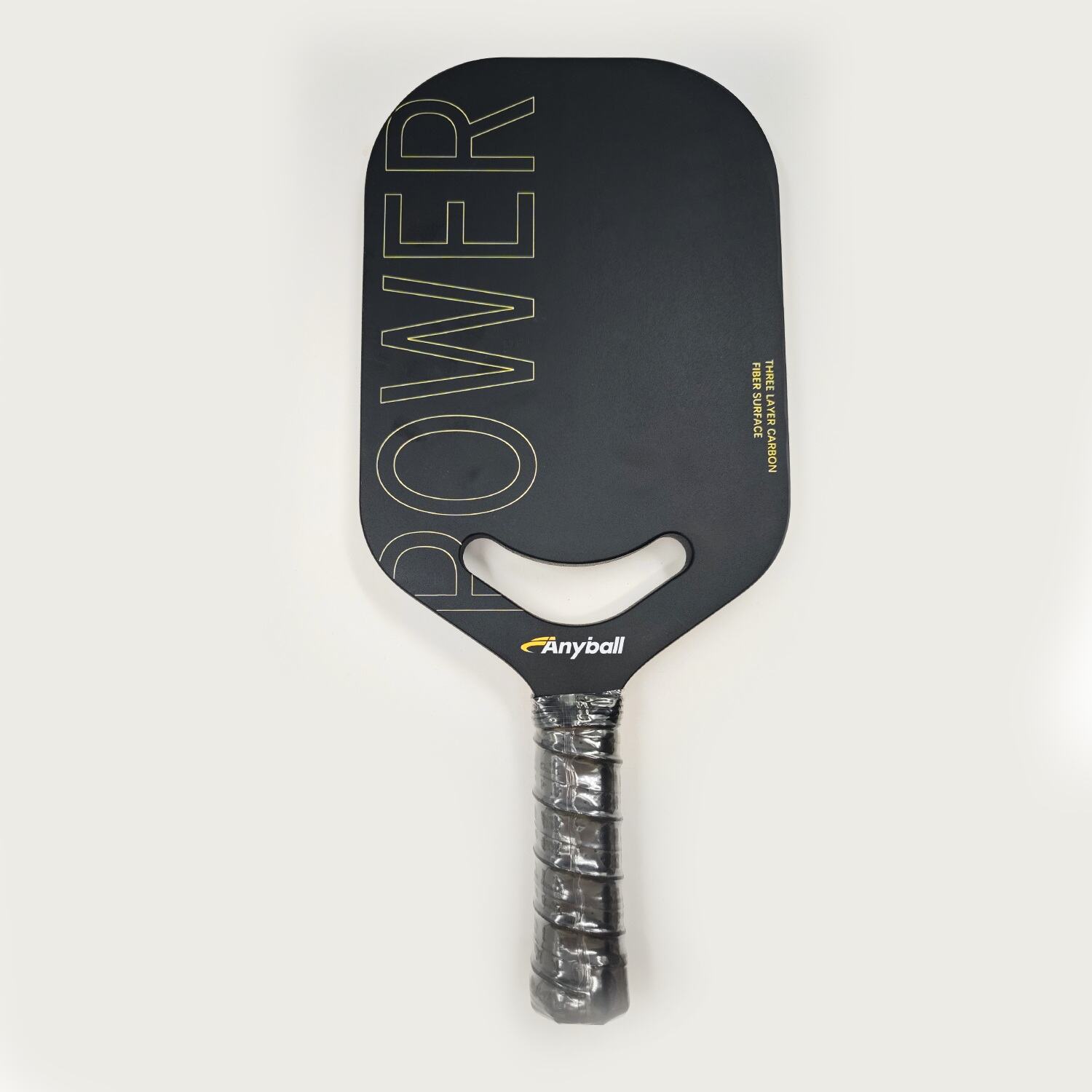
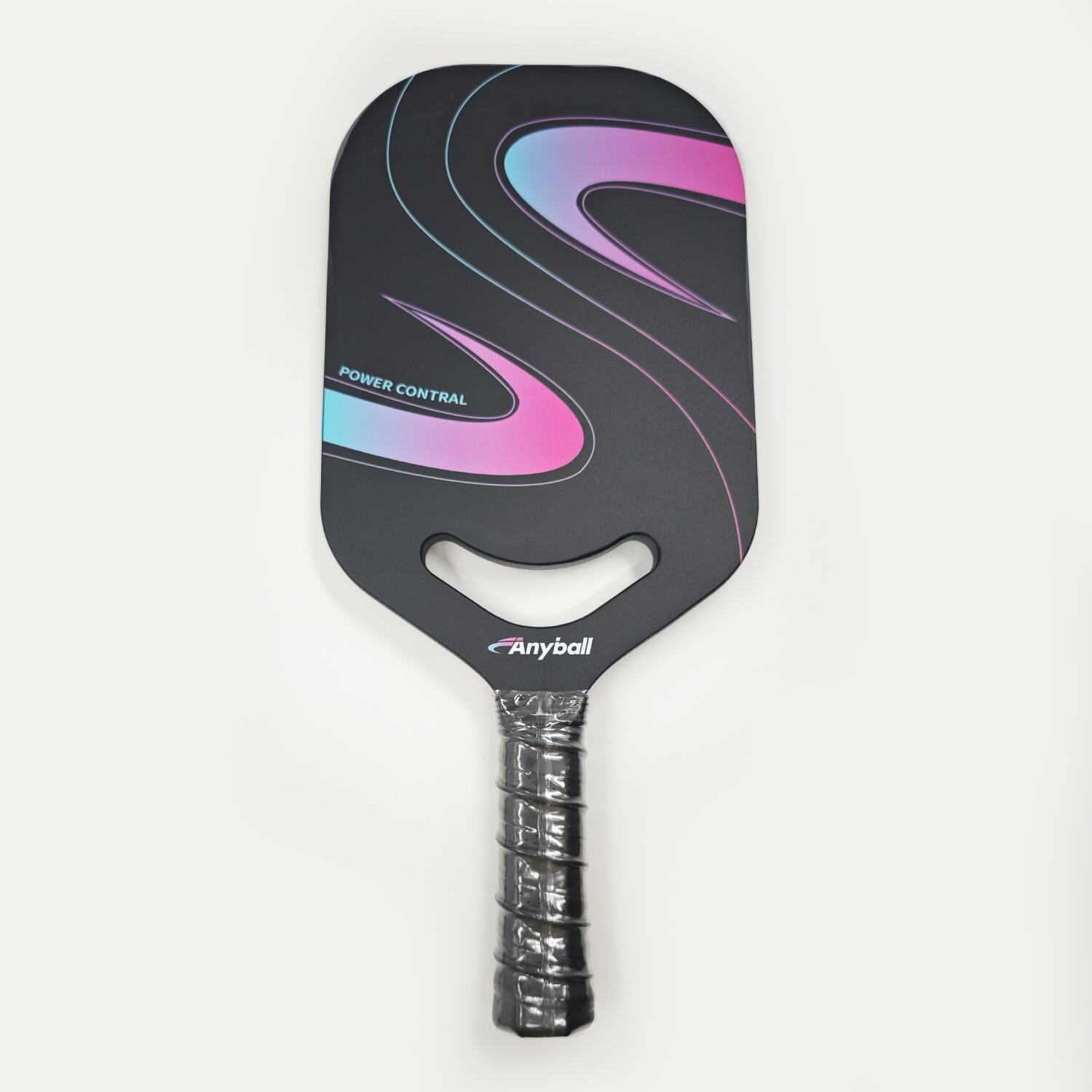
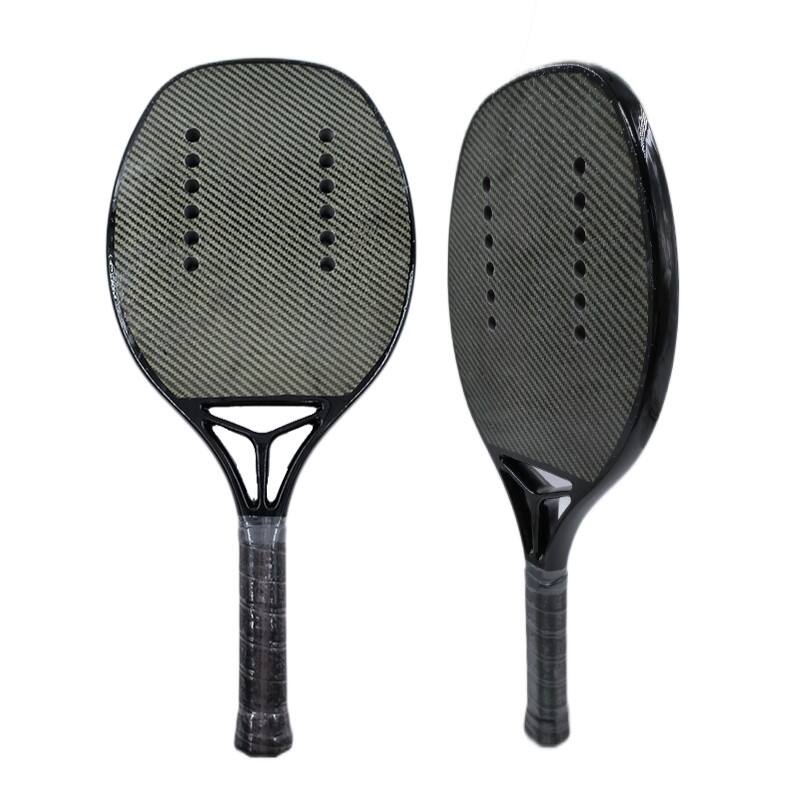
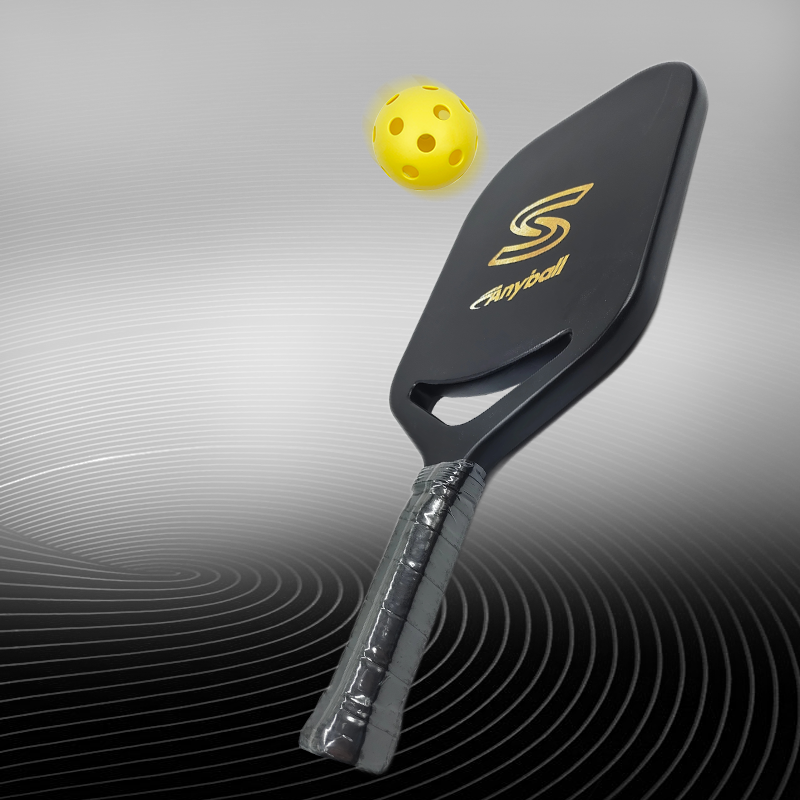
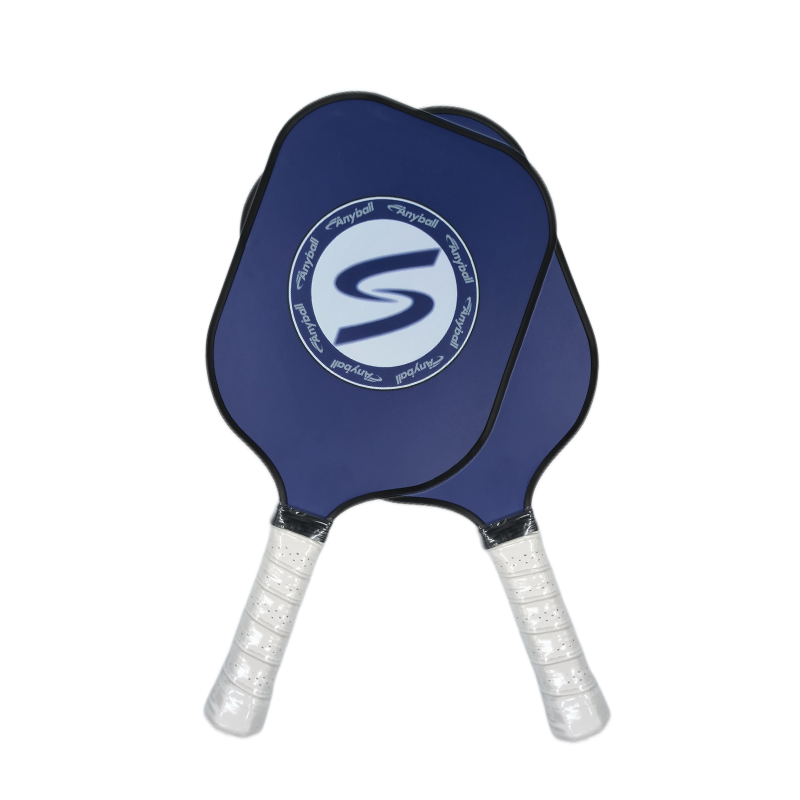
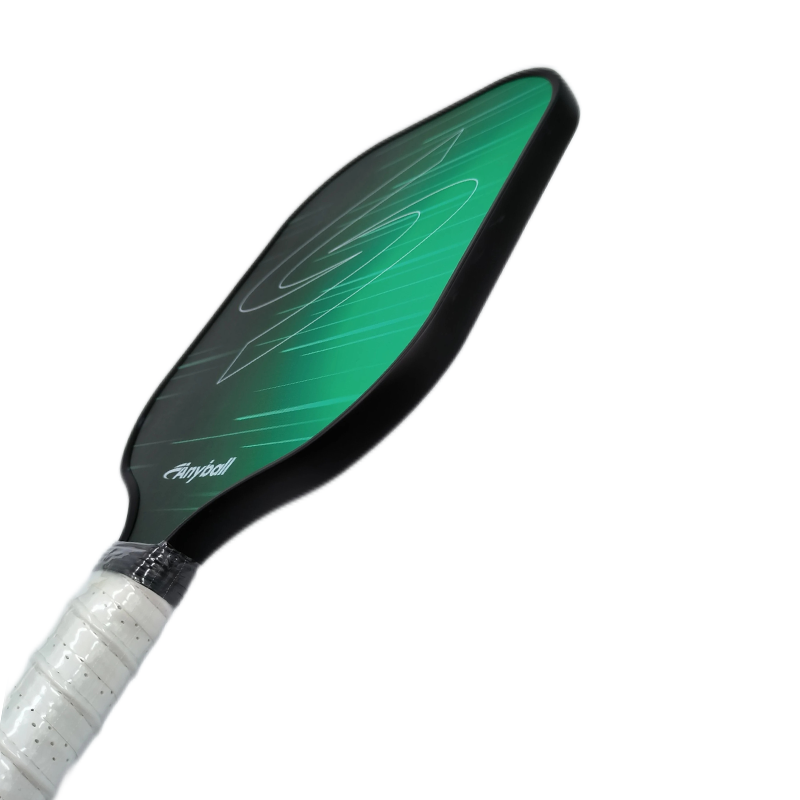
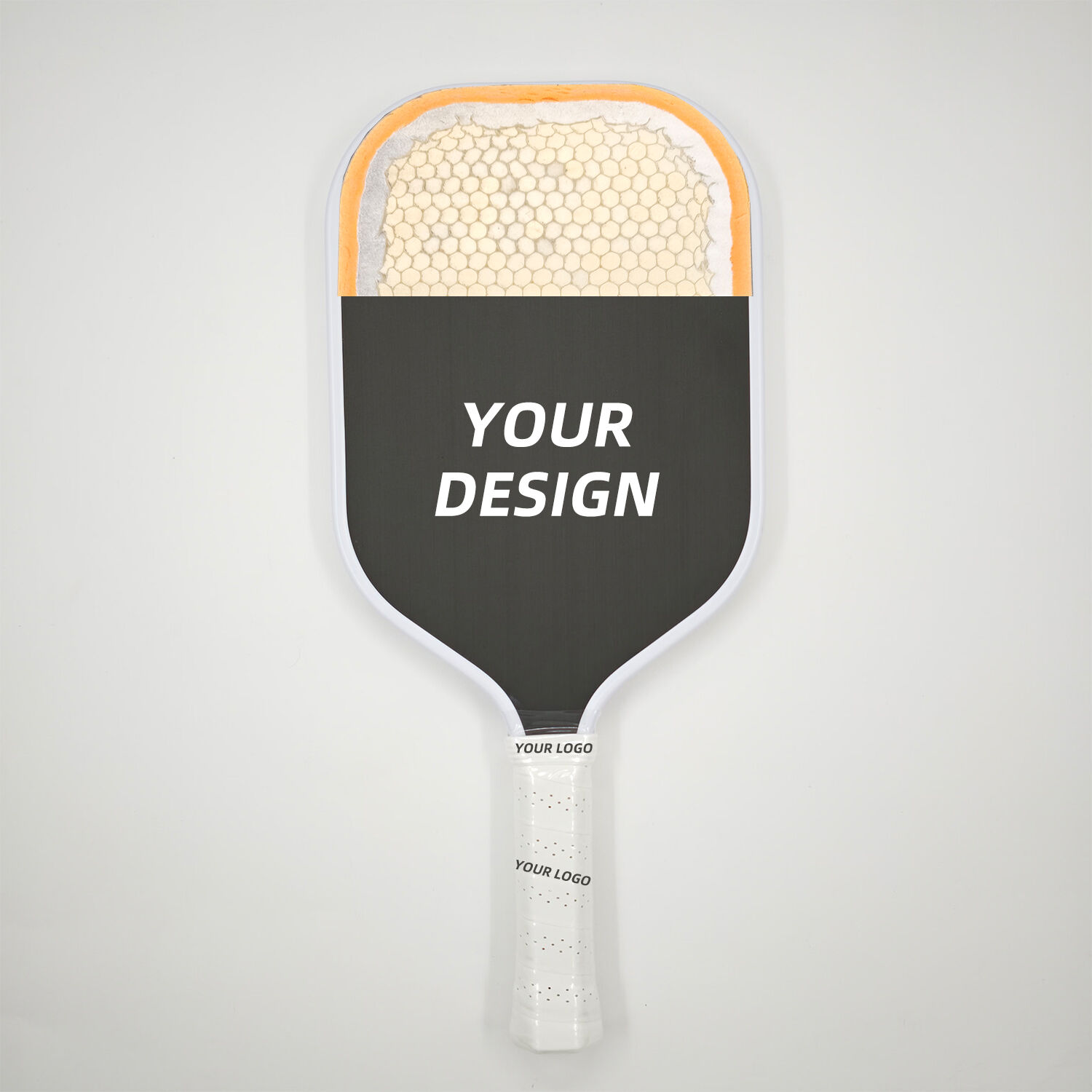
When choosing between fiberglass vs graphite pickleball paddles, players encounter two distinctly different technologies that significantly impact their game performance. Understanding the fundamental differences between these materials helps players make informed decisions based on their playing style and skill level. Fiberglass paddles feature a composite construction using woven glass fibers bonded with resin, creating a surface that excels in spin generation and ball control. The textured surface of fiberglass naturally grips the ball, allowing players to execute precise shots with enhanced accuracy. These paddles typically offer excellent durability and maintain consistent performance over extended periods of use. The manufacturing process involves layering fiberglass sheets over a core material, usually polymer or aluminum honeycomb, resulting in a balanced weight distribution that appeals to recreational and intermediate players. Graphite pickleball paddles utilize carbon fiber technology, delivering exceptional power and responsiveness through their lightweight construction. The carbon fiber surface provides a harder hitting surface compared to fiberglass, enabling players to generate impressive shot velocity with minimal effort. These paddles feature superior vibration dampening properties, reducing arm fatigue during extended play sessions. The manufacturing precision required for graphite paddles results in consistent thickness and weight distribution, contributing to predictable shot placement and enhanced player confidence. Professional players often gravitate toward graphite paddles due to their responsive nature and ability to transfer energy efficiently from paddle to ball. The choice between fiberglass vs graphite pickleball paddles ultimately depends on individual preferences regarding power versus control, with each material offering distinct advantages for different playing styles and competitive levels.
 EN
EN