EN
EN


Embarking on your pickleball training journey requires careful consideration of fundamentals that will shape your development as a player. Understanding the essential elements before stepping onto the court can significantly accelerate your progress and prevent common beginner mistakes. From equipment selection to basic techniques, proper preparation forms the foundation of successful pickleball training. This comprehensive guide explores the critical aspects every newcomer should master before beginning their pickleball training adventure.
Essential Equipment for Effective Pickleball Training
Choosing Your First Pickleball Paddle
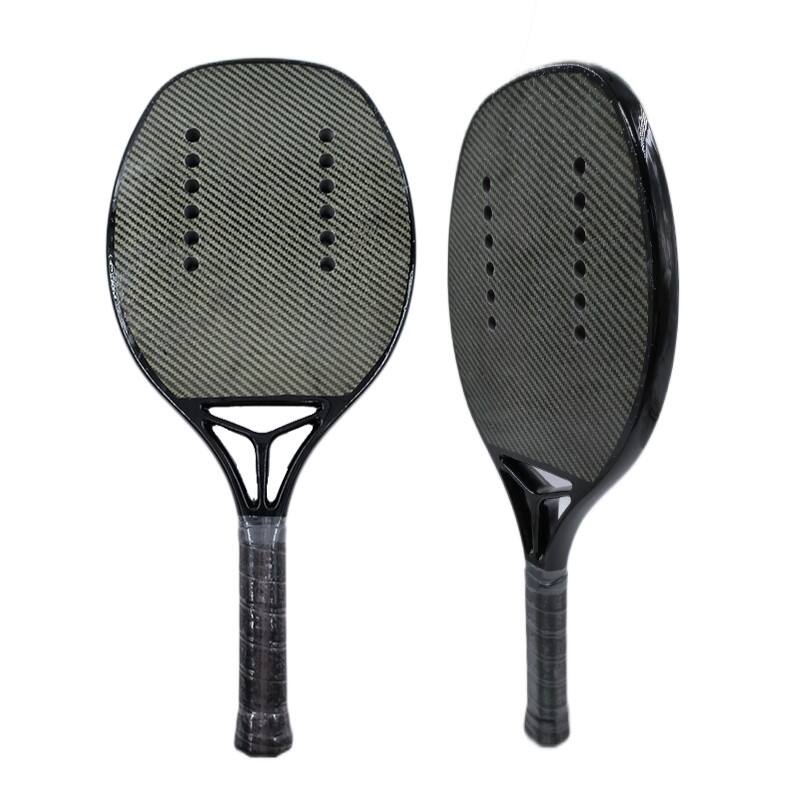
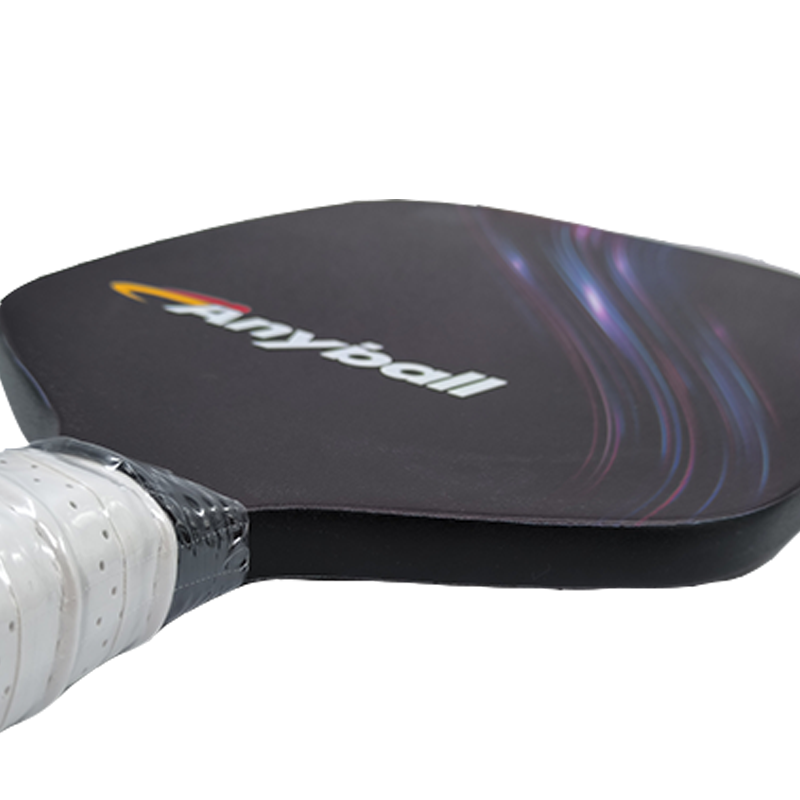
Selecting the right paddle represents the most crucial equipment decision in your pickleball training journey. Weight distribution, grip size, and paddle materials directly impact your ability to develop proper technique during practice sessions. Beginners should prioritize lightweight paddles with comfortable grips that allow extended training periods without fatigue. The paddle face material influences ball control and power generation, making this choice fundamental to your pickleball training success.
Carbon fiber paddles offer exceptional durability and consistent performance throughout intensive pickleball training sessions. These paddles provide excellent touch and control while maintaining structural integrity under repeated impact. When evaluating paddle options, consider how different materials will support your pickleball training objectives and playing style development. Professional-grade equipment ensures reliable performance as your skills advance through consistent practice.
Court Shoes and Athletic Wear Considerations
Proper footwear significantly impacts safety and performance during pickleball training activities. Court shoes with non-marking soles provide essential lateral support for quick directional changes common in pickleball play. The right athletic wear enhances comfort and mobility throughout extended pickleball training sessions. Moisture-wicking fabrics help maintain body temperature regulation during intense practice periods.
Investment in quality court shoes prevents injury while supporting proper movement mechanics during pickleball training. Ankle support becomes particularly important as players develop more aggressive playing styles through progressive skill development. Breathable materials in both shoes and clothing contribute to sustained performance during lengthy pickleball training sessions. Proper equipment selection demonstrates commitment to serious skill development and injury prevention.
Fundamental Rules and Court Awareness
Understanding Basic Game Structure
Mastering fundamental rules accelerates effective pickleball training by providing clear objectives for skill development. The unique serving rules, including underhand serves and double bounce requirements, distinguish pickleball from other racquet sports. Understanding scoring systems and rotation patterns helps players focus their pickleball training on relevant scenarios they will encounter during actual gameplay. Rule comprehension eliminates confusion during practice sessions and improves training efficiency.
Kitchen rules represent perhaps the most distinctive aspect requiring focused attention during pickleball training sessions. The non-volley zone creates strategic considerations that influence positioning and shot selection throughout rallies. Beginners must dedicate significant pickleball training time to understanding when players can and cannot enter this critical court area. Proper kitchen awareness prevents violations while opening tactical opportunities for advanced play development.
Court Positioning and Movement Patterns
Strategic court positioning forms the foundation of effective pickleball training routines for developing players. Understanding optimal placement relative to opponents and the ball requires dedicated practice and repetition. Movement efficiency develops through structured pickleball training exercises that emphasize proper footwork and anticipation skills. Players must learn to read game situations and position themselves advantageously before opponents execute their shots.
Baseline and net positioning each require specific skill sets that benefit from targeted pickleball training approaches. Transition movements between these positions challenge beginners who must develop court awareness while maintaining shot readiness. Effective pickleball training incorporates movement drills that simulate game situations and pressure scenarios. Consistent practice of positioning fundamentals creates muscle memory that translates into competitive advantages during actual gameplay.
Basic Techniques and Skill Development
Mastering the Serve and Return
Serving consistency provides the foundation upon which successful pickleball training programs are built for beginning players. The underhand serving motion requires specific technique development that differs significantly from tennis or other racquet sports. Dedicated pickleball training time focused on serving mechanics pays dividends in match confidence and point initiation control. Proper serving technique includes consistent contact point, follow-through, and target placement elements.
Return of serve skills complement serving development and require equal attention during comprehensive pickleball training sessions. Reading serve placement and responding with appropriate positioning challenges beginners learning court coverage fundamentals. Effective pickleball training emphasizes return consistency over power, building confidence through successful rally initiation. Deep return placement creates tactical advantages that beginning players can leverage even with developing technical skills.
Groundstroke Development and Consistency
Forehand and backhand consistency forms the backbone of reliable pickleball training progression for new players. Proper grip techniques influence shot accuracy and power generation throughout the learning process. Beginning players benefit from pickleball training routines that emphasize controlled contact rather than aggressive shot-making. Consistent groundstrokes provide the platform for advancing to more complex tactical concepts and shot variations.
Ball placement accuracy develops through repetitive pickleball training exercises targeting specific court zones and situations. Cross-court and down-the-line shot patterns require different technical adjustments and strategic considerations. Structured pickleball training sessions should include target practice that challenges accuracy while building stroke confidence. Progressive difficulty increases maintain engagement while developing the precision necessary for competitive play advancement.
Physical Conditioning and Injury Prevention
Building Pickleball-Specific Fitness
Cardiovascular endurance directly impacts performance sustainability throughout extended pickleball training sessions and competitive matches. The stop-and-start nature of pickleball demands specific conditioning approaches that mirror actual gameplay demands. Interval training methods effectively prepare players for the physical requirements encountered during intensive pickleball training periods. Building aerobic base fitness supports recovery between points and maintains performance levels during lengthy practice sessions.
Agility and lateral movement capabilities distinguish successful players and require focused development during pickleball training routines. Quick directional changes and reactive movements challenge multiple muscle groups simultaneously while improving court coverage efficiency. Plyometric exercises complement regular pickleball training by developing explosive power and movement speed. Core strength training supports balance and stability throughout dynamic movement patterns common in competitive play.
Warm-up and Cool-down Protocols
Proper warm-up routines prepare the body for intensive pickleball training activities while reducing injury risk significantly. Dynamic stretching and movement preparation activate muscle groups and joints used throughout training sessions. Gradual intensity progression during warm-up periods allows cardiovascular and muscular systems to adapt before full-intensity pickleball training begins. Consistent pre-training routines create physical and mental preparation habits that enhance overall performance.
Cool-down procedures following pickleball training sessions promote recovery and flexibility maintenance for continued improvement. Static stretching addresses muscle groups that experience tension during repetitive paddle motions and court movement. Proper hydration and nutrition timing support recovery processes that enable consistent pickleball training participation. Recovery protocols become increasingly important as training intensity and frequency increase with skill development.
Mental Preparation and Strategy Development
Building Confidence Through Progressive Learning
Mental preparation significantly influences pickleball training effectiveness and skill acquisition rates for beginning players. Confidence building through achievable goals creates positive momentum that accelerates learning throughout the development process. Setting realistic expectations during early pickleball training phases prevents frustration while maintaining motivation for continued improvement. Progressive challenge increases ensure steady advancement without overwhelming new players with complex concepts.
Visualization techniques complement physical pickleball training by allowing players to mentally rehearse proper technique and tactical decisions. Mental imagery practice reinforces muscle memory development and builds familiarity with game situations before encountering them on court. Successful pickleball training programs integrate mental preparation with physical skill development for comprehensive player improvement. Confidence grows through repeated success in controlled training environments before competitive pressure application.
Understanding Basic Strategy and Tactics
Strategic thinking development enhances the effectiveness of physical skills acquired through dedicated pickleball training sessions. Understanding when to attack versus when to maintain patience influences point outcomes and overall match success. Beginning players benefit from pickleball training that introduces basic tactical concepts alongside technical skill development. Pattern recognition skills develop through repeated exposure to common game situations during structured practice.
Shot selection awareness improves decision-making speed and accuracy during competitive play scenarios encountered after comprehensive pickleball training. Risk assessment skills help players choose appropriate shots based on court position, opponent placement, and rally dynamics. Effective pickleball training incorporates decision-making practice under time pressure to simulate match conditions. Strategic awareness transforms technical skills into tactical weapons that create competitive advantages during actual gameplay.
FAQ
How long should beginners dedicate to pickleball training before playing competitively
Most beginners benefit from 4-6 weeks of consistent pickleball training before entering competitive play. This timeframe allows fundamental skill development and rule comprehension while building confidence through repetitive practice. Individual progress varies based on athletic background and training frequency, but this period typically provides sufficient preparation for recreational tournament participation. Continued pickleball training alongside competitive play accelerates improvement through practical application of developed skills.
What common mistakes should beginners avoid during early pickleball training
Overemphasizing power over control represents the most frequent error made during initial pickleball training phases. Beginners often attempt advanced shots before mastering basic consistency, leading to frustration and delayed progress. Neglecting proper warm-up procedures increases injury risk and reduces training session effectiveness. Focusing on winning practice points rather than skill development limits long-term improvement potential during crucial foundational pickleball training periods.
How often should beginners schedule pickleball training sessions
Beginning players achieve optimal progress through 2-3 pickleball training sessions per week with rest days for recovery and skill consolidation. More frequent training may lead to overuse injuries and mental fatigue that impede learning. Consistency proves more valuable than training frequency, making regular moderate-intensity pickleball training superior to sporadic intensive sessions. Quality instruction during fewer sessions produces better results than unsupervised practice without proper technique guidance.
What should beginners prioritize during their first month of pickleball training
Serving consistency should receive primary attention during initial pickleball training phases since every point begins with serve execution. Basic court positioning and movement patterns require early emphasis to prevent development of poor habits. Understanding fundamental rules eliminates confusion and allows focused attention on skill development during pickleball training sessions. Building confidence through achievable goals creates positive momentum that sustains motivation throughout the challenging learning process.
Table of Contents
- Essential Equipment for Effective Pickleball Training
- Fundamental Rules and Court Awareness
- Basic Techniques and Skill Development
- Physical Conditioning and Injury Prevention
- Mental Preparation and Strategy Development
-
FAQ
- How long should beginners dedicate to pickleball training before playing competitively
- What common mistakes should beginners avoid during early pickleball training
- How often should beginners schedule pickleball training sessions
- What should beginners prioritize during their first month of pickleball training