Precision-Engineered Hole Patterns for Optimal Aerodynamics
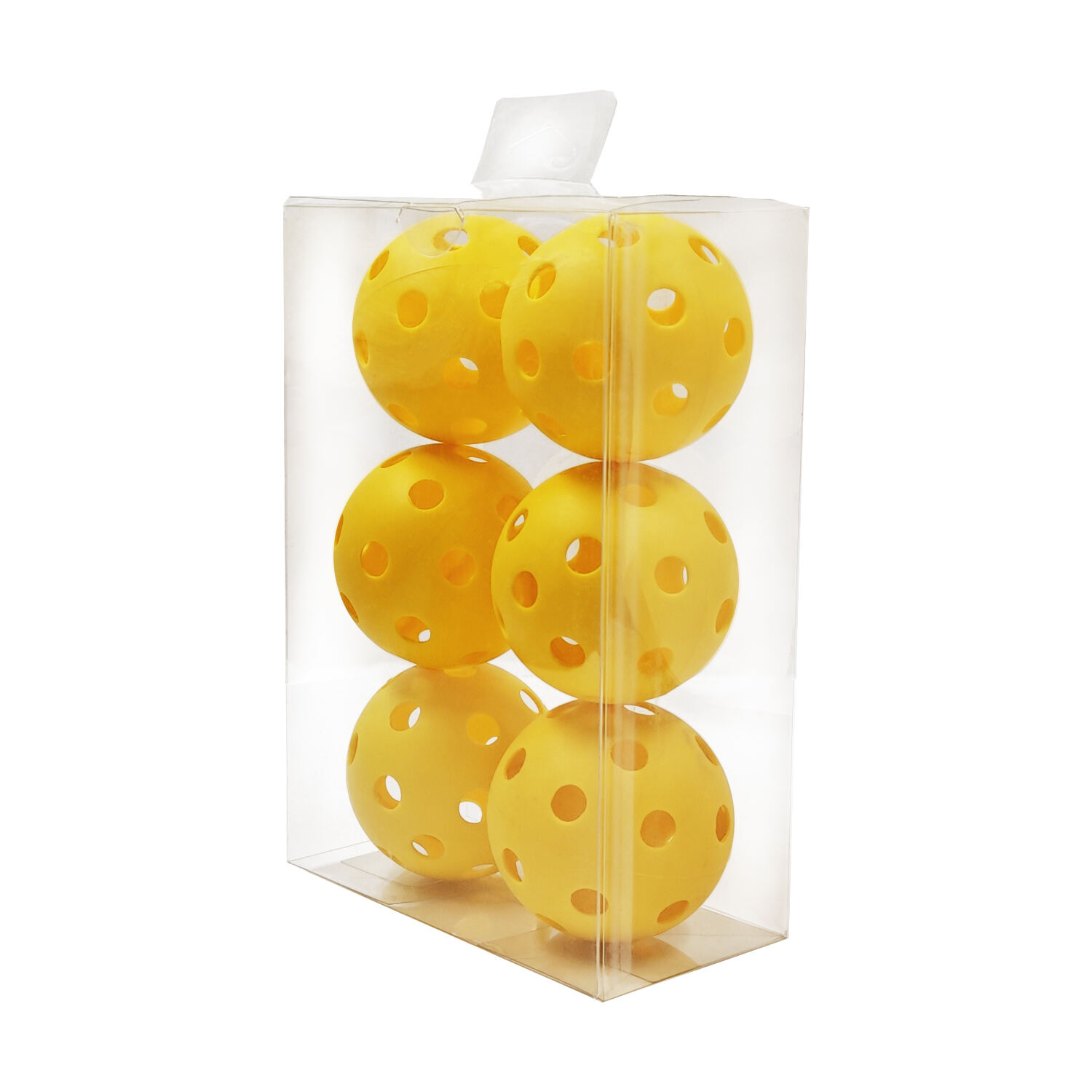
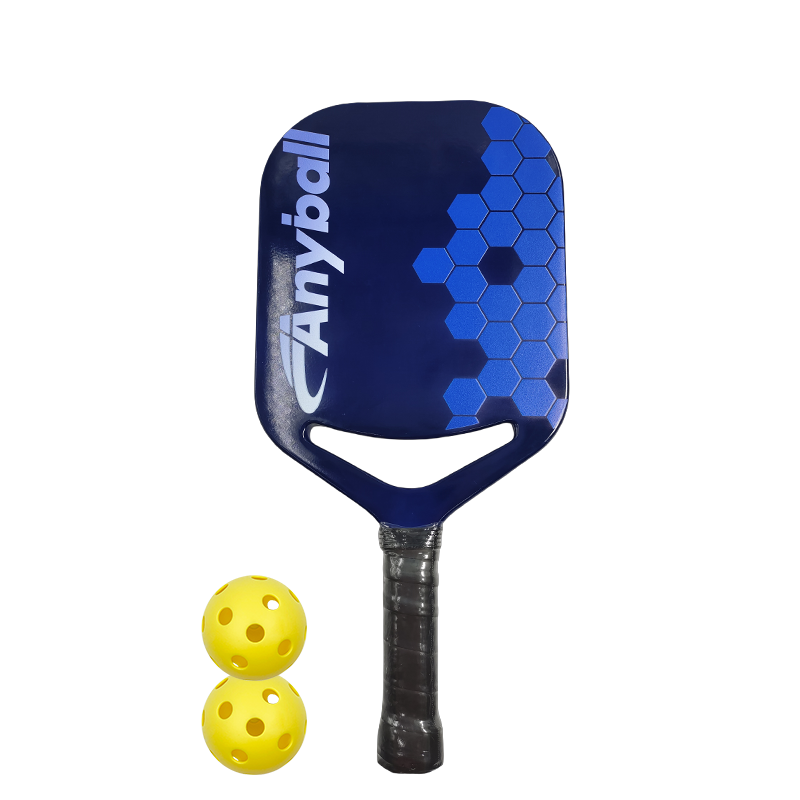
The precision-engineered hole patterns found in various types of pickleballs represent a critical technological advancement that directly influences flight characteristics, wind resistance, and overall game dynamics. These carefully calculated hole configurations undergo extensive computational fluid dynamics testing to determine optimal placement, size, and quantity for specific playing conditions and performance requirements. Indoor types of pickleballs typically feature 26 precisely positioned holes that create controlled airflow patterns, reducing drag while maintaining stable flight trajectories in wind-free environments. The smaller hole count and strategic positioning allow for enhanced spin retention, enabling advanced players to execute sophisticated shot techniques with greater accuracy and control. Outdoor types of pickleballs incorporate 40-hole configurations designed to manage wind interference while maintaining predictable flight paths in variable weather conditions. The larger hole count creates specific turbulence patterns that stabilize the ball during flight, preventing unexpected trajectory changes that could disrupt gameplay flow and strategic execution. The engineering precision ensures that each hole maintains exact dimensions and smooth edges that minimize air turbulence while maximizing aerodynamic efficiency. This attention to detail creates consistent performance across different ball speeds, from gentle dink shots at the net to powerful baseline drives that require maximum stability during high-velocity flight. The hole pattern engineering also considers sound generation characteristics, as the interaction between airflow and hole configurations creates distinctive audio signatures that help players track ball movement during fast-paced exchanges. Professional-grade types of pickleballs undergo rigorous testing to ensure that hole patterns remain consistent across manufacturing batches, eliminating performance variations that could affect competitive fairness. The precision engineering extends to hole edge finishing, where advanced manufacturing techniques create smooth transitions that prevent premature wear while maintaining optimal aerodynamic properties throughout the ball's lifespan. These engineered hole patterns also contribute to the ball's overall structural integrity, distributing stress forces evenly across the surface during impact while maintaining the precise aerodynamic characteristics that define superior performance.
 EN
EN