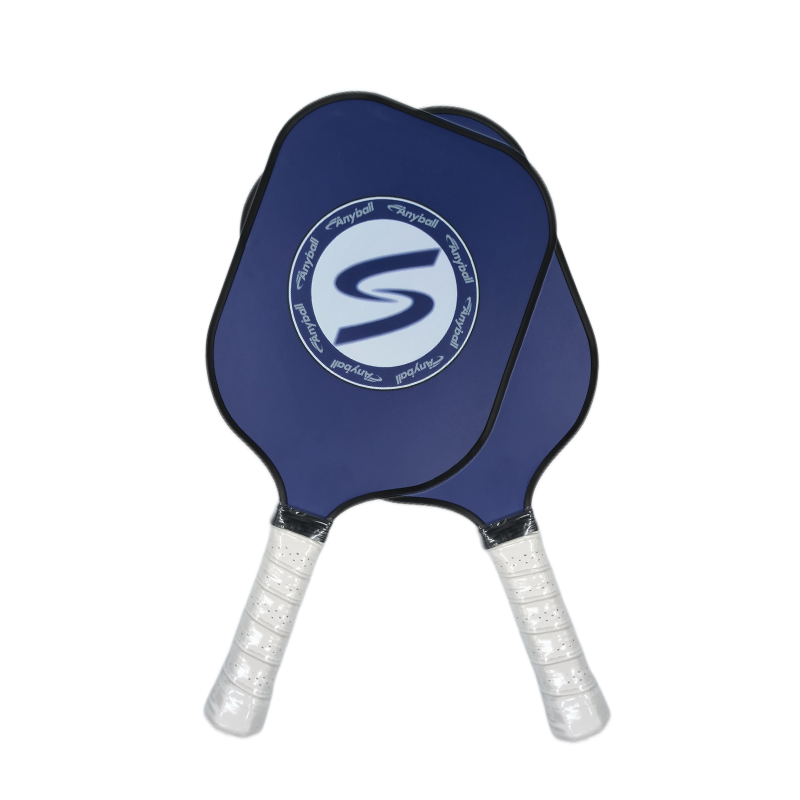
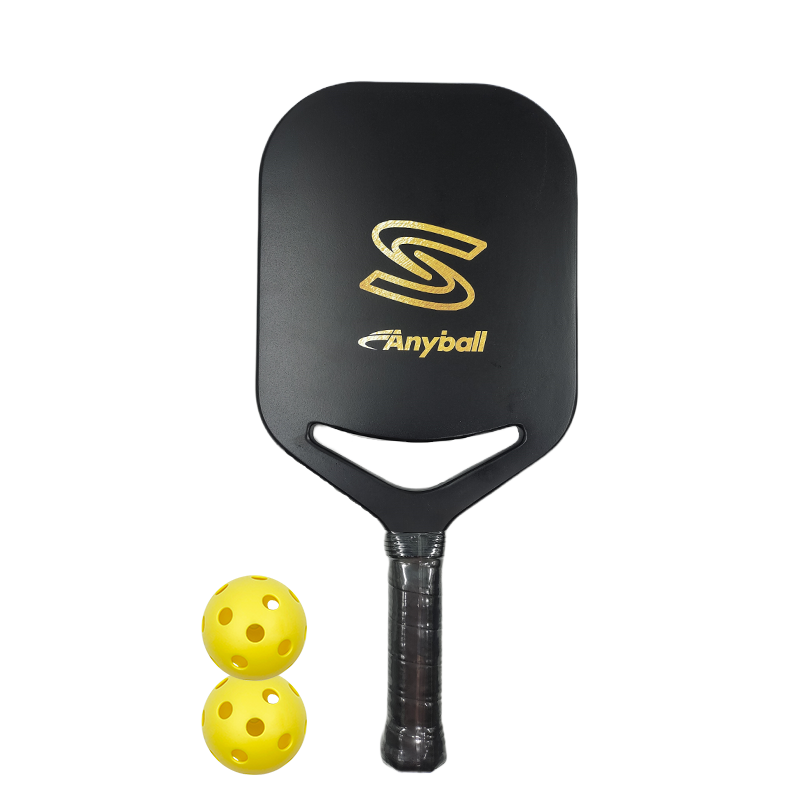
indoor and outdoor pickleballs
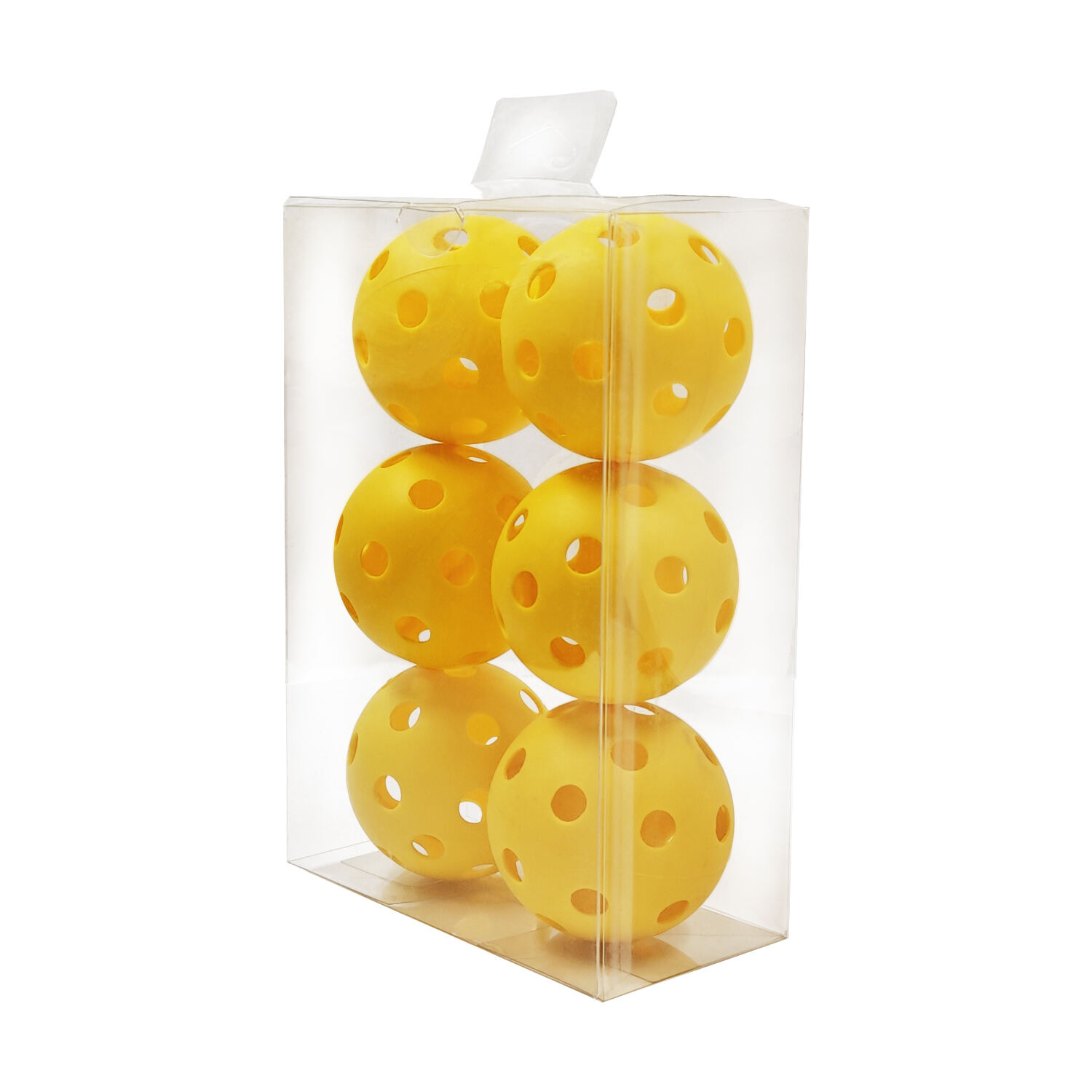
Indoor and outdoor pickleballs represent two distinct categories of equipment designed to optimize gameplay across different environments and conditions. These specialized balls incorporate unique design elements and material compositions that directly impact player performance, game dynamics, and overall playing experience. Indoor pickleballs feature a softer construction with larger holes and reduced weight, typically ranging from 0.78 to 0.935 ounces. The ball's surface utilizes smooth, lightweight materials that create less air resistance and produce a slower flight pattern suitable for enclosed spaces. The hole configuration usually consists of 26 larger openings that reduce wind interference while maintaining consistent bounce characteristics on gymnasium floors. Outdoor pickleballs demonstrate enhanced durability through harder plastic construction and smaller, more numerous holes that combat wind resistance effectively. These balls typically weigh between 0.88 to 0.935 ounces and feature 40 smaller holes designed to maintain trajectory stability in varying weather conditions. The material composition includes UV-resistant plastics that prevent degradation from prolonged sun exposure and temperature fluctuations. Advanced manufacturing processes ensure consistent wall thickness and uniform hole placement for predictable ball behavior. Both varieties incorporate precision-molded seams that eliminate irregular bounce patterns while maintaining USAPA approved specifications. The technological features extend to color optimization, with bright yellow and white options providing maximum visibility against different backgrounds. Surface texturing varies between indoor and outdoor models, with outdoor versions featuring slightly rougher textures that enhance paddle grip interaction. Temperature compensation technology allows both ball types to maintain performance characteristics across seasonal variations. Indoor and outdoor pickleballs serve specific applications within recreational facilities, competitive tournaments, training programs, and casual play scenarios, ensuring players can enjoy consistent, high-quality gameplay regardless of their chosen environment or skill level.
 EN
EN