wood vs fiberglass pickleball paddle
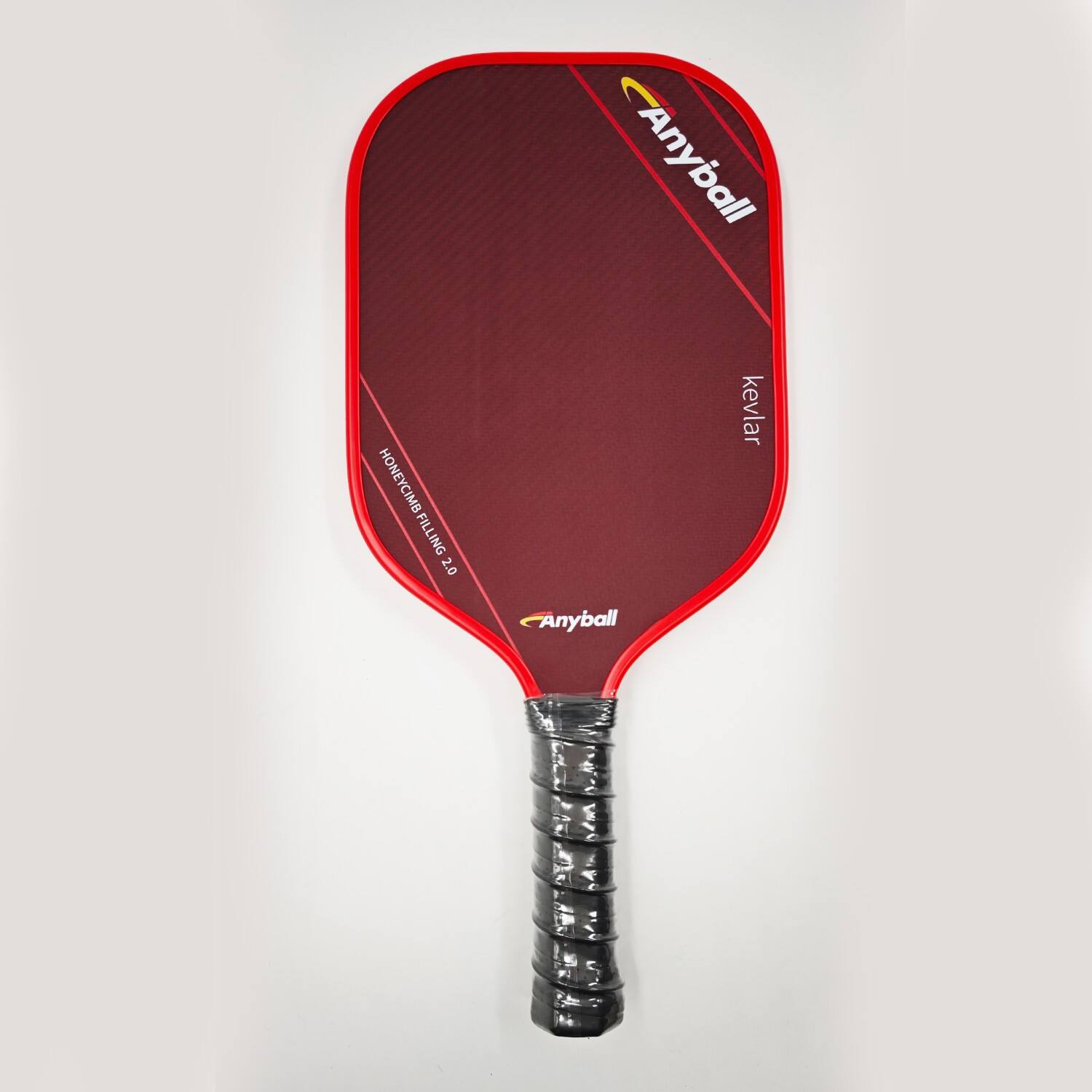
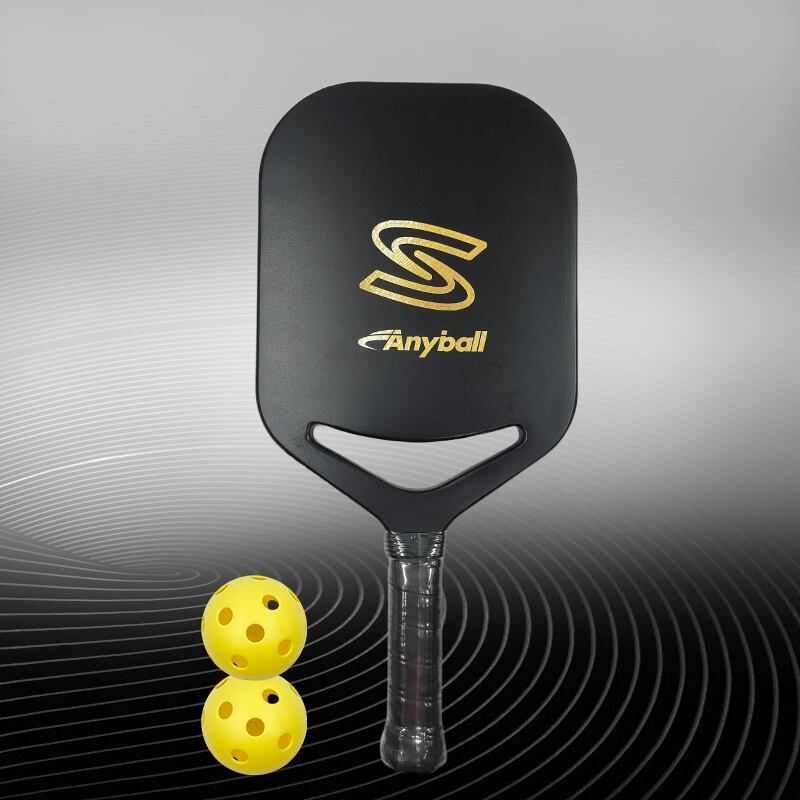
When selecting the perfect pickleball paddle, players face a crucial decision between wood vs fiberglass pickleball paddle options. This comparison represents one of the most fundamental choices in equipment selection, affecting everything from playing style to budget considerations. Wood paddles represent the traditional foundation of pickleball equipment, offering a classic approach that emphasizes simplicity and affordability. These paddles typically feature solid wood construction, often utilizing materials like maple, oak, or composite wood layers that provide reliable performance for recreational players. The manufacturing process involves carefully crafted wooden cores that deliver consistent weight distribution and straightforward gameplay characteristics. In contrast, fiberglass pickleball paddles showcase modern engineering advancements, incorporating synthetic materials that enhance performance metrics across multiple dimensions. The fiberglass construction utilizes woven glass fibers bonded with resin systems, creating lightweight yet durable paddle faces that respond dynamically to ball contact. The wood vs fiberglass pickleball paddle debate extends beyond material composition to encompass technological features that distinguish each category. Wood paddles excel in providing predictable ball response, making them ideal for beginners who need consistent feedback while developing fundamental skills. Their heavier weight naturally generates power without requiring excessive swing force, allowing players to focus on technique rather than equipment mastery. Fiberglass paddles incorporate advanced core technologies, often featuring honeycomb or polymer cores wrapped in fiberglass faces that optimize the sweet spot size and minimize vibration transfer. These technological improvements translate into enhanced control precision, increased spin potential, and superior touch sensitivity around the net. Applications vary significantly between wood vs fiberglass pickleball paddle options, with wood paddles serving recreational players, community centers, and educational programs where durability and cost-effectiveness are priorities, while fiberglass paddles cater to competitive players, tournament participants, and serious enthusiasts who demand performance optimization and advanced playing capabilities.
 EN
EN